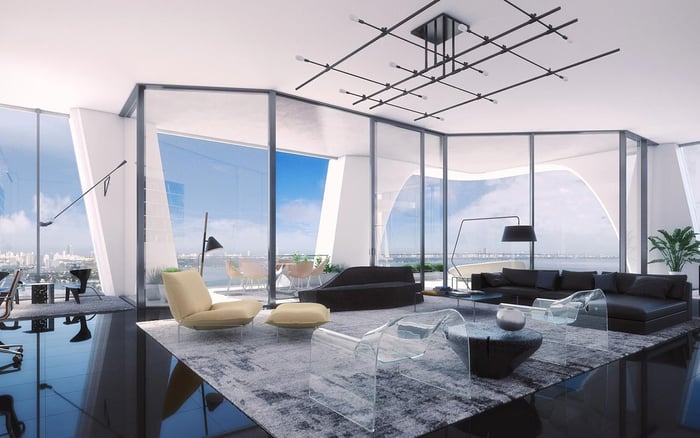
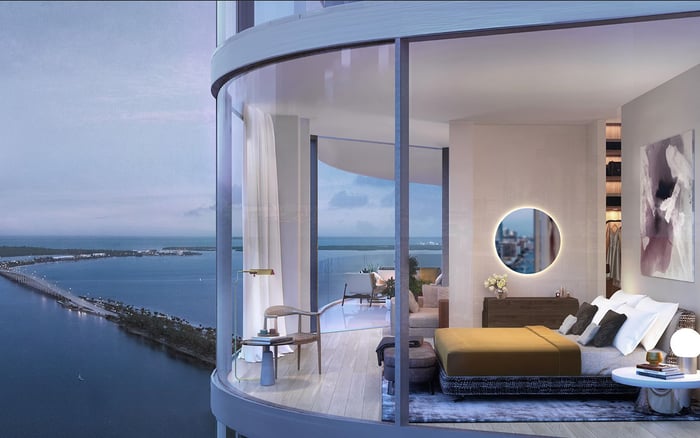
For South Florida luxury buyers, the real choice between a condo and a waterfront single-family home is less about taste than about cost structure, control, and resale behavior. Condos can deliver staffing, predictability, and easier day-to-day ownership, but they also bring HOA dues, reserve exposure, rental restrictions, and governance limits. Waterfront houses offer privacy, autonomy, and potentially stronger land-driven upside, yet they carry higher insurance sensitivity, maintenance volatility, and full responsibility for every repair from the roofline to the seawall.

In South Florida, the condo-versus-house debate is often framed around view lines, privacy, or whether a buyer prefers a concierge desk or a private dock. Those distinctions matter, but they are rarely the ones that most affect satisfaction after closing. The more consequential divide is predictability versus autonomy.
A luxury condominium can turn many ownership burdens into a recurring monthly obligation. That line item may feel high at first glance, especially in amenity-rich waterfront buildings, yet it often bundles security, staffing, common-area maintenance, and a degree of institutional oversight that many second-home buyers and downsizers value. A waterfront single-family home removes the association from the equation, but it also places every major decision, repair, and storm-readiness expense directly on the owner.
For buyers comparing a house in Boca Raton or Palm Beach with a residence in Brickell or Miami Beach, the wrong question is often, Which one is cheaper? The better question is, Which cost structure aligns with the way I want to live?
The appeal of a well-run luxury condo is obvious. Buildings such as The Perigon Miami Beach or St. Regis® Residences Brickell represent a form of ownership centered on service, managed common areas, and a polished daily experience. For many buyers, that convenience is worth a premium.
But condo ownership is never just the purchase price plus monthly dues. Buyers routinely underestimate reserve funding, the possibility of special assessments, and the financial impact of older coastal buildings requiring structural, facade, roof, or waterproofing work. In Florida’s current environment, reserve adequacy and compliance scrutiny have become central to the ownership equation. A seemingly elegant unit can become a far more expensive asset if the building itself is undercapitalized.
Personalization is another underappreciated tradeoff. In a house, the owner decides when to replace windows, redesign landscaping, or rework exterior finishes. In a condo, visible changes and many building-impacting decisions typically require approvals. That can preserve aesthetic consistency, but it also limits freedom.
Rental flexibility can matter more than buyers expect. Many luxury buildings impose lease minimums, approval requirements, or restrictions on shorter stays. For investors or global owners who want discretion in how they use their property, those rules should be reviewed before emotion takes over.
A true waterfront house offers something no tower can fully replicate: land, privacy, direct control, and a more secluded arrival sequence. In markets where exclusivity matters most, that distinction can support long-term desirability. Trophy homes may also benefit when scarce waterfront land becomes the dominant value driver rather than the structure itself.
Still, the carrying-cost profile is more exposed. Flood insurance is a major dividing line, and a property’s flood zone can materially affect both premium levels and coverage options. Lenders also tend to underwrite coastal houses with greater sensitivity to storm exposure and insurance burden, so financing can be more nuanced than buyers expect.
Then there is maintenance. Waterfront ownership in South Florida means constant salt-air wear on roofs, metals, glazing systems, HVAC equipment, exterior paint, and pool or dock infrastructure. Add landscaping, pest control, pool care, and storm preparation, and the ownership model begins to resemble a private operating business. A seawall issue is not a board discussion. It is your issue.
For buyers considering single-family options in gated-community enclaves or along prime Intracoastal stretches in Fort Lauderdale and West Palm Beach, the appeal is undeniable. So is the reality that 100 percent of the timing, vendor management, and capital expenditure responsibility belongs to the owner.
This is where many otherwise sophisticated buyers misjudge the comparison. A condo’s monthly HOA can look punitive next to a house with no association dues. Yet the house may carry materially higher annual insurance costs, more volatile maintenance spending, and greater tax exposure because premium waterfront land usually drives higher taxable value.
Florida’s homestead protections can benefit both condos and single-family homes when used as a primary residence, but they do not erase the reality that greater land value often means larger tax bills. In Miami-Dade especially, taxable value remains a core driver of annual ownership cost, and waterfront parcels tend to be expensive not only to acquire, but also to hold.
Condo insurance operates differently. Building-level risk is often shared through the association’s master policy, while the unit owner typically insures the residence from the walls inward, subject to the governing documents. House owners usually assemble their own stack of hazard, wind, and flood coverage. The result is not simply a different premium amount, but a different form of exposure.
Buyers should model ownership annually, not emotionally. Include taxes, insurance, reserves or assessment risk, maintenance, staffing substitutes, and the cost of your own time.
Many buyers assume condos are easier to finance and houses are easier to understand. In practice, both require a more disciplined review. Condo financing can be smooth only when the building itself meets lender expectations around reserves, condition, and legal profile. Weak reserves or litigation can complicate approvals even when the buyer is strong.
Waterfront houses present a different kind of challenge. Appraisals can be more sensitive because land value, storm risk, and replacement-cost considerations intersect in ways that make underwriting less standardized.
Resale follows a similar pattern. Condos generally appeal to a broader buyer pool at many luxury price points, which can support more fluid resale in certain bands. Houses, especially trophy waterfront properties, may command stronger appreciation when location scarcity dominates, but that upside can come with a thinner audience and higher carrying costs while the asset is held.
That is why a buyer choosing between a residence like Una Residences Brickell and a private waterfront estate should think beyond the closing table. Ease of resale depends not only on prestige, but on who the next likely buyer will be.
The condo is often the more elegant answer for a second-home owner, a buyer who travels heavily, or someone prioritizing lock-and-leave convenience over private outdoor sprawl. In that case, the appeal of service-rich living at places such as 57 Ocean Miami Beach or Riva Residenze Fort Lauderdale is not merely aesthetic. It is operational.
The waterfront house is often right for the buyer who values privacy, control, boating access, and the ability to shape the property without committee-style governance. It can also suit those who plan to hold for the long term and are comfortable treating upkeep as part of preserving a rare asset.
Neither path is inherently superior. In South Florida, both are luxury products, but they solve different problems. The condo is a curated ownership experience. The waterfront house is a sovereign one.
Before choosing either path, ask this: do I want to outsource complexity, or do I want to own it?
That single question tends to clarify the rest. Buyers drawn to amenity-rich buildings in Aventura, Surfside, or Brickell may accept governance and recurring dues in exchange for predictability and ease. Buyers pursuing singular waterfront homes in Coconut Grove, Boca Raton, or Palm Beach may welcome total control, provided they are equally willing to absorb total responsibility.
At the top end of the market, lifestyle preferences still matter. But the most durable buying decisions come from understanding the hidden architecture of ownership itself.
Is a luxury condo usually cheaper to own than a waterfront house? Not necessarily. Monthly dues can be substantial, but a waterfront house may carry higher insurance, taxes, and maintenance costs over the course of a year.
Are special assessments still a major concern in Florida condos? Yes. Reserve funding, structural work, and compliance obligations can create meaningful additional costs for owners.
Why is insurance such a big issue for waterfront houses? Flood exposure and coastal storm risk can materially affect both premiums and underwriting conditions.
Do condos offer better predictability for second-home owners? Often, yes. Staffed operations and shared building responsibilities can simplify ownership for buyers who are not in residence full time.
Can I personalize a condo as freely as a single-family home? Usually not. Exterior and many visible modifications are commonly subject to association rules and approval processes.
Are waterfront houses better for privacy? In most cases, yes. They generally offer a more secluded experience than even very exclusive condominium towers.
Do condos resell faster than trophy waterfront homes? They can at some price points because the buyer pool is often broader, though elite houses may benefit more from land scarcity over time.
How do rental rules differ between condos and houses? Condos often impose lease minimums or approval hurdles, while single-family homes usually offer more flexibility because there is no condo board.
Do both property types qualify for homestead treatment in Florida? Yes, if they are used as a qualifying primary residence, though that does not eliminate differences in taxable value.
What is the smartest way to compare the two options? Build a full annual ownership model that includes taxes, insurance, maintenance, reserves, and resale considerations, not just purchase price.
For a confidential assessment and a building-by-building shortlist, connect with MILLION Luxury.
If branded residences are on your mind — as a home or as an allocation — we would be glad to share what we are seeing, privately.
Begin a quiet conversation