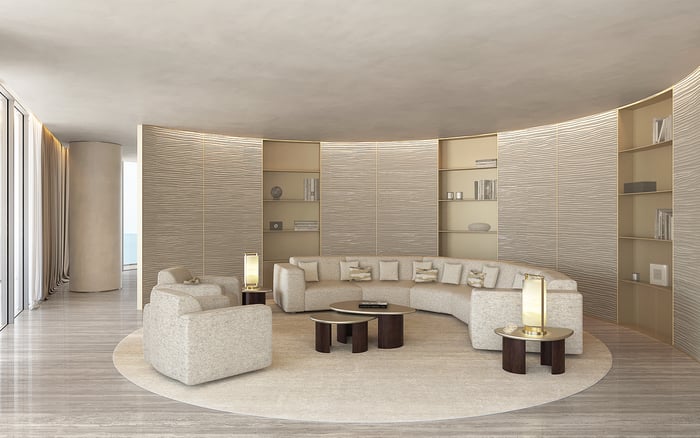
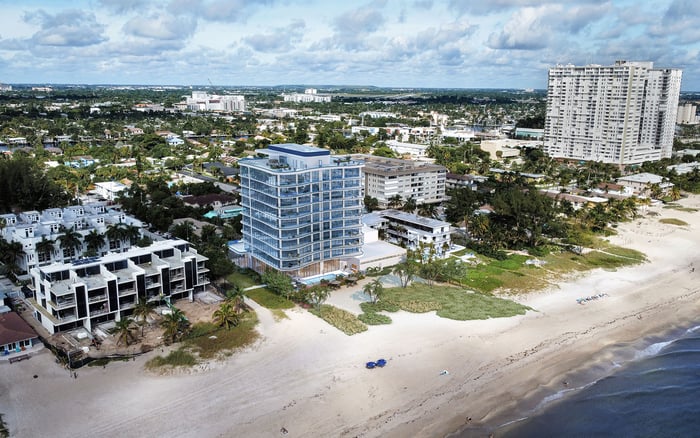
An exit-planning framework for Armani Casa Residences Pompano Beach, focused on resale timing, rental due diligence, and the depth of future buyer demand.
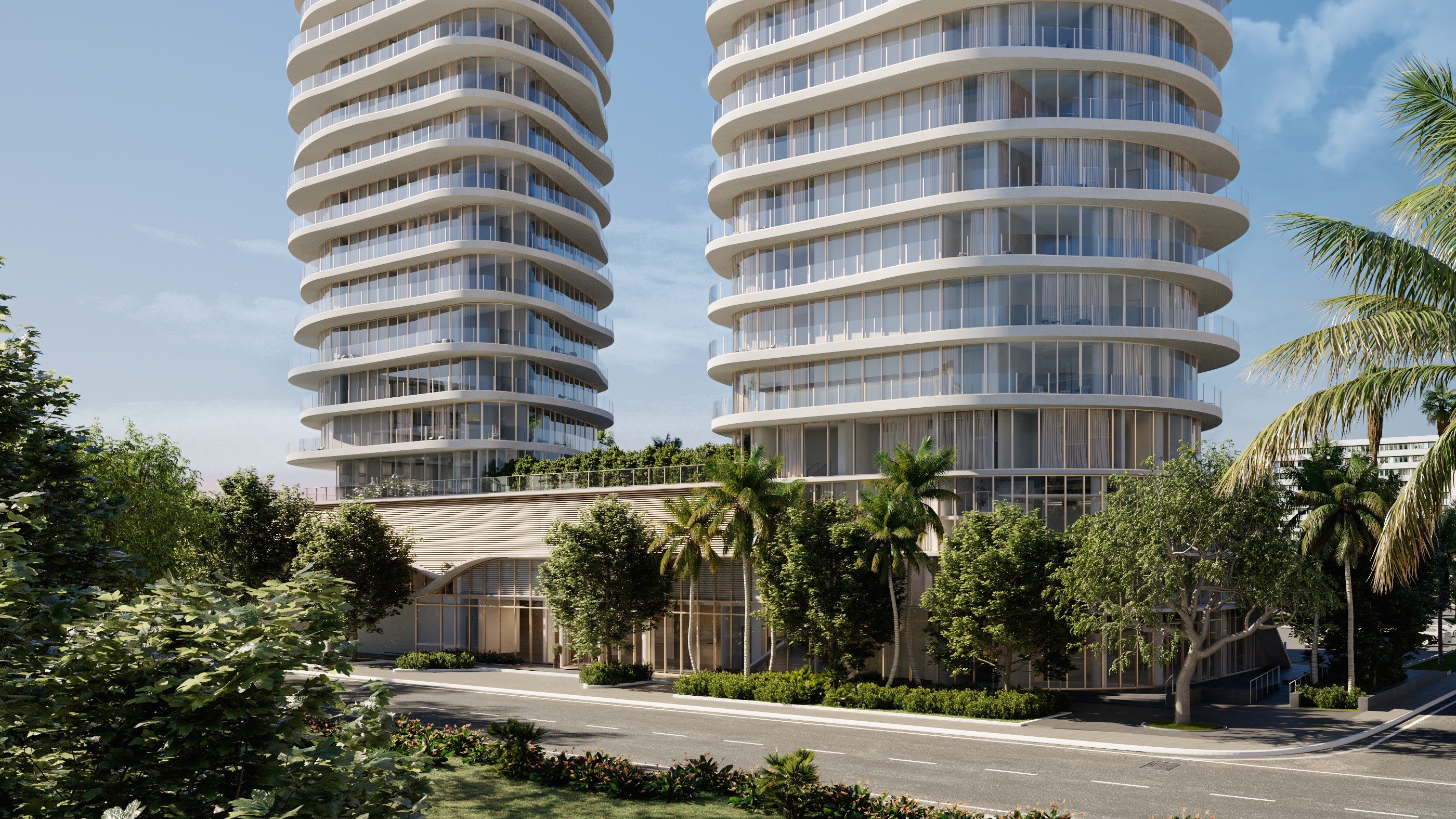
For a buyer considering Armani Casa Residences Pompano Beach, exit planning is not a defensive exercise reserved for resale. It belongs inside the original investment thesis. In the branded luxury category, the eventual buyer is not evaluating only square footage, view exposure, or proximity to the sand. The buyer is also measuring design identity, brand association, lifestyle credibility, and the confidence that a future resale audience will understand the asset quickly.
That matters because Armani Casa Residences Pompano Beach sits in Pompano Beach, a market with its own luxury trajectory, distinct from Miami, Fort Lauderdale, and Palm Beach. The exit question is therefore twofold: how durable is the project’s individual desirability, and how much deeper will the local buyer pool become as Pompano Beach continues to mature as an oceanfront luxury address?
The strongest underwriting lens is not one exit scenario, but three buyer motivations: lifestyle enjoyment, capital preservation or appreciation, and income optionality. A primary lifestyle buyer may place the greatest value on the Armani design language and beachfront experience. A second-home buyer may care about both personal use and future liquidity. A yield-oriented investor will scrutinize rent potential, carrying-cost management, and resale depth with greater intensity.
The first resale window is the pre-construction period. In this phase, the exit strategy depends heavily on what the purchase documents allow. Buyers should not assume assignment rights, transfer flexibility, or specific resale procedures without reviewing the contract, condominium documents, and any applicable sales policies. If flexibility exists, the pre-construction window can appeal to buyers who want optionality before closing. If it is limited, the buyer should be prepared to complete the purchase and think beyond the initial development cycle.
The second window arrives near completion and closing. This is often when buyer attention becomes more tangible because the residence, building, amenities, and surrounding streetscape are closer to being experienced rather than imagined. It can also be the point when carrying costs become real. A seller’s position in this period may be shaped by competing inventory, buyer urgency, and the quality of the specific residence within the stack.
The third window is post-stabilization ownership. This can be the most important period for branded assets. Once the building has established its resident profile, service culture, and reputation, the resale conversation becomes less theoretical. Buyers can evaluate how the building lives, how the brand is expressed, and how the market values the finished product relative to other luxury condominiums. For resale strategy, the post-stabilization period may offer the clearest narrative, provided the property remains desirable and the broader market cycle is supportive.
Rental flexibility should be treated as a due-diligence item, not an assumed benefit. Lease minimums, approval procedures, guest policies, and any limits on frequency or duration should be confirmed through the relevant project documents and condominium rules. The point is not merely whether a residence can be rented. The more refined question is whether the rental structure supports the buyer’s intended holding strategy.
For some owners, rental flexibility is a way to offset carrying costs during periods of non-use. For others, it is part of a broader income thesis. Future buyers may assign different value to that optionality. A lifestyle purchaser may see rental permission as useful but secondary. An investor may view it as central. A second-home user may want the comfort of income optionality without sacrificing the private, residential atmosphere that supports long-term value.
This is where branded residences require careful balance. Too much rental intensity can alter the character of a building; too little flexibility can narrow the investor audience. The ideal outcome for exit planning is not a generic promise of rental income. It is alignment between the building’s rules, the owner’s use pattern, and the profile of the future buyer.
The future buyer pool for Armani Casa Residences Pompano Beach is likely to be shaped by several groups: domestic luxury buyers, international buyers, second-home users, and yield-oriented investors. Each group reads risk differently. Domestic buyers may compare Pompano Beach against Fort Lauderdale, Miami Beach, Sunny Isles Beach, and Palm Beach. International buyers may focus on brand recognition and ease of understanding. Second-home users may prioritize lifestyle, access, and low-friction ownership. Investors may start with the rules, costs, and exit depth.
Pompano Beach is central to this story. The city’s luxury profile gives the project a different context than more established ultra-prime corridors. That distinction can be positive for buyers who believe in market evolution, but it also requires a disciplined exit framework. Liquidity will depend on both market-cycle timing and property-specific desirability.
Nearby branded and oceanfront projects create a useful comparison set without making Pompano Beach interchangeable with any other market. A buyer evaluating The Ritz-Carlton Residences® Pompano Beach, Waldorf Astoria Residences Pompano Beach, or W Pompano Beach Hotel & Residences is not only comparing finishes or amenities. The more important comparison may be the future depth of qualified buyers who want this specific stretch of Broward oceanfront.
Lifestyle buyers often purchase with a long emotional horizon. They want a residence that feels edited, private, and coherent. For them, the Armani association can be part of the value proposition because it communicates a recognizable design point of view. Their exit plan may be less urgent, but it should still exist. The best lifestyle purchase is one that can be enjoyed deeply while remaining legible to a future buyer.
Investor buyers approach the same asset differently. They may focus on rental flexibility, holding costs, resale timing, and buyer-pool breadth. They will ask whether the property can appeal beyond one narrow segment. A branded residence can help because brand identity may shorten the explanation required at resale. Yet the brand alone is not the exit. The residence still needs to be priced, presented, and timed correctly.
Some buyers will compare Armani Casa Residences Pompano Beach with established branded inventory farther south, including Armani Casa Sunny Isles Beach. That comparison should be handled with nuance. Sunny Isles Beach and Pompano Beach have different market histories, buyer habits, and competitive sets. For exit planning, the question is not which market is more famous. It is which buyer pool will value the specific combination of brand, location, rules, and lifestyle at the future sale date.
Before purchasing, buyers should ask how the residence will be positioned at each likely exit window. If selling before completion is important, the contract language matters. If selling after closing is more realistic, the buyer should understand how competing inventory may affect pricing power. If holding through stabilization is the plan, the buyer should consider whether the building’s identity is likely to strengthen once residents, services, and daily life are fully established.
Rental due diligence deserves equal attention. Buyers should confirm whether their intended use aligns with the building’s rules. They should model carrying costs without relying on optimistic rental assumptions. They should also think about how rental flexibility may affect future buyer interest. A residence that works for both personal enjoyment and income optionality may command a wider audience, but only if the building’s rules support that thesis.
Finally, buyers should separate market confidence from exit certainty. A strong branded concept can improve recognition. A compelling Pompano Beach location can support long-term interest. But liquidity is never automatic. The disciplined buyer plans the exit before the entry, then purchases the residence that best aligns lifestyle, capital strategy, and optionality.
Why does exit planning matter at Armani Casa Residences Pompano Beach? It helps buyers evaluate resale timing, rental flexibility, and future buyer demand before committing capital.
What are the main resale windows to consider? Buyers should think in three stages: pre-construction, near-completion or closing, and post-stabilization ownership.
Can buyers assume they will be able to resell before closing? No. Any transfer or assignment flexibility should be verified in the purchase documents and applicable project rules.
Why is rental flexibility important for exit value? It can affect carrying-cost management, investor appeal, and the size of the future buyer pool.
Should buyers assume short-term rental income is available? No. Lease terms, rental frequency, and approval procedures should be confirmed in the governing documents.
Who is the likely buyer pool for a future resale? The pool may include domestic luxury buyers, international buyers, second-home users, and yield-oriented investors.
How does the Armani brand affect resale strategy? Brand identity can help buyers understand the design and lifestyle proposition beyond basic size and location.
Is Pompano Beach different from Miami or Palm Beach for liquidity? Yes. Pompano Beach has its own buyer depth, luxury profile, and resale dynamics.
What should lifestyle buyers prioritize? They should prioritize personal enjoyment while still considering how clearly the residence will read to a future buyer.
What is the best way to shortlist comparable options for touring? Start with location fit, delivery status, and daily lifestyle priorities, then compare stacks and elevations to validate views and privacy.
For a tailored shortlist and next-step guidance, connect with MILLION.
If branded residences are on your mind — as a home or as an allocation — we would be glad to share what we are seeing, privately.
Begin a quiet conversation