For family buyers considering Hillsboro Beach condos and co-ops, SIRS, reserves and milestone inspections now sit beside view, floor plan and lifestyle as core purchase considerations.
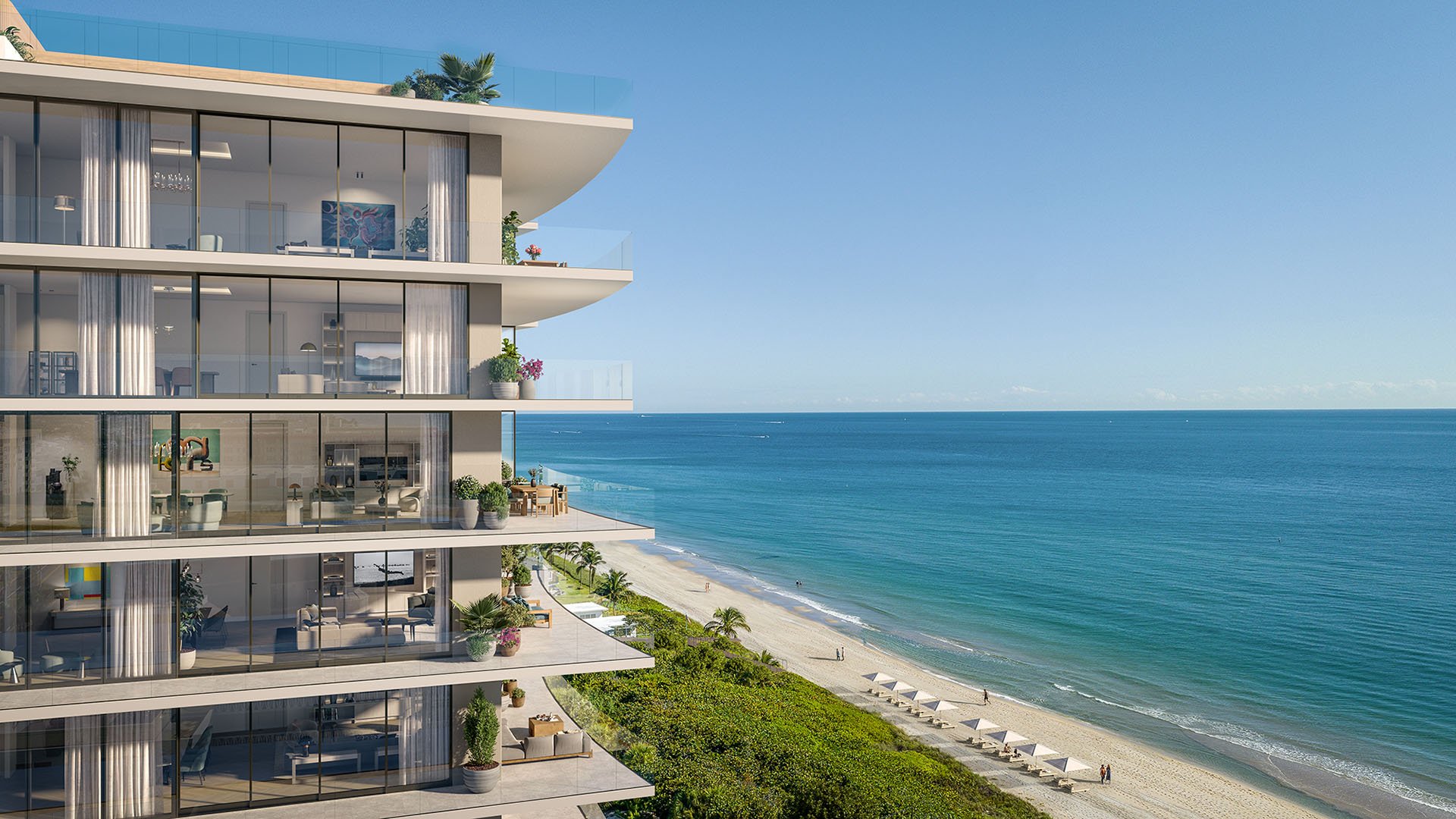
For families choosing Hillsboro Beach, the conversation has changed. A gracious floor plan, direct sand access, school logistics, privacy and service still matter, but they no longer stand alone. In Florida’s post-Surfside framework, the financial and structural health of a condominium or cooperative building is now central to the purchase decision, especially in a multi-story coastal property.
That does not make Hillsboro Beach less appealing. It makes the process more sophisticated. This is a narrow barrier-island market where Oceanfront and Waterfront living define the appeal, and where salt air, wind, moisture and building age demand a sharper reading of the documents behind the view. Families comparing established Resale buildings with New-construction alternatives should treat SIRS, reserves and milestone inspection status as part of the lifestyle package, not as an afterthought for lawyers to handle at the end.
A family buyer’s strongest building is often not the one with the lowest monthly maintenance. It is the one with transparent reports, realistic funding, credible repair timing and a board culture that treats structural maintenance as part of ownership discipline.
A Structural Integrity Reserve Study, often shortened to SIRS, is a reserve study focused on building-level structural integrity items for covered condominium buildings. It addresses major components such as the roof, structural elements, fireproofing and fire-protection systems, plumbing, electrical systems, waterproofing, exterior painting, windows, exterior doors and other qualifying components that support long-term building performance.
The visual inspection component must be performed or verified by a licensed engineer or architect. The study estimates remaining useful life, replacement or deferred-maintenance cost and required annual reserve funding. Covered associations must complete a SIRS at least every 10 years after the previous study, so this is not a one-time compliance exercise. It is a recurring capital-planning obligation.
For a family, the practical question is simple: does the building’s budget reflect the study’s reality? If a SIRS identifies near-term needs and the adopted budget does not appear to fund them sensibly, a low monthly fee may be more warning sign than bargain. Florida law also restricts owner votes that waive or reduce reserves for SIRS-covered items, and associations generally may not redirect reserves collected for those items to other purposes. That makes the reserve schedule a genuine window into future ownership costs.
Co-op buyers should be just as attentive. Cooperative associations are subject to parallel structural integrity reserve study and reserve-funding rules, so SIRS discipline is not only a condominium issue.
A milestone inspection is not the same as a SIRS, and it is not a substitute for a unit-level home inspection. For covered condominium and cooperative buildings that are three stories or higher, milestone inspections generally focus on building-level structural safety.
A covered building typically requires a milestone inspection when it reaches 30 years of age, then every 10 years afterward. Local enforcement agencies may require an earlier inspection at 25 years where salt water proximity or other environmental conditions justify it. That point is especially relevant on a barrier island, where coastal exposure is not theoretical.
Phase 1 is a visual examination by a Florida-licensed architect or engineer to determine whether substantial structural deterioration exists. If Phase 1 identifies such deterioration, Phase 2 may require destructive or nondestructive testing and must produce repair recommendations. A pending Phase 2 is not necessarily a reason to walk away, but it is a reason to slow down, understand the scope, ask how the work will be funded and determine whether assessments have already been approved.
Associations must share milestone inspection reports with local enforcement authorities and make results available to unit owners. Buyers should request the latest report, any repair plan that followed and related board discussions before treating a building as fully understood.
Hillsboro Beach sits in an environment where high winds, flood loads, erosion, wave action, moisture and corrosion can shape the long-term cost of ownership. Salt-laden air can accelerate corrosion of metal components and reinforcing steel, which is why balcony conditions, concrete restoration, waterproofing, exterior painting and building-envelope maintenance deserve careful review.
This is where luxury buyers sometimes make the wrong comparison. The relevant contrast is not simply one building’s maintenance fee against another’s. It is the relationship among building age, prior concrete restoration, the SIRS reserve schedule, milestone status, insurance pressure, permitting history and board willingness to fund work before it becomes disruptive.
Families considering Rosewood Residences Hillsboro Beach may be looking at the market through a different lens than those focused on older Resale inventory, but the discipline remains the same: understand what is built, what must be maintained and how the ownership group plans to pay for it. Buyers comparing nearby coastal options such as Armani Casa Residences Pompano Beach or Auberge Beach Residences & Spa Fort Lauderdale can use the same framework across Broward’s oceanfront corridor.
Before choosing a Hillsboro Beach building, families should ask for more than the standard application packet. The core review should include the SIRS, the latest milestone inspection report if applicable, the adopted budget, current financial statements, reserve schedules, special-assessment history and board minutes discussing structural repairs, waterproofing, balconies, concrete restoration or major mechanical systems.
The documents should be read together. A SIRS may show a rational funding path, but board minutes may reveal timing pressure. A milestone report may appear manageable, but the permit file may show work still open or awaiting inspection. A financial statement may look healthy until compared against the next cycle of roof, waterproofing or exterior-door needs.
Buyers should also verify local permitting and building-department records for completed or pending structural work rather than relying only on listing descriptions or seller summaries. If a Phase 2 inspection or structural repair project is pending, identify the estimated scope, timeline, funding source and whether assessments have already been approved. The question is not only “Is the building safe?” It is also “What will this family be asked to fund, and when?”
This is also why a Florida condo attorney, CPA and building engineer can be valuable when a large assessment, Phase 2 inspection or concrete-restoration project is involved. The most confident purchasers tend to be the ones who respect both design and documentation.
Families still buy Hillsboro Beach for quiet, sand, views and a more residential rhythm than larger urban beachfront markets. The goal is not to turn a home search into an engineering seminar. The goal is to know whether the building’s financial culture supports the lifestyle being promised.
A well-funded association with higher monthly assessments may offer more predictability than a building that has deferred funding to preserve a lower fee. A completed repair program with clear documentation may be preferable to vague assurances that work is “under discussion.” A building with open communication may be more attractive than one where reports exist but are difficult to interpret.
The same questions apply when families compare Hillsboro Beach with neighboring destinations. A buyer looking at 2000 Ocean Hallandale Beach or The Ritz-Carlton Residences® Pompano Beach may be weighing architecture, service, location and amenity design, yet the underlying due diligence remains consistent: milestone status, structural reserves, coastal maintenance and the credibility of future funding.
For families, the most elegant choice is the one that still feels elegant after the documents have been read.
What is a SIRS in a Florida condo purchase? It is a Structural Integrity Reserve Study that estimates remaining useful life, projected costs and reserve funding for key building components.
Do milestone inspections apply to every Hillsboro Beach condo? They generally apply to condominium and cooperative buildings that are three stories or higher and meet the age requirements.
When is a milestone inspection required? A covered building typically needs one at 30 years of age and every 10 years afterward, with possible earlier review at 25 years in certain coastal conditions.
Is a clean milestone inspection enough for a family buyer? No. It should be read with the SIRS, budget, financials, board minutes, permits and any repair history.
What does Phase 1 mean? Phase 1 is a visual review by a licensed architect or engineer to determine whether substantial structural deterioration exists.
What happens if Phase 2 is required? Phase 2 may involve more testing and must produce repair recommendations, so buyers should review scope, timing and funding.
Can low monthly maintenance be a risk signal? Yes. If major SIRS items are underfunded, a low fee may point to future assessments or budget pressure.
Do co-op buyers need to review SIRS issues? Yes. Cooperative associations are subject to parallel structural reserve and funding rules.
Should families still order a unit inspection? Yes. Milestone inspections are building-level reviews and do not replace a unit-level inspection.
Who should help review the documents? A Florida condo attorney, CPA and qualified building engineer can help evaluate legal, financial and structural implications.
For a discreet conversation and a curated building-by-building shortlist, connect with MILLION.
If branded residences are on your mind — as a home or as an allocation — we would be glad to share what we are seeing, privately.
Begin a quiet conversation