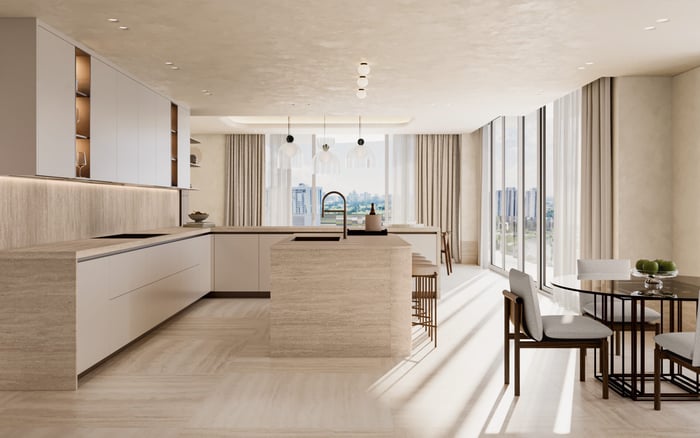
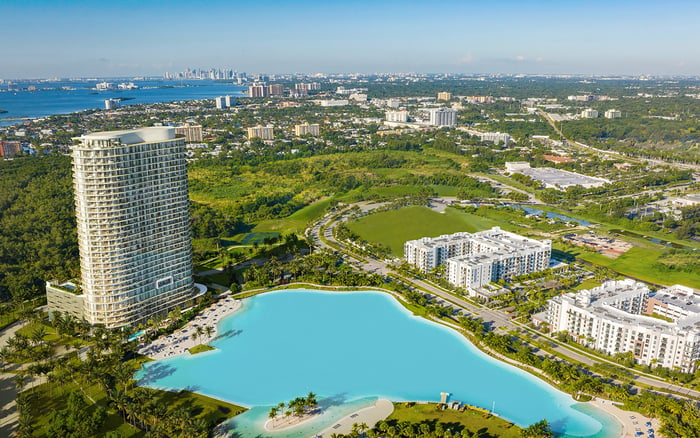
A buyer-focused look at how balcony-use rules at One Park Tower by Turnberry in North Miami may shape the lock-and-leave ownership experience inside SoLé Mia.
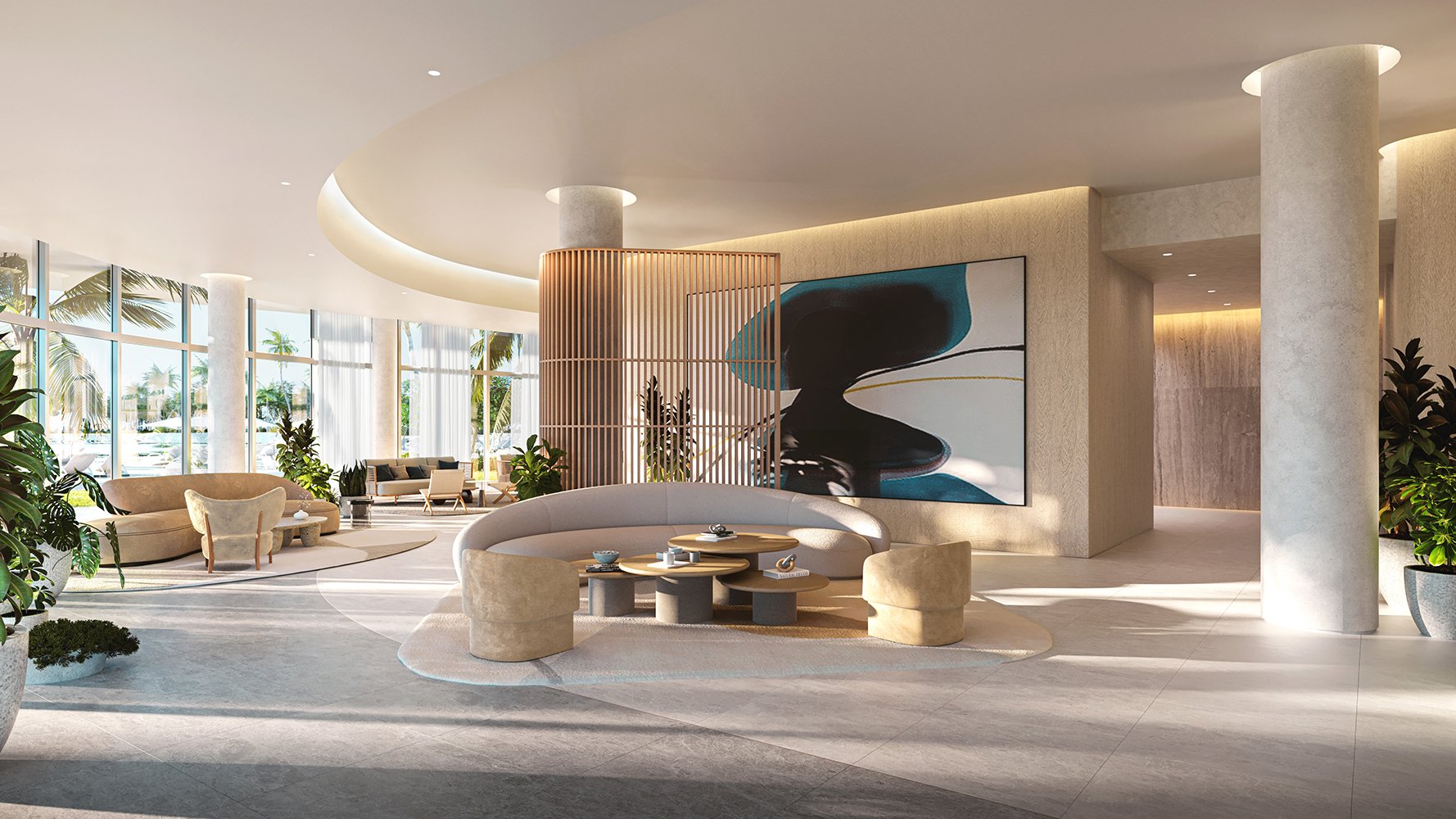
One Park Tower by Turnberry North Miami belongs to a category of luxury condominium ownership where the appeal extends beyond the residence itself to the life surrounding it. Set within the SoLé Mia master-planned community in North Miami, the project speaks to buyers seeking the ease of a managed environment, resort-style amenities, and a home that can be enjoyed seasonally or year-round without the obligations of a single-family property.
That convenience, however, raises an important question: how much freedom should an owner expect on the balcony? In South Florida, outdoor space carries real emotional weight. A balcony can serve as a morning coffee room, a sunset lounge, a private garden, or a dining terrace in the sky. Yet in a luxury tower, it is also part of the building’s visible exterior. It affects the façade, neighboring views, storm preparation, liability, and the overall tone of the community.
For buyers evaluating One Park Tower by Turnberry North Miami, the issue is unlikely to be whether balconies can be enjoyed. The more practical question is what kind of enjoyment is permitted, what must be removed during storm events, and how much personalization fits within the standards of a managed building.
SoLé Mia matters because it places the residence within a larger, amenity-rich environment. This is not a tower standing alone, where every owner’s private space can be considered in isolation. It is part of a master-planned setting where presentation, shared experience, and resort-level continuity carry value.
That context often leads buyers to view private outdoor space differently. A balcony may be deeded or assigned for private use, but it can still read visually as part of the collective architecture. Furniture profiles, planters, storage, lighting, umbrellas, and decorative objects can all alter the building’s appearance. In a curated luxury environment, those details are rarely treated casually.
The result is a tradeoff many high-end buyers understand. The same discipline that limits clutter and visual inconsistency can also preserve the polished character that supports resale expectations. For a buyer moving from Aventura, Sunny Isles, or a larger single-family home environment, the adjustment may be less about space than governance.
Before signing, buyers should review the condominium documents, association rules, and any design or use guidelines that apply to outdoor areas. Because specific balcony restrictions should not be assumed without those documents, diligence should focus on categories rather than rumors.
The first category is furniture. Buyers should confirm whether outdoor pieces must meet size, weight, color, material, or wind-resistance standards. The second is planting. Potted plants can soften a terrace, but planters may raise concerns about drainage, staining, weight, pests, and storm movement. The third is décor. Rugs, lanterns, sculptures, screens, and seasonal items can seem harmless until they affect façade uniformity or create safety concerns.
Storage is often the most revealing topic. A buyer who imagines keeping beach gear, boxes, sports equipment, or maintenance items outdoors may find that a luxury tower treats balconies as living areas, not storage rooms. Lighting and sound should also be examined, particularly for owners who plan to entertain outdoors.
Finally, storm procedure is essential in South Florida. Balcony rules can require owners to secure or remove loose items ahead of severe weather. For seasonal residents, this is where the lock-and-leave promise becomes operational rather than aesthetic.
The phrase lock-and-leave is often used as shorthand for reduced responsibility, but it is not the same as no responsibility. A condominium can simplify ownership because building management, shared maintenance, and community rules reduce the number of decisions an owner must personally supervise.
For a second-home buyer, an international owner, or someone who spends part of the year elsewhere, balcony standards can be protective. Clear rules reduce the likelihood that a neighbor’s loose furniture becomes a storm hazard. They help avoid disputes over décor, visibility, water runoff, and noise. They can also support insurance and risk-management expectations by creating a framework for safe exterior use.
This is where restrictions can become an amenity in disguise. The buyer who wants to arrive, unpack, and enjoy the property may benefit from a building culture that does not allow balconies to become improvised storage areas or highly individualized displays. The convenience is not merely that the owner has less to maintain. It is that everyone else is held to a similar standard.
Not every luxury buyer wants the same version of ease. Some want a managed tower because they dislike maintenance, but still expect a private outdoor room with substantial personal expression. That expectation should be tested carefully.
If a buyer envisions layered greenery, statement furniture, decorative screens, custom lighting, or frequent outdoor entertaining, balcony policy becomes central to fit. A new-construction condominium with a curated identity may offer refinement and simplicity, but it may also limit the improvisation that feels natural in a detached home. The question is not whether that is good or bad. The question is whether it matches the buyer’s lifestyle.
This is especially important in South Florida, where outdoor living is part of the luxury proposition. A residence may deliver beautiful private exterior space, but that space still exists within a vertical community. The more visible the balcony, the more likely it is to be governed as part of the building’s overall presentation.
Balcony rules do more than shape daily use. They can influence how future buyers perceive the building. A tower with consistent exterior standards may photograph better, show better, and maintain a more composed arrival impression. That matters in the ultra-premium segment, where buyers often judge a property before they ever enter the unit.
At the same time, overly restrictive rules can narrow the audience if buyers feel the outdoor space cannot support their preferred lifestyle. The strongest ownership match is usually found when the buyer understands the rules early and values the purpose behind them.
For One Park Tower by Turnberry North Miami, the due-diligence conversation should therefore include the balcony as a core lifestyle element. Ask how the association handles approvals, what happens before storms, whether seasonal owners need local support, and how violations are managed. These answers can reveal whether the lock-and-leave experience is truly effortless or simply more structured than expected.
Are balcony-use rules unusual in luxury condominiums? No. In high-end towers, balcony standards are commonly part of maintaining safety, appearance, and neighbor comfort.
Does lock-and-leave ownership mean no balcony responsibilities? Not necessarily. Owners may still need to follow storm procedures, décor limits, and maintenance expectations for outdoor areas.
Should buyers assume all outdoor furniture is allowed? No. Buyers should verify permitted furniture types, dimensions, materials, and any wind-related requirements before purchasing.
Can planters be an issue on a condominium balcony? Yes. Planters may raise concerns involving weight, drainage, staining, pests, and hurricane preparation.
Why does façade consistency matter to owners? A consistent exterior can support the building’s luxury image, reduce visual clutter, and help preserve resale appeal.
Are balconies considered private space or building exterior? They may be privately used, but in a luxury tower they are often governed because they remain visible from the exterior.
What should seasonal owners ask about storm preparation? They should ask who is responsible for removing or securing balcony items and what happens if they are away.
Can balcony rules reduce neighbor disputes? Yes. Clear standards can limit conflicts over storage, noise, décor, drainage, and objects that affect adjoining residences.
Is One Park Tower by Turnberry North Miami best suited only to minimalists? No. The better question is whether a buyer values managed convenience enough to accept structured outdoor-use standards.
When should balcony rules be reviewed? They should be reviewed before contract commitment, ideally alongside all condominium documents and association policies.
When you're ready to tour or underwrite the options, connect with MILLION.
If branded residences are on your mind — as a home or as an allocation — we would be glad to share what we are seeing, privately.
Begin a quiet conversation