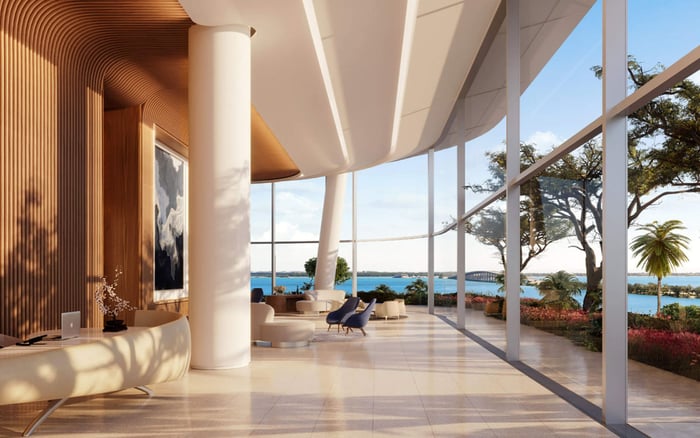
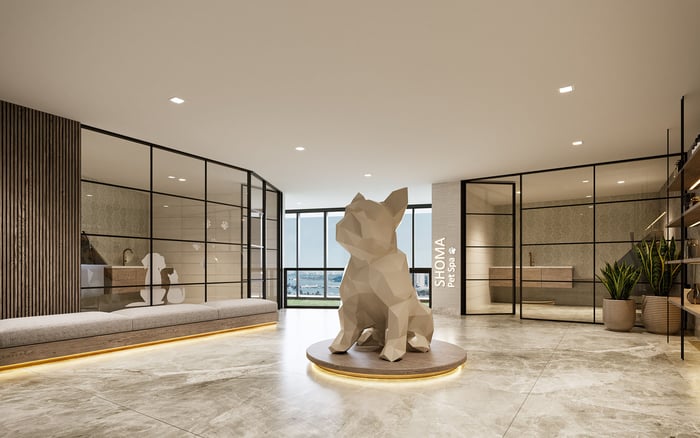
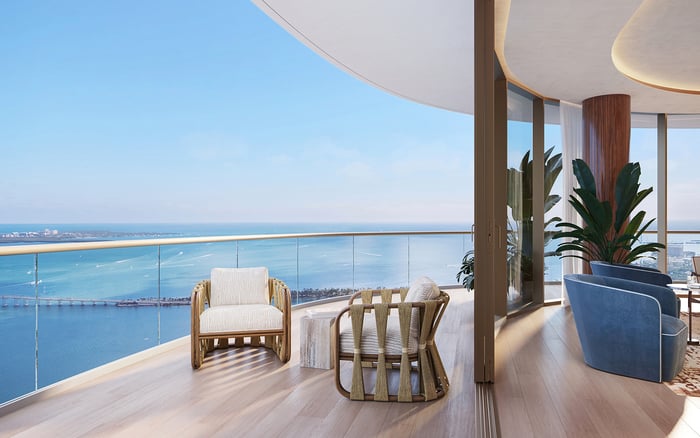
A discreet due diligence guide for cash buyers evaluating privacy, light, view corridors, construction risk, and resale sensitivity near adjacent towers in South Florida.
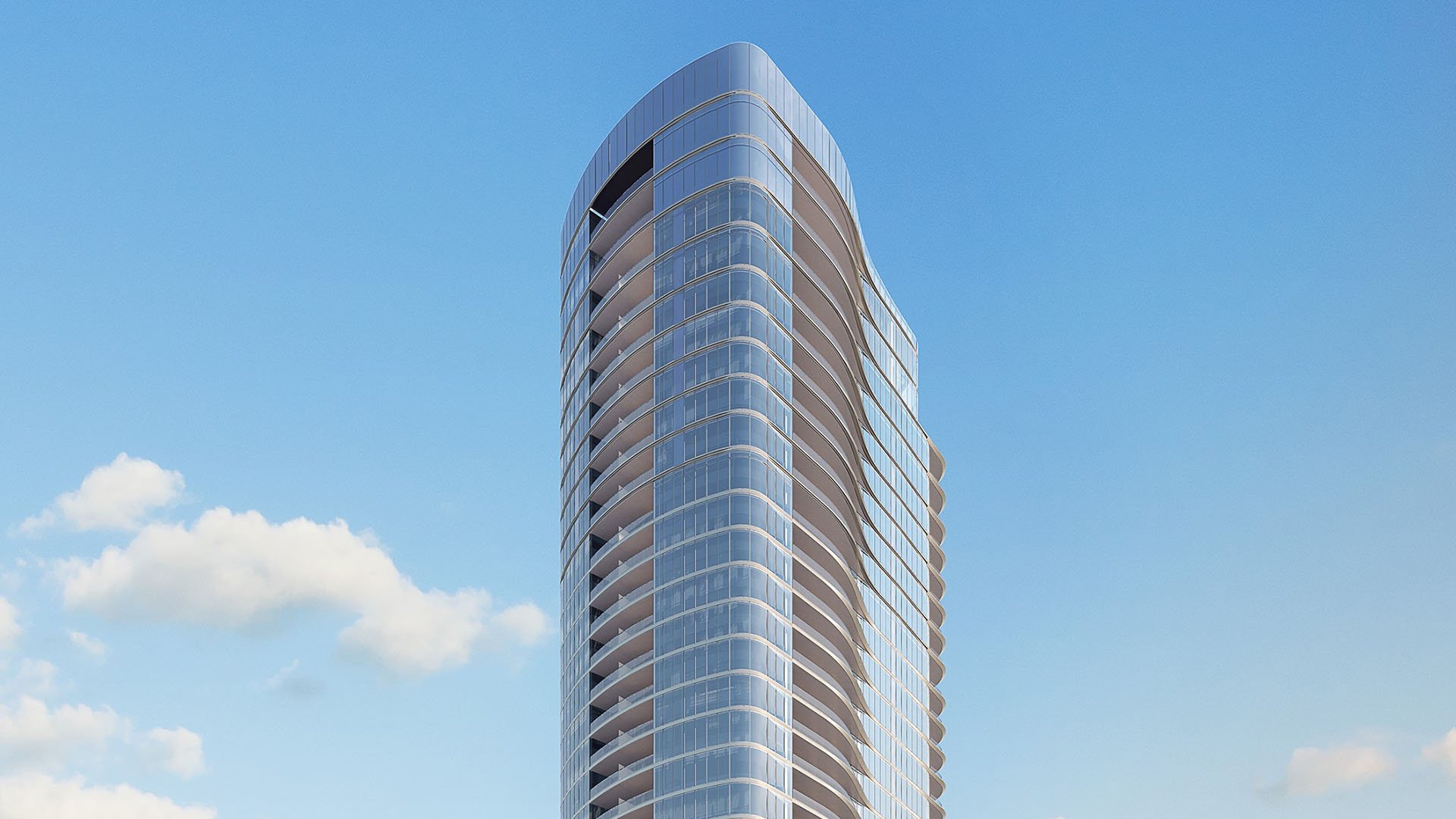
Cash has a particular elegance in South Florida luxury real estate. It removes lender friction, strengthens negotiating posture, and often compresses the path from signed contract to closing. Yet the absence of financing does not make a residence immune from physical, visual, or lifestyle risk. For buyers considering a condominium, branded residence, or tower-adjacent home, neighbor-tower exposure remains one of the most important variables to verify before funds are wired.
Exposure is not simply a question of whether another building is nearby. It is the relationship between two built forms: where windows align, how terraces face one another, how morning and afternoon light moves, how reflective glass behaves, and whether a view feels expansive or observed. In Brickell, Miami Beach, Sunny Isles, and other vertical enclaves, a premium address can still deliver very different experiences from one stack, line, or elevation to another.
A cash buyer may be tempted to treat speed as the advantage. The more refined approach is to use speed selectively while preserving discipline around visibility, privacy, and future adjacency. In the ultra-premium market, what feels like a subtle difference at showing time can become a daily living condition after closing.
The most obvious exposure question is view preservation. A buyer should confirm what can be seen today, what sits directly across the way, and what may be visible from the primary rooms, terrace, kitchen, bath, and bedrooms. The mistake is evaluating the view only from the living room at one time of day.
True sightline review means standing at multiple points in the residence. A water-facing living area may feel open, while a primary suite, secondary bedroom, or outdoor dining terrace may face directly into another tower. This distinction matters for households that entertain, work from home, host guests, or value discretion.
Water view is also not a single category. Some homes offer a broad, cinematic panorama. Others offer a framed corridor between neighboring structures. Both may be desirable, but they should be priced and understood differently. Cash buyers should ask whether the view is dominant, partial, angled, seasonal, or dependent on standing in a particular part of the room.
Daytime showings can flatter a residence. Bright sun, open curtains, and staged interiors create a sense of calm. Neighbor-tower exposure often becomes more legible after dusk, when interior lights turn on and reflective glass changes character. If possible, buyers should return in the evening or request current visual documentation from comparable times of day.
The question is not only what the buyer can see, but who can see the buyer. Floor-to-ceiling glass, deep terraces, and open-plan layouts are signatures of South Florida luxury, yet they also heighten the importance of privacy mapping. A residence may feel private when shades are down, but a buyer should understand how much daily shade use will be required to preserve that feeling.
Window treatments can solve some issues, but they are not a substitute for verifying the underlying condition. Motorized shades, privacy glass, landscape screening, and furniture placement may soften exposure. They do not change the orientation of the building or the alignment of neighboring windows.
High-floors often command attention because they can deliver longer horizons, stronger light, and a sense of elevation. Still, they are not automatically free from neighbor-tower exposure. A nearby building of similar height can create direct face-to-face conditions even high above the street. Mechanical levels, rooftop amenities, and upper-floor terraces in adjacent towers can also affect how private a home feels.
Low-floors require a different lens. They may benefit from easier visual connection to landscape, water, pool decks, or neighborhood texture, but they can also sit closer to amenity noise, garage entries, retail edges, or neighboring podiums. A cash buyer should review not just the unit floor, but the exact relationship between that floor and the adjacent building’s active areas.
The stack is equally important. Two residences in the same tower, at similar prices, can have radically different exposure profiles if one line angles toward open space and another faces a neighbor’s glass wall. In luxury due diligence, the line can matter as much as the floor.
The most elegant view today can be the most vulnerable if it depends on an undeveloped parcel, low-rise structure, surface parking area, or underbuilt site next door. Cash buyers should ask what exists nearby, what could be built nearby, and whether any future vertical massing could alter light, privacy, or outlook.
This does not require pessimism. It requires scenario thinking. If a neighboring parcel were improved, which rooms would be affected first? Would the living room retain openness while bedrooms become more exposed? Would the terrace still feel usable? Would a future tower change the character of the home from resort-like to urban?
For second-home buyers, this is especially important because the residence may be occupied during peak leisure periods. A tower that feels serene during a brief inspection can become less restful if future construction affects arrival, pool time, terrace use, or the daily ritual of opening shades.
Neighbor-tower exposure is not purely visual. Buildings shape microclimates. A narrow gap between towers can affect wind on a terrace. Nearby amenity decks can create recurring sound at certain hours. Reflective glass can intensify glare at particular times of day. These conditions can be difficult to understand during a single midday visit.
Buyers should observe the terrace, bedrooms, and quiet rooms with doors both open and closed. They should consider where service areas, loading zones, pool decks, outdoor lounges, and mechanical equipment sit in relation to the residence. In a market where outdoor living is central to value, the terrace must be evaluated as a room, not as a photograph.
For homes marketed around serenity, silence is part of the luxury. The most sophisticated buyers do not assume quiet because finishes are beautiful. They verify how the residence performs in its actual vertical context.
Cash buyers often focus on certainty of acquisition. They should also think about future liquidity. Neighbor-tower exposure can affect how easily a residence is explained to the next buyer. A direct-facing bedroom, compromised terrace, or uncertain view corridor may not prevent resale, but it can narrow the audience or invite sharper negotiation.
The best exposure profiles are simple to understand: open water, protected garden, broad skyline, or generous separation. More complex profiles require careful storytelling and may depend on price, design, floor height, and buyer priorities. A collector of urban energy may welcome a dynamic city outlook. A privacy-driven family may reject the same condition.
Investment logic should be equally measured. In long-term rentals or seasonal use, privacy and light still influence desirability. A residence that photographs well but lives exposed may receive different feedback once occupants experience daily routines.
A cash buyer should request floor plans, site plans where available, survey context, view photography, and direct walk-throughs at more than one time of day when feasible. They should compare the residence’s orientation with neighboring structures and ask precise questions about adjacent parcels, planned improvements, and building amenities across the way.
During inspection, the buyer should stand where life actually happens: beside the bed, at the vanity, at the kitchen island, at the dining table, and on the terrace seating area. If privacy requires shades in every important room, that should be a conscious choice, not a post-closing discovery.
The final discipline is documentation. Before closing, buyers should memorialize what they believe they are purchasing: view category, exposure condition, privacy expectations, known adjacent structures, and any assumptions about future change. Cash can move quickly, but clarity should move with it.
Why does neighbor-tower exposure matter for a cash buyer? Cash removes financing delays, but it does not remove lifestyle, privacy, or resale risk. Exposure should be verified before closing.
Is a high floor always better for privacy? Not always. High-floors can still face neighboring residences, rooftops, or amenity levels in nearby towers.
Are low-floors automatically less desirable? No. Low-floors can offer appealing landscape or neighborhood connection, but they require careful review of podiums, noise, and privacy.
What is the best time to evaluate exposure? Buyers should try to review the residence in daylight and again after dusk. Evening conditions often reveal privacy issues more clearly.
Can window treatments solve neighbor exposure? They can improve comfort, but they do not change the building relationship. Buyers should value the home based on its true condition.
How should a buyer think about water view? Water view should be evaluated by width, angle, permanence, and how it appears from daily living areas, not only from one staged viewpoint.
What should Brickell buyers verify? Brickell buyers should pay close attention to tower spacing, glass alignment, and the possibility that nearby parcels may evolve over time.
What should Miami Beach buyers consider? Miami Beach buyers should examine terrace privacy, light, and the relationship between resort-style amenities and neighboring residences.
What should Sunny Isles buyers review carefully? Sunny Isles buyers should study tower-to-tower orientation, balcony exposure, and whether the primary rooms preserve the intended outlook.
Should exposure affect the offer price? Yes, if it changes privacy, light, view quality, or future resale appeal. The adjustment should reflect how the home actually lives.
To compare the best-fit options with clarity, connect with MILLION.
If branded residences are on your mind — as a home or as an allocation — we would be glad to share what we are seeing, privately.
Begin a quiet conversation