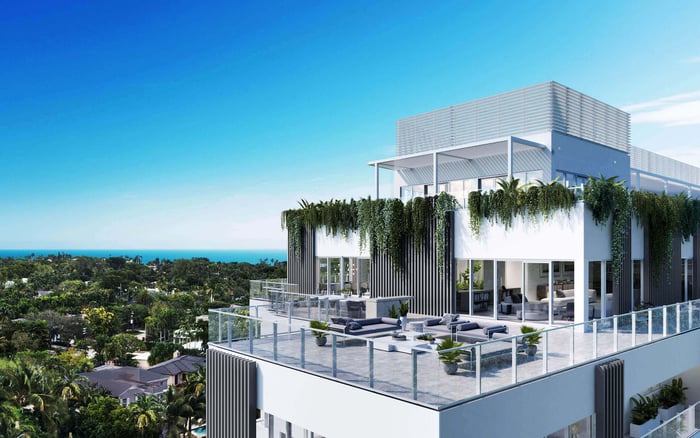
A buyer-focused guide to evaluating amenity-floor adjacency at The Ritz-Carlton Residences® Miami Beach before contract, with emphasis on privacy, sound, circulation, lifestyle fit, and resale perception.
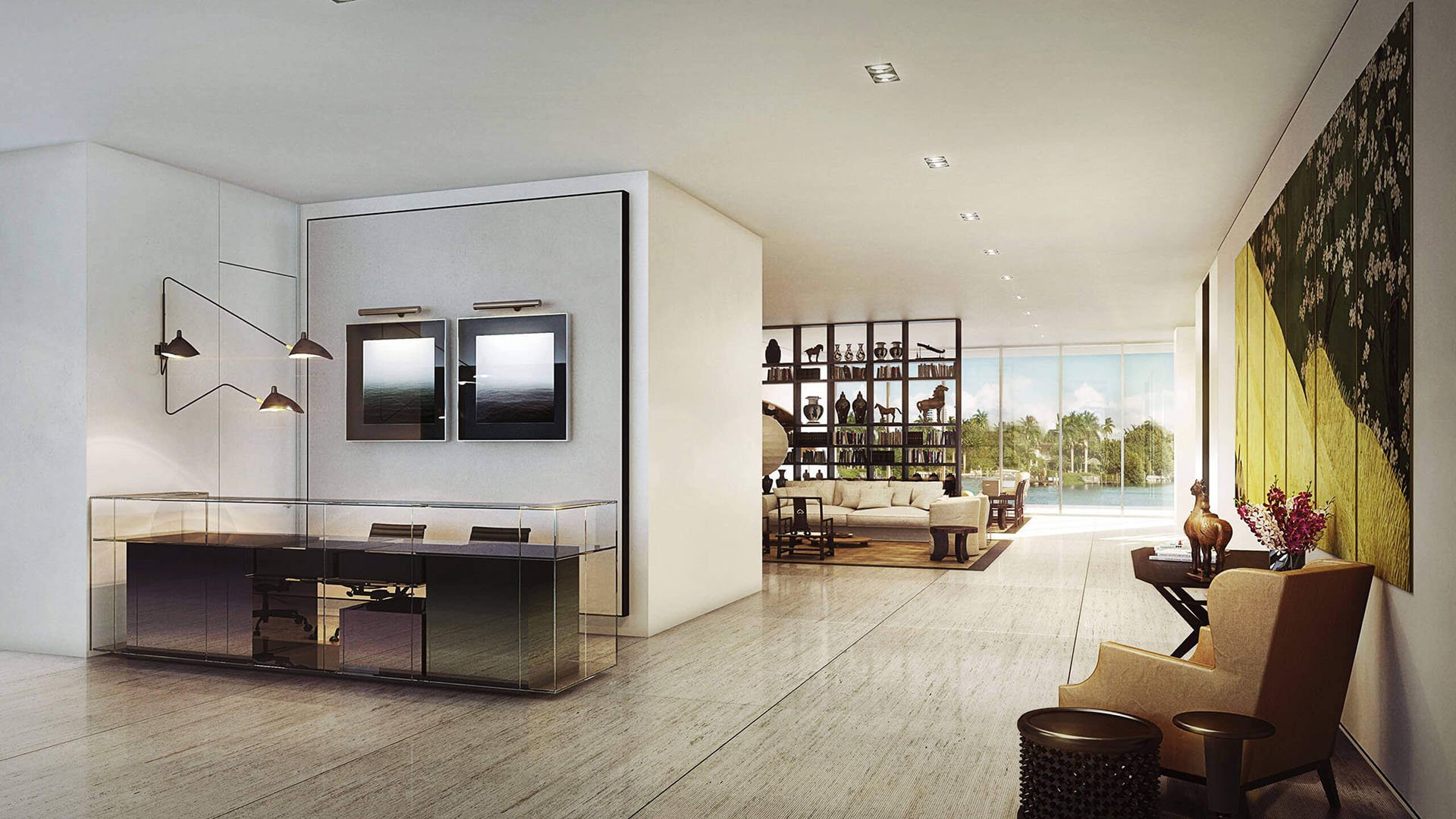
At The Ritz-Carlton Residences® Miami Beach, amenities and service are not peripheral benefits. They are central to the ownership proposition, shaping the property from arrival through daily routine. That is precisely why a buyer should study amenity-floor adjacency with the same discipline applied to views, exposure, finishes, and parking.
The question is not simply whether a residence is near the pool, spa, lounge, or fitness area. The more important question is how that proximity behaves at 7 a.m., 3 p.m., and after dinner. A residence can feel serene during a quiet sales tour and materially different during peak amenity use. In a branded waterfront setting, convenience and exposure can sit very close together.
For the Miami Beach buyer comparing residences, the best approach is to translate lifestyle language into technical due diligence. “Steps from the pool” may mean privileged access for an owner who wants resort-style immediacy. It may also mean more voices, more footsteps, more light, and a more active corridor for a buyer who values retreat.
Before contract, request the amenity plan, floor stacking diagram, and unit line location. The goal is to understand what sits above, below, beside, and across from the residence. Amenity adjacency is both vertical and horizontal, and either condition can affect daily livability.
Vertical adjacency includes a residence directly above or below a pool deck, lounge, spa, fitness space, food-and-beverage area, service zone, or mechanical room. The concerns are not limited to audible sound. Buyers should consider vibration, furniture movement, music, fitness equipment, early staff preparation, and late cleanup patterns.
Horizontal adjacency is just as important. A residence may share a corridor with an amenity entrance, border a service passage, face a deck, or sit across from a high-traffic elevator path. In some cases, the issue is not noise through the walls, but the repeated presence of residents, guests, staff, and vendors moving near the private threshold.
A good review produces a simple adjacency map: above, below, beside, across, visible from, audible from, and accessed through. If any box is uncertain, it should be clarified before deadlines expire.
Pool proximity is often marketed as a lifestyle advantage, and for many owners it is. Immediate access can feel effortless, especially for a second-home resident who wants a resort rhythm without navigating long interior routes. Yet pool adjacency also requires a careful reading of hours, furniture placement, towel service, music policies, and the likely concentration of guests during weekends or holidays.
Lounge and food-and-beverage areas require a different lens. They may generate conversation, glassware, staff movement, aromas, evening lighting, and periodic event use. A residence facing or bordering these spaces should be evaluated for privacy from seating areas and circulation paths, not just distance on a plan.
Fitness and spa areas are often quieter in tone, but they can create early-morning activity, equipment vibration, door movement, and recurring staff operations. Buyers should ask what rooms share walls, what mechanical systems support those spaces, and whether exhaust pathways or service corridors run near the residence.
Beach-access convenience may be a meaningful part of the waterfront lifestyle, but the most desirable access points can also concentrate movement. A residence near the path to the water, pool deck, or amenity terrace should be studied for foot traffic as carefully as view.
A buyer should evaluate any unit overlooking or bordering high-use amenity areas during likely peak periods, not only during calm tour windows. The practical experience of an amenity-facing residence is revealed when the building is active: residents gathering, staff circulating, loungers being moved, doors opening, and outdoor voices carrying across water or hard surfaces.
Waterfront amenity programming can enhance views and create a powerful sense of place. It can also increase exposure to outdoor activity, music, voices, and movement. Sound behaves differently across open decks, water, glass, and concrete, so an attractive sightline may come with an acoustic profile that deserves attention.
Light spill is another subtle factor. Evening lighting from decks, lounges, corridors, and landscape features can affect bedrooms, terraces, and living areas. View intrusion also matters. If amenity users can see into a terrace or interior space, the residence may require more shading, screening, or behavioral compromise than expected.
Amenity adjacency becomes more complex when shared spaces can host private events. Buyers should ask whether amenity areas may be reserved, what the permitted hours are, whether music is allowed, how guest access is managed, and what authority the board has over future amenity operations.
The buyer’s attorney should review the condominium documents, rules, hours of operation, reservation rights, event policies, and governance language before contract deadlines expire. This review is not a formality. A quiet amenity today can become a more active one if the governing framework allows different operating patterns later.
Rules also influence resale confidence. Future buyers will ask the same questions about privacy, noise, and control. A residence with clear protections and well-defined operations may be easier to explain than one dependent on informal assurances.
The most visible amenities are not always the most important adjacency risks. Back-of-house spaces can affect nearby residences even when they do not appear prominently in marketing presentations. Service corridors, deliveries, trash handling, staff movement, storage rooms, mechanical equipment, and exhaust routes can all influence comfort.
A consultant team should review acoustic assemblies, slab separation, wall construction, mechanical equipment locations, and exhaust pathways when a unit is close to amenity or service zones. New-construction expectations often assume modern performance, but the buyer still needs to understand the specific condition of the selected line and floor.
The aim is not to eliminate every adjacency. In a fully serviced residential environment, proximity to staff and amenities is part of the model. The aim is to distinguish welcome convenience from avoidable exposure.
Resale is where amenity adjacency becomes subjective. One buyer may value immediate access to the deck, wellness space, or lounge. Another may discount the same feature because it suggests noise, traffic, or reduced privacy. The same physical location can be priced as a convenience premium or a nuisance discount depending on the next buyer’s lifestyle.
Full-time residents are often more sensitive to repeated daily amenity patterns. Occasional users may prioritize social energy, resort-style access, and the ease of arriving for a long weekend. Neither perspective is inherently right. The right answer depends on how the owner will use the residence and how easily the adjacency can be explained to future buyers.
Units buffered from high-activity amenity areas may appeal to privacy-oriented buyers. Units close to amenities may appeal to owners who want immediacy and connection. Within the broader South Florida branded-residence market, buyers may ask similar privacy and circulation questions at properties such as The Ritz-Carlton Residences® Pompano Beach, but the contract-period task in Miami Beach is to identify which profile the selected residence truly serves.
A disciplined buyer should enter contract review with a short list of non-negotiable questions. What is directly above and below the residence? What shares its walls or corridor? Which amenity spaces are visible from the terrace or primary rooms? What are the hours of use, and can those hours change? Can spaces be reserved for private events? Where do staff, deliveries, trash, and mechanical systems move?
The buyer should also ask when activity is most intense. Morning fitness traffic, afternoon pool use, evening lounge activity, and weekend guest movement can create different profiles. If the residence is near more than one amenity or service function, the combined effect matters more than any single item.
The most refined purchase decisions are not driven by fear of adjacency. They are driven by clarity. Once the buyer understands sound transfer, vibration, odors, light spill, view intrusion, circulation, rules, and resale perception, proximity can be priced intelligently.
Why does amenity-floor adjacency matter before contract? It can affect privacy, sound, convenience, circulation, and future resale perception. These issues are easiest to evaluate before contractual deadlines pass.
What is vertical adjacency? Vertical adjacency means the residence is above or below an amenity, service, or mechanical area. Buyers should consider sound, vibration, and operating patterns.
What is horizontal adjacency? Horizontal adjacency means the residence shares a wall, corridor, entrance path, or sightline with an amenity or service space. It can influence privacy and traffic.
Is being close to the pool always a negative? No. Pool proximity can be a lifestyle advantage for buyers who value immediate resort-style access, but it should be tested for activity and noise.
When should a buyer tour an amenity-adjacent residence? The residence should be evaluated during likely peak-use periods when possible. Quiet tour hours may not reveal the practical daily experience.
Which documents should the buyer’s attorney review? The attorney should review condominium documents, amenity rules, hours, reservation rights, event policies, and board authority over operations.
Do private events matter for adjacent residences? Yes. Event permissions can change sound, guest traffic, staffing, lighting, and evening activity around a residence.
Why are service areas important? Service corridors, deliveries, trash handling, staff circulation, mechanical rooms, and exhaust routes can affect residences even when hidden from view.
Can amenity adjacency affect resale? Yes. Future buyers may see the same proximity as privileged convenience or as exposure to nuisance, depending on their lifestyle.
What is the best way to evaluate a specific unit? Request the amenity plan, stacking diagram, and unit line location, then review what sits above, below, beside, and across from the residence.
If you'd like a private walkthrough and a curated shortlist, connect with MILLION.
If branded residences are on your mind — as a home or as an allocation — we would be glad to share what we are seeing, privately.
Begin a quiet conversation