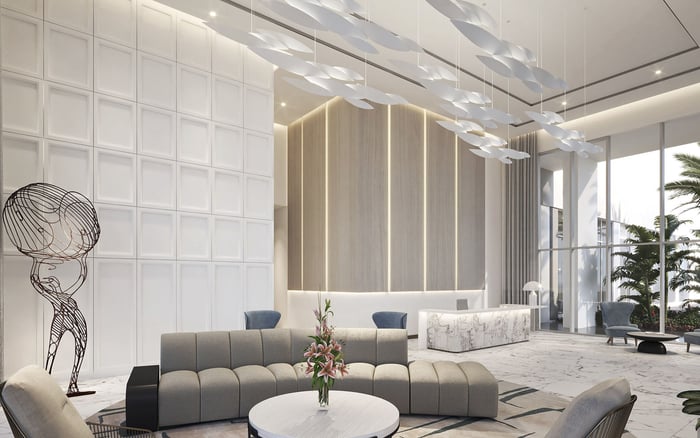
A practical buyer’s guide to full-time ownership at The Ritz-Carlton Residences® Sunny Isles and St. Regis® Residences Bahia Mar Fort Lauderdale, focused on floorplate privacy, neighbor exposure, glass-wall comfort, and the questions buyers should ask before choosing a branded South Florida residence.
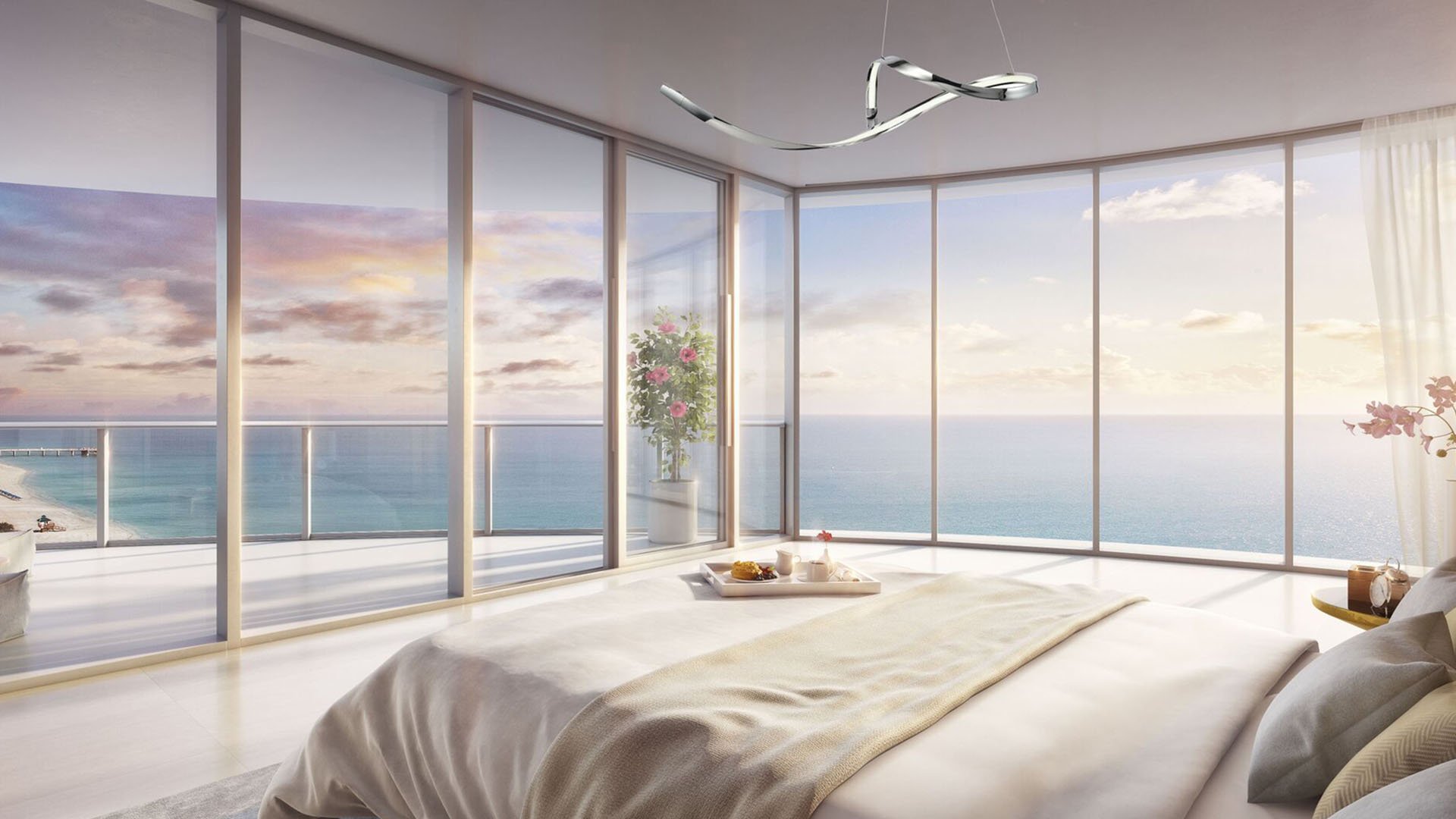
The choice between The Ritz-Carlton Residences® Sunny Isles and St. Regis® Residences Bahia Mar Fort Lauderdale should not begin with the crest on the door, the polish of the lobby, or the romance of a coastal address. For full-time owners, the more revealing questions are quieter and more practical: who shares the elevator threshold, what can be seen through the glass at night, how the home feels at noon in August, and whether the floorplate supports private daily life rather than simply impressive entertaining.
South Florida’s most desirable branded residences often promise a resort-caliber atmosphere, but living there year-round is different from arriving for a winter week. A full-time owner experiences the building through school-season traffic, summer heat, storm watches, guest arrivals, staff movements, and ordinary weekday routines. That is where whole-floor privacy, neighbor exposure, and glass-wall comfort become central to value.
In Sunny Isles, the conversation is naturally oceanfront, vertical, and visually open. At Bahia Mar, the discussion includes Broward waterfront living, marina activity, and a more layered public realm. Both settings can be compelling. The right choice depends on how the residence manages the boundary between spectacle and seclusion.
For The Ritz-Carlton Residences® Sunny Isles, buyers should look closely at how many residences share a floor and how the elevator experience is organized. The most luxurious arrival is not only a matter of stone, lighting, or ceiling height. It is the ability to step from elevator to home without unnecessary hallway traffic, repeated neighbor encounters, or the sense that multiple front doors are competing for the same private zone.
If a residence is marketed as whole-floor, semi-whole-floor, or otherwise low-density on a given level, the claim deserves careful translation into lived experience. Does the elevator open into a private vestibule, a semi-private lobby, or a shared corridor? Can service, deliveries, guests, and household staff move without crossing the primary family threshold? Does the front door feel like an extension of the residence or part of the building’s circulation system?
These questions matter even more for owners who entertain often, keep irregular schedules, or value discretion during everyday departures and arrivals. A residence can have exceptional views and refined finishes, yet still feel socially exposed if the elevator lobby functions as a shared waiting room.
The Ritz-Carlton Residences® Sunny Isles should be evaluated as a year-round glass-tower home, not simply as a branded beachfront acquisition. Floor-to-ceiling glass is part of the allure, framing water, sky, and city light. It also creates a daily relationship with neighboring towers, beach movement, pool decks, terraces, and the changing angle of the sun.
The key issue is not whether glass is beautiful. It is where the glass faces and what faces back. Buyers should stand in the primary bedroom, bathroom, kitchen, and main living room at different times of day and ask how visible life inside the residence may become after sunset. Lighting turns glass into a stage if window treatments, setbacks, and view corridors are not carefully considered.
Balcony depth can also change the feeling of exposure. A deeper outdoor edge may create a stronger buffer from the vertical plane of glass, while a shallower terrace may leave interior spaces feeling more directly presented to surrounding sightlines. Buyers should compare daytime privacy with nighttime privacy, because the two can feel entirely different.
St. Regis® Residences
Bahia Mar Fort Lauderdale adds a different privacy equation. As a planned branded-residence development at Bahia Mar, it should be assessed through its floorplate design, elevator arrangement, and relationship to the surrounding waterfront environment. The St. Regis name may set expectations for service and refinement, but full-time comfort depends on how the residence separates private life from neighboring homes and nearby activity.
At Bahia Mar, buyers should study how elevators open, how many residences share a landing, and whether semi-private circulation creates meaningful separation. A gracious elevator arrival can lose its discretion if it funnels multiple households, guests, and service movements through the same compressed space. Conversely, a well-resolved plan can make a multi-residence floor feel calm and composed.
The marina setting introduces another dimension. Public-realm energy, boats, promenades, hotel-style activity, and neighboring buildings may enrich the lifestyle, but they also require attention to inward views. A full-time owner should understand not only what the residence overlooks, but who may be looking back from adjacent structures, waterfront paths, or active arrival areas.
In both buildings, extensive glazing should be judged over a full day, not during a single sales appointment. Morning light may be gentle and cinematic. Midday sun can be more demanding. Evening reflections can affect privacy. Storm conditions can change the emotional experience of living behind large panels of glass.
Buyers should ask for clarity on glass specifications, window systems, shading strategies, and the practical use of window treatments. The goal is not to turn a residence into a sealed bunker, but to understand how the home performs when the climate is at its strongest. Heat gain, glare, acoustics, and perceived security all shape the way a glass residence is actually used.
For full-time owners, comfort is cumulative. If the main seating area becomes too bright for several hours a day, if the primary suite requires constant shades for privacy, or if the dining area feels visually exposed at night, the architecture may influence habits more than expected. The most successful glass-wall residences make openness feel effortless, not managed.
A disciplined comparison should begin with the same checklist for both properties. First, map the elevator journey from building entry to private threshold. Second, identify every shared point of contact on the residential floor. Third, stand at the glass line and test views in both directions. Fourth, consider how daily routines, not special occasions, will unfold in each plan.
The Ritz-Carlton Residences® Sunny Isles may appeal to buyers who prioritize an oceanfront tower experience with the visual drama of Sunny Isles living. St. Regis® Residences Bahia Mar Fort Lauderdale may appeal to those drawn to Fort Lauderdale’s evolving waterfront, Bahia Mar’s boating context, and a more layered marina environment. Neither is automatically more private. Privacy is produced by floorplate discipline, orientation, circulation, and how the building meets its surroundings.
Advisors should also resist generic language such as private, exclusive, panoramic, or resort-style unless it is tied to something observable. A truly private residence has fewer shared thresholds, controlled sightlines, comfortable glass, and a plan that works when the owner is in residence for months at a time.
Before committing, buyers should request and review floorplans, specifications, and on-site conditions with particular attention to lived privacy. Ask how many homes share the floor. Ask whether elevator access is private, semi-private, or shared. Ask where service and deliveries move. Ask which neighboring buildings, public areas, terraces, or marina zones can see into the residence. Ask how the glass is designed for heat, glare, storms, and acoustic comfort.
Most importantly, ask to experience the residence or sales environment as closely as possible to real life. Visit at different times of day when feasible. Study reflected light. Imagine the home with interior lights on after dark. Consider whether shades would remain open or closed during normal family life. Luxury is not only what a residence displays; it is what it protects.
Why does elevator-lobby design matter for full-time owners? It determines how often owners encounter neighbors, guests, staff, and deliveries at the private threshold of the home.
Is a whole-floor residence always more private? It can be, but only if the elevator arrival, service access, and sightlines genuinely reduce shared exposure.
What should buyers ask at The Ritz-Carlton Residences® Sunny Isles? They should ask how many residences share the floor, how the elevator opens, and how glass walls handle privacy through the day.
What should buyers ask at St. Regis® Residences Bahia Mar Fort Lauderdale? They should examine floor sharing, elevator circulation, marina-facing exposure, and views from nearby public or residential areas.
Why is nighttime privacy different from daytime privacy? Interior lighting can make glass walls more transparent from outside, especially when shades are open.
How does a marina setting affect privacy? It can add energy and views, but it may also introduce sightlines from boats, waterfront paths, and active arrival zones.
Does oceanfront living reduce neighbor exposure? Not automatically. Oceanfront views can be expansive, but side elevations and nearby towers still need careful review.
Why should buyers visit at different times of day? Sun angle, glare, reflection, and interior visibility can change significantly from morning to evening.
Are branded residences automatically better for full-time living? Brand standards can elevate service, but daily livability depends on floorplan, circulation, exposure, and climate comfort.
What is the most important takeaway for advisors? Translate luxury language into observable conditions: shared thresholds, sightlines, glass performance, and everyday privacy.
For a tailored shortlist and next-step guidance, connect with MILLION.
If branded residences are on your mind — as a home or as an allocation — we would be glad to share what we are seeing, privately.
Begin a quiet conversation