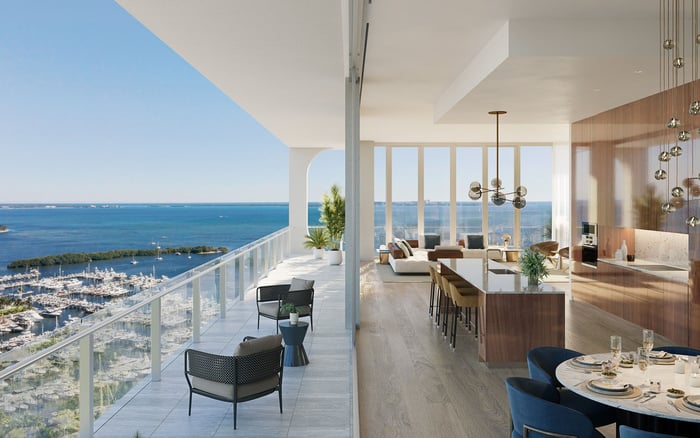
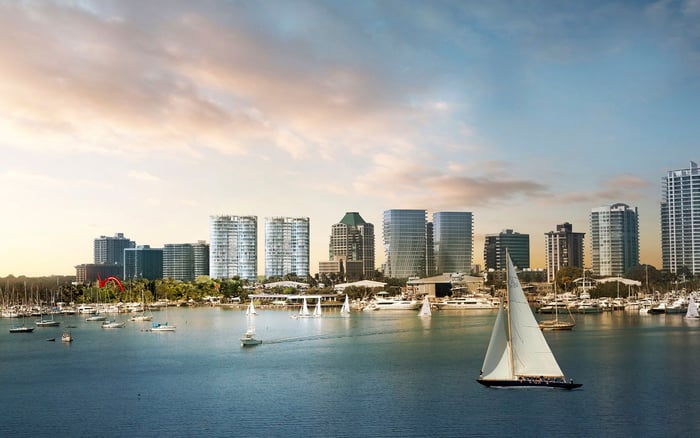
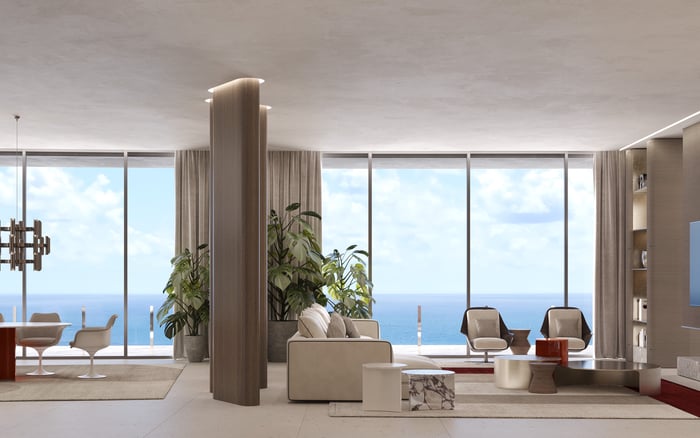
A discreet buyer’s guide to evaluating balcony and terrace maintenance before purchasing luxury real estate in Coconut Grove, with questions for inspections, associations, finishes, drainage, privacy, and long-term ownership.
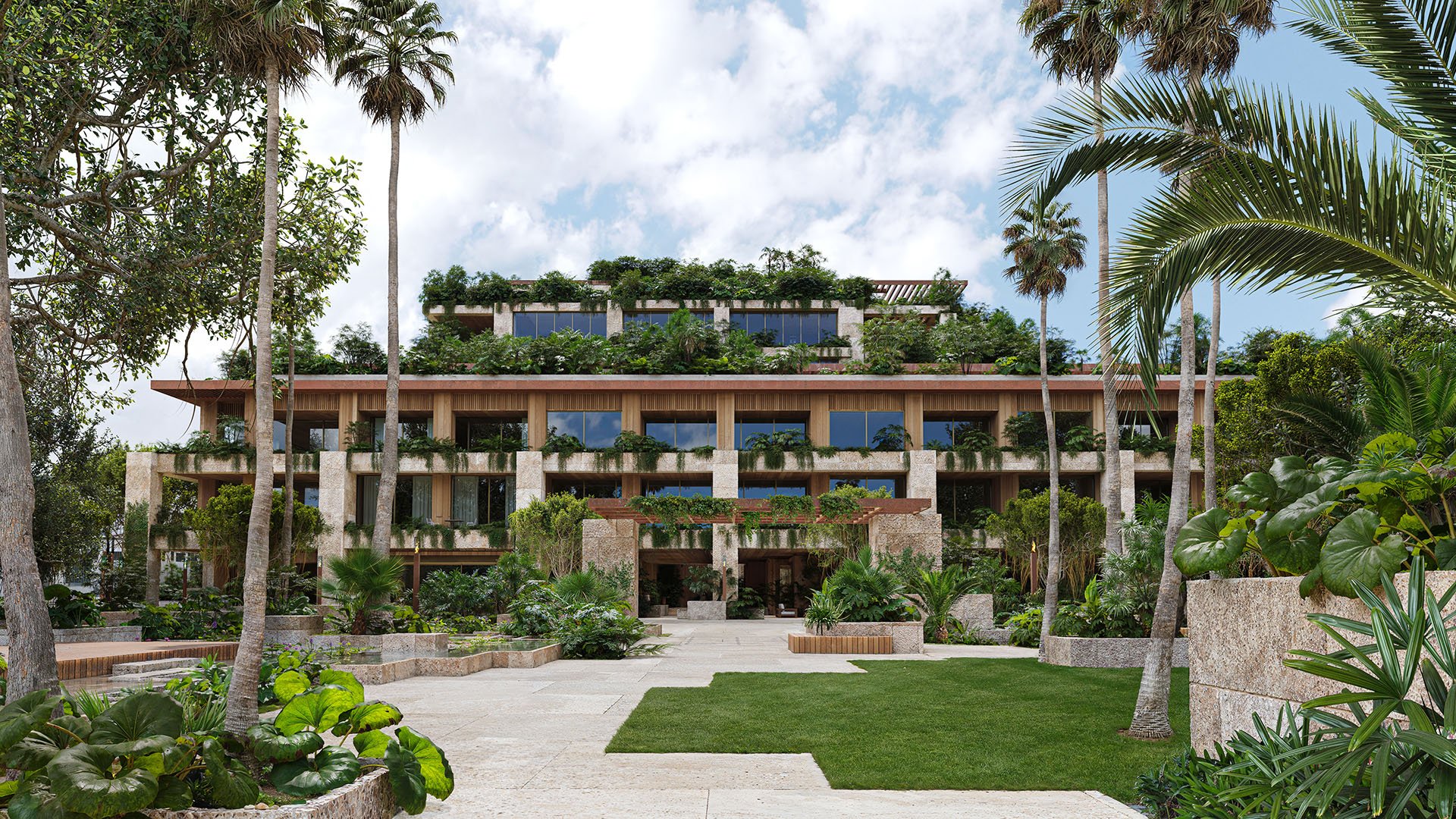
In Coconut Grove, outdoor space is not an accessory. It is often the room that makes a residence feel unmistakably South Florida: shaded breakfasts, evening air, layered greenery, and the privacy of a home that opens outward without becoming public. Yet the same balcony or terrace that elevates daily living can also raise questions about maintenance, responsibility, insurance, and long-term care.
A polished showing rarely reveals the full story. Before buying, the more valuable conversation is not whether the outdoor space looks beautiful today, but how it is maintained, who pays for that maintenance, and what restrictions apply once the residence is yours. This buyer’s guide is designed for discerning purchasers who want the romance of Coconut Grove living without ambiguity after closing.
As you compare residences such as Arbor Coconut Grove, Four Seasons Residences Coconut Grove, or Mr. C Tigertail Coconut Grove, ask the same practical questions in each setting. The answers may shape not only your comfort, but also the true cost and ease of ownership.
The first question is deceptively simple: is the balcony or terrace part of the unit, a limited common element, or a common element reserved for your use? The distinction matters because it can determine who controls repairs, approvals, access, and expense allocation.
Ask for the governing documents and have your advisor identify the language that applies specifically to balconies, terraces, railings, slabs, waterproofing, drains, pavers, screens, lighting, and exterior doors. In luxury buildings, the surface may feel private, while the structure beneath it may be governed by the association. That distinction can affect everything from tile replacement to the timing of repairs.
Also ask whether prior owners made changes to the outdoor area. If pavers, decking, planters, lighting, or built-in seating were added, request confirmation that those improvements were approved. An elegant installation can become a negotiation point if approvals, permits, or association consents are unclear.
Outdoor living in Coconut Grove should feel relaxed, but buyers should be exacting about water management. Ask when the terrace surface, waterproofing system, drains, scuppers, and door thresholds were last inspected or serviced. If there are planters, raised deck systems, or stone finishes, ask whether they can be lifted for inspection and cleaning.
Look closely at transitions between interior flooring and exterior surfaces. Luxury buyers often want a seamless indoor-outdoor effect, yet thresholds still have to perform. Ask whether doors seal properly, whether water has ever intruded during heavy rain, and whether any prior repairs were completed around sliding doors or terrace edges.
For larger outdoor spaces, especially those designed for dining or lounging, drainage should be treated as part of the design. Ask where water goes, who clears the drains, and whether residents are responsible for keeping debris away from drainage points. A beautiful terrace with poor maintenance protocols can become inconvenient quickly.
Before planning furniture, trees, lighting, summer kitchens, umbrellas, pergolas, or decorative screens, ask what the association permits. Coconut Grove buyers often prize lush outdoor styling, but weight limits, wind concerns, drainage access, and facade consistency may limit what can be installed.
Ask specifically about planters. Who approves them? Are there limits on size, irrigation, soil depth, or placement? Can roots, excess water, or fertilizer affect the waterproofing below? If you envision a garden-like terrace, these questions should be resolved before the contract period ends.
The same applies to grills, outdoor kitchens, heaters, speakers, and lighting. Some buildings permit only certain equipment or require professional installation. If entertaining is central to your lifestyle, confirm noise, cooking, and operating-hour rules in advance. A terrace can feel private, but in a condominium it still belongs to a larger vertical community.
Maintenance expectations often reveal the difference between effortless living and hidden friction. Ask who cleans exterior glass, balcony railings, screens, and hard-to-reach facade components. If the owner is responsible, ask how access is handled and whether approved vendors are required.
Railings deserve close attention. Ask when they were last inspected, whether any corrosion, movement, staining, or replacement history has been noted, and who pays for remediation. For glass railings, ask about hardware, seals, and cleaning protocols. For metal components, ask how finishes are protected and maintained.
At buildings such as Park Grove Coconut Grove or boutique residences like The Well Coconut Grove, the outdoor experience may be a major part of the purchase decision. Treat railings, exterior doors, and balcony finishes with the same seriousness you would give kitchens, primary suites, or private elevator entries.
A refined property can still require future exterior work. Ask whether the association has planned projects related to balconies, terraces, facade maintenance, waterproofing, exterior painting, railings, or structural inspections. Request the budget, reserve information, meeting minutes, and any notices that discuss outdoor building components.
Do not stop at whether there is an assessment today. Ask whether balcony or terrace work has been discussed, deferred, scoped, or priced. Ask how costs would be allocated if work became necessary. In some residences, owners may be responsible for certain finishes while the association handles underlying structural components. The boundary between the two should be clear.
This is especially important when comparing resale residences with new-construction options. Newer properties may offer fresh materials and current design intent, while established buildings may have more visible maintenance history. Neither category is automatically simpler. The quality of documentation is what matters.
Maintenance is not only technical. It is also practical. A balcony you rarely use because of sun exposure, wind, lack of privacy, or noise may not justify a premium. Visit at different times if possible. Ask how the space performs in morning light, afternoon heat, and evening activity.
For waterfront or treetop-facing residences, ask whether salt air, vegetation, bird activity, or falling leaves create additional cleaning needs. If the terrace is shaded by nearby landscaping, ask about moisture, staining, and pest management. If it faces open water, ask about wind exposure and whether furniture must be secured or stored during severe weather preparations.
Privacy should be evaluated from both directions. Stand outside and look in. Ask whether neighboring balconies have direct sightlines. Consider where you would place dining, lounging, art, and planting. The best outdoor spaces in Coconut Grove feel composed, not exposed.
A sophisticated offer should preserve time to review documents and inspect outdoor areas carefully. Include the terrace or balcony in the inspection scope, and ask whether specialists may evaluate waterproofing, doors, railings, drainage, and surface conditions if needed.
If issues arise, do not treat them only as repair items. They may affect design plans, maintenance responsibilities, and future resale perception. The right response may be a seller credit, association clarification, document review, repair completion, or simply a decision to pursue a better-aligned residence.
In Coconut Grove, exterior space is part of the emotional architecture of the home. It frames the trees, the bay air, and the sense of retreat. The goal is not to diminish that pleasure with technical questions. It is to protect it.
Who usually maintains a condominium balcony or terrace? Responsibility depends on the governing documents. Ask whether the area is part of the unit, a limited common element, or an association-controlled component.
Should I inspect a balcony even if it looks new? Yes. A visual finish can conceal drainage, waterproofing, threshold, or approval issues that matter after closing.
Can I add large planters to a Coconut Grove terrace? Possibly, but approval may be required. Ask about weight, drainage, irrigation, placement, and waterproofing protection.
What should I ask about terrace drainage? Ask where water exits, who clears drains, and whether drains have ever backed up or required repair.
Are grills or outdoor kitchens always allowed? No. Rules vary by building, equipment type, installation method, and association policy.
Why do railings deserve special attention? Railings are both safety and design elements. Ask about inspection history, corrosion, glass hardware, and repair responsibility.
How do I know if prior terrace upgrades were approved? Request association approvals, permits if applicable, and records for any flooring, lighting, planters, or built-in features.
Should outdoor furniture rules affect my purchase decision? They can. If the terrace is central to your lifestyle, confirm restrictions before relying on a particular design plan.
What budget documents should I review? Review budgets, reserves, meeting minutes, and notices related to facade, balcony, terrace, railing, or waterproofing work.
Is a larger terrace always better for resale? Not automatically. Function, privacy, maintenance clarity, and usable layout often matter as much as size.
If you'd like a private walkthrough and a curated shortlist, connect with MILLION.
If branded residences are on your mind — as a home or as an allocation — we would be glad to share what we are seeing, privately.
Begin a quiet conversation