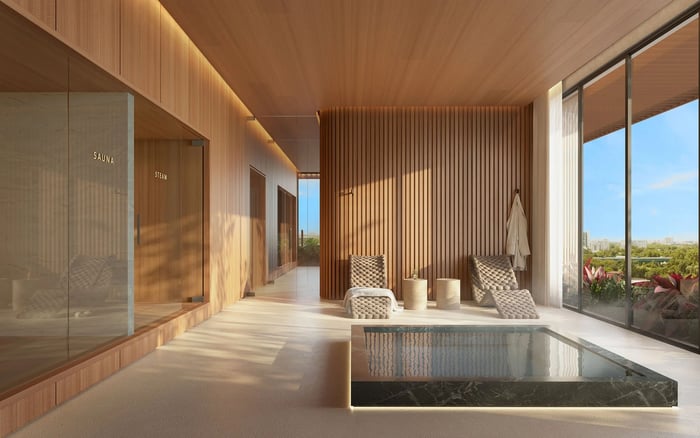
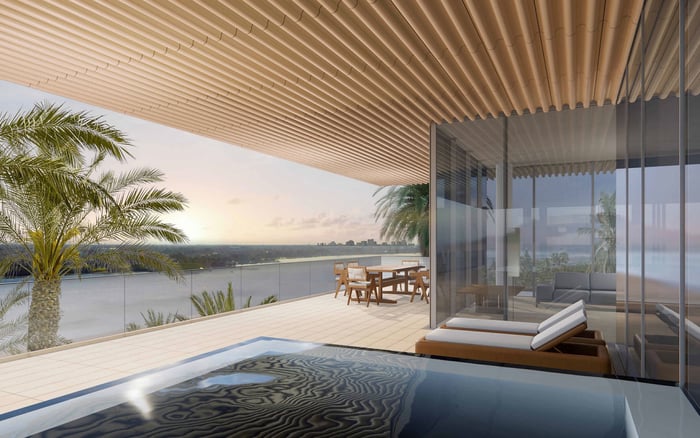
A buyer-focused look at how condominium association documents frame the costs, rules, access, and long-term stewardship behind sky pools in South Florida luxury towers.
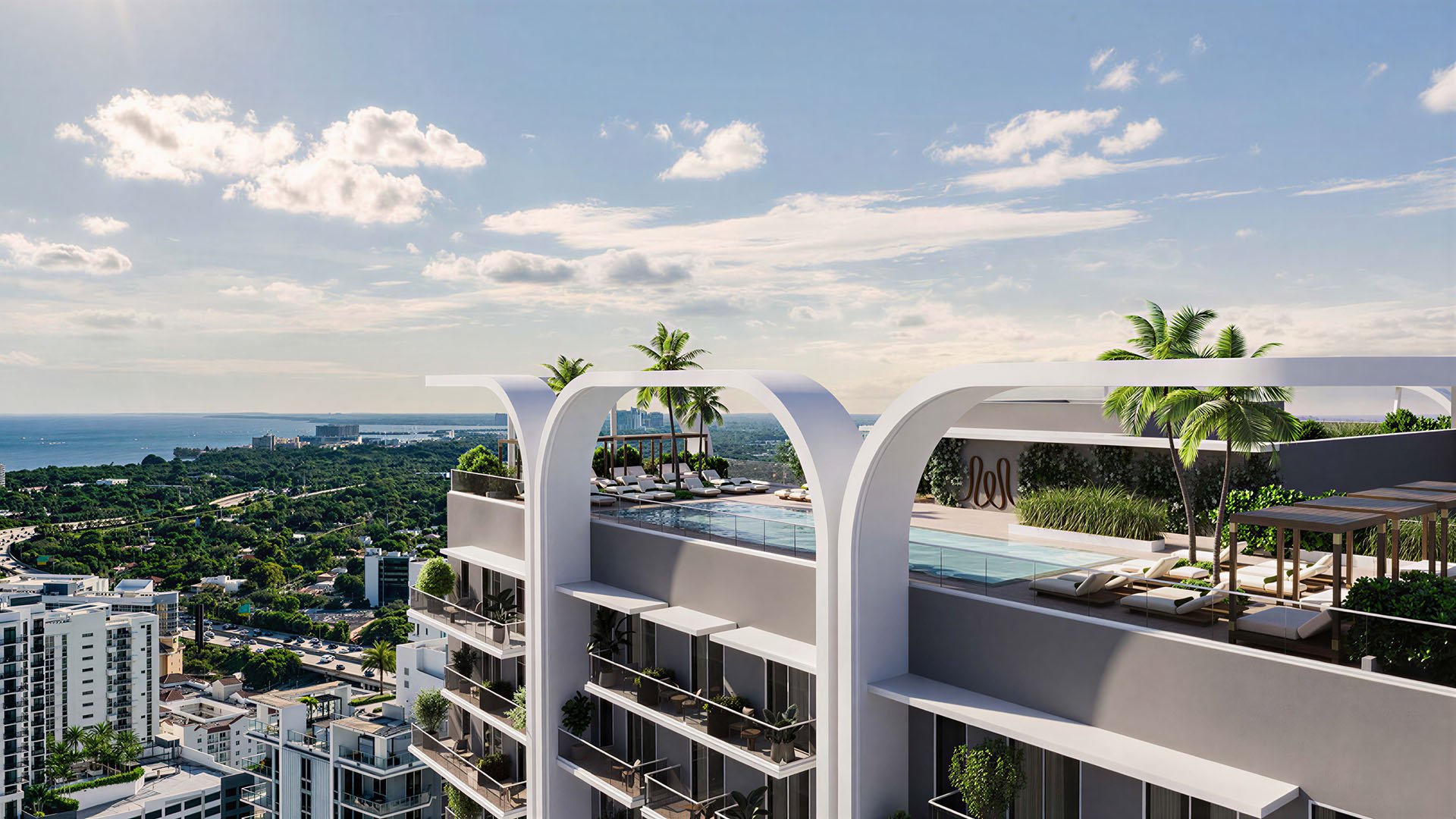
In South Florida luxury real estate, the sky pool has become more than an amenity. It is theater, architecture, wellness ritual, social room, and resale narrative in one highly photogenic feature. A pool suspended above the city or ocean can make a residence feel more private, more resort-like, and more connected to the skyline. Yet the most revealing view is not always from the deck. It is often inside the association documents.
For a serious buyer, a sky pool should be evaluated as both a lifestyle asset and a shared building system. It may carry maintenance responsibilities, usage rules, access boundaries, insurance considerations, and future funding obligations. The brochure image may show champagne light and reflective water. The governing documents explain who pays, who enters, who controls, and how the experience is preserved.
That distinction matters in neighborhoods where vertical luxury is part of the daily language, from Brickell to Miami Beach to Sunny Isles. The higher and more elaborate the amenity, the more carefully a purchaser should read the documents that define it.
Association documents typically function as the operating constitution for condominium life. They may include a declaration, bylaws, rules and regulations, budgets, insurance summaries, reserve materials, maintenance provisions, and shared-use agreements. For a sky pool, these documents can be especially important because the amenity often sits at the intersection of design, operations, hospitality, and building infrastructure.
A buyer should look first for the legal character of the amenity. Is the pool a common element available to all owners, a limited common element tied to certain residences, or part of a broader club or hospitality arrangement? The answer can influence expectations around access, priority, exclusivity, and cost allocation.
The second question is control. Who sets hours, guest limits, event policies, music rules, service standards, towel protocols, furniture placement, and private-use permissions? The most elegant amenity can feel very different depending on whether the rules favor tranquility, social activity, family use, or resort-style programming.
A sky pool is not only a basin of water. It is a managed environment involving finishes, waterproofing, mechanical systems, filtration, lighting, decking, furniture, landscaping, elevators, restrooms, service areas, security, and cleaning. In a premium building, the level of maintenance is part of the luxury promise.
Association documents can reveal whether that promise has been anticipated with discipline. Budgets and reserve language may show how the building plans for future repair, replacement, and upkeep. Buyers do not need to become engineers to ask refined questions. They need to understand whether the amenity is treated as a long-term obligation, not a decorative flourish.
Look for clear responsibility. If a pool deck sits near a terrace, amenity lounge, spa area, or restaurant-style service zone, the documents should clarify which association, entity, or operating structure handles maintenance. Ambiguity is not automatically a flaw, but it invites questions before a contract becomes a closing.
Luxury ownership is not defined by the absence of expense. It is defined by whether expense is understood, planned, and aligned with the caliber of the property. A sky pool can carry future costs that differ from a ground-level amenity, particularly when access, structural setting, waterproofing, and finish quality are part of the design.
Reserve provisions deserve careful attention. A buyer should review whether the association contemplates major future components related to the pool and its surrounding amenity areas. The question is not simply whether monthly dues feel acceptable today. It is whether the financial architecture of the building appears prepared for the amenity standard being marketed.
Special assessments are also worth considering in principle. Documents may not predict every future expense, but they can show how an association has authority to fund work when needed. For buyers comparing buildings across Brickell, Miami Beach, and Sunny Isles, this is where two seemingly similar pool decks may differ sharply in financial character.
Sky pools are emotional spaces. They frame sunrise workouts, quiet reading hours, weekend guests, children visiting for the season, and evening gatherings after dinner. Documents can indicate whether the building imagines that space as a serene retreat, an active social club, or something in between.
Guest rules are especially important. Some buyers expect to host family and friends with ease. Others value a more private environment where access is tightly controlled. Neither preference is inherently better, but the documents should match the buyer's lifestyle.
Rules may also address reservations, private events, food and beverage, attire, pets, smoking, music, photography, and conduct. These provisions influence the lived feel of the amenity as much as its design. The best luxury buildings protect atmosphere through clarity. A balcony may be private and a residence may be quiet, but a sky pool is shared territory. Its rules determine whether that shared territory feels polished or improvised.
Some luxury towers include layered amenity programs, hospitality services, or adjacent components that interact with residential areas. In such settings, shared-use agreements can be central. They may define which users have access, how costs are divided, how staff are deployed, and which spaces are residentially controlled.
This is particularly relevant when an amenity feels private but is operationally connected to a broader building program. A buyer should ask whether the sky pool is exclusively residential, shared with another ownership group, or subject to a club structure. The distinction can affect privacy, wear, scheduling, and the prestige narrative attached to the residence.
For ultra-premium purchasers, the goal is not to avoid shared arrangements altogether. Many can be highly successful. The goal is to understand the boundaries, because discretion depends on governance as much as architecture.
A sky pool also belongs to the broader conversation about condominium stewardship. Buyers should review insurance language, maintenance authority, access controls, emergency procedures, and board powers with a qualified advisor. The point is not alarm. It is sophistication.
Well-drafted documents often signal a building culture that respects complexity. They explain procedures, assign authority, and give the association tools to preserve the property. When documents are vague, outdated, or difficult to reconcile with the amenity package, a buyer should slow down and ask for clarification.
In South Florida, sophisticated purchasers increasingly understand that beauty and governance are connected. The pool may sell the dream, but the documents reveal whether the dream has durable structure beneath it.
A practical review begins with a simple question: what exactly am I buying access to? From there, the buyer can move through documents in layers. First, identify ownership and access rights. Second, study budget and reserve treatment. Third, review rules and guest policies. Fourth, clarify maintenance and insurance responsibility. Fifth, consider how those details align with personal use.
This process is especially important for second-home buyers, international purchasers, and owners who expect seasonal occupancy. If the residence will be used selectively, the pool experience may become a central part of ownership. The documents should support that expectation.
A polished tower can still have strict rules. A glamorous amenity can still require meaningful funding. A serene deck can still be subject to guest limitations. None of these are defects if they are disclosed, understood, and consistent with the buyer's priorities.
A sky pool can strengthen resale appeal when it is maintained with consistency and governed with taste. Future buyers will not only react to the view. They will ask whether the amenity feels cared for, whether the rules are intuitive, and whether ownership costs seem rational.
For sellers, this means documents can become part of the property's quiet confidence. Clean governance, clear access, and thoughtful funding can support the premium aura of the building. For buyers, the same documents can help separate a beautiful photograph from a resilient ownership proposition.
In the highest tier of South Florida real estate, amenities are no longer judged only by how they look. They are judged by how they perform over time.
Why do association documents matter for a sky pool? They explain access, rules, maintenance responsibility, funding authority, and the governance structure behind the amenity.
Should a buyer review pool rules before making an offer? Yes. Rules around guests, hours, events, music, food, and privacy can materially affect daily enjoyment.
What is the most important financial section to read? Review budgets, reserve language, and assessment authority to understand how the amenity may be funded over time.
Can a sky pool be private to only some owners? It can be structured in different ways, so buyers should confirm whether access is common, limited, or tied to another agreement.
Are shared-use agreements always a concern? No. They can work well when responsibilities, access, costs, and control are clearly defined.
What lifestyle details are often overlooked? Guest limits, event reservations, photography policies, children's use, pet rules, and quiet-hour expectations are easy to miss.
Does a beautiful pool guarantee strong resale appeal? Not by itself. Resale strength also depends on maintenance quality, funding discipline, rules, and the overall building experience.
Should buyers involve an attorney or advisor? Yes. A qualified professional can help interpret governing documents before the buyer relies on the amenity in valuation.
How should seasonal owners think about sky pools? They should confirm access rules, guest policies, maintenance standards, and any reservation systems that affect peak-season use.
What is the simplest buyer takeaway? Treat the sky pool as both a lifestyle privilege and a shared asset with rules, costs, and governance.
For a confidential assessment and a building-by-building shortlist, connect with MILLION.
If branded residences are on your mind — as a home or as an allocation — we would be glad to share what we are seeing, privately.
Begin a quiet conversation