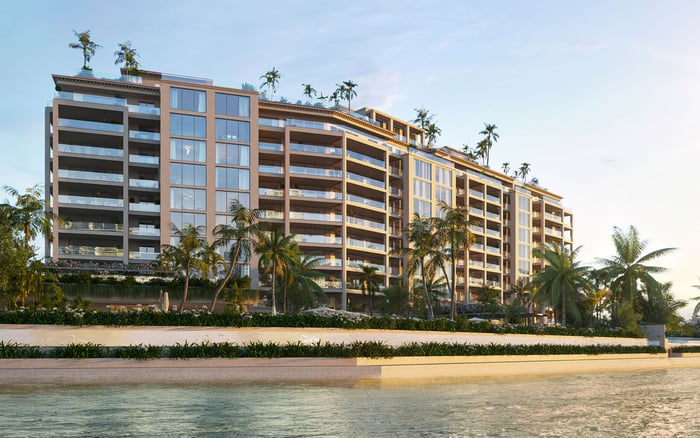
A practical guide for Palazzo del Sol owners who travel frequently, focused on coordinated pet-care routines, building etiquette, vendor access, emergency planning, and South Florida terrace safety.
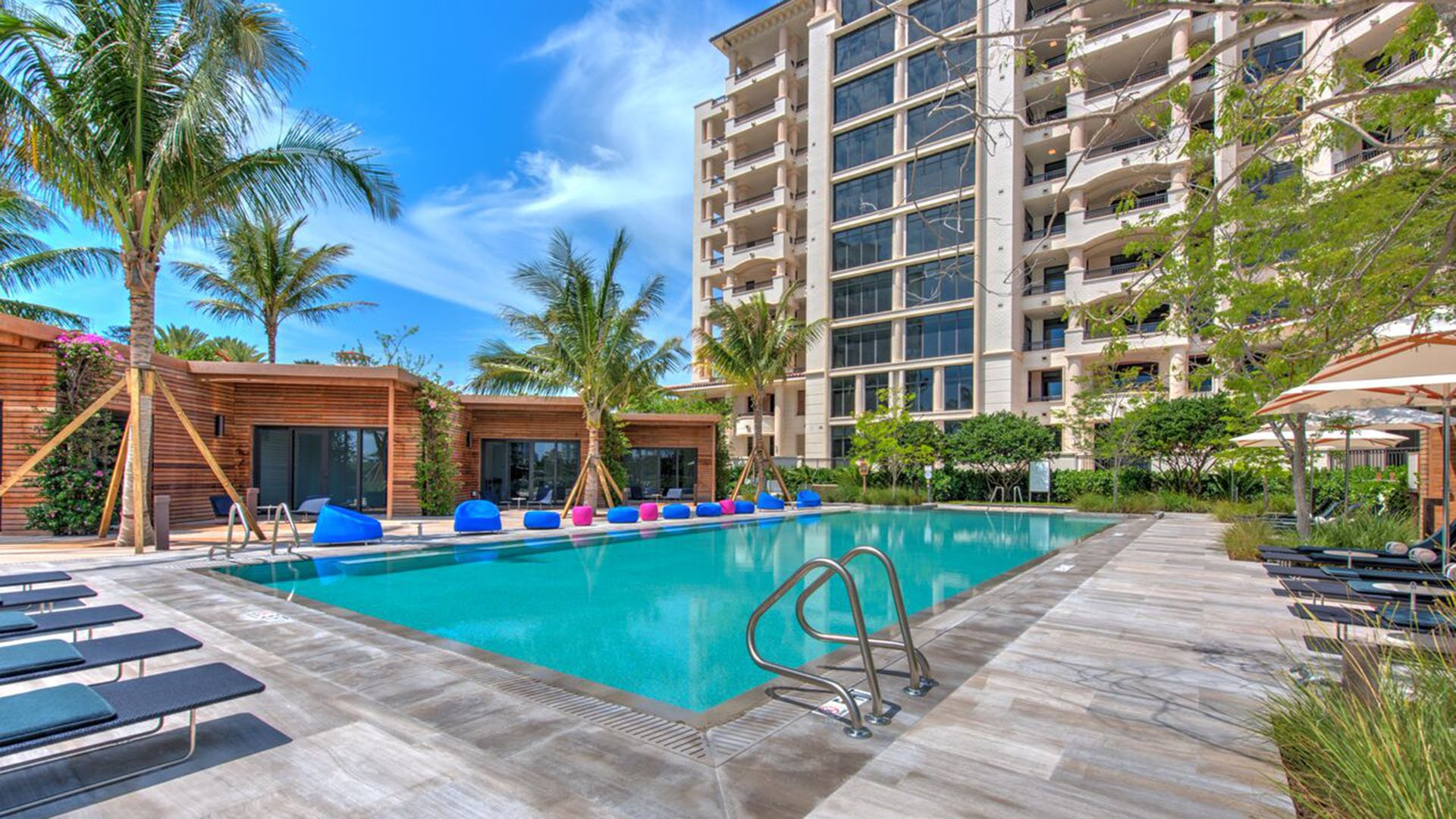
For owners at Palazzo del Sol, pet care is not a casual afterthought tucked between flights, yacht departures, and seasonal moves. It belongs within the same service-minded framework that defines life at an ultra-private Fisher Island address: discreet coordination, reliable routines, and careful preparation before anything becomes urgent.
Palazzo del Sol is a boutique ultra-luxury condominium on Fisher Island, shaped around privacy, full-service living, and a highly refined residential experience. That context matters. In a conventional urban tower, a last-minute dog walker or sitter may be easier to arrange. In a controlled-access island environment, every person who enters the property, every delivery, and every emergency contingency requires greater precision.
The best pet-friendly routine for traveling owners begins long before the suitcase is packed. It starts with the daily ritual the animal already knows: feeding times, walks, medication, grooming, rest, and enrichment. When those patterns are stable, a caregiver can step in with less disruption, and the pet is less likely to express anxiety through noise, accidents, destructive behavior, or appetite changes.
Fisher Island offers a level of privacy that can be beneficial for pets. The environment may reduce the unpredictable street-level stressors of a dense urban setting, from traffic noise and random pedestrians to crowded sidewalks. Yet that same privacy means pet-care logistics should never depend on improvisation.
Owners who travel for business, international commitments, yachting excursions, or seasonal living should identify approved caregivers before departure. A sitter, walker, groomer, trainer, veterinarian, and backup emergency contact should function as one coordinated network. Those providers should be cleared in advance through the appropriate building and security procedures, with access windows and instructions established before the owner leaves.
This is especially important for buyers comparing Palazzo del Sol Fisher Island with other ultra-premium island residences such as Palazzo della Luna or The Residences at Six Fisher Island. In each case, the appeal of privacy is inseparable from operational discipline. The more exclusive the setting, the more thoughtful the pet protocol should be.
A travel-ready pet routine should be written, current, and easy for a trusted caregiver to follow. At minimum, it should include feeding instructions, portion sizes, preferred treats, walking cadence, medication schedules, vet records, microchip information, emergency authorization, and clear permission for veterinary decisions if the owner is unreachable.
For a high-end residence, the protocol should also protect the home itself. Pet stress can show up as scratching, chewing, barking, territorial behavior, or accidents in areas with fine finishes. A strong routine reduces risk to flooring, millwork, upholstery, terraces, elevators, and shared areas. It also helps preserve the calm expected in a luxury condominium where neighbor etiquette is part of the residential experience.
Owners should create two versions of the care plan. The first can be a concise daily sheet for the primary caregiver. The second should be a more complete emergency file with veterinary records, insurance details if applicable, authorized contacts, behavioral notes, and travel information for the owner. The goal is not bureaucracy. It is continuity.
At Palazzo del Sol, the most seamless pet plan connects the residence, concierge, approved vendors, emergency contacts, and owner instructions into a single system. The Lifestyle is not defined only by amenities or finishes. It is also defined by the absence of friction when the owner is away.
Concierge coordination can help align pet-care schedules with building access, deliveries, maintenance visits, and arrivals or departures. If a groomer is expected on Tuesday, a walker twice daily, and a housekeeper on Friday, those movements should be coordinated to avoid confusion. The same applies when an owner returns from an extended trip and wants the pet bathed, the residence refreshed, and food supplies replenished before arrival.
This is where private-island living differs from many mainland luxury corridors. In a tower such as Apogee South Beach, urban access patterns may feel different from Fisher Island’s more controlled environment. At Palazzo del Sol, calm is part of the value proposition, and that calm depends on advance clarity.
Expansive residences and outdoor areas can support gracious pet-friendly living, but South Florida demands discipline. A terrace may feel serene in the morning and punishing by midday. Heat, humidity, sudden rain, and intense sun exposure all require weather-aware routines.
Owners should set clear rules for supervised terrace time, shaded rest, hydration, and boundaries near railings, planters, doors, and outdoor furniture. Even calm animals can become reactive when startled by weather, unfamiliar sounds, or separation anxiety. Caregivers should understand when the pet is allowed outside, for how long, and under what conditions.
For owners considering Fisher Island estate-style alternatives such as The Links Estates at Fisher Island, the principle is the same: more space does not eliminate the need for structure. Larger residences can make routines more comfortable, but they also require clear supervision zones, secure access points, and consistent habits.
Pet-specific rules at Palazzo del Sol should always be verified with building management or the applicable condominium documents. Weight limits, breed restrictions, elevator protocols, service elevator use, common-area access, registration requirements, and guest caregiver procedures should not be assumed.
Once the rules are clear, owners can build a routine that feels both gracious and compliant. If a particular elevator is preferred for pets, the walker should know it. If common areas require specific handling, that should be written into the instructions. If vendor access requires advance clearance, the concierge and security team should have the necessary names, times, and permissions before departure.
Luxury pet ownership is not about bending the building around the animal. It is about designing a humane, elegant routine that respects the animal, the residence, the staff, and the neighbors.
Before leaving, owners should confirm the caregiver schedule, food inventory, medication supply, building access permissions, veterinary contacts, emergency authorization, and owner travel itinerary. They should also prepare keys or access devices according to building procedure, confirm where leashes and carriers are stored, and leave written notes on behavior triggers, hiding places, favorite toys, and calming techniques.
A short trial period is valuable. If a sitter will cover a two-week international trip, a trial walk or overnight visit can reveal issues early. Pets notice tone, timing, and unfamiliar movement in the home. The more familiar the caregiver becomes before departure, the less dramatic the transition is likely to feel.
For Palazzo del Sol owners, the ideal standard is simple: the pet should experience the owner’s absence as a continuation of ordinary life, not as a disruption. That is the quiet luxury of a well-built routine.
Is Palazzo del Sol pet-friendly? Pet-specific rules should be verified directly with building management or condominium documents before making plans.
What should traveling owners prepare before leaving a pet at home? Owners should leave written instructions covering food, walks, medication, vet records, microchip details, and emergency authorization.
Why does Fisher Island require more pet-care planning? Its controlled-access environment supports privacy, but it also makes vendor access and emergency logistics more deliberate.
Should pet sitters be approved before the owner travels? Yes. Sitters, walkers, groomers, and other providers should be cleared in advance under the building’s procedures.
How can owners reduce stress behaviors while away? Stable daily rituals, familiar caregivers, enrichment, and consistent timing help reduce anxiety-related noise or damage.
Can concierge coordination help with pet routines? Concierge coordination can align access, deliveries, maintenance visits, and caregiver schedules when arranged properly.
What should be included in an emergency pet file? Include veterinary records, medication details, microchip information, emergency contacts, and authorization for urgent care.
Are terraces safe for pets in South Florida? They can be comfortable with supervision, shade, hydration, secure boundaries, and careful attention to heat and weather.
How do pet routines protect property value? Consistent care reduces the risk of accidents, scratching, noise complaints, and stress-related damage to fine finishes.
What is the best first step for a new Palazzo del Sol owner with pets? Confirm the building’s pet rules, then design a written care plan around the pet’s daily routine and travel needs.
For a discreet conversation and a curated building-by-building shortlist, connect with MILLION.
If branded residences are on your mind — as a home or as an allocation — we would be glad to share what we are seeing, privately.
Begin a quiet conversation