A buyer-focused comparison of Setai Residences Miami Beach and Una Residences Brickell for ultra-luxury clients who want discreet technology, refined indoor-outdoor living, effective shade strategy, and realistic salt-air maintenance expectations.
For a certain South Florida buyer, technology succeeds only when it is nearly invisible. The goal is not a residence crowded with touchscreens, visible speakers, exposed shade pockets, and competing control panels. The goal is a home where lighting scenes, climate behavior, glass, shade, audio, and outdoor comfort feel native to the architecture.
That is the clearest lens for comparing Setai Residences Miami Beach and Una Residences Brickell. These two addresses answer different versions of the same question: how much technology can disappear into the residence without compromising the lifestyle that made the building desirable in the first place?
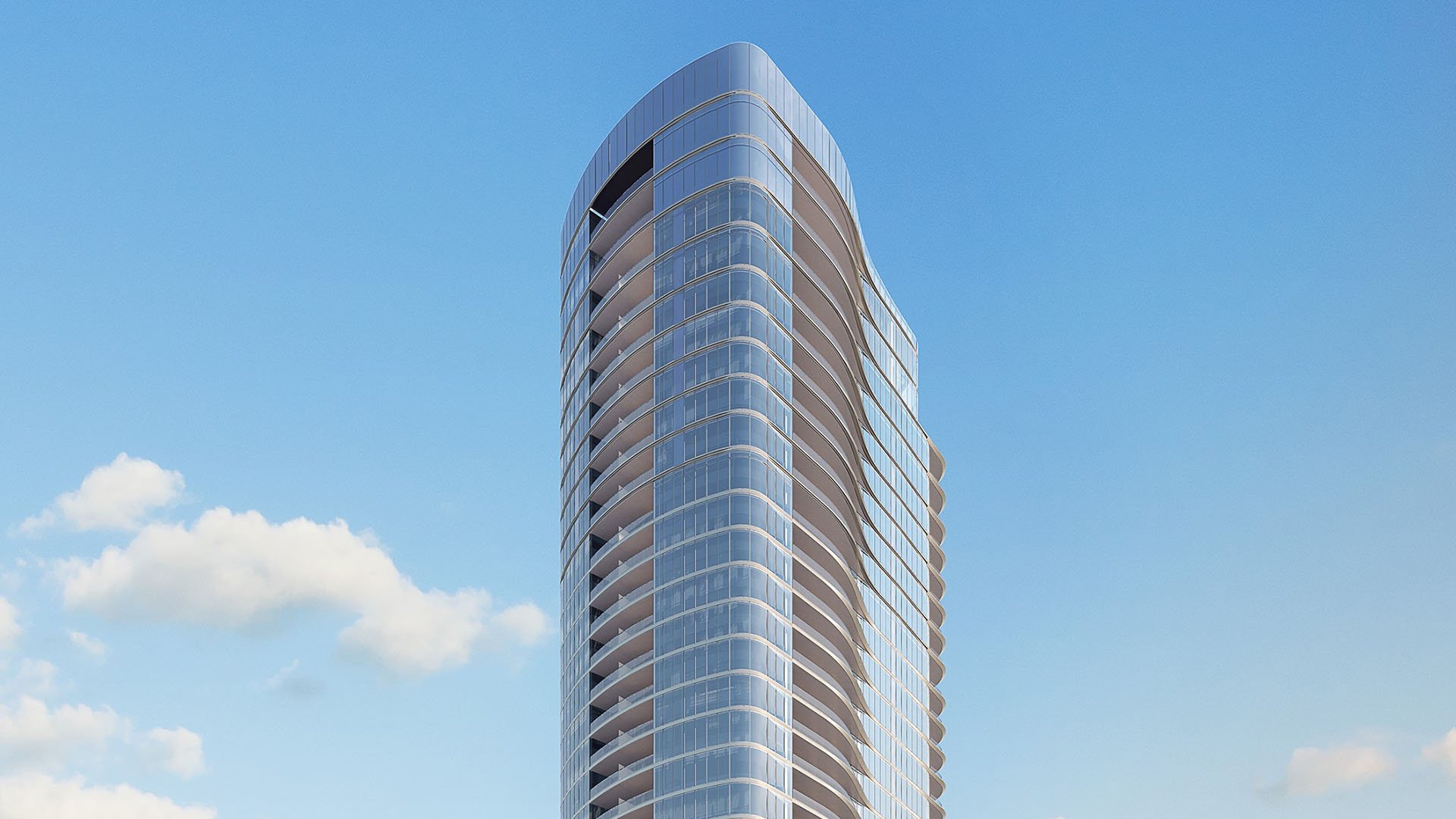
Setai Residences Miami Beach is an established oceanfront condo-hotel in South Beach, defined by a mature resort ecosystem, direct beach setting, and hospitality-driven atmosphere. Una Residences Brickell is a newer-generation bayfront residential tower in Brickell, with a yacht-inspired, glass-forward identity oriented toward Biscayne Bay. One rewards the buyer who values resort rhythm and is comfortable with bespoke integration. The other favors the buyer who wants a more natively planned residential platform.
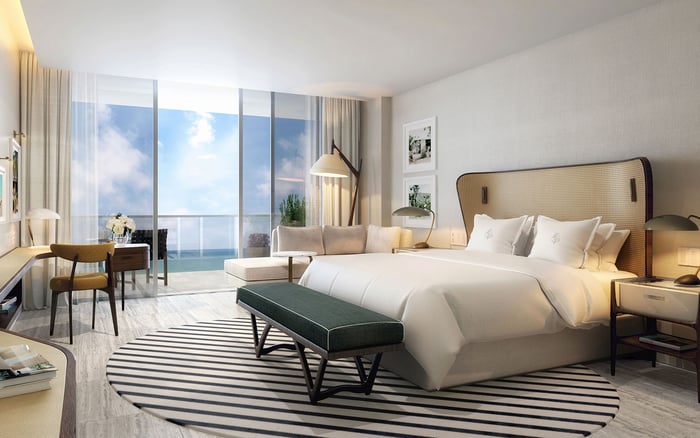
At Setai Residences Miami Beach, the appeal begins with atmosphere. The building’s identity is serene, minimalist, and luxury-hotel oriented. That makes visible technology especially risky. A poorly placed keypad, bulky speaker grille, or heavy shade detail can interrupt the calm buyers are paying for.
The tradeoff is that Setai predates the current generation of fully integrated smart-residence infrastructure. Buyers who want invisible technology should expect owner-specific customization for lighting, shades, AV, controls, and climate integration. This does not make the residence less desirable. It simply changes the diligence. The question becomes: how well can an expert team thread contemporary systems into an existing luxury shell without making the home feel overworked?
For buyers who place oceanfront lifestyle above all else, Setai remains compelling. Direct beach living, hospitality energy, and a mature resort ecosystem are difficult to replicate. The technology plan, however, should be treated as an architectural intervention rather than an accessories package.
Una Residences Brickell starts from a different premise. It is not a condo-hotel resort. It is a newer-generation private residential tower shaped around bayfront living, glass, deep outdoor space, and a more contemporary expectation of integrated systems.
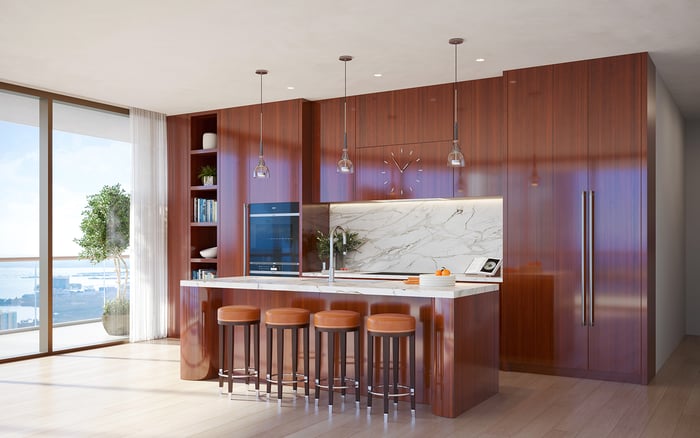
That matters for buyers who want the controls to recede. Una is better aligned with residences where climate, lighting, shading, and control systems are planned from the start rather than layered in later. Its newer-construction profile generally reduces retrofit friction, especially for buyers who expect concealed shade strategies, centralized commands, and low-visual-noise AV.
Una’s deep-balcony, bayfront concept also creates a different indoor-outdoor rhythm. Instead of relying on beach-resort programming, the home itself carries more of the lifestyle. The Biscayne Bay orientation, glass-forward architecture, and private vertical-club sensibility suit buyers who want urban access and water views without the constant identity of sand-and-surf living.
The indoor-outdoor question is often reduced to terrace size, but that is too narrow. At this level, the better measure is how the interior behaves when the outdoors is present all day.
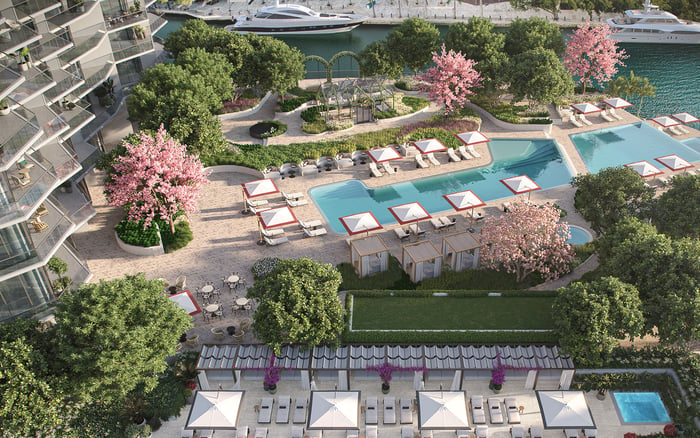
At Setai, indoor-outdoor living is inseparable from the beach. The residence connects to a broader hospitality environment, allowing the home to remain calmer and more retreat-like. The buyer who spends significant time in resort spaces may prioritize interior serenity, quiet controls, refined lighting, and shades that soften glare without competing with the view.
At Una, the residence itself plays a more central role. The deep-balcony bayfront concept supports daily outdoor use within a private residential setting. Balcony design, shade behavior, heat gain, humidity management, and view preservation become part of the home’s operating system. For a buyer who entertains privately or works from home with the bay as a constant backdrop, that native integration may feel more natural.
Neither approach is inherently superior. Setai is about connection to a complete oceanfront resort environment. Una is about living in a contemporary bayfront residence where the private home carries more of the lifestyle burden.
Shade should be evaluated as infrastructure. It controls glare, moderates heat, protects furnishings, preserves privacy, and determines whether glass-heavy rooms remain comfortable throughout the day.
At Setai, shade integration must respect the minimalist, hotel-like interior language. The best solution is quiet, precise, and visually recessive. Buyers should pay close attention to where shade pockets can be hidden, how controls can be centralized, and whether the finished result feels native rather than applied.
At Una, the architecture is better aligned with integrated shading from the outset. That can make the buyer’s path simpler, particularly where motorized systems, climate response, and lighting scenes are expected to work together. The point is not to display the technology. The point is to let a bright bayfront home remain livable without constant manual adjustment.
Salt air is not a lifestyle footnote. It affects glass, exterior metals, sealants, balcony hardware, shade motors, outdoor lighting, and electronics exposed to humidity and chloride air.
Setai’s direct Atlantic exposure is part of its magic and part of its maintenance reality. Buyers should think carefully about exterior finishes, balcony components, tracks, fasteners, and any technology placed near openings or outdoor zones. The closer a system sits to direct ocean air, the more maintenance discipline matters.
Una’s exposure is bayfront rather than direct Atlantic beachfront, but Biscayne Bay conditions still require respect. Humidity, salt-laden air, and heat can challenge motors, seals, and controls over time. A newer platform may reduce integration friction, but it does not eliminate waterfront maintenance.
The practical distinction is tolerance. Setai suits buyers comfortable tailoring systems into an existing luxury environment and maintaining them with care. Una suits buyers who want a more natively integrated platform with fewer retrofit compromises.
Choose Setai if the emotional priority is direct beach life, resort atmosphere, and the quiet glamour of an established South Beach address. The right buyer accepts that invisible technology will be more bespoke and may require careful design coordination.
Choose Una if the priority is a bayfront private residence where technology, shade, climate, and controls can feel more naturally embedded. The right buyer values newer-construction logic, glass-forward living, and Brickell access without needing a full beach-resort identity.
For the most exacting buyers, the decision is less about devices and more about architectural patience. Setai asks technology to enter softly into an existing luxury language. Una gives technology a more contemporary framework in which to disappear.
Which building is better for invisible technology? Una generally presents less retrofit friction because its residential concept is newer and more oriented toward system integration.
Why would a buyer still choose Setai? Setai offers direct beach living, a mature resort ecosystem, and a hospitality-driven atmosphere that Una does not try to replicate.
Is Setai a new-construction private tower? No. Setai Residences Miami Beach is positioned as an established oceanfront condo-hotel rather than a new-build private residential tower.
Is Una a resort-style condo-hotel? No. Una Residences Brickell is framed as a newer-generation bayfront residential tower in Brickell.
How should buyers think about shade? Shade should be treated as comfort infrastructure for glare, heat, privacy, furniture protection, and view preservation.
Does oceanfront exposure change maintenance planning? Yes. Direct Atlantic salt air can affect exterior systems, balcony hardware, finishes, seals, glass, motors, and exposed electronics.
Does bayfront exposure remove salt-air concerns? No. Biscayne Bay conditions still involve humidity and salt-laden air, though the exposure profile differs from direct beachfront living.
Which buyer fits Setai best? A Setai buyer typically prioritizes resort atmosphere and direct beach lifestyle, while accepting more bespoke technology planning.
Which buyer fits Una best? An Una buyer typically wants a private bayfront residence with integrated controls, shading, lighting, and climate systems.
What is the core decision between the two? The core decision is customization tolerance: refined retrofit in an oceanfront resort setting or newer integrated bayfront living.
If you'd like a private walkthrough and a curated shortlist, connect with MILLION.
If branded residences are on your mind — as a home or as an allocation — we would be glad to share what we are seeing, privately.
Begin a quiet conversation