South Florida’s next luxury benchmark is not only architecture, branding, or views. It is the capacity of a residence to support daily life over decades, from service and convenience to comfort, resilience, mobility, and the practical realities of ownership.
South Florida luxury has long been fluent in spectacle: water, skyline, arrival sequence, branded amenity, architectural authorship. Yet the most sophisticated buyers are now asking a quieter, more consequential question. Can this residence support a full life, not merely a season?
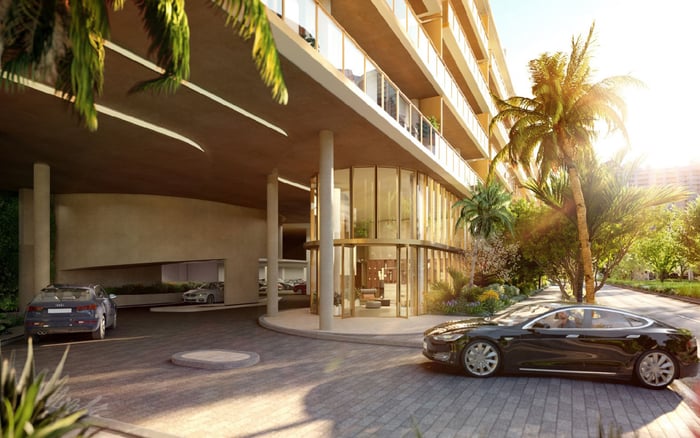
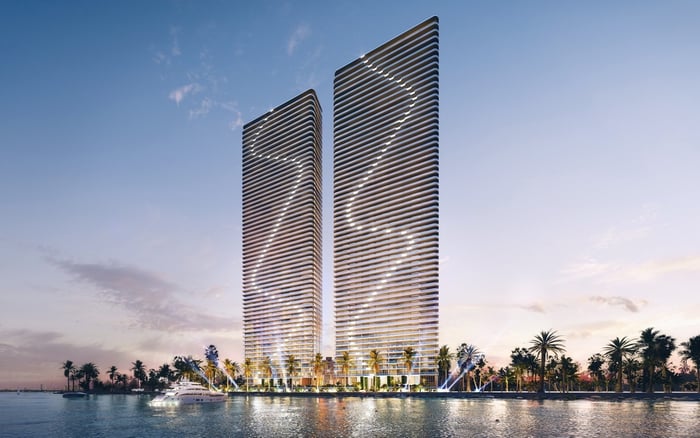
That question sits at the center of three distinct market signals: 619 Residences by Foster + Partners + Nobu Hospitality, Faena Residences Miami Downtown Miami, and The Ritz-Carlton Residences® Palm Beach Gardens. Each points to a broader shift in buyer priorities. The finish package still matters. The view still matters. But the deeper measure is livability over time: how service is organized, how the location functions year-round, how the building anticipates climate pressure, and whether the home can adapt as family needs evolve.
This is where Branded Residences become more than a marketing category. At their best, they translate hospitality discipline into everyday residential ease. At their weakest, they risk becoming an expensive badge. The distinction is increasingly central to value.
Faena Residences Miami Downtown Miami gives the livability conversation a dense urban frame. Its identity is tied directly to Downtown Miami, making it a useful lens for buyers who want access, culture, services, and the rhythm of a true city center rather than a purely retreat-oriented address.
Urban convenience is not simply proximity. For long-term ownership, it is the reduction of friction. How easily can residents reach restaurants, private clubs, offices, arts venues, medical care, airports, and visiting family logistics without turning every errand into a car-dependent exercise? How comfortably can a residence support weekday life, not just weekend entertaining?
The Downtown Miami model also raises sharper questions. Density can be an asset when it brings energy and services. It can become a burden when traffic, arrival management, elevator logistics, valet flow, and privacy are not handled with precision. For buyers considering an urban branded residence, the correct evaluation is not only whether the building feels glamorous on a tour. It is whether its systems feel calm on a Tuesday morning, during peak season, in rain, and after a long flight.
The partnership language around 619 Residences by Foster + Partners + Nobu Hospitality is instructive because it places architecture and hospitality in the same sentence. That pairing speaks to where the upper end of the market is heading. Buyers are not only purchasing square footage. They are purchasing a managed environment.
In long-term terms, hospitality identity should be examined as infrastructure. Who handles the handoff between private life and shared services? How consistent is the service culture? Are amenities designed for actual daily use, or are they primarily presentation spaces? Can a resident live privately while still enjoying support that feels intuitive rather than performative?
This is especially relevant in South Florida, where many owners move between primary residences, second homes, and extended stays. A building that understands arrival, maintenance coordination, guest management, wellness routines, dining access, and discreet staff interaction can materially change the experience of ownership. The brand may open the door, but service consistency determines whether residents stay satisfied after the novelty fades.
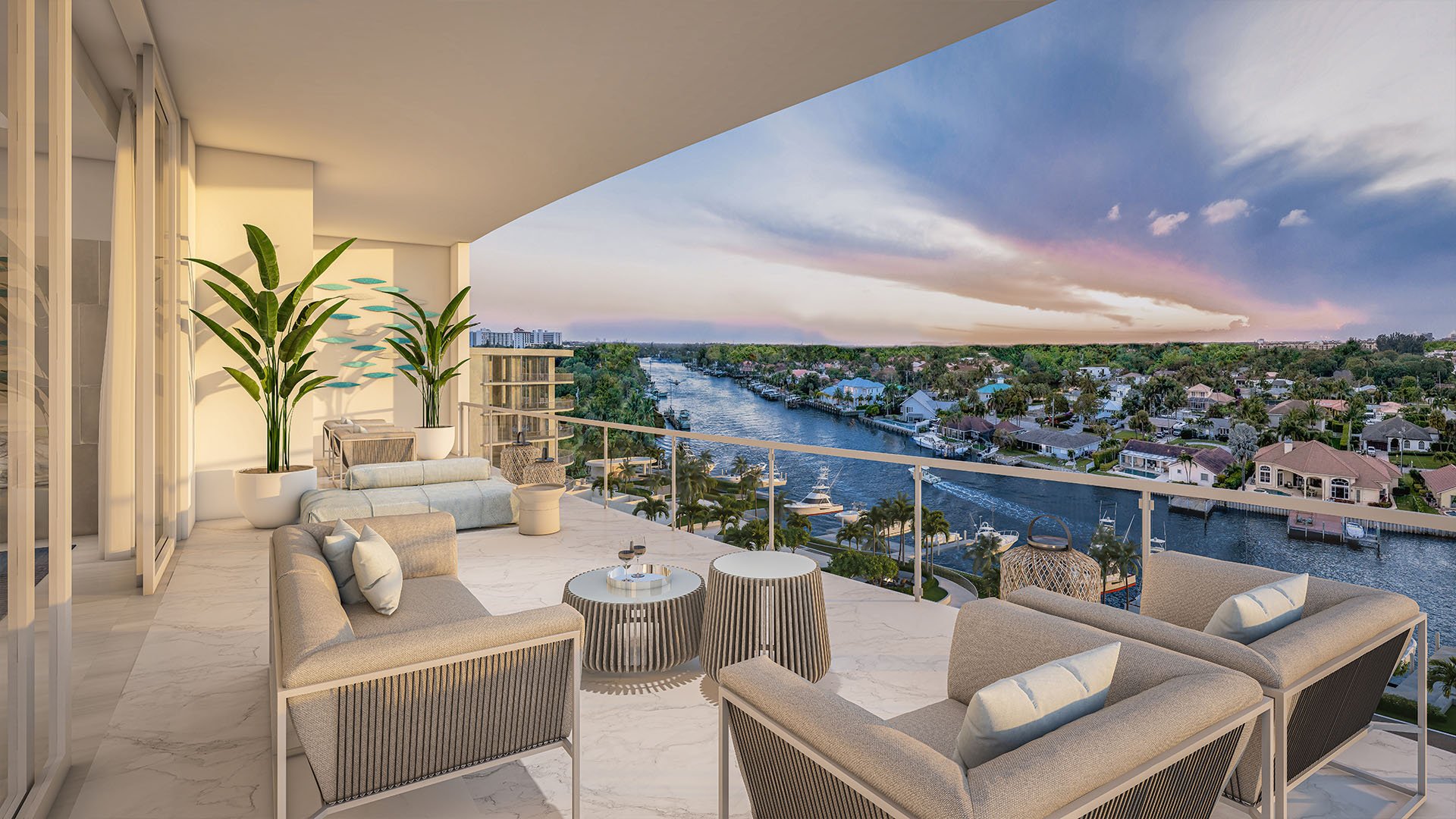
The Ritz-Carlton Residences® Palm Beach Gardens offers a different comparison point from Downtown Miami. As a luxury branded residential project in Palm Beach Gardens, it shifts the conversation toward planned comfort, resort-style service, and the appeal of a calmer Palm Beach County context.
For some buyers, long-term livability means proximity to urban intensity. For others, it means space, composure, predictable routines, and a service model that makes daily life feel settled. The Ritz-Carlton name links the residence to a hospitality-service expectation, which is especially meaningful for owners who view service not as an indulgence, but as part of the home’s operating system.
Palm Beach County has its own cadence. Buyers drawn north often evaluate privacy, access to clubs, healthcare, boating, golf, schools for visiting family, and the ability to entertain across generations. A residence in Palm Beach Gardens can be read through that lens: not as a substitute for urban Miami, but as a different answer to the same question of long-term ease.
The most refined buyers increasingly understand that South Florida ownership has practical layers. Heat, humidity, hurricane exposure, flood planning, insurance volatility, and maintenance complexity are not abstract concerns. They shape monthly costs, comfort, and resale confidence.
A livability-focused buyer should ask how a building manages storm readiness, backup systems, water intrusion risk, shaded outdoor space, and year-round thermal comfort. The answers may not be as photogenic as a lobby or pool deck, but they often matter more after move-in.
The same is true of association culture and service fees. Ultra-luxury residents may accept meaningful carrying costs when those costs produce reliability, staffing depth, maintenance discipline, and a durable standard of care. They become less palatable when the offering is decorative rather than functional. Lifestyle value is strongest when it can be felt daily: in fewer delays, smoother arrivals, better upkeep, and a home that functions beautifully in August as well as in February.
Long-term livability also means adaptability. Many South Florida buyers are not simply purchasing for themselves. They are planning for children, grandchildren, aging parents, visiting friends, hybrid work, seasonal staff, and extended family stays.
That changes the evaluation. A residence must accommodate privacy and togetherness at the same time. It should support quiet rooms, outdoor comfort, guest flow, storage, wellness routines, and access to care. The question becomes less about the most dramatic entertaining moment and more about whether the home can absorb real life gracefully.
This is where branded residences can excel if the service model is thoughtfully executed. A strong residential team can make a large home easier to live in. A strong location can simplify family logistics. A strong building can reduce the burden of ownership across decades.
Together, Faena Residences Miami Downtown Miami and The Ritz-Carlton Residences® Palm Beach Gardens show two distinct South Florida paths: urban luxury rooted in Downtown Miami and branded residential living in Palm Beach Gardens. 619 Residences by Foster + Partners + Nobu Hospitality adds a third signal, the increasing fusion of architectural pedigree and hospitality identity.
The common thread is not sameness. It is seriousness. Buyers at the top of the market are becoming more precise about what luxury must do. It must simplify. It must protect comfort. It must hold relevance beyond the first ownership cycle. It must justify its service model. It must make South Florida living feel not only beautiful, but sustainable as a daily proposition.
The next era of luxury residential value will be defined by this standard. Not merely the residence that photographs best, but the one that lives best.
Why is long-term livability now central to South Florida luxury real estate? Buyers are weighing daily comfort, service quality, climate planning, and ownership costs alongside design and views.
What does Faena Residences Miami Downtown Miami reveal about livability? It highlights the appeal of Downtown Miami convenience, where urban access and hospitality identity shape daily residential life.
How does The Ritz-Carlton Residences® Palm Beach Gardens differ from Downtown Miami living? It offers a Palm Beach Gardens perspective centered on branded service, planned comfort, and a calmer residential setting.
What should buyers ask about Branded Residences? They should ask whether the brand creates reliable service systems or mainly functions as a lifestyle label.
Why does service infrastructure matter in ultra-luxury buildings? Strong service can reduce daily friction through better arrivals, maintenance coordination, guest handling, and resident support.
How should buyers evaluate climate resilience? They should review storm readiness, flood exposure, backup systems, water management, and year-round comfort planning.
Are HOA and service fees part of livability? Yes. Fees are easier to justify when they support staffing depth, maintenance quality, and consistent residential operations.
Why is Downtown Miami relevant to long-term ownership? Downtown Miami can offer urban convenience, but buyers should also examine traffic, privacy, access, and building logistics.
Why is Palm Beach County relevant to this conversation? Palm Beach County luxury markets often emphasize privacy, comfort, service, and multigenerational residential patterns.
What is the key takeaway for long-term buyers? The strongest residence is one that combines design, service, location, and resilience into a home that works for decades.
For a tailored shortlist and next-step guidance, connect with MILLION.
If branded residences are on your mind — as a home or as an allocation — we would be glad to share what we are seeing, privately.
Begin a quiet conversation