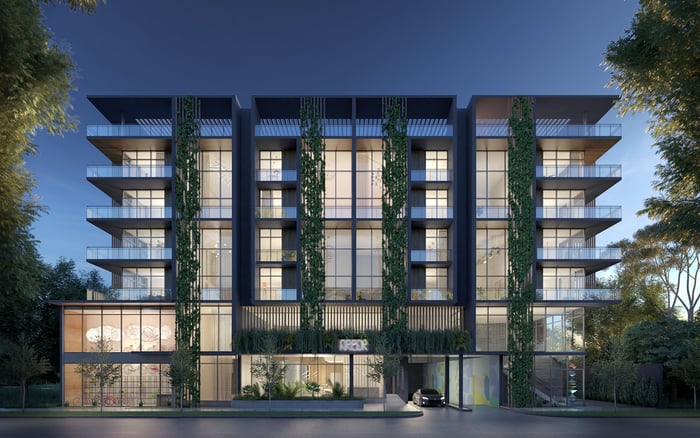
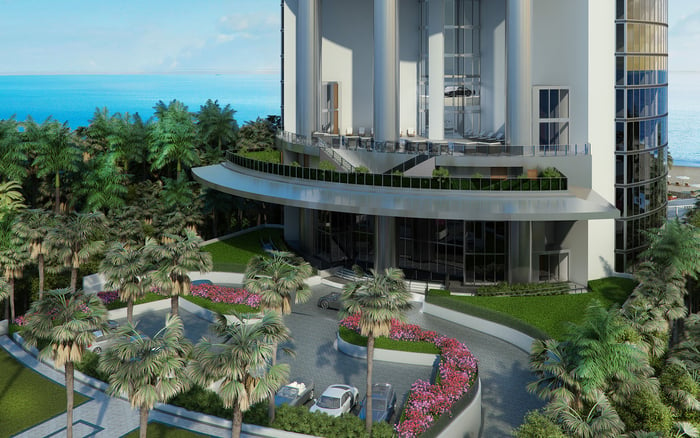
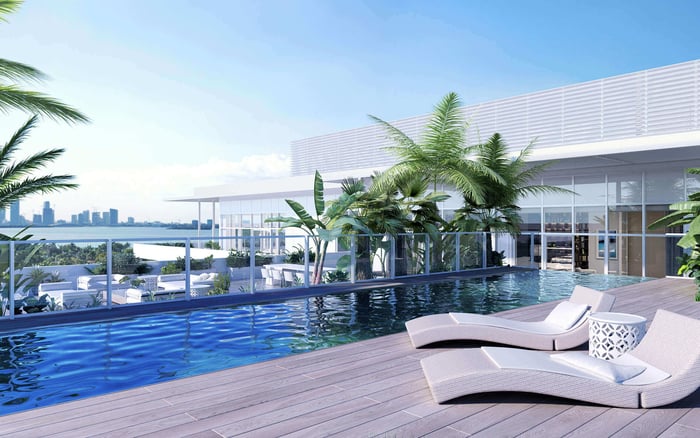
For long-term South Florida buyers, the right service model is less about spectacle than daily fit. Formal hospitality offers ceremony, recognition, and convenience, while quiet residential service prioritizes privacy, continuity, and calm ownership.
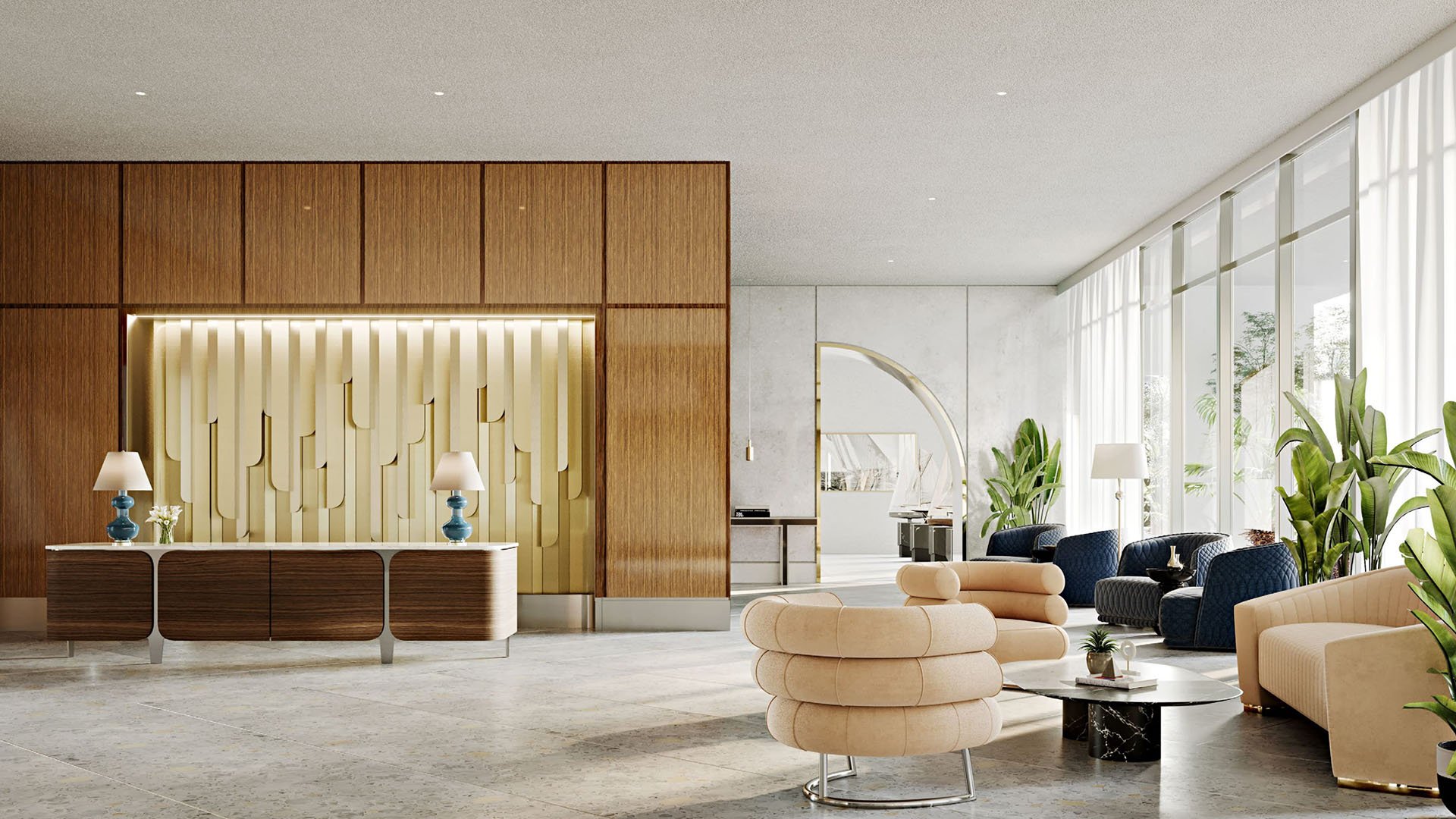
For buyers building a long-term South Florida base, the most important amenity may not be the largest pool, the highest lounge, or the most theatrical arrival. It is the service culture that shapes daily life after the closing, after the first season, and after the residence becomes part of a family’s actual rhythm.
That decision often comes down to two models. Formal hospitality offers a more ceremonial way to live, with polished arrival, attentive recognition, and the sense that the building operates as a private extension of a great hotel. Quiet residential service is more restrained. It prioritizes privacy, staff continuity, efficient management, and the feeling that the residence is a home first, not a stage.
Neither approach is inherently superior. For South Florida buyers weighing Brickell, Miami Beach, Coconut Grove, Palm Beach, Fort Lauderdale, and the barrier islands, the better question is not which model appears more luxurious. It is which model will age better with the way the owner actually lives.
Formal hospitality is compelling because it removes friction while adding ceremony. The owner arrives into a highly managed environment where greetings, valet flow, guest handling, concierge response, and common-area presentation are part of the building’s daily language. For buyers who entertain frequently, host visiting family, travel often, or want a residence connected to a broader world of service, that polish can be meaningful.
This is why Branded Residences continue to command attention in South Florida. A name can create expectations around tone, training, design discipline, and hospitality vocabulary. In Brickell, for example, buyers comparing a residential address such as St. Regis® Residences Brickell may be drawn to the idea of a more formal service environment in the center of the city. The appeal is not just convenience. It is confidence that arrival, guests, and day-to-day requests will feel considered.
Formal service is especially persuasive for owners who use the residence as a second home, split time between cities, or want staff to bridge the gap between absence and arrival. A well-run hospitality-forward building can make a return to South Florida feel seamless: the car is expected, guests are anticipated, reservations are handled, and the property carries a sense of occasion.
The tradeoff is that formality can become excess if the owner’s true preference is discretion. Some buyers admire the performance of hospitality during a tour, then discover that daily life calls for less ceremony and more invisibility.
Quiet residential service is not a lesser category. In many cases, it is the more sophisticated choice for a long-term base. Its luxury is measured in calm: consistent doormen, intuitive property management, careful maintenance, discreet package handling, easy elevator flow, and a culture that protects the owner’s privacy.
For families, full-time residents, and buyers who prize routine, this model can feel more natural. The best quiet-service buildings do not need to announce themselves every day. They operate with a residential cadence. Staff know preferences without performing recognition. Management solves issues before they become conversations. The building feels composed rather than activated.
This is often the attraction in neighborhoods where Lifestyle is less about spectacle and more about continuity. In Coconut Grove, for instance, buyers considering Four Seasons Residences Coconut Grove may be thinking as much about neighborhood rhythm, privacy, and day-to-day livability as about the service name itself. The Grove buyer often wants refinement, but not necessarily constant visibility.
Quiet service also matters in single-family alternatives and boutique residential environments, where a long-term owner wants autonomy. The building’s role is to support the household, not define it.
The right answer usually appears when the buyer maps service against use. A couple who spends four months a year in Miami Beach, entertains guests, and wants effortless arrival may place high value on formal hospitality. A family relocating with school-age children may care more about parking ease, staff consistency, storage, pet routines, and calm access. A finance or technology executive using Brickell as a weekday base may want a hybrid: formal enough for efficiency, quiet enough for recovery.
Miami Beach illustrates the distinction clearly. A buyer looking at Shore Club Private Collections Miami Beach may be attracted to the layered appeal of coastal living, design, and a polished service atmosphere. Yet the same buyer should still ask practical questions. How does the building handle visiting guests during peak season? Is the service experience consistent on a weekday morning, not only in the sales setting? Does the tone feel gracious after the third month, or merely impressive on day one?
Long-term ownership requires a different lens from vacation buying. The question becomes less about delight and more about durability. A service model should make ordinary days easier, not only exceptional days more glamorous.
Buyers often evaluate floor plans with precision and service with emotion. That order should be reversed. Service is a living system, and it deserves careful scrutiny.
During a tour, observe how staff interact with residents who are not part of the sales experience. Watch the pace of valet, the tone at the front desk, the lobby’s acoustic quality, and whether the arrival sequence feels choreographed or relaxed. Ask how requests are routed, how after-hours issues are handled, how vendors are managed, and how privacy is protected when guests, chefs, drivers, trainers, or household staff are part of daily life.
In Fort Lauderdale and Palm Beach County, where many buyers are building a more permanent South Florida base, the best service model may be the one that feels least intrusive. A residence such as The Ritz-Carlton Residences® Palm Beach Gardens may attract buyers who appreciate service discipline, but the long-term decision still depends on whether that service style supports the owner’s household without overwhelming it.
For Buyer's Guides, the overlooked variable is not the amenity list. It is the building’s temperament. Some properties feel social and highly programmed. Others feel private, steady, and residential. Both can be luxurious, but they serve different lives.
In South Florida’s upper tier, the strongest buildings increasingly aim for a hybrid: formal when the owner needs help, quiet when the owner wants privacy. This is the sweet spot for a long-term base. It gives the buyer confidence that guests, travel, dining, deliveries, wellness, and maintenance can be handled with polish, while allowing home life to remain personal.
The hybrid model is especially relevant for buyers moving capital and time into South Florida rather than simply purchasing a seasonal escape. They want the city’s energy without sacrificing domestic ease. They want recognition without exposure. They want staff who can coordinate complexity, but who understand when not to appear.
The final decision should be deeply personal. If the owner’s life is public, formal hospitality may create a useful buffer. If the owner’s life is family-centered, quiet residential service may preserve the atmosphere that makes a residence feel permanent. If the residence will host both board dinners and school mornings, the building must do both gracefully.
Luxury service is not the loudest promise in the brochure. It is the pattern of small decisions that makes the home feel better every week.
Is formal hospitality better for a second home? Often, yes. Buyers who arrive intermittently may value concierge support, polished arrival, and help returning the residence to readiness.
Is quiet residential service better for full-time living? It can be. Full-time owners often prioritize privacy, staff consistency, efficient maintenance, and a calm daily atmosphere.
Do branded residences always mean formal service? Not always. A brand may influence expectations, but each building has its own management culture and residential tone.
What should buyers observe during a tour? Watch staff interactions, valet flow, lobby noise, guest handling, and whether residents seem comfortable in ordinary moments.
Why does service matter for long-term value? A strong service culture supports daily satisfaction, resident retention, and the overall perception of the building over time.
Can a building feel too formal? Yes. If an owner prefers privacy and informality, constant ceremony can feel less like luxury and more like exposure.
What is the ideal service model for families? Families usually benefit from discreet reliability, practical support, easy access, and staff who understand household routines.
Does Miami Beach favor formal hospitality? Some Miami Beach buyers prefer it, especially for entertaining and seasonal use, but many still seek quiet residential privacy.
How should Brickell buyers think about service? Brickell buyers often need efficiency first, so the best service model balances urban convenience with a composed home environment.
What is the safest choice for a long-term South Florida base? The safest choice is a service culture aligned with the owner’s real routine, not the one that feels most impressive during a tour.
When you're ready to tour or underwrite the options, connect with MILLION.
If branded residences are on your mind — as a home or as an allocation — we would be glad to share what we are seeing, privately.
Begin a quiet conversation