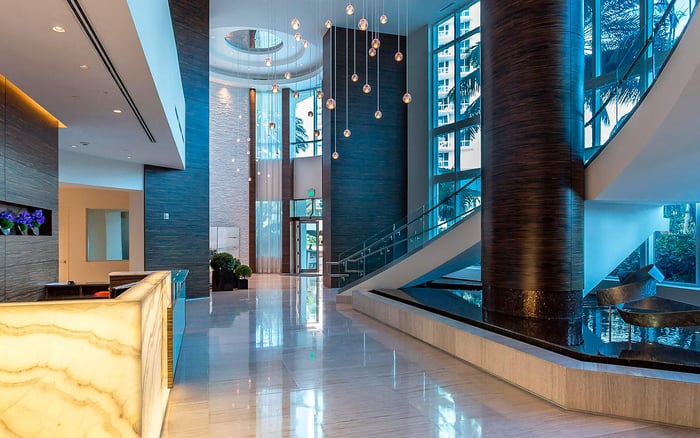
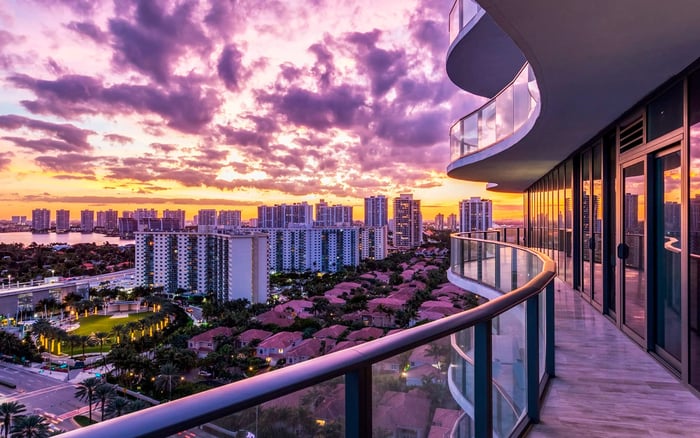
For 2026 luxury condominium buyers in South Florida, structural integrity reserve studies are no longer back-office paperwork. They are a central due diligence document, connecting safety, reserve funding, special assessments, lender review, and long-term ownership costs.

For South Florida’s 2026 condominium buyer, structural integrity is no longer a quiet line item buried in association records. It is a central question of value, financing, safety, and long-term ownership. A residence may offer exquisite finishes, cinematic water views, and a lobby that feels like a private club, but the more consequential issue may be whether the association has studied, priced, and funded the building systems that protect the asset.
Florida’s structural integrity reserve study rules apply to residential condominium and cooperative buildings that are three stories or higher. Existing associations controlled by unit owners were required to complete a SIRS by December 31, 2024, for covered buildings. That timing matters for buyers entering the market in 2026: the question is no longer whether a building has heard of SIRS, but whether the study exists, whether it is current, and whether the association’s budget reflects it.
In prime markets from Brickell to Surfside, polished amenities should be read alongside reserve schedules. Buyers comparing newer offerings such as The Residences at 1428 Brickell with established coastal buildings should treat structural documentation as part of the luxury experience, not as an administrative afterthought.
Begin with eligibility. If the property is a residential condominium or cooperative building of three stories or more, it may fall within Florida’s SIRS framework. A buyer should ask the association or seller whether the building is legally required to have a structural integrity reserve study and, if so, request the completed study, not a summary or informal assurance.
The study must include a visual inspection by a Florida-licensed engineer or architect. That professional requirement matters because a SIRS is not simply a spreadsheet of future replacements. It is a reserve study tied to the visible condition of key structural and building components.
A proper SIRS must address major systems, including roofs, load-bearing walls, floors, foundations, fireproofing and fire protection, plumbing, electrical systems, waterproofing and exterior painting, windows, and exterior doors. It must also include any item with a deferred-maintenance or replacement cost exceeding $10,000 that affects the structural integrity of the building. In South Florida, where salt air, humidity, wind exposure, and hurricane conditions shape ownership costs, those categories are not theoretical.
The most sophisticated 2026 buyers will move quickly past the existence of the document. The better question is whether the association is actually funding the work identified in the SIRS.
Florida law generally requires a SIRS at least every 10 years for covered buildings, so buyers should ask for the date of the most recent study and compare it with current budgets. After December 31, 2024, unit-owner votes may not waive or reduce reserves for SIRS-listed items in covered condominium buildings. That means old habits of reserve deferral can collide with newer funding realities.
Ask how the association intends to pay: pooled reserves, component reserves, special assessments, association loans, or another funding path. Then compare that plan with the current budget, financial statements, and board minutes. If a reserve schedule calls for substantial near-term work while the budget remains unusually lean, the gap may later appear as an assessment, a loan, higher monthly dues, or reduced marketability.
In Miami Beach, where buyers may be drawn to the design language and setting of residences such as The Perigon Miami Beach, the same discipline applies: beauty and stewardship should be evaluated together. The best buildings are not merely maintained; they are financially prepared to maintain themselves.
A structural integrity reserve study and a milestone inspection are related in spirit, but they are not substitutes. Florida milestone inspection rules separately apply to condominium and cooperative buildings that are three stories or higher. Covered buildings generally need a milestone inspection by December 31 of the year they reach 30 years of age and every 10 years thereafter.
Local enforcement agencies may require a milestone inspection as early as 25 years if local conditions justify it, including environmental exposure such as proximity to seawater. If a milestone inspection identifies substantial structural deterioration, a more detailed phase-two inspection is required.
For a buyer, this creates a layered due diligence file. The SIRS speaks to reserve planning for structural and building components. The milestone inspection speaks to the condition and safety review required at specific building ages. A building may have one document and still require attention on the other.
The importance of this distinction became deeply personal for South Florida after the 2021 Champlain Towers South collapse in Surfside, which intensified attention on aging coastal condominium structures. In that context, buyers considering Surfside addresses, including The Delmore Surfside, should approach structural diligence with calm seriousness rather than fear. The goal is not to avoid condominium living; it is to understand the building’s stewardship culture.
State-level requirements do not erase local building safety programs. Miami-Dade County has its own building recertification process, so buyers in Miami-Dade should ask whether a building is current on county or municipal recertification obligations in addition to SIRS and milestone compliance.
Broward also maintains a building safety inspection program. In Fort Lauderdale, Pompano Beach, Hallandale Beach, and other Broward markets, a buyer should confirm whether local safety-inspection obligations are pending, completed, or tied to open repair work.
For coastal buyers, this is where geography becomes financial. Waterproofing, balconies, garage and podium areas, concrete spalling, roofs, windows, exterior doors, and building-envelope upgrades deserve careful attention. If the board minutes repeatedly discuss postponed concrete or waterproofing work, that is not background noise. It is part of the ownership story.
Condominium associations must keep official records, and resale purchasers are entitled to specific condominium documents and disclosures. Before closing, buyers should verify that required documents have been delivered and reviewed with qualified counsel, an inspector, and, where appropriate, an engineer.
Request the SIRS, the latest milestone inspection, local recertification status, current reserve schedule, budgets, financial statements, board minutes, engineering reports, open permits, repair proposals, special-assessment records, insurance renewals, and any correspondence discussing major building work. These records should be read together. A single clean document does not cure conflicting evidence elsewhere.
Buyers should also involve lenders early. Projects with significant deferred maintenance, unsafe conditions, unresolved special assessments, critical repairs, or material deficiencies may be treated as ineligible or higher-risk by financing standards. Even cash buyers should pay attention, because future purchasers may need financing, and lender concerns can affect liquidity.
New-construction buyers are not exempt from disciplined questions. In Sunny Isles, for example, a buyer looking at St. Regis® Residences Sunny Isles may be focused on design, hospitality, and views, but long-term governance and reserve planning still belong in the conversation once association responsibilities begin.
Several warning signs merit deeper inquiry. Missing SIRS documentation is the clearest. So are unusually low reserves, repeated deferral of waterproofing or concrete repairs, unresolved milestone issues, recent large special assessments, lender reluctance, or board minutes showing recurring debate about structural repairs without a clear funding path.
None of these facts automatically means a buyer should walk away. In some luxury buildings, a special assessment may be the responsible outcome of a board choosing to address capital needs directly. What matters is transparency, professional oversight, realistic budgeting, and a credible timeline. A well-funded repair plan can be more reassuring than a low-maintenance building with unpriced problems.
In South Florida’s ultra-prime market, discretion does not mean passive due diligence. It means asking the right questions early, before a residence’s emotional appeal outruns the building’s financial and structural reality.
Does every South Florida condo need a SIRS? No. Florida’s SIRS rules apply to residential condominium and cooperative buildings that are three stories or higher.
What should a SIRS include? It should address major structural and building systems, including roofs, load-bearing walls, foundations, plumbing, electrical systems, waterproofing, windows, and exterior doors.
Who performs the visual inspection for a SIRS? The visual inspection must be performed by a Florida-licensed engineer or architect.
How often should a covered building have a SIRS? Florida law generally requires a SIRS at least every 10 years for covered buildings.
Can owners vote to waive SIRS reserves? After December 31, 2024, unit-owner votes may not waive or reduce reserves for SIRS-listed items in covered condominium buildings.
Is a SIRS the same as a milestone inspection? No. A SIRS is a reserve-planning study, while a milestone inspection is a separate building safety inspection requirement for covered buildings.
When are milestone inspections generally required? Covered buildings generally need a milestone inspection by December 31 of the year they reach 30 years of age and every 10 years afterward.
Can coastal buildings face earlier milestone review? Yes. Local enforcement agencies may require inspection as early as 25 years when local conditions justify it, including proximity to seawater.
Why do lenders care about SIRS findings? Deferred maintenance, unsafe conditions, unresolved special assessments, and critical repairs can affect whether a project is viewed as financeable or higher-risk.
What records should buyers request during due diligence? Buyers should request the SIRS, milestone reports, budgets, financial statements, board minutes, engineering reports, special-assessment records, permits, and local recertification status.
For a confidential assessment and a building-by-building shortlist, connect with MILLION.
If branded residences are on your mind — as a home or as an allocation — we would be glad to share what we are seeing, privately.
Begin a quiet conversation