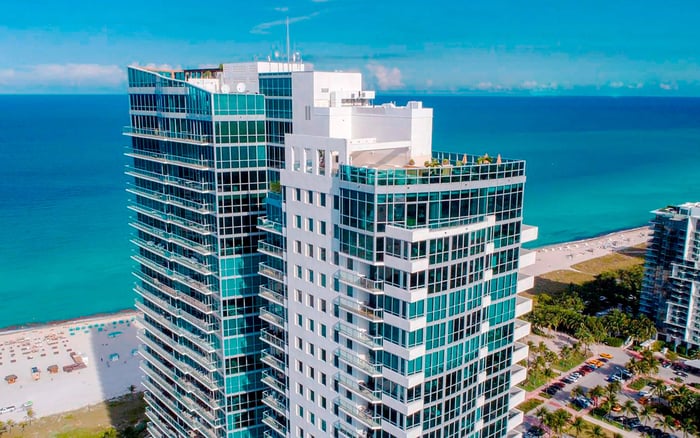
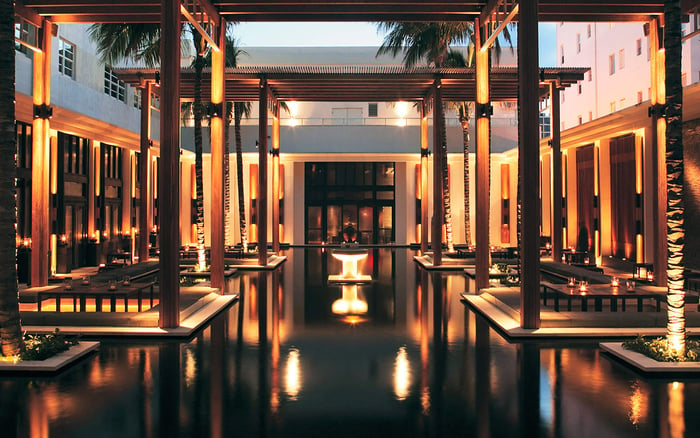
A buyer-focused comparison of Delano Residences & Hotel Miami and Setai Residences Miami Beach through the lens of hotel heritage, privacy, social rhythm, and beachfront ownership.
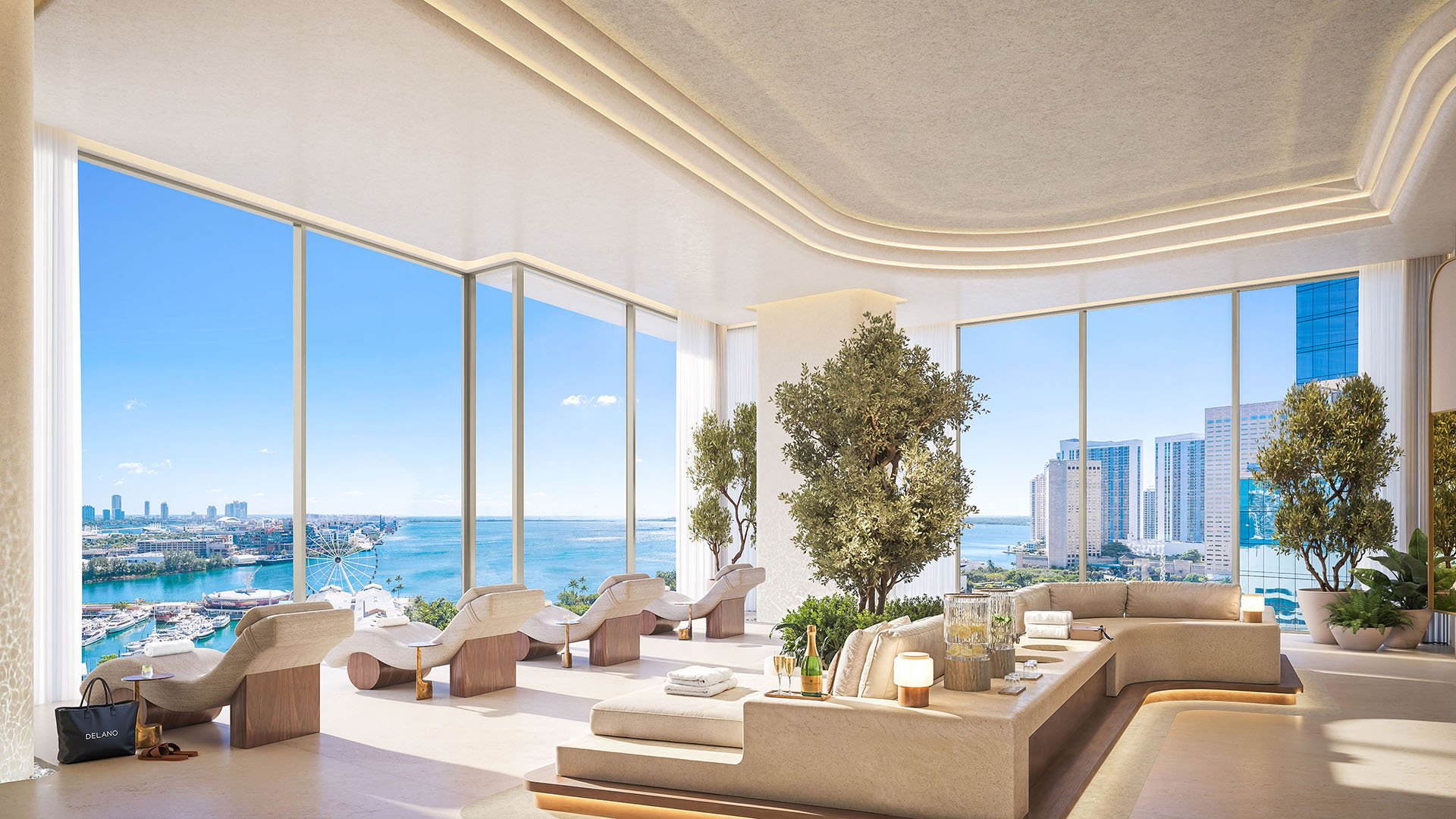
For South Florida luxury buyers, the comparison between Delano Residences & Hotel Miami and Setai Residences Miami Beach is less about choosing a famous name than choosing a social temperature. Both names invite a hotel-heritage conversation, yet the ownership psychology can differ sharply. One buyer may want a residence connected to hospitality energy, with a more active resort rhythm. Another may want the opposite: a private, composed beachfront sanctuary where the most important luxury is not being seen unless one chooses to be.
Setai Residences Miami Beach sits on the clearer side of that divide. It is positioned as an ultra-luxury residential property in Miami Beach, shaped by beachfront ownership and a design identity that favors Asian-inspired restraint. Its appeal is not theatrical arrival. It is privacy, curated exclusivity, and an atmosphere that reads more like a retreat than a stage.
That distinction matters because branded and hotel-associated residences are not interchangeable. Some buyers pursue service, social access, and a lobby that feels alive. Others seek a protected daily rhythm, where amenities support personal restoration rather than public performance. The real comparison is not simply Delano versus Setai. It is visibility versus discretion, scene versus sanctuary, and the degree to which a home should participate in Miami’s social current.
Setai’s strength is the clarity of its mood. The property is best understood as a calmer, more secluded counterpoint within the Miami Beach luxury landscape. Its design language is associated with refined simplicity, sophisticated minimalism, natural materials, clean lines, and water-feature sensibilities. In practice, that creates a residential identity that feels intentionally quiet, with luxury expressed through proportion, texture, and restraint.
For buyers who value beachfront ownership without a constant sense of public display, Setai offers a compelling emotional proposition. The experience is curated rather than loud. High-end amenities support the luxury positioning, but the defining idea is privacy. This setting appeals to an owner who wants the beach, the service culture of a prestigious address, and the ability to move through the property without being absorbed into a larger social spectacle.
That is why Setai resonates with owners who prize exclusivity without ostentation. It is not anti-social. It is selective. The social life here is likely to feel personal, deliberate, and invitation-driven. A dinner after sunset, a quiet swim, a morning walk by the water, or an extended stay structured around wellbeing and privacy all fit the property’s tone. For an owner who wants Miami Beach without the full public charge of Miami Beach, that nuance is central.
Because this comparison is framed around Delano Residences & Hotel Miami, the buyer question naturally shifts to what a hotel-residence identity can imply. Without relying on unsupported particulars, the name itself places the residence in a hospitality conversation. Buyers drawn to that model often think about energy, arrival, hosting, and the possibility of a more socially animated environment.
That does not make one style superior. It makes the decision more personal. A hotel-residence model can appeal to owners who like the idea of life unfolding around service and social momentum. It can feel appropriate for buyers who host frequently, split time between cities, or want a home that carries a sense of occasion. The appeal is less about retreating from Miami’s energy and more about having a refined residential base that can connect to it.
Setai, by contrast, is more firmly aligned with the residential sanctuary side of the spectrum. If the Delano conversation points toward active hotel-resort sociality, Setai points toward discretion. For some buyers, that quietness is the highest form of luxury. For others, it may feel too private. The correct answer depends on how an owner wants to feel on a Thursday evening, not only on what name appears above the entrance.
The broader Miami Beach and oceanfront market offers many shades between resort energy and residential calm. A buyer considering Setai may also look at The Perigon Miami Beach or Shore Club Private Collections Miami Beach to understand how different properties position privacy, design, and hospitality influence. Comparable oceanfront residences may also enter the mental map for buyers who want a residential address shaped around coastal living.
The vocabulary matters. Oceanfront, beach-access, exclusive-area, condo-hotel, and Miami Beach are not merely search terms. They are signals of how buyers organize lifestyle priorities. Oceanfront implies daily contact with the water. Beach-access speaks to ease and immediacy. Exclusive-area suggests a preference for controlled surroundings. Condo-hotel points toward a hospitality-influenced ownership framework. Miami Beach, in this context, captures the tension between international glamour and the desire for privacy.
Setai’s role in that field is distinctive because it leans into composure. Its Asian-inspired aesthetic, minimalism, and sanctuary-like positioning create a more introspective interpretation of beachfront ownership. For the buyer who has already lived with visibility, that restraint can feel refreshing. For the buyer who equates Miami with movement, nightlife, and constant hosting, a more socially active hotel-residence proposition may feel more aligned.
The most useful way to compare these residences is to imagine the owner’s daily script. Does the day begin with quiet, water, and a sense of removal from the city’s performance? Setai is naturally persuasive. Does the owner prefer the feeling that the building itself participates in hospitality culture, with a stronger potential sense of arrival and social life? Then the Delano side of the comparison may deserve attention.
For couples and families, the decision can also hinge on privacy tolerance. Some households want a residence that protects routine and lowers the social volume. Others want an address where guests immediately sense a hotel-informed pulse. Investors and second-home buyers may evaluate the same question differently, thinking not only about design but also about how often they will use the home, how they entertain, and whether they want the property to feel like a private residence first or a social destination first.
Setai’s strongest appeal lies in its refusal to overstate. It is ultra-luxury, beachfront, and highly composed, but the emotional message is not spectacle. It is serenity. The Delano comparison is valuable because it clarifies that not every hotel-associated residential choice serves the same personality. In South Florida’s premium market, the best residence is often the one whose atmosphere matches the owner’s preferred level of exposure.
Is Setai Residences Miami Beach a beachfront ownership option? Yes. Setai is framed as a beachfront luxury ownership option in Miami Beach.
What type of buyer is most aligned with Setai Residences Miami Beach? Setai suits buyers who value privacy, curated exclusivity, and a calm residential atmosphere.
How would you describe Setai’s design style? Its identity is Asian-inspired, with refined simplicity, clean lines, natural materials, and water-feature sensibilities.
Is Setai more social or more private in character? Setai is best understood as the quieter, more privacy-focused side of this comparison.
What is the core difference between Delano and Setai for buyers? The core difference is social style: a hotel-residence energy versus a more secluded beachfront sanctuary.
Does hotel heritage always mean a busy lifestyle? No. Hotel heritage can support service, design, and prestige, but each property expresses that heritage differently.
Why does beachfront ownership matter in this comparison? Beachfront ownership shapes the daily rhythm, from morning routines to privacy, views, and access to the water.
Is Setai intended for buyers who want public visibility? Setai is better suited to buyers who prefer exclusivity without heavy public visibility or ostentation.
Should buyers compare other Miami Beach residences as well? Yes. Comparing nearby luxury residences can clarify how much privacy, service, and social energy a buyer wants.
What is the simplest way to decide between these lifestyles? Choose the property whose atmosphere matches how you want to live, host, retreat, and be seen.
If you'd like a private walkthrough and a curated shortlist, connect with MILLION.
If branded residences are on your mind — as a home or as an allocation — we would be glad to share what we are seeing, privately.
Begin a quiet conversation