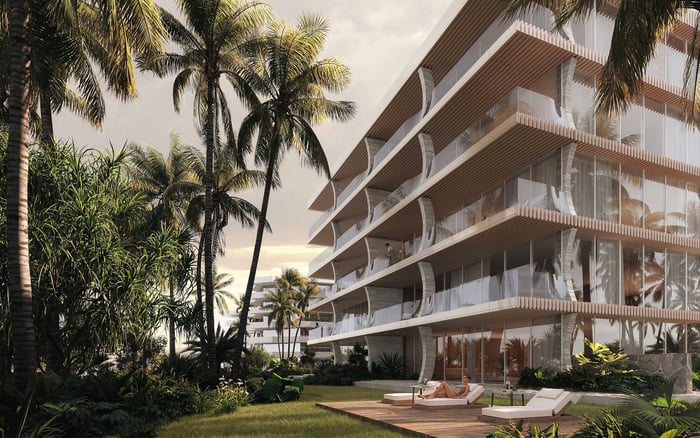
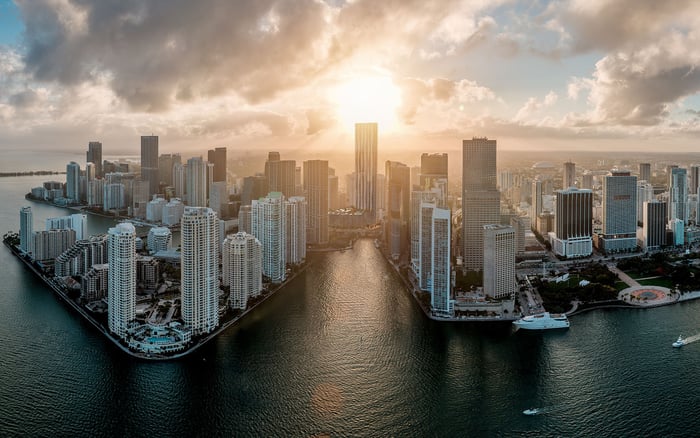
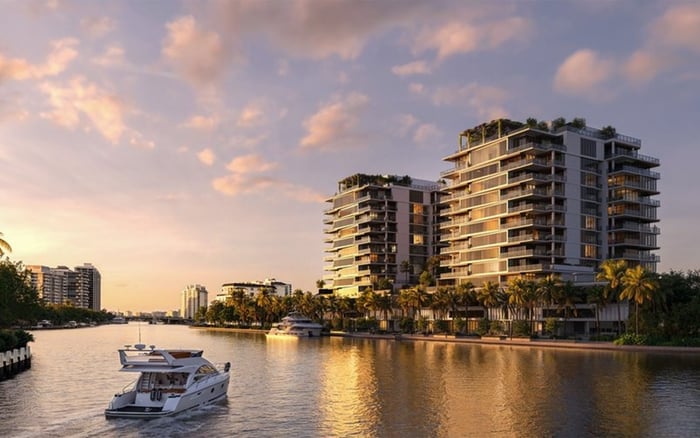
West Palm Beach and Fort Lauderdale are in the midst of a consequential new-construction cycle, with ultra-boutique towers, branded residences, and mixed-use districts reshaping what “downtown” luxury means on the water. For buyers, the opportunity is not simply to choose a building, but to choose a lifestyle thesis: quiet, generational Palm Beach adjacency versus an urban, marina-forward Broward core. This editorial maps the two markets through what has been publicly reported so far, and offers a practical framework for evaluating inventory that is arriving in waves.
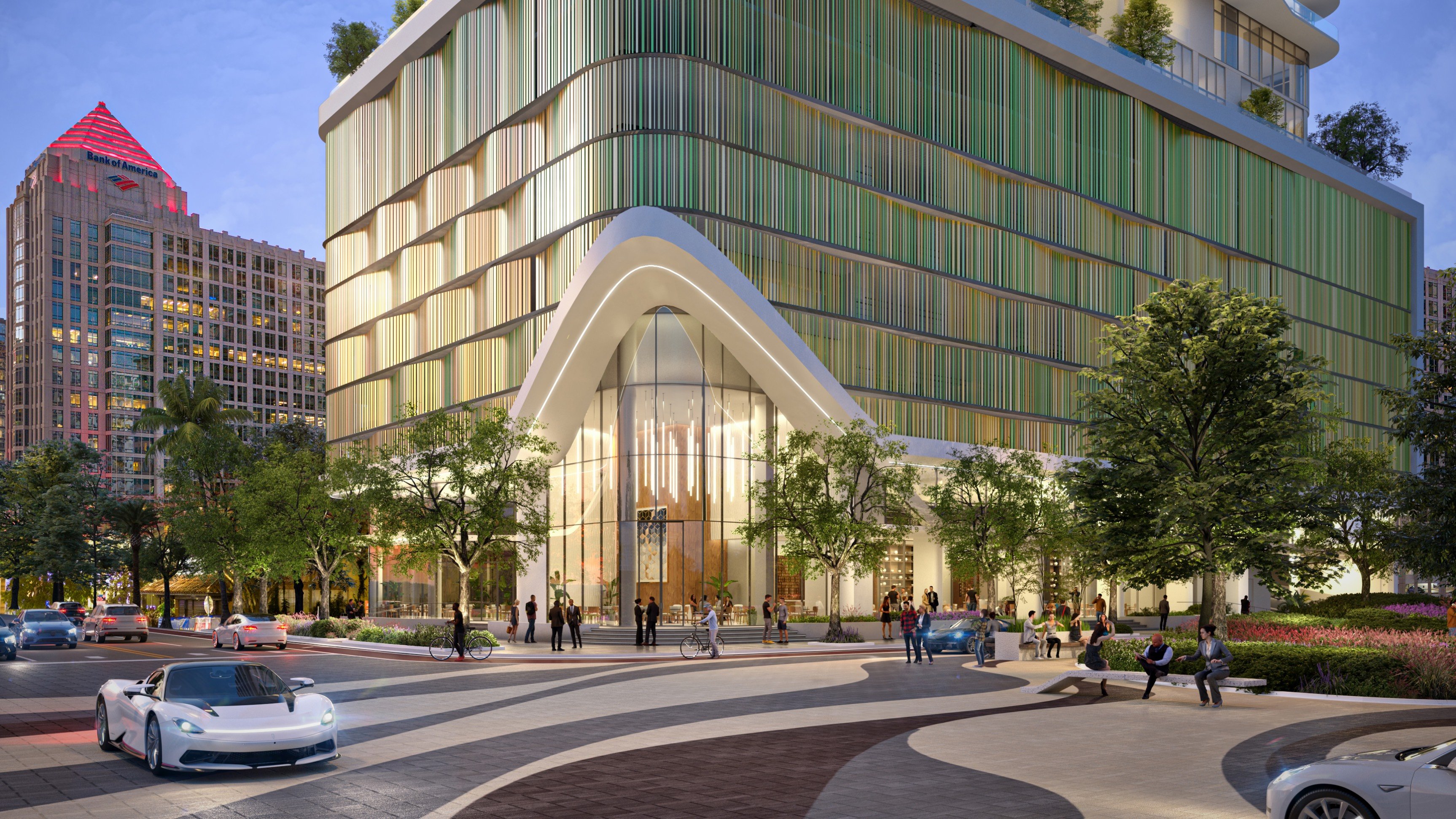
In South Florida’s luxury conversation, “Downtown” no longer points to one uniform lifestyle. In West Palm Beach, it often signals Flagler Drive, Intracoastal views, and a growing mix of finance, culture, and waterfront living. In Fort Lauderdale, it can mean the Las Olas corridor, the broader urban core, and the increasingly seamless connection between high-rise residences and walkable neighborhoods.
What separates the current cycle is how many distinct product philosophies are arriving at the same time. Ultra-boutique buildings treat scarcity as the amenity. Higher-density towers expand the range of entry points into luxury. Brand-led concepts translate hotel and yachting service models into private residential operations. The practical result is that the “best” choice is rarely universal. Fit matters more: daily rhythm, privacy expectations, boating needs, and comfort with downtown energy.
West Palm Beach and Palm Beach County have been widely covered as a finance-driven migration destination, sometimes described as the “Wall Street of the South.” For housing, the implication is not simply more buyers, but a different buyer profile: principals and executives seeking a second headquarters lifestyle, with residences that can function like primary homes for part of the year.
Fort Lauderdale’s thesis is complementary, not identical. The Downtown Development Authority has pointed to strong national prospects for homebuilding, and the city continues to build momentum through public and private investment. For luxury buyers, that context matters because it shapes what surrounds a building: streetscape quality, restaurant depth, culture, and the pace at which an urban core becomes more complete.
Across both markets, the most consequential shift is how prime waterfront addresses are being used. These are increasingly treated as year-round residential environments rather than purely seasonal pied-à-terres. That raises expectations for arrival experience, security, amenity programming, and the operational discipline that keeps a property running smoothly.
West Palm Beach’s newest inventory is clustering along the water, and the narrative is increasingly defined by scale, pedigree, and scarcity.
One of the most discussed projects is South Flagler House, planned as twin 28-story towers designed by Robert A.M. Stern Architects. Public reporting has described 108 residences with large floor plans, with pricing beginning in the high $7 million range and extending into the $30 million-plus range depending on the residence. Beyond the headline numbers, the signal is that West Palm’s luxury ceiling is being tested in public, and the market is more comfortable speaking in Palm Beach-adjacent pricing.
At the other end of the spectrum is the boutique proposition. Forté on Flagler has been positioned as a limited-count luxury condominium, with public descriptions citing 41 units. In a cycle dominated by new towers, boutique inventory offers a different kind of prestige: fewer neighbors, fewer moving parts, and a quieter ownership experience that can feel closer to a private club than a conventional high-rise.
For buyers who prioritize brand-led service, the arrival of The Ritz-Carlton Residences® West Palm Beach has been framed as part of a growing pipeline of hotel-branded residences in the city. For households balancing multiple homes and complex travel schedules, brand standards can read as a proxy for operational consistency, staffing expectations, and long-term maintenance discipline.
The core decision in West Palm today is not simply “new versus old.” It is which philosophy you want to live inside: a scarce, boutique building with an intimate atmosphere, or a larger-scale, statement development positioned to redefine the waterfront skyline.
Fort Lauderdale’s downtown luxury market is deepening on the waterfront while also expanding inward through mixed-use density.
On the waterfront, the Pier Sixty-Six redevelopment has offered a clear signal of price acceptance at the top end. A penthouse in Pier Sixty-Six’s Indigo building reportedly sold for $14.5 million, described in local coverage as a Broward County record for a new-construction condo sale. The broader takeaway is that buyers will pay for a comprehensive waterfront and marina lifestyle when it is delivered at a resort standard and anchored by a major redevelopment.
Branded residential is also sharpening the city’s identity. Four Seasons Hotel & Private Residences Fort Lauderdale speaks to buyers who value hospitality-grade service and a lock-and-leave profile. For many luxury households, service is not decorative. It determines whether a residence functions as a true second home rather than an ongoing project.
Fort Lauderdale’s yachting layer adds another differentiator. Riva Residenze Fort Lauderdale has been marketed as a yacht-branded residences concept with a focus on boating lifestyle integration. Regardless of where one lands on branding, the premise aligns with Fort Lauderdale’s global reputation: the marina can be as central to daily life as the lobby.
Meanwhile, the downtown build-out continues beyond strictly waterfront towers. Flagler Village is absorbing major investment, including a roughly $500 million mixed-use redevelopment known as FAT Village that adds multifamily density plus office and retail, with completion targets publicly discussed as mid-2026. For luxury buyers, these projects matter because they reshape everyday livability: galleries, cafés, fitness concepts, and the kind of casual walkability that reduces reliance on a car.
In this cycle, product type shapes the lived experience as much as views or finishes. A few distinctions can clarify the decision.
Boutique buildings tend to optimize for privacy, neighbor quality, and a calmer residential rhythm. With unit counts reportedly as low as 41 in some cases, the experience can feel more curated and more predictable day to day. The trade-off is that amenities may be more focused rather than expansive, and resale liquidity can be more idiosyncratic because there are fewer comparable sales.
If you are drawn to the boutique thesis in West Palm, Forté on Flagler West Palm Beach is often discussed as a clear example of the limited-count approach.
Branded residences can reduce decision fatigue for buyers who want a legible operating standard: staffing expectations, maintenance protocols, and a service culture that is recognizable to international audiences. In certain cycles, branding can also support resale readability because it is easier to explain the product to out-of-market buyers.
That said, due diligence still matters. It is important to understand what is truly delivered by the brand and what is delivered by the building’s ownership structure. Branding is a framework, not a guarantee.
Larger towers can create meaningful variety across floor plans and price points. In Fort Lauderdale, for example, Viceroy Residences has been presented publicly as a 46-story tower with a large number of residences, which can widen the buyer funnel. The trade-off is that density changes the feel of arrival, elevator demand, and shared spaces, particularly during peak season.
Luxury due diligence increasingly lives in operations, not just finishes. A few points deserve focused attention in this cycle.
West Palm Beach is leaning into a polished, Palm Beach-adjacent identity with trophy-scale projects and boutique counterpoints. Fort Lauderdale is translating its waterfront and yachting DNA into a downtown that is becoming denser, more walkable, and more brand-oriented.
For buyers, the most strategic move is to pick the city whose lifestyle story you will actually live, then choose the building that expresses that story with the fewest compromises. In a cycle this active, restraint is a feature and clarity is leverage.
Is Downtown West Palm Beach primarily a waterfront luxury market? Increasingly, yes. Much of the headline new inventory is tied to the Flagler waterfront, with product ranging from boutique buildings to trophy-scale towers.
What is driving Fort Lauderdale’s downtown condo momentum? Public-facing indicators point to strong homebuilding prospects and sustained investment in the urban core, alongside demand for marina and resort-style waterfront living.
Do branded residences typically hold value better? They can be easier to position to international and out-of-market buyers due to recognition and service expectations, but outcomes depend on execution, fees, and management quality.
How should buyers think about boutique buildings versus large towers? Boutique often emphasizes privacy and scarcity, while larger towers can offer more plan choices and sometimes more extensive amenities, with a different density and energy.
For private guidance on Downtown opportunities in West Palm Beach and Fort Lauderdale, connect with MILLION Luxury.
If branded residences are on your mind — as a home or as an allocation — we would be glad to share what we are seeing, privately.
Begin a quiet conversation