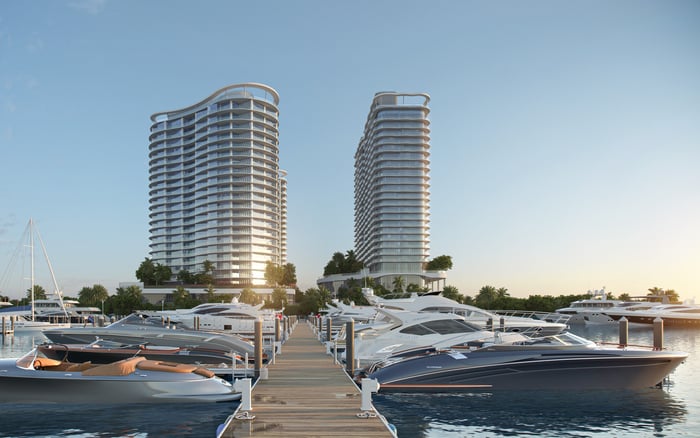
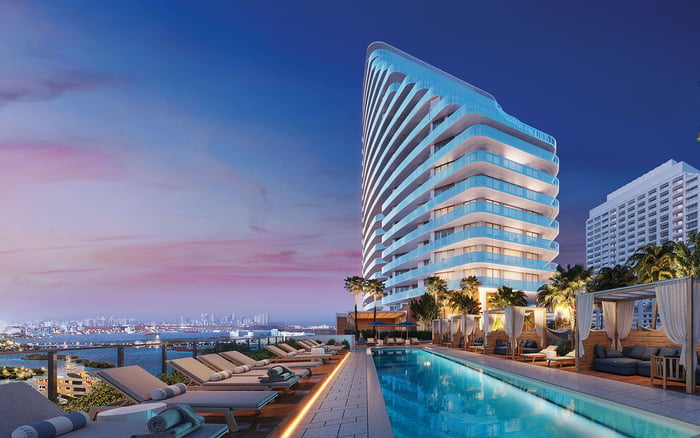
A discreet, buyer-oriented look at what “premium finishes” can mean at Sixth & Rio Fort Lauderdale, with special attention to Italkraft cabinetry and how to evaluate execution, durability, and long-term value.
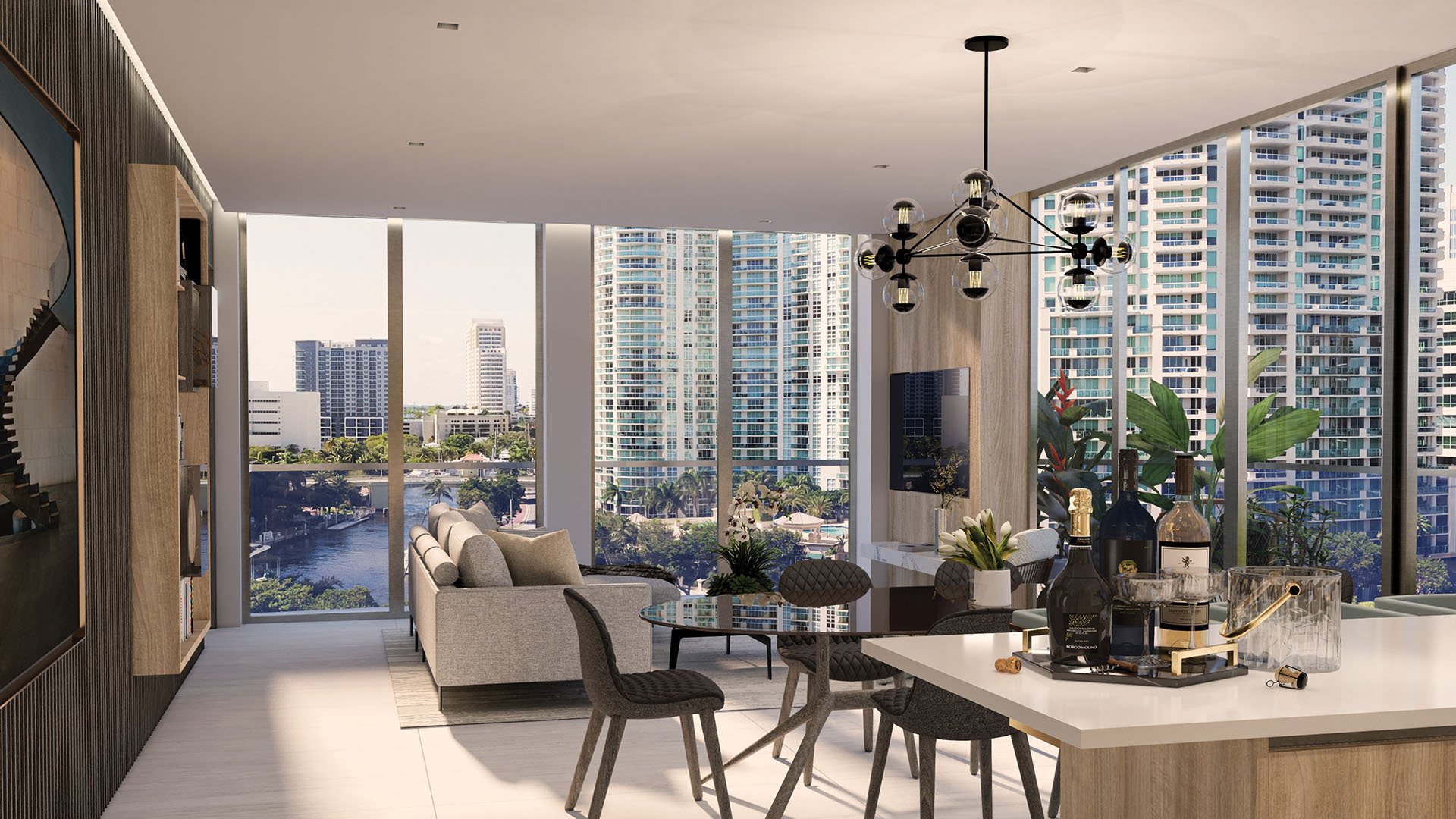
In a luxury residence, “premium finishes” are not a mood-board promise. They are a daily, tactile experience-one that either fades into quiet satisfaction or reveals itself through misalignment, wear, and maintenance friction. At Sixth & Rio Fort Lauderdale, the focus on finishes is especially timely: today’s buyer expects two things at once-a visually restrained palette that will still feel current a decade from now, and construction choices that can perform in South Florida’s humidity, salt air, and high-occupancy lifestyles.
Cabinetry sits at the center of that equation. It is the most-used “moving part” in a home, and it touches nearly every other finish category, from countertops and backsplashes to lighting, appliance integration, and even acoustics. When a residence includes Italkraft cabinetry, the headline is not the brand name alone. The real question is whether the installation, hardware specification, and long-term service plan elevate the cabinetry into a true luxury system.
This editorial is a buyer’s guide to evaluating premium finishes and Italkraft cabinetry with the mindset of an owner-not a showroom visitor.
Italkraft is often associated with contemporary, European-leaning kitchen design: clean lines, integrated storage, and cabinetry that functions as architecture. But “Italian-style” is not the same as luxury execution. The difference lives in details you can verify during a tour, a design appointment, or a pre-closing walk.
Start with fundamentals that separate decorative cabinetry from a robust, serviceable system:
Look for consistent reveals between doors and panels, and note whether alignment holds through repeated opening and closing. Even minor inconsistencies read louder in minimalist kitchens.
Soft-close is common. What feels premium is controlled, quiet motion with no rebound, plus stable drawer glide under load. Ask what hardware line is specified and whether replacements are readily available.
High-gloss and ultra-matte finishes can both be excellent, but they wear differently. Pay close attention to corners, edges near sinks, and zones where a ring or watch may contact surfaces.
Premium reads as intentional on the inside: well-finished cabinet boxes, clean fastening, and storage solutions that feel designed rather than added.
True luxury includes the ability to preserve the original look. Ask how warranty service is handled for door replacements, color matching, and hardware adjustments after move-in.
If the cabinetry is the “face” of the kitchen, the less visible supporting decisions matter just as much. Under-sink protection, moisture management, and ventilation planning can determine whether a pristine kitchen stays pristine.
Fort Lauderdale buyers often split time between primary residence and second-home use. That changes how finishes should be judged. A residence that sits closed for weeks should resist humidity-related issues; a residence that hosts frequently must stand up to abrasion and repeated cleaning.
Here is a practical checklist to use when assessing finishes at Sixth & Rio:
Premium stone is less about rarity and more about fabrication discipline. Study how veins are matched across seams, how miters are executed on waterfall edges, and whether backsplash transitions are crisp. Run your eye along the countertop line to confirm flatness and consistent overhang.
Look for straight runs and tight baseboard joins. In high-rise environments, subtle sound transfer becomes noticeable; a well-specified floor assembly and careful perimeter detailing can strengthen the sense of calm.
Luxury walls are defined by what you do not see: waviness, telegraphed joints, inconsistent texture. Check corners for clean lines, and review walls in natural light-which is far less forgiving than evening lighting.
For a quiet, hotel-level experience, focus on door weight, hinge feel, and threshold transitions. These elements are handled thousands of times per year and quickly expose value engineering.
Lighting is an amplifier. Evaluate how under-cabinet illumination is integrated, whether fixtures deliver even coverage without hotspots, and whether dimming is smooth rather than stepped. Premium lighting makes stone read richer, cabinetry appear flatter and more precise, and spaces feel deliberately composed.
A luxury kitchen is ultimately a set of coordinated tolerances. Cabinetry, appliances, ventilation, plumbing, and electrical should be orchestrated so the design remains effortless under real use.
When touring Sixth & Rio, think in terms of “systems integration”:
Integrated appliance panels should sit flush with consistent gaps. Proud edges or uneven panel thickness disrupt the modern effect.
In a condo, effective ventilation supports comfort and cleanliness. Ask how cooking odors and humidity are managed, and whether the design supports serious cooking or is optimized for light use.
The sink base is a stress test. Look for protective liners, tidy plumbing, and logical placement of disposals or filtration systems if applicable.
If you are comparing kitchens across South Florida, notice how finishing priorities vary by market. Brickell often leans into high-design minimalism, visible in projects like 2200 Brickell and 888 Brickell by Dolce & Gabbana, where the “wow” factor can prioritize statement materials and brand-forward design language. Fort Lauderdale luxury, by contrast, increasingly rewards a quieter, more livable sophistication that holds up to beachfront weekends, boating schedules, and frequent entertaining.
Buyers often concentrate on kitchens, but bathrooms are where finishing discipline becomes unavoidable. Tile alignment, slope, waterproofing, and glass installation reveal the caliber of subcontracting and supervision.
When evaluating a primary bath:
Look for symmetrical layouts around focal points, tight grout lines, and clean edge terminations. Premium work minimizes small “sliver” cuts at corners.
Glass should feel rigid and precisely set. The best installs read almost invisible and do not rattle.
A luxury shower should drain decisively without puddling. If you can, run water during inspection.
Matching finishes across valves, showerheads, and accessories reads intentional. Mixed metals can be beautiful, but only when coordinated.
For broader context on how bathroom finish packages can be positioned in the coastal luxury segment, compare the hospitality-leaning expectations in Auberge Beach Residences & Spa Fort Lauderdale with the ultra-curated, brand-driven approach often seen in Miami Beach offerings like 57 Ocean Miami Beach. Each market teaches a different lesson: durability and comfort versus spectacle and signature.
Premium finishes are often discussed as materials: wood, stone, metal. In practice, the most luxurious interiors are defined by tolerances and transitions.
Pay attention to these “quiet markers”:
Consistent reveals between panels and trim create a composed, architectural feel.
Floor-to-tile transitions, countertop-to-backsplash junctions, and door thresholds should look deliberate and feel smooth.
While you may not be able to measure sound performance during a brief tour, you can spot clues: solid-core doors, tight window and balcony door seals, and minimal vibration in cabinetry.
If your lifestyle includes hosting, also consider stain resistance, scratch visibility, and how easily surfaces can be restored. The most expensive finish is the one that looks tired in two years.
A luxury purchase deserves a luxury inspection posture: calm, systematic, and documented. The goal is not to “catch” flaws. It is to confirm the residence matches the standard implied by its pricing and positioning.
Bring a short, high-impact checklist:
Open and close every cabinet door and drawer. Listen and feel for consistency.
Check cabinet faces under angled light for ripples, dents, or finish variation.
Inspect countertop seams, especially at corners and long runs.
Turn on all faucets and showers. Look for leaks, water-pressure consistency, and immediate drainage.
Test lighting scenes and dimmers, including under-cabinet lighting.
Verify that paint touch-ups are not conspicuous in natural daylight.
If anything needs adjustment, request that fixes be completed at the same level of craftsmanship as the original installation. “Good enough” touch-ups can pull a premium interior down to an average one.
In Fort Lauderdale, longevity is not only about style. It is also about climate and usage patterns.
The finish decisions that age best typically share three characteristics:
Gentle maintenance preserves sheen, color, and edge integrity.
Kitchens and baths should include sensible protection in high-risk zones, especially around sinks, dishwashers, and shower thresholds.
A home can feel elevated without requiring constant vigilance.
For buyers who want to understand how “premium” is interpreted across Fort Lauderdale’s new-construction landscape, it is useful to compare philosophies across nearby towers, including Riva Residenze Fort Lauderdale, where a quieter, design-forward approach can place greater emphasis on refined detailing rather than overt material flash.
Premium finishes and Italkraft cabinetry tend to appeal to a specific kind of luxury buyer: someone who values precision, modern restraint, and the daily ease of well-considered storage. If you prefer ornate millwork, highly traditional profiles, or a maximalist aesthetic, the most contemporary cabinetry language can feel too edited.
For the right buyer, contemporary premium finishes deliver a distinct form of luxury: the confidence that everything you touch was designed to work, to align, and to stay beautiful in normal life.
What does “premium finishes” usually mean in a new condo? It typically signals upgraded surfaces, better hardware, and more refined detailing, but the real measure is execution and durability.
Is Italkraft considered a luxury cabinetry option? It can be, especially when paired with high-quality hardware, precise installation, and a clear service plan for adjustments and replacements.
What should I check first when touring the kitchen? Start with alignment and motion: consistent door reveals, stable drawers, and quiet soft-close performance across the entire run.
How can I tell if the cabinetry installation is high quality? Look for straight lines, uniform gaps, flush integrated panels, and interiors that are finished as cleanly as the exterior.
Are high-gloss cabinet fronts harder to maintain? They can show fingerprints and micro-scratches more readily, so confirm cleaning guidance and consider your household’s day-to-day use.
What are the most common finish issues to flag before closing? Misaligned doors, uneven seams in stonework, paint touch-ups visible in daylight, and inconsistent lighting performance are frequent items.
Do premium bathrooms require special inspection steps? Yes: focus on tile alignment, grout quality, glass fit, and whether showers drain quickly without puddling.
How important is under-cabinet lighting to a luxury feel? Extremely important, because it shapes how stone, cabinetry, and metal finishes read-and it improves practical task lighting.
Can finishes impact resale value in Fort Lauderdale? Yes, because buyers quickly notice worn surfaces and dated detailing; timeless palettes and durable materials tend to hold value better.
What is the smartest way to compare finish packages across buildings? Compare tolerances and transitions rather than labels: alignment, seam quality, hardware feel, and the overall calmness of execution.
If you'd like a private walkthrough and a curated shortlist, connect with MILLION Luxury.
If branded residences are on your mind — as a home or as an allocation — we would be glad to share what we are seeing, privately.
Begin a quiet conversation