In Miami luxury residential buildings, the wellness amenities that earn repeat use are not the most theatrical. They are the ones tied to routine, supported by skilled staff, and maintained with real operational discipline. Cold plunge, saunas, meditation rooms, and recovery suites can all perform, but only when they are programmed, bookable, climate-ready, and integrated into daily living.
In Miami’s upper-tier residential market, wellness has moved beyond brochure language. Buyers and renters increasingly evaluate a building not only by its finishes, views, or service ritual, but by whether its amenities fit into a real weekly routine. That distinction matters. The wellness features that see regular use are rarely the most ornamental. They are the ones residents understand immediately, can access without friction, and trust to be clean, staffed, and operating properly.
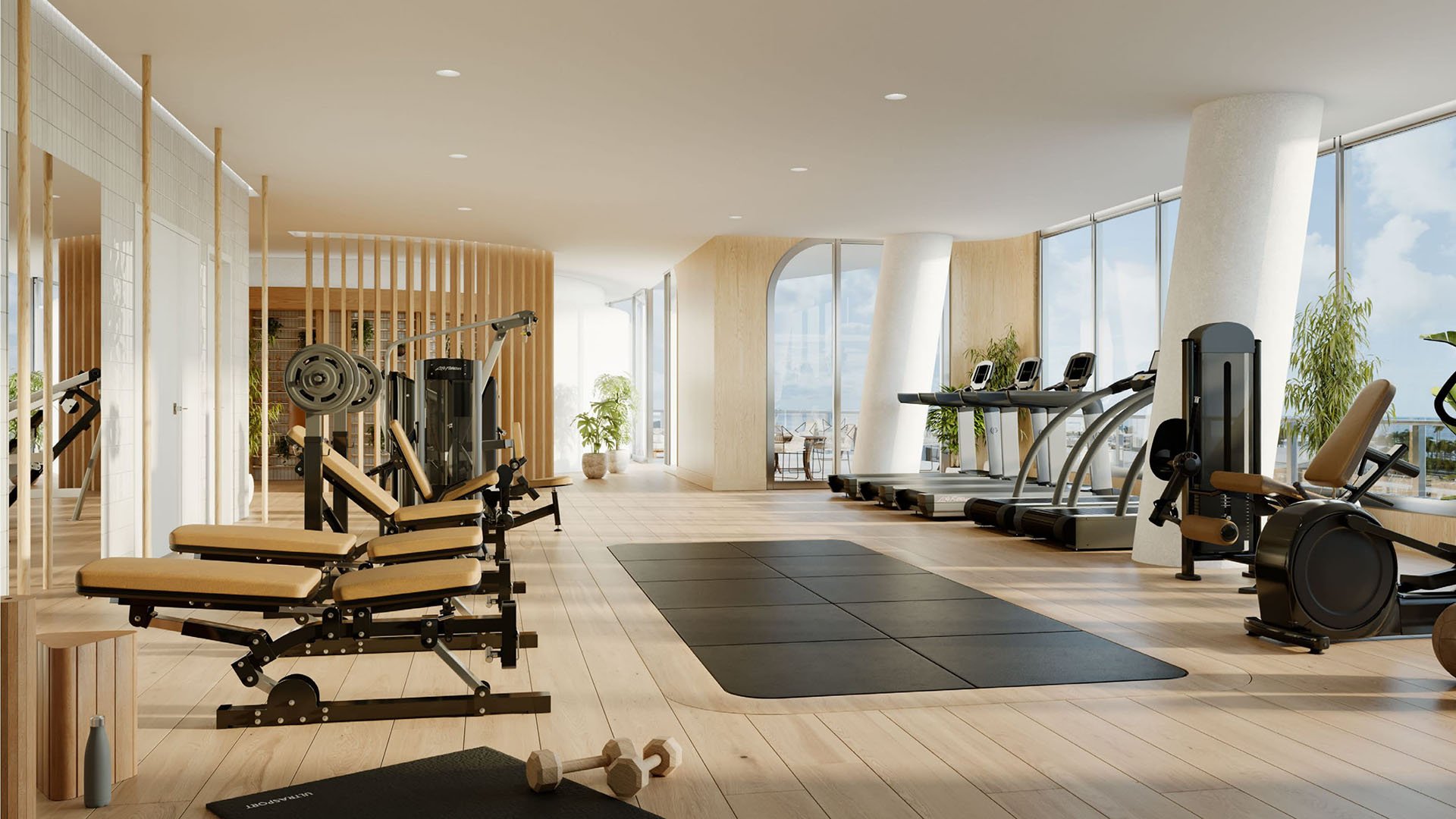
That is why the conversation around wellness amenities has shifted from spectacle to operations. In luxury multifamily and branded residential settings, the strongest participation typically clusters around fitness, recovery, and structured classes. In practical terms, that places saunas, cold exposure, meditation, and guided recovery in a stronger position than passive, lounge-like spaces presented as sanctuaries.
For South Florida, there is another filter: climate. Miami’s humidity is unforgiving on mechanical systems, finishes, and user experience. A sauna that smells stale, a plunge system with inconsistent temperature, or a meditation room with poor acoustics will quickly lose credibility. In this market, wellness is not just a design category. It is an operational test.
The clearest divider between aspirational wellness and daily-use wellness is staffing. Buildings with dedicated wellness personnel, or credible third-party operators, generally generate stronger engagement than self-serve rooms left to residents to interpret on their own. The reason is straightforward. Habit formation depends on cues, accountability, and consistency.
A cold plunge tub by itself can feel intimidating or niche. Pair it with an attendant, a posted protocol, timed booking, and a complementary sauna, and it becomes legible. A meditation room with dim lighting and beautiful materials may photograph well, but it becomes far more useful when it hosts scheduled breathwork, guided meditation, or short morning resets led by someone residents trust.
This is the operational logic increasingly shaping premium projects. Developments such as The Well Coconut Grove and The Well Bay Harbor Islands reflect the broader appeal of wellness-centered living, but the enduring question for any buyer remains the same: who is programming the experience, and how consistently?
Even in highly polished towers, generic staffing is not enough. Residents respond to expertise. Instructors, recovery specialists, and attentive attendants help create repeat behavior, while turnover or inconsistent service can quietly erode participation. In luxury, trust drives usage.
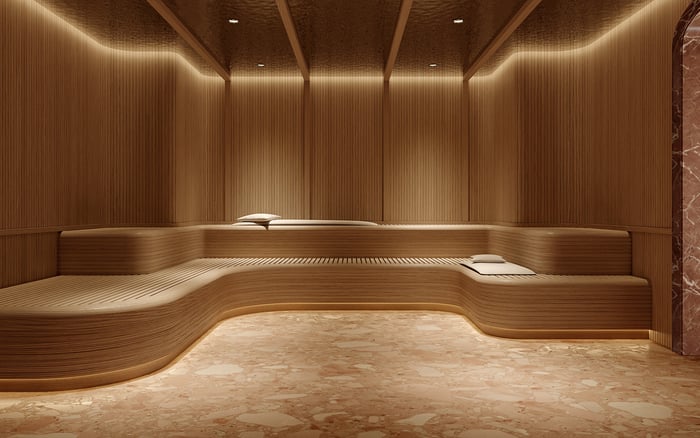
Saunas remain one of the most dependable wellness amenities because they are familiar. Residents understand how to use them, when to use them, and what benefit to expect. That familiarity gives saunas a steadier baseline of participation than more specialized equipment. They require far less explanation than cold therapy and fit easily before or after a workout.
Cold plunge is different. It carries strong interest because it aligns with the broader move toward recovery-focused living, but its performance improves when it is not presented as a one-off novelty. The most successful setups bundle cold exposure with adjacent wellness rituals: sauna, breathwork, guided cooldown, and controlled access. In other words, residents are more likely to adopt a recovery circuit than a solitary challenge.
Meditation rooms fall somewhere in between. Demand exists, particularly in luxury properties where residents expect private decompression space, but these rooms often underperform when left passive. Soft finishes alone do not create usage. Acoustics, scheduling, lighting control, and instructor-led sessions matter. A room residents can reserve for a 20-minute guided class is more valuable than a vaguely defined quiet lounge.
This is where design and management must work together. The lesson extends across the sector: the amenity itself is only half the offer. The operating model completes it.
One of the least glamorous but most important decisions in amenity planning is access control. Specialized wellness spaces tend to perform better when residents can actually count on using them. First-come, first-served sounds democratic, yet it often creates friction in high-end buildings where time is the rarest luxury.
Booking systems and managed access make recovery amenities feel more usable. They improve throughput, reduce conflict, and preserve the sense that a resident’s routine can happen on schedule. This is especially relevant for cold plunge, infrared or traditional sauna sessions, and small meditation studios where capacity is inherently limited.
Predictability is itself a form of service. In Miami, where many owners balance business travel, seasonal occupancy, and fitness-focused lifestyles, an amenity that can be reserved is more likely to become part of daily life. A tower such as The Residences at 1428 Brickell sits in a submarket where time efficiency shapes buyer expectations, making this kind of operational discipline particularly resonant in Brickell.
What works in a dry climate does not always translate neatly to Miami. Humidity affects mechanical performance, surfaces, odor control, and maintenance schedules. For wellness amenities, that means the threshold between luxury and disappointment is unusually narrow.
Saunas require careful upkeep to preserve comfort and hygiene. Plunge systems demand consistent water quality and temperature management. Meditation spaces need robust acoustical planning because exterior noise, HVAC sound, and moisture-related wear can quickly undermine the intended calm. A room may look refined on opening day and still fail six months later if operations do not match the climate.
For buyers, this creates a useful lens. Ask not only what the building includes, but how it will be run in August. Who oversees sanitation? How often are systems serviced? Is access managed? Are classes programmed year-round or only at launch? These questions matter more than the renderings.
The same buyer logic is increasingly visible across newer luxury inventory, including St. Regis® Residences Brickell, where wellness is expected to function as part of a complete residential experience rather than a decorative extra.
For buyers evaluating South Florida residences, the smartest way to assess wellness amenities is to think like an operator. The buildings that justify premium positioning are not simply adding more rooms. They are curating routines residents will actually keep.
A useful hierarchy is simple. First, look for amenities tied to existing behavior: workout recovery, heat therapy, guided mindfulness, and short-format classes. Second, look for bundled experiences rather than isolated features. Third, look for staffing quality, not just staffing presence. Finally, look for evidence of maintenance discipline and bookable access.
That framework explains why some wellness floors stay active while others become little more than real-estate theater. In Miami, success belongs to amenities that are credible, easy to use, and operationally protected from the climate. Cold plunge can work. Saunas usually do. Meditation can become indispensable. But staffing is what turns all three into part of residential life.
Which wellness amenity gets the most consistent use in Miami luxury buildings? Saunas tend to have the strongest baseline use because residents understand them immediately and can fold them into an existing routine.
Are cold plunges worth adding to a residential building? Yes, but they perform best when paired with sauna, recovery guidance, and managed access rather than installed as a novelty feature.
Why do meditation rooms often sit empty? Many underperform because they lack scheduling, acoustical control, and guided programming that gives residents a reason to return.
Does staffing really change amenity usage? Yes. Dedicated wellness staff or credible third-party operators help create habits, confidence, and repeat participation.
What matters more: design or programming? In practice, programming usually determines whether an amenity becomes part of daily life, while design supports the experience.
Why is Miami more challenging for wellness operations? Humidity raises the maintenance burden on heat, water, air, and finish systems, so upkeep standards have to be stronger.
Should luxury buildings use reservation systems for wellness spaces? Usually yes. Booking systems improve access, reduce friction, and make specialized rooms feel dependable.
Do wellness amenities help with leasing and retention? They can, especially when the offering feels integrated into the resident experience rather than added as a marketing gesture.
What should buyers ask before trusting a wellness amenity package? Ask who staffs it, how often it is maintained, whether sessions are programmed, and how residents reserve access.
What is the best overall wellness setup for a Miami residence? A bundled recovery offering with sauna, cold exposure, guided sessions, and strong operations usually has the best chance of sustained use.
If you'd like a private walkthrough and a curated shortlist, connect with MILLION Luxury.
If branded residences are on your mind — as a home or as an allocation — we would be glad to share what we are seeing, privately.
Begin a quiet conversation