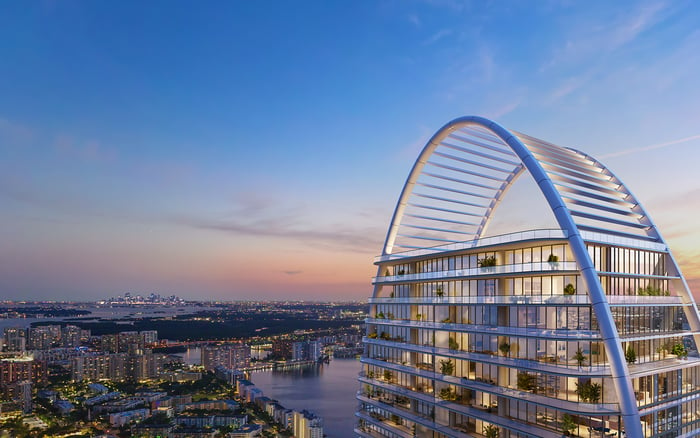
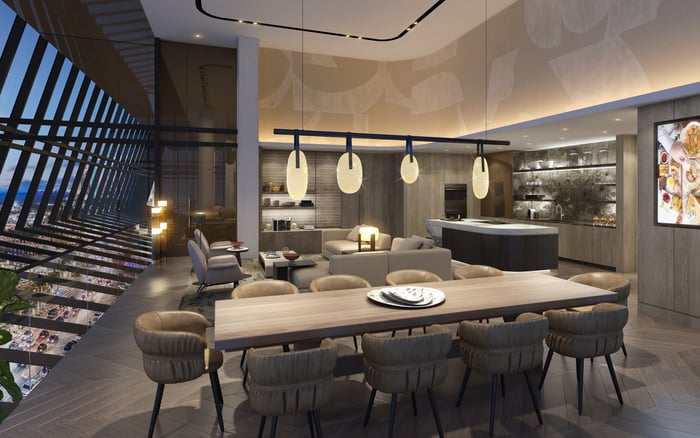
Two towers are redefining Downtown Miami’s skyline and rhythm of living. Waldorf Astoria Residences brings heritage, brand gravity, and hotel-caliber ritual to a supertall sculptural icon, while JEM Private Residences offers a modern, residents-only calm built around design clarity and privacy. This editorial contrasts their architecture, services, and Waterview experiences to help buyers align with the right lifestyle—ceremonial elegance and legacy appeal at Waldorf, or contemporary minimalism and quiet daily ease at JEM—each shaping the next chapter of Downtown’s vertical living.
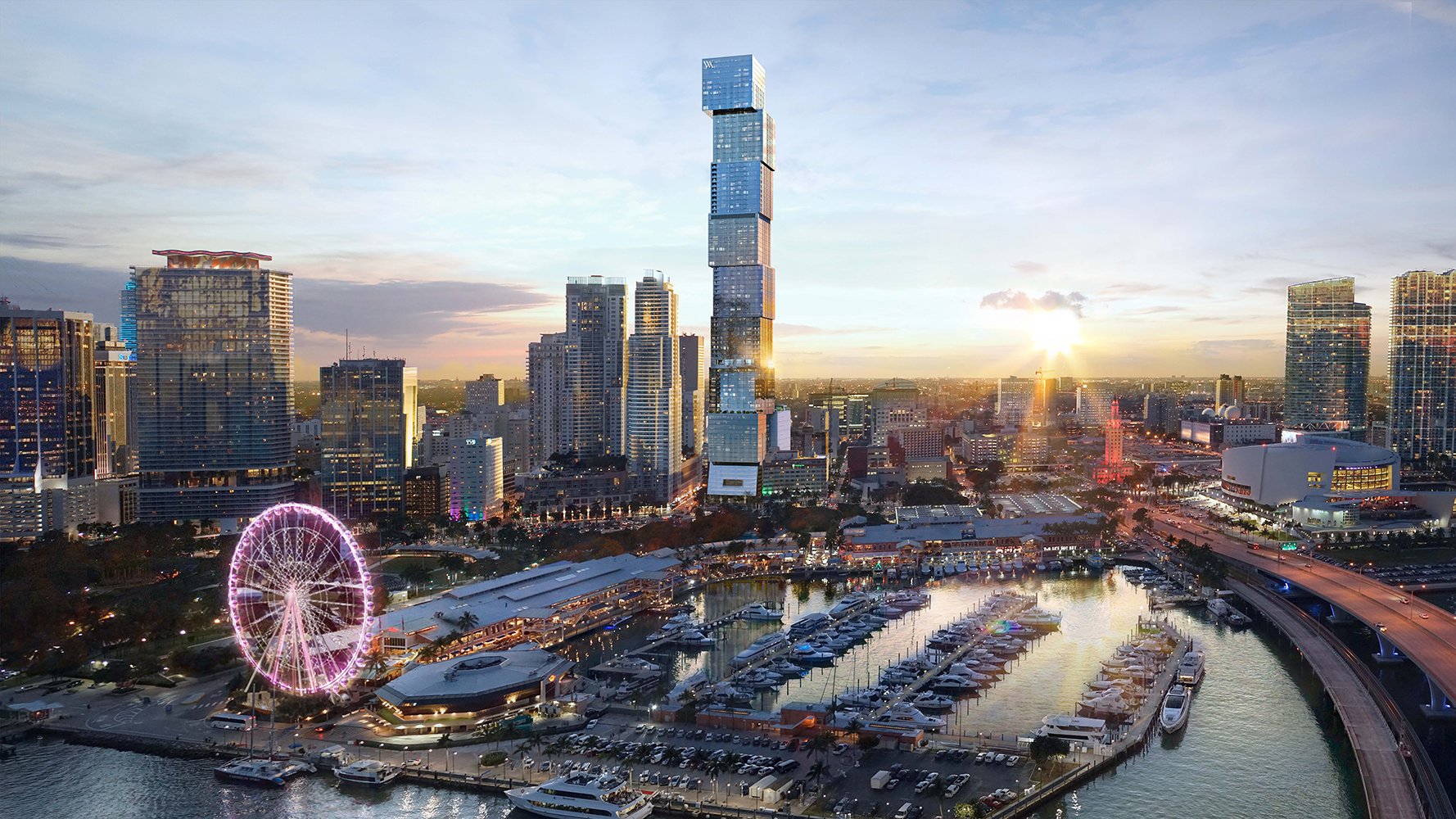
Downtown is in the midst of a generational reset—new parks, cultural venues, and a skyline that rivals global capitals. Within that renaissance, two offerings have become the axis of buyer conversations: the brand‑powered Waldorf Astoria Residences Miami and the design‑driven JEM Private Residences. Both bring elevated architecture, disciplined services, and curated amenities to the core, yet they interpret urban luxury through different lenses.
Context helps. Along the same waterfront corridor, peers like Aston Martin Residences Downtown Miami prove how a strong design narrative and disciplined services can anchor long‑term value. South across the river, Baccarat Residences Brickell and The Residences at 1428 Brickell show how Brickell extends the central business and dining scene with ultra‑prime, design‑first living. North in the arts district, EDITION Residences Miami Edgewater and Casa Bella Residences speak to the same global buyer who prizes light, proportion, and a frictionless, serviced lifestyle. This guide positions Waldorf and JEM within that ecosystem so you can calibrate a precise Downtown strategy.
Waldorf Astoria Residences Downtown Miami occupies the symbolic top of the conversation for one reason: brand gravity. The Waldorf name telegraphs a century of hospitality rituals—white‑glove standards, timeless materials, and a concierge culture that anticipates rather than announces. The tower’s sculptural profile marks a pivotal chapter in Miami’s supertall era and, with it, a new standard for how residences engage the sky. Expect a mood that is serene and ceremonial: a private procession from porte‑cochère to curated lobby to high‑elevation lounges that read like quiet salons above the city.
JEM Private Residences approaches the city from a different angle: contemporary architecture tuned for owners who prefer intimacy and modern ease over hotel theater. The brand posture is purposely private—think clean lines, abundant glass, and lifestyle spaces that feel like an understated members’ club rather than a grand hotel. You will sense the city’s energy at ground level—restaurants, culture, and waterfront walks—but once upstairs the cadence is hushed and residential.
Both addresses sit within quick reach of bayfront promenades, museums, and major event venues. For many UHNW families who divide time among global bases, the core question is cadence: are you seeking a heritage‑steeped arrival with a showpiece lobby and staff who learn your ritual, or a design‑forward aerie where daily life feels curated but nearly invisible?
In Miami, viewlines are currency. At Waldorf, elevation and geometry deliver dramatic, cinematic horizons that sweep from the Atlantic to the urban grid to Biscayne Bay. Corner living rooms are composed like galleries; glazing is engineered to quiet the wind; and the threshold from foyer to window wall is choreographed so the panorama unfolds rather than explodes. Finishes lean timeless: sculpted stone, tactile woods, hardware with satisfying weight. Primary suites are retreats, and kitchens present as furniture when entertaining.
At JEM Private Residences, the vocabulary is lighter and more contemporary—broad, livable great rooms that spill onto deep terraces; clean, versatile palettes that accept bespoke millwork; and pragmatic bedroom distributions that support staff, guests, and work‑from‑home routines without contortions. The emphasis is on functionality that disappears: discreet storage, proper service entries, and flexible dens that can act as study, playroom, or screening alcove.
Penthouse ambitions, inevitably, come down to narrative. Waldorf’s trophy‑level aeries will always read as heirloom objects: sky palaces where sunrise breakfasts are high above the clouds and evening salons look out across a jeweled city. JEM’s highest floors are equally compelling for a different buyer—owners who want voluminous indoor‑outdoor space, walls for art, and a canvas to personalize without navigating a hotel’s ritualized choreography. In both buildings, the best homes showcase a Waterview that never grows familiar—blue water framed like art by day, a city constellation by night.
Pragmatics matter as much as poetry. Confirm acoustic protections, elevator counts relative to key count, and the integrity of back‑of‑house circulation (trash rooms, service corridors, and staff access) so that household operations remain invisible. In ultra‑prime towers, these hidden systems are the difference between a home that feels serene on a holiday weekend and one that doesn’t.
Waldorf’s service culture is the obvious differentiator. The program typically includes a private‑residents entrance, staffed concierge, elevated lounges, spa‑grade wellness, and a food‑and‑beverage roster that runs from sunrise to nightcap. The manner is discreet: a team that recognizes you at a glance, a beach‑bag packed before you ask, a car waiting in the porte‑cochère without visible choreography. Public‑facing hotel energy, where present, is heavily buffered from the residential stack by design and staffing.
JEM’s amenity universe reads like a private club: residents‑only lounges that feel like living rooms, a pool deck sized for the key count, serene fitness and recovery areas, and work suites that support a global calendar without the feel of a cowork hub. The focus is on day‑to‑day life that simply works—packages processed without intrusion, grooming for pets handled with care, and spaces that are beautiful but low‑maintenance. If you travel constantly and treat Miami as a restorative stop between flights, that frictionless routine is invaluable.
For adjacency context, study Aston Martin Residences Downtown Miami for design‑house service choreography on the water; track Baccarat Residences Brickell for a crystalline, river‑to‑bay lifestyle blending artful interiors with brand ritual; and keep an eye on EDITION Residences Miami Edgewater and Casa Bella Residences for how boutique hospitality ethos translates into resident‑only calm.
At this altitude, the numbers are about comfort, not shortcuts. Carrying costs mirror staffing depth and engineering—fast lifts that never fail, glazing that shrugs off summer winds, and amenity decks that feel curated rather than crowded. Brand recognition can assist liquidity: Waldorf’s global profile magnetizes lookers and sets comp guardrails that help price discovery when you trade. JEM’s private‑club scale tends to foster longer holds and quieter resales—velocity is lower by design, and owners value the hush.
Pricing bands are inevitably unit‑specific: elevation, exposure, line history, finish level, and whether a residence is delivered turnkey or as a pristine canvas for your design team. In either tower, penthouses and line‑defining corner homes are narrative assets; they sell their own story. If your instinct is to hold for a decade, prioritize proportion, orientation, and the daily procession from elevator to window wall—those fundamentals age well no matter the cycle.
One practical note: calendar planning. Delivery windows, deposit structures, and closing logistics differ by tower and by release. Align with a team that can stage diligence, trade comps, and calendar your exit from a current holding so you avoid a gap. The goal is a move that feels like a handoff, not a baton drop.
You respond to heritage and ceremony. Choose Waldorf. You prefer the gravity of a century‑old brand, a sculptural skyline statement, and hospitality rituals that unfold with quiet grace.
You prefer modern minimalism and privacy. Choose JEM Private Residences. You want a contemporary, residents‑only cadence, intuitive floor plans, and an amenity stack that operates like a private club.
Your art, entertaining, and staff model require volume. Both work. Waldorf’s corner salons dramatize the sky; JEM’s broader great rooms and terraces flex for dinners, fundraisers, and gallery‑caliber hangs. Confirm service corridors and storage so entertaining is effortless.
You are assembling a two‑address solution. Anchor Downtown with Waldorf or JEM, then complement with Brickell or Edgewater. Pairs we love: a JEM sky‑home plus a river‑facing residence at Baccarat Residences Brickell; or a Waldorf aerie paired with an arts‑district base at EDITION Residences Miami Edgewater. If you favor brand‑led river‑to‑bay living, The Residences at 1428 Brickell is a natural counterpoint a few minutes south.
You care most about resale optionality. Waldorf’s brand may widen the buyer funnel when it’s time to trade. JEM’s boutique scale can reduce noise during negotiations and keep common areas pristine—attractive to privacy‑centric peers.
What is the core difference between the two towers? Waldorf delivers heritage, hotel‑caliber services, and a sculptural, skyline‑defining presence. JEM Private Residences emphasizes modern minimalism, residents‑only intimacy, and a quieter daily cadence.
Which building offers stronger views? Both deliver dramatic horizons, but the effect differs. Waldorf’s elevation and geometry heighten the theater of the sky; JEM’s deep terraces and broad great rooms frame a more relaxed, livable Waterview—the right choice depends on whether you want cinematic awe or everyday ease.
How do services and access compare? Waldorf leans into brand ritual—concierge, lounges, spa‑grade wellness, and food‑and‑beverage depth—buffered from the residential stack. JEM’s programming feels like a private club, with spaces scaled to the key count and operations that stay invisible on busy weeks.
What about resale and hold strategy? Brand magnetism can assist comps at Waldorf, while JEM’s boutique character attracts owners who plan longer holds. In either case, line, elevation, exposure, and finish level will dominate valuation at exit.
What are strong comparables if I want to survey the market? In the core, start with Aston Martin Residences Downtown Miami. For a south‑of‑river complement, walk Baccarat Residences Brickell and The Residences at 1428 Brickell. In the arts corridor, pair a tour of EDITION Residences Miami Edgewater with Casa Bella Residences.
When you are ready to calibrate line, exposure, finish, and calendar to your family’s brief—whether at Waldorf Astoria Residences Miami or JEM Private Residences—our private client team will curate on‑ and off‑market options with complete discretion. Begin the conversation at MILLION Luxury.
If branded residences are on your mind — as a home or as an allocation — we would be glad to share what we are seeing, privately.
Begin a quiet conversation