A buyer-focused guide to evaluating any beach-chair service connected to Forté on Flagler West Palm Beach, with emphasis on privacy, operating quality, governance, costs, and resale strength.
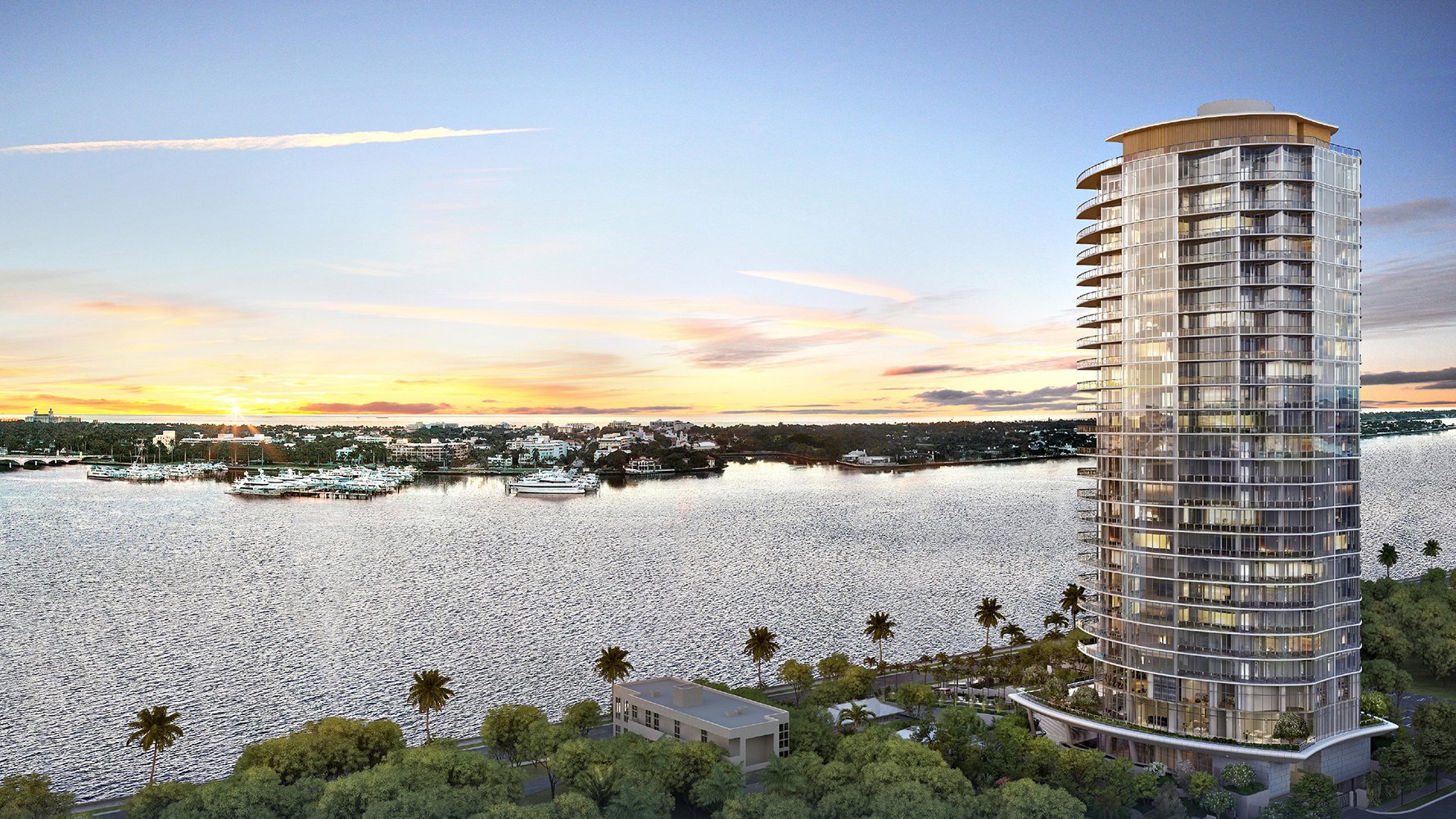
At the upper end of the South Florida condominium market, lifestyle language can sound deceptively simple. A phrase such as beach-chair service may imply ease, privacy, and a daily resort rhythm, but its real value depends on the details. For buyers considering Forté on Flagler West Palm Beach, the prudent approach is not to assume the amenity exists in a particular form. It is to verify exactly what is offered, who controls it, who may use it, how it is funded, and whether it is documented in a way that extends beyond initial marketing.
That distinction matters. A well-run, resident-focused seating program can meaningfully enhance ownership. A vague promise, loosely administered or dependent on future approvals, may carry far less value. The best buyers evaluate beach service the same way they evaluate parking rights, storage, pet rules, elevator access, and building governance: with measured attention to documents, procedures, and enforceability.
This is especially relevant in West Palm Beach, where luxury buyers often compare waterfront, near-waterfront, and city-facing residences with very different lifestyle propositions. A residence may offer water views, convenience, privacy, or hospitality, but each advantage must be measured on its own terms.
The first question is not whether marketing materials use the phrase beach-chair service. The first question is what the documents actually say. Is the service defined in condominium documents, association rules, a budget line, an operating agreement, or a separate club arrangement? Is it permanent, seasonal, optional, or subject to board or association approval?
Buyers should avoid using the phrase private beach service unless the governing materials clarify legal access rights, the operating area, and resident exclusivity. In coastal and waterfront markets, privacy can be a legal, physical, and operational question at once. If the seating area is shared with guests, hotel-style users, affiliates, or broader building occupants, the experience may feel very different from a resident-only arrangement.
When comparing Forté with nearby options such as Alba West Palm Beach or Shorecrest Flagler Drive West Palm Beach, the right standard is consistency. Ask each property the same questions, then compare written answers rather than impressions.
Privacy is not created by a chair and an umbrella. It is created by access control, sightline management, physical separation, and etiquette enforcement.
Start with who can book the chairs. Are reservations limited to owners and residents? Are tenants treated the same as owners? Are guests permitted, and if so, how many at a time? Who verifies access upon arrival? A concierge-managed system may create a different experience from first-come-first-served use, especially during holidays and peak season.
Then study the physical setting. Is any seating area separated from public walkways, streets, adjacent properties, hotel-style common areas, or nonresident traffic? Are the chairs visible from sidewalks, upper-floor amenity decks, public areas, or neighboring buildings? Sightline privacy is particularly important for buyers who value discretion. A technically reserved area may still feel exposed if it sits in full view of frequent passersby.
Finally, ask how guest overflow is handled. A resident-only promise can weaken quickly if peak weekends produce informal spillover, unclear enforcement, or inconsistent access checks. For privacy-sensitive owners, the key is not merely the policy. It is whether that policy is practical, staffed, and enforced.
In luxury real estate, service quality is rarely defined by adjectives. It is defined by repetition. Can the building deliver the same polished experience on a quiet Tuesday, a busy Saturday, and during high season?
Buyers should ask for the operating details. Who sets up the chairs? Are umbrellas included? Are towels, water service, or related hospitality elements included, and if so, under what conditions? What are the hours? What happens during weather events? Can reservations be made digitally, through the concierge, by phone, or only on arrival? Is the service first-come-first-served, or are time slots and capacity managed in advance?
The operator matters as well. A beach-chair program run by the condo association may have different accountability than one handled by an in-house hospitality team, a third-party vendor, or an affiliated club. None is automatically superior. What matters is the contract, staffing, response standards, replacement policy for damaged setups, cancellation rules, and ability to scale during peak use.
The same discipline applies when evaluating broader South Florida luxury references, from The Ritz-Carlton Residences® West Palm Beach to oceanfront alternatives in Miami Beach. Hospitality language should always be translated into staffing, scheduling, cost, and control.
Capacity is one of the most overlooked elements of beach-chair diligence. A service may sound impressive until the number of available chairs is compared with the number of residences, guest policies, and peak-season occupancy. Buyers should ask how many setups are available, whether each residence has a guaranteed allocation, whether guests draw from the same pool, and what happens when demand exceeds supply.
Cost is equally important. Is the service included in HOA or common charges? Is it billed à la carte? Is it seasonal? Could future association approval change the service, the price, or the availability? A buyer who expects effortless daily use should know whether the amenity is already budgeted and operationally supported, or whether it relies on future decisions.
In a polished South Florida market, the strongest amenity is both pleasurable and administratively clear. Lifestyle appeal may attract attention, but written rights, reliable staffing, and transparent cost treatment are what allow buyers to compare one residence with another.
For resale, a reliable, documented amenity is stronger than a marketing promise. Future buyers, appraisers, lenders, and advisors can evaluate written rules, budgets, and operating agreements. They cannot underwrite a mood.
If beach-chair service is confirmed, the strongest resale position comes from evidence that it is permanent or predictably renewable, funded, governed by association rules, comparable to competing luxury buildings, and supported by a service structure that owners actually use. If it is informal, limited, or subject to change, it may still be enjoyable, but it should not be overweighted in pricing expectations.
A careful buyer should keep a clean file: current sales materials, relevant condominium provisions, association budget references, reservation rules, guest policies, vendor or operator details if available, and written answers from the sales or management team. That file may become useful later, not only for personal confidence but also for future resale conversations.
Before treating beach-chair service as part of the lifestyle value at Forté on Flagler West Palm Beach, ask for written clarity across five categories.
First, confirmation: does the amenity exist as currently described, and where is it documented? Second, access: who can use it, who can bring guests, and who verifies eligibility? Third, privacy: where are the chairs located, what separates the area from nonresident traffic, and what sightlines exist from public or shared spaces? Fourth, service: what is included, who staffs it, how reservations work, and what happens in bad weather or peak demand? Fifth, economics: who pays, how costs are allocated, and whether the program can be changed later.
The goal is not to diminish the romance of waterfront living. It is to protect it. In the best buildings, service feels effortless precisely because the structure behind it is disciplined.
Should I assume Forté on Flagler includes beach-chair service? No. Treat it as a diligence item until current sales materials or condominium documents confirm the amenity and its operating rules.
What is the first document I should ask for? Ask for the materials that define the amenity, such as condominium documents, association rules, budgets, or operating terms.
What makes a chair service feel private? Privacy depends on resident access control, guest limits, physical separation, sightlines, and consistent enforcement.
Can guest access reduce privacy? Yes. If guests use the same seating inventory without clear limits, the resident experience may feel less exclusive during busy periods.
Why do sightlines matter? Chairs visible from sidewalks, streets, public areas, neighboring properties, or upper amenity decks may not feel discreet.
What service details should I verify? Confirm setup, umbrellas, towels, water service, hours, reservations, staffing, weather rules, and cancellation policies.
Who should operate the service? The operator may be an association, in-house hospitality team, third-party vendor, or affiliated club, but accountability should be clear.
How should costs be reviewed? Determine whether costs are included in common charges, billed separately, seasonal, or subject to future approval.
Why does documentation affect resale? Future buyers can verify written rules and budgets more easily than marketing language or informal expectations.
What is the most important question for a privacy-focused buyer? Ask who can book chairs, who verifies access, and how guest overflow is handled during peak demand.
When you're ready to tour or underwrite the options, connect with MILLION.
If branded residences are on your mind — as a home or as an allocation — we would be glad to share what we are seeing, privately.
Begin a quiet conversation