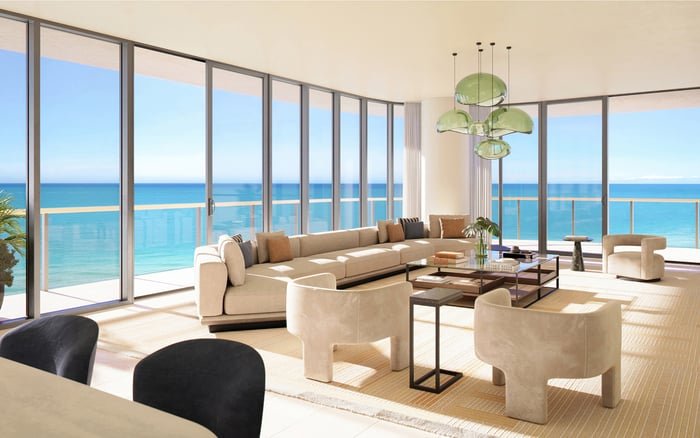
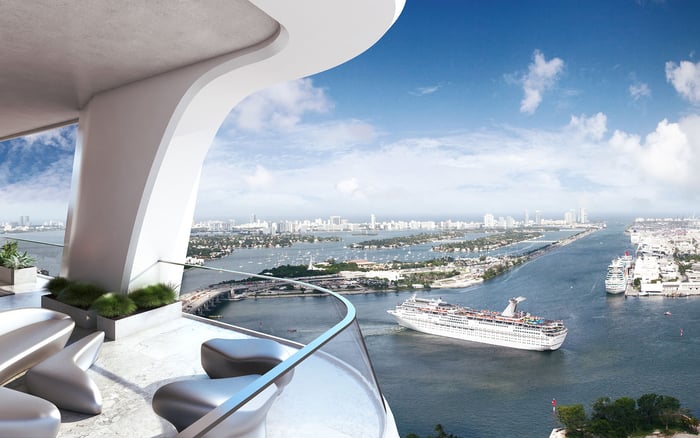
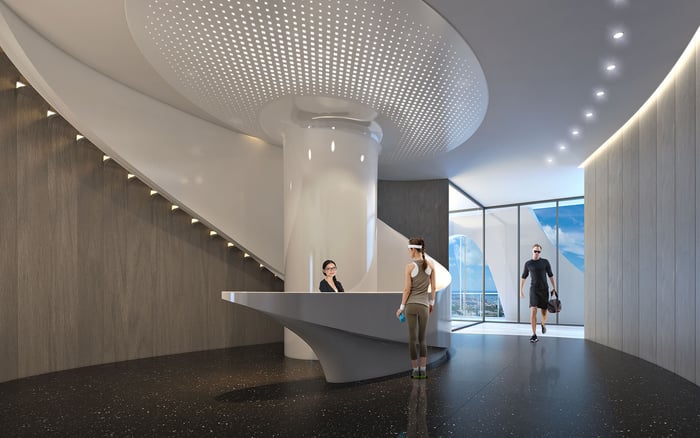
A buyer-focused comparison of Waldorf Astoria Residences Downtown Miami and One Thousand Museum Downtown Miami for storm-season confidence, high-season service flow, operational diligence, and luxury high-rise fit.
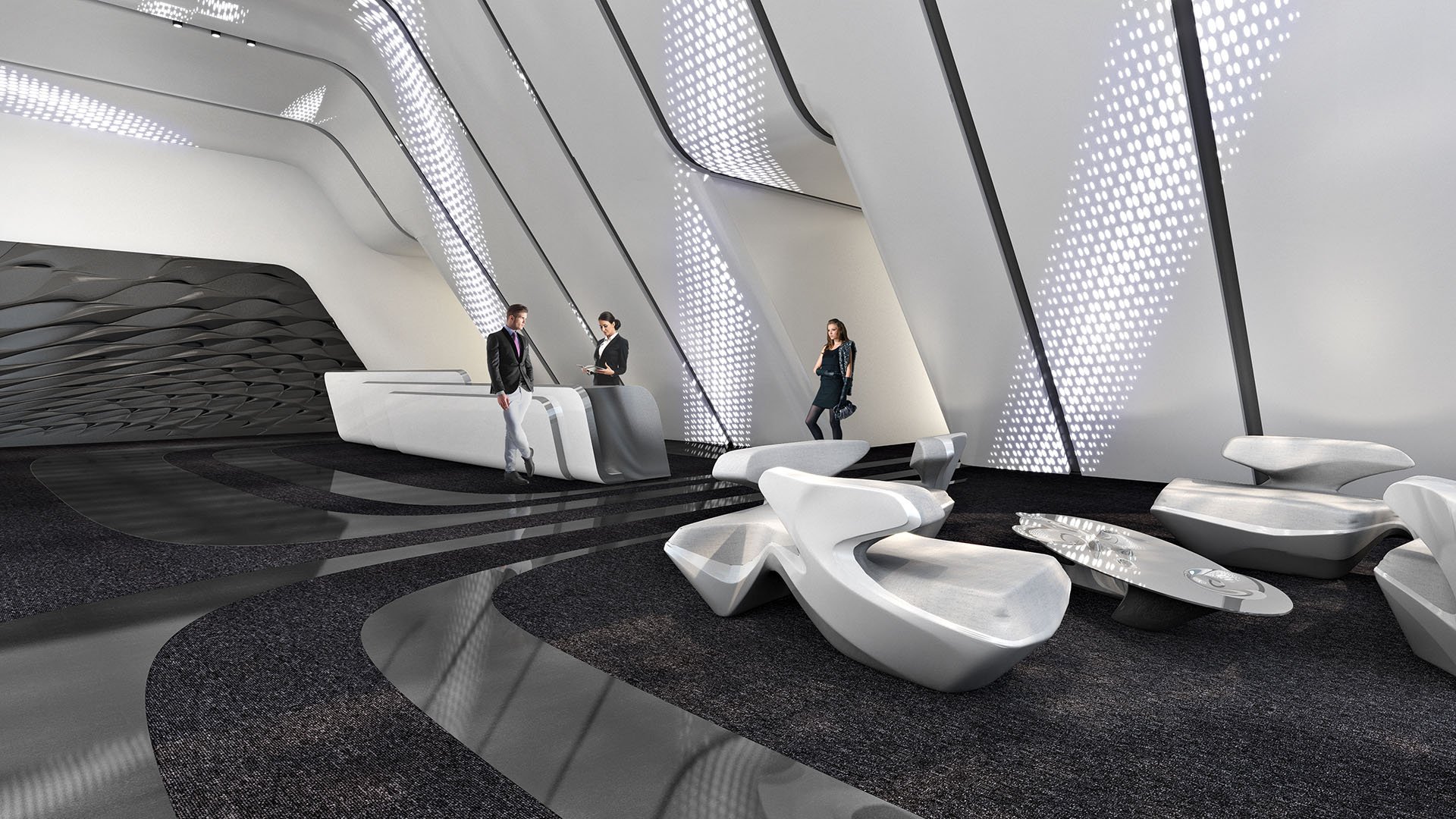
For the storm-conscious luxury buyer, the question is not whether a tower appears resilient on the skyline. It is whether the residence, association, staff, building systems, and access plan can perform when Miami is under pressure. That distinction makes the comparison between Waldorf Astoria Residences Downtown Miami and One Thousand Museum Downtown Miami especially useful.
Both belong in the upper tier of Downtown Miami residential conversations. Both appeal to buyers who want height, views, design identity, and urban proximity. Yet for buyers prioritizing storm readiness and high-season livability, the two residences offer different forms of confidence.
One Thousand Museum is completed and occupied, giving buyers something exceptionally valuable: an operating record. Waldorf Astoria Residences Downtown Miami, by contrast, offers the appeal of a newer development cycle, contemporary systems, and a hospitality-driven branded model. The central trade is clear. One offers known performance. The other offers next-generation promise.
One Thousand Museum Downtown Miami has the advantage of being real, occupied, and observable. For buyers who do not want to rely on future execution, that matters. Completed buildings allow serious diligence on the issues that determine how a residence performs before, during, and after a storm: elevator continuity, generator coverage, staffing protocols, water intrusion history, insurance posture, reserves, maintenance records, access planning, and resident feedback.
Its distinctive exoskeleton design also gives the building a strong architectural identity. For buyers focused on the perception of wind resilience and engineering expression, the tower’s structure is part of its appeal. Still, buyers should not reduce storm performance to visual drama. The more relevant question is how the building has actually operated through seasonal stress, service demand, weather events, maintenance cycles, and peak-occupancy periods.
Because One Thousand Museum is positioned in Downtown Miami’s Arts & Entertainment District, its setting brings both privilege and responsibility. The waterfront-adjacent urban context can deliver compelling views, but it also requires buyers to evaluate wind exposure, potential flooding concerns, street access, garage functionality, and post-storm logistics. In this tier, the best due diligence is granular. Ask how staff communicates before a storm, which areas remain operational on backup systems, how elevators are prioritized, and how quickly normal service resumes.
For resale buyers, this is where the building’s completed status is powerful. A buyer can examine condo documents, association financials, reserves, insurance disclosures, board minutes where available, maintenance patterns, and the practical culture of the building. That is not theoretical luxury. It is evidence.
Waldorf Astoria Residences Downtown Miami appeals to a different buyer profile: one who values newer infrastructure, contemporary engineering expectations, and a branded hospitality framework. Its promise is not merely a new apartment in the sky. It is the possibility of a service culture shaped by brand standards, concierge depth, and a more current approach to luxury high-rise operations.
For storm-focused buyers, the advantage is the development cycle. A newer tower should reflect modern structural, life-safety, and residential high-rise expectations. Buyers should still verify the specifics rather than assume them. Wind-related design, flood elevation considerations, generator coverage, emergency power distribution, mechanical locations, water management, and life-safety procedures are not interchangeable from building to building.
For high-season performance, Waldorf Astoria’s hospitality orientation may be compelling. Peak season in Miami is not just about full restaurants and heavier traffic. It is about whether the building can absorb simultaneous arrivals, guests, valet activity, package volume, amenity demand, housekeeping coordination, and concierge requests without losing composure. A branded operating model may offer the staffing depth and service discipline that some buyers prize.
The trade-off is that a buyer must accept more delivery and execution risk than with a completed building. New-construction confidence is based on developer execution, final operations, association formation, staffing quality, and how the building performs once residents actually occupy it. The eventual experience may be superb, but the buyer cannot inspect years of operating history before committing in the same way.
Storm planning receives the most dramatic attention, but high season often reveals a luxury building’s character more frequently. The best towers are not merely beautiful when quiet. They remain calm when residents return, guests arrive, cars queue, elevators cycle constantly, and amenities are in heavy use.
This is where buyers should scrutinize the unglamorous details. Unit density, elevator performance, valet and garage flow, staffing levels, amenity crowding, visitor controls, service elevator capacity, and the presence or absence of hotel-like traffic all shape daily life. A tower can have extraordinary views and still feel strained if circulation is weak.
In Downtown, comparable buyer conversations may also include Aston Martin Residences Downtown Miami or Casa Bella by B&B Italia Downtown Miami, but the same standard should apply across the set. High floors may elevate views and privacy, yet they also make elevator strategy, backup systems, and service logistics more important. Luxury at height must be operational, not only visual.
The most important storm-readiness questions are practical. What does the emergency plan cover? Which systems are supported by generator power? How are elevators handled during and after severe weather? Has the building had water intrusion, façade, roof, garage, or mechanical issues? Are reserves aligned with the building’s age and complexity? What does the insurance posture look like, and how has it changed?
For One Thousand Museum, the buyer’s opportunity is to test those questions against actual experience. Ask for documentation, tour the building carefully, speak with qualified advisors, and pay attention to how management responds. In a completed ultra-luxury tower, transparency is part of the product.
For Waldorf Astoria, the questions should focus on specifications, final operating plans, brand-service structure, delivery timing, association setup, and the division between residential and hospitality-style traffic. A branded building can be deeply compelling, but buyers should understand how that brand translates into day-to-day residential privacy and storm-period coordination.
If the buyer’s highest priority is maximum pre-closing certainty, One Thousand Museum is the stronger fit. Its completed and occupied status allows a buyer to evaluate a living building rather than a future operating model. For conservative buyers, especially those who intend to be in residence during storm season or peak winter periods, that is a major advantage.
If the buyer prioritizes new-build prestige, current-generation systems, branded service, and the emotional appeal of a landmark hospitality residence, Waldorf Astoria Residences Downtown Miami may be the more compelling choice. It suits a buyer comfortable underwriting future execution in exchange for a potentially more contemporary service platform.
The most disciplined conclusion is not that one is universally better. It is that each answers a different kind of risk. One Thousand Museum reduces uncertainty through existing operations. Waldorf Astoria seeks to elevate the experience through new infrastructure and brand-led service. The right choice depends on whether the buyer values proven resilience more than future-generation luxury.
Which residence is better for buyers who want proven storm performance? One Thousand Museum is the more conservative choice because it is completed and occupied, allowing buyers to review real building operations before closing.
Is Waldorf Astoria Residences Downtown Miami a weak choice for storm-focused buyers? No. Its appeal is newer infrastructure and a contemporary branded operating model, but buyers should verify technical and operational details carefully.
Should buyers assume either tower is hurricane-proof? No. Buyers should evaluate resilience, redundancy, maintenance, emergency planning, insurance, and post-storm operations rather than rely on absolute claims.
Why does completed status matter so much? A completed building lets buyers examine association records, staffing, maintenance history, resident feedback, reserves, and actual service performance.
What makes high season difficult for luxury towers? High season increases pressure on elevators, valet flow, guest management, amenities, concierge staff, deliveries, and building access.
Does Waldorf Astoria’s branded service help during peak season? It may. A hospitality-style service platform can be attractive for buyers who value staffing depth, concierge structure, and brand-standard operations.
What should buyers ask about backup power? Buyers should ask which systems are covered, how elevators are prioritized, and what services remain available during and after severe weather.
Is One Thousand Museum’s exoskeleton the main reason to choose it? It is an important architectural differentiator, but buyers should focus equally on operations, maintenance, insurance, staffing, and emergency protocols.
Which buyer is best suited to Waldorf Astoria Residences Downtown Miami? A buyer who values new-build prestige, branded hospitality, and newer systems may prefer Waldorf Astoria if comfortable with delivery and execution risk.
Which buyer is best suited to One Thousand Museum Downtown Miami? A buyer who wants known performance, documented operations, and a completed Downtown residence will likely find One Thousand Museum more reassuring.
For a tailored shortlist and next-step guidance, connect with MILLION.
If branded residences are on your mind — as a home or as an allocation — we would be glad to share what we are seeing, privately.
Begin a quiet conversation