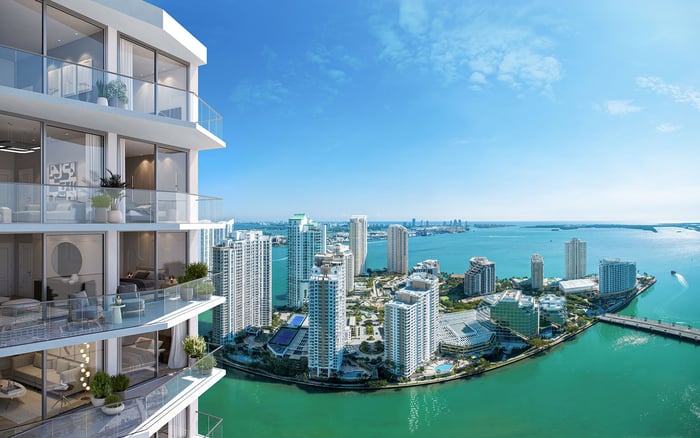
A discreet, buyer-oriented look at why Downtown Miami can appeal to international owners who value convenience, service, privacy, and simplified second-home ownership over overt display.
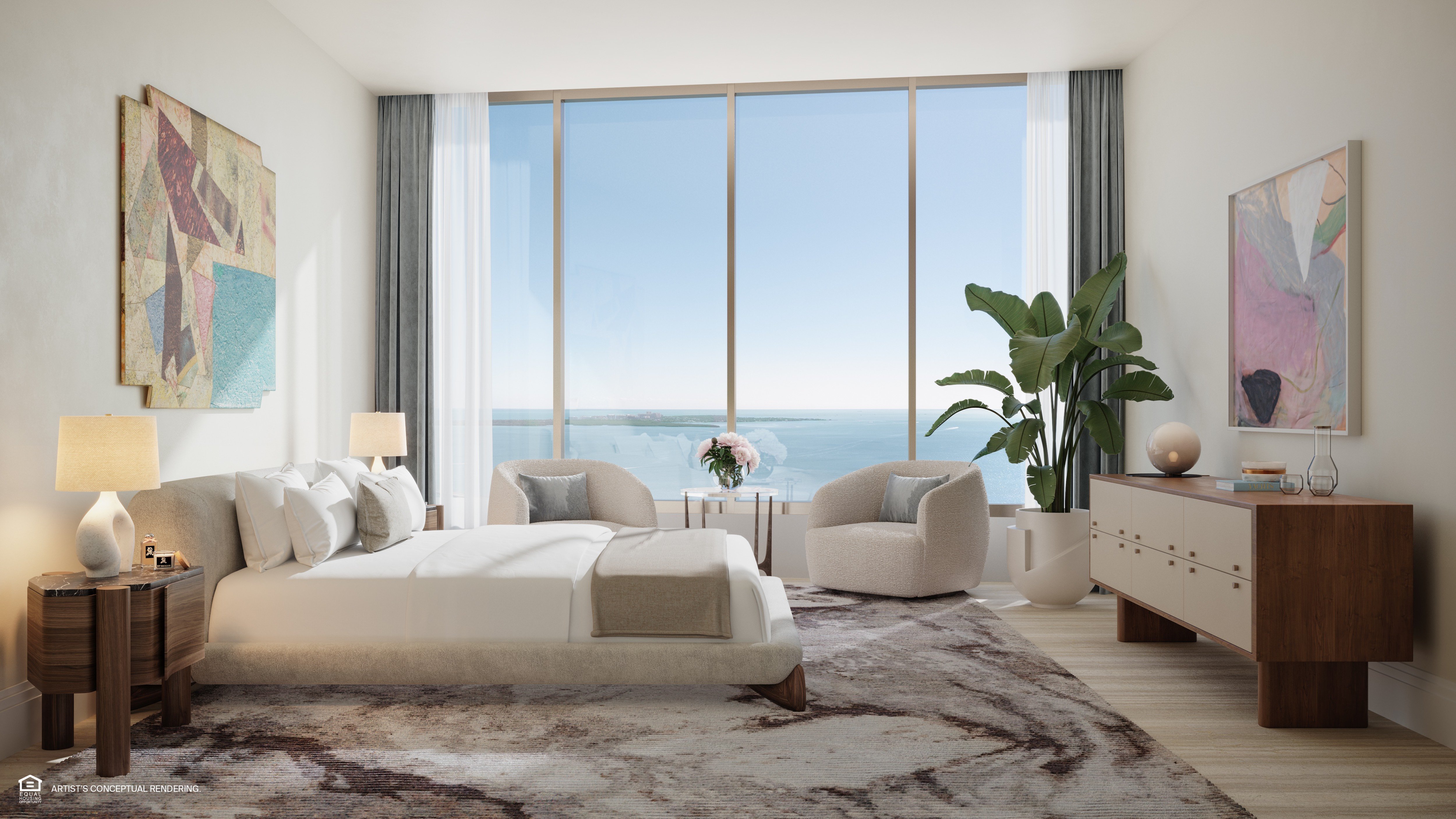
For many international buyers, the most compelling luxury in Downtown Miami is not theatrical. It is not the loudest lobby, the most photographed pool deck, or the most visible arrival. It is the ability to step into a residence and have life work immediately, with fewer decisions, fewer handoffs, and fewer surprises.
That is the quiet luxury case for Downtown Miami. The neighborhood appeals when ownership is intermittent, family schedules cross borders, and a residence must perform with the discipline of a private home and the efficiency of a well-run urban base. For the buyer who may arrive after a long flight, host family for a season, then leave the property inactive for weeks or months, convenience becomes its own form of elegance.
This is especially true for the international owner who values privacy without isolation. Downtown places the buyer within Miami’s urban conversation while still allowing a residence to function as a controlled retreat above the city. The best acquisition is not simply the most dramatic address. It is the one that reduces friction at every stage of ownership.
The international owner often measures a property differently from the full-time local buyer. The question is not only whether the finishes are refined or the views are memorable. The sharper question is whether the residence can be managed smoothly from abroad.
That means evaluating how a building handles access, deliveries, guest arrivals, maintenance coordination, parking, privacy, and communication. A residence may be visually impressive, but if it requires constant personal oversight, it is not truly convenient. Quiet luxury is found in systems that function without performance.
Second-home buyers should think in terms of continuity. Who can enter the unit when required? How are vendors handled? How easily can family arrive independently? What happens when the owner is in another time zone? These practical questions are not secondary to luxury. They define it.
This is where second-home planning becomes central. A Downtown residence should not feel like a project waiting for the owner’s return. It should feel complete, stable, and ready. For international families, that sense of readiness can be more valuable than decorative excess.
Downtown offers a particular kind of utility: an urban platform rather than a resort-only setting. For some buyers, that is precisely the point. It allows the residence to serve multiple purposes, including seasonal stays, business-oriented visits, cultural weekends, family gatherings, and longer periods when Miami becomes the household’s preferred base.
The appeal is strongest for those who want a Miami address that can flex. A Downtown home can be a private pied-à-terre, a family apartment, or a longer-stay residence without forcing the owner into a single lifestyle narrative. That versatility matters when family members use the property differently throughout the year.
Brickell adjacency may also matter for buyers whose Miami life includes dining, professional meetings, wellness routines, and everyday services. The value is not only proximity; it is rhythm. A convenient residence allows an owner to move through the city with a sense of order instead of rebuilding routines on every visit.
For the right buyer, Downtown is less about spectacle and more about control. The neighborhood gives the owner a central position from which to experience the city, then retreat into a private residence when the day is complete.
Quiet luxury is often misunderstood as minimalism. In real estate, it is better understood as restraint with substance. It is the confidence of a residence that does not need to overexplain itself. It is a building where service is polished but not intrusive, where common areas feel considered rather than theatrical, and where privacy is respected as part of the value proposition.
For international owners, discretion is particularly important. The property may host family, business contacts, or close friends, but it should not feel exposed. Arrivals should be calm. Staff interaction should be professional. Amenities should enhance daily life without turning ownership into a public experience.
This is also where the interior program matters. A well-planned Downtown residence should support luggage, wardrobes, remote work, visiting relatives, and quiet evenings in equal measure. Grand gestures have their place, but the most refined homes often succeed because they remove irritations. A true luxury residence makes ordinary actions feel easy.
Waterview appeal can deepen that sense of retreat, especially when a residence frames the city through distance and light. Yet the view should be considered alongside usability, privacy, and building quality. A beautiful outlook is most powerful when the rest of the ownership experience is equally composed.
An international buyer should be wary of purchasing only the most visible version of Miami glamour. The better question is whether a property’s appeal can hold through changing trends, changing family needs, and changing patterns of use.
That is where investment thinking becomes more nuanced. The word should not imply speculation alone. For this buyer, investment also means durability of design, credibility of location, ease of future resale, and the ability to keep the property in excellent condition without being physically present year-round.
New-construction opportunities can be appealing when they offer contemporary layouts, modern building systems, and a service culture aligned with current ownership expectations. Still, a new residence should be judged carefully. The buyer should look beyond renderings and ask how the building will actually live once the novelty fades.
Downtown rewards selectivity. The strongest choice will depend on personal patterns: how often the owner visits, whether children or guests will use the home, whether staff or property managers will be involved, and how important immediate access to urban amenities is. The most sophisticated purchase is rarely the loudest. It is the one that matches the owner’s real life.
Begin with arrival. International ownership often starts with fatigue, luggage, and timing. A building that makes arrival simple has already solved one of the most important ownership problems. Consider the sequence from car to lobby, elevator to residence, and residence to daily routine.
Next, evaluate privacy. Ask how visible the unit feels, how elevators are organized, how guest access is managed, and whether the building culture supports discretion. Privacy is not only about height or curtains. It is about the entire choreography of living.
Then assess maintenance. Materials should be elegant, but they should also be durable enough for a home that may sit unused for periods. Systems should be reliable, and the residence should be easy to prepare before arrival and secure after departure.
Finally, consider emotional fit. A Downtown Miami residence should not simply impress on a first tour. It should continue to feel calm on the fifth visit, practical after the first season, and natural when family members use it without the owner present.
Why does Downtown Miami appeal to international luxury buyers? It can offer an urban base for owners who want convenience, privacy, and flexible use while in Miami.
Is quiet luxury different from traditional luxury? Yes. Quiet luxury emphasizes discretion, service, quality, and ease rather than overt display.
What should international owners prioritize first? They should prioritize lock-and-leave confidence, building communication, access control, and practical management.
Is Brickell relevant to a Downtown Miami purchase? Brickell can be relevant for buyers who want nearby dining, services, professional activity, and daily urban rhythm.
Should a buyer choose views over convenience? Not necessarily. Views matter, but they should be weighed with privacy, layout, service, and ownership efficiency.
Can a Downtown residence work as a second home? Yes, if the building and residence support easy arrivals, secure departures, and reliable maintenance coordination.
Is new construction always the best option? No. New construction can be compelling, but the buyer should judge livability, service, and long-term suitability.
How should buyers think about investment value? They should consider durability, location quality, ease of ownership, and future appeal rather than short-term noise.
What makes a residence feel discreet? Calm arrivals, professional service, privacy-conscious design, and understated common spaces all contribute.
Who is the ideal buyer for this Downtown Miami approach? It suits international owners who want Miami access without sacrificing order, privacy, and practical control.
If you'd like a private walkthrough and a curated shortlist, connect with MILLION.
If branded residences are on your mind — as a home or as an allocation — we would be glad to share what we are seeing, privately.
Begin a quiet conversation