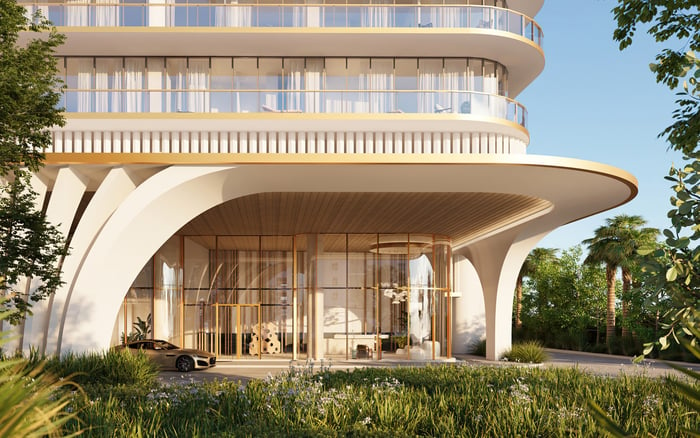
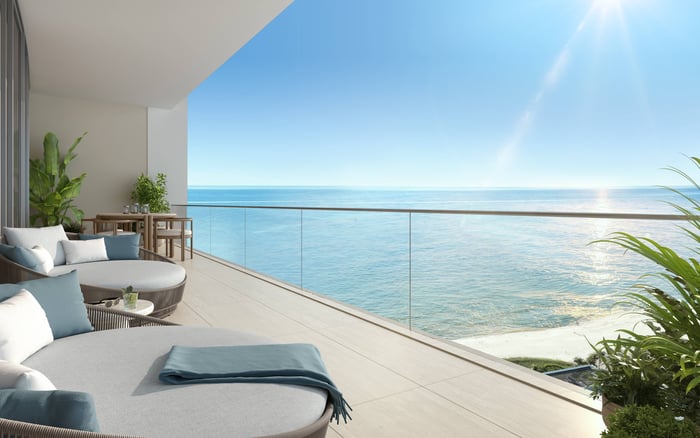
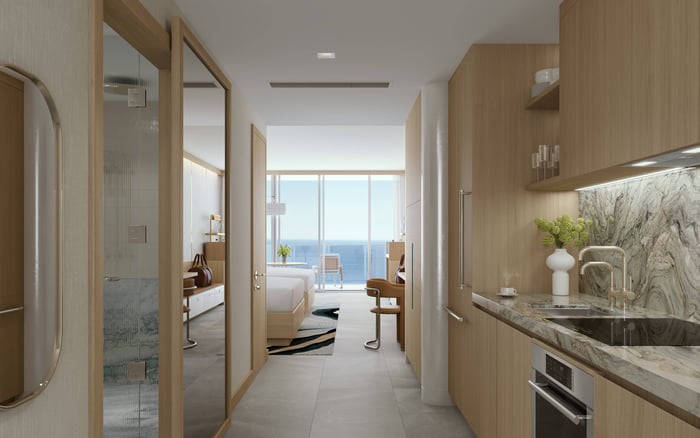
Two new branded towers are redefining oceanfront ownership in Pompano Beach: one is a mixed-use W Hotels model that pairs condominium residences with furnished condo-hotel suites, and the other is a residential-only Waldorf Astoria tower built around privacy, service, and marina access. This MILLION Luxury guide translates the fine print into lifestyle outcomes: how arrival experience changes with transient guests, what “turnkey” really signals, how a private marina can reshape day-to-day living, and why rental intentions should be calibrated to local short-term rental permitting. If you’re choosing between a second-home sanctuary and a hospitality-forward asset, the decision is less about logo and more about operating model.
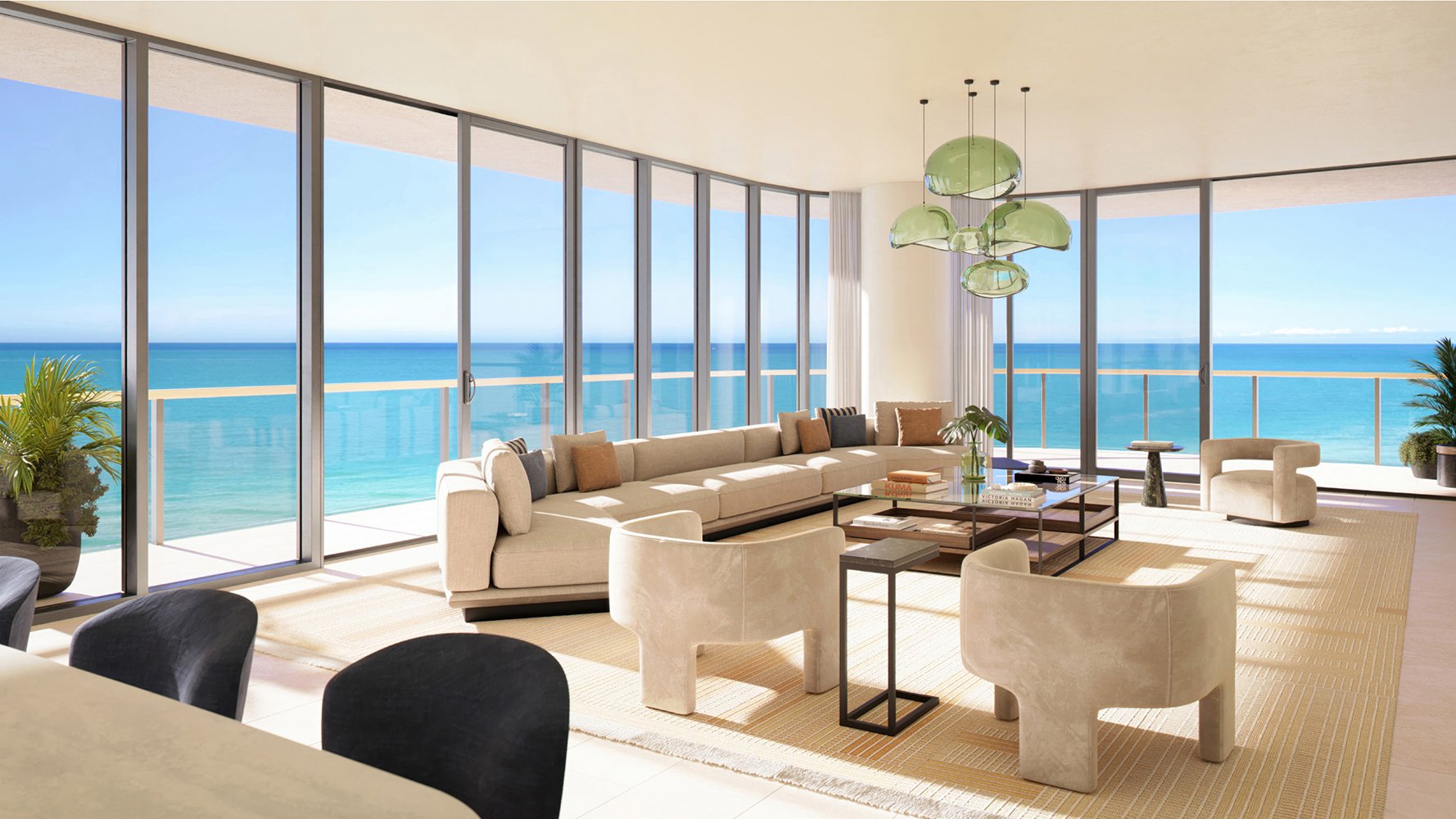
Branded residences are often discussed as if the name on the porte cochere is the primary differentiator. In practice, the real separator is the building’s operating model: who shares the elevators, how amenities are programmed, and what day-to-day rhythm the property is engineered to deliver. In Pompano Beach, the contrast is unusually crisp. W Pompano Beach Hotel & Residences is conceived as a mixed-use tower combining private condominium residences with a large inventory of furnished condo-hotel suites. Waldorf Astoria Residences Pompano Beach is positioned as a standalone, residential-only branded tower with hotel-caliber staffing and a resident-first posture. Both belong in the same oceanfront conversation, yet they solve for different buyer briefs. One is designed to feel like a resort that happens to include true residences; the other is designed to feel like a private club backed by a legacy hospitality standard.
W Pompano Beach is planned as a 24-story oceanfront project marketed with roughly 475 linear feet of ocean frontage. The program is intentionally bifurcated. On one side are 74 condominium residences, including three penthouses, marketed in the larger 2 to 4 bedroom range. On the other side are 296 furnished condo-hotel suites, from studios to 2 bedroom configurations. That split isn’t a nuance. It points to two distinct experiences under one roof. For the residence buyer, the pitch centers on scale and finish: larger-format layouts (publicly marketed around 2,400 to 3,400 square feet) paired with interiors by Meyer Davis. For the suite buyer, the pitch is streamlined ownership: furnished, hospitality-forward, and oriented to a hotel-style rental program. Amenities lean into the W personality. The flagship is a resort-scale WET Deck concept with pools, cabanas, and sport courts, supported by brand-standard wellness offerings like AWAY Spa and FIT programming. The appeal is straightforward for buyers who like momentum: a property that feels activated, social, and service-rich. The tradeoff is just as clear. Mixed-use living typically comes with a level of guest presence and turnover that is built into the experience. For some, that’s the point. For others, it’s the reason to keep shopping.
Waldorf Astoria Residences Pompano Beach is positioned as a residential-only branded tower, planned as a 28-story oceanfront building with 92 residences and 2 to 5 bedroom layouts. Residential-only matters because it puts privacy at the center of the proposition. The building’s social tempo is designed around owners and their guests, not a steady flow of transient check-ins. The service story still leads: concierge and residence management are part of the Waldorf Astoria expectation, but the property is framed as a home environment rather than a resort ecosystem. Then there’s the differentiator that can reshape a lifestyle, not just a floor plan: a private marina with 19 boat slips, plus a courtesy dock noted in amenity materials. In a market where oceanfront often means you’re close to the water but still managing logistics around it, on-site slips can narrow the gap between “living by the ocean” and “using the ocean.” It’s a meaningful advantage for owners who keep a boat, charter frequently, or want the optionality of spontaneous coastal access. Within the Pompano Beach set, that marina detail is defining. It signals a quieter, more controlled environment with a day-to-day connection to boating.
These towers can both be “luxury,” yet they choreograph daily life in noticeably different ways. Privacy and arrival: In a condo-hotel-adjacent environment, arrivals tend to be more dynamic. Lobbies and common areas can feel busier, and the building culture often tilts toward a resort cadence. In a residential-only tower, the same spaces typically read quieter, more predictable, and more owner-centric. Amenity tone: W’s WET Deck positioning signals a more extroverted amenity narrative, while Waldorf Astoria’s amenity set reads more resident-centric, with lounge and wellness concepts oriented to repeat use rather than vacation peaks. Ownership intent: W’s suite offering is openly positioned around turnkey, hospitality-style use and a rental-program mindset. Waldorf Astoria’s framing aligns more closely with a primary or second-home sanctuary, even while delivering elevated service. Neither is universally “better.” The better fit is the one that matches how you want the building to behave on a Tuesday, not just how it photographs on a Saturday.
Short-term renting isn’t a vibe. It’s a compliance posture. Pompano Beach regulates short-term rental activity through a permitting process and operational requirements that include licensing and local compliance steps. If your plan includes frequent rentals, your underwriting should begin with the city’s permit pathway and your willingness to operate within it. That matters even when a property is designed with hospitality adjacency, because local rules and building governance can still define what “rental-friendly” means in practice. For buyers considering the W suite track, the premise of a hotel-style rental program may be compelling precisely because it implies a more structured operational environment. For buyers prioritizing discretion, a residential-only tower generally aligns with tighter control over transient occupancy patterns. Either way, treat rentals as a strategy living at the intersection of city permitting, building documents, and how much turnover you personally want to feel in shared spaces.
The social second-home buyer: If you want a home that behaves like a resort, with an active deck culture and a sense of weekend energy, W’s mixed-use approach can feel intuitive. You’re buying into programming and atmosphere, not just square footage. The privacy-first principal: If you want the oceanfront setting without the ambient buzz of a hotel, Waldorf Astoria’s residential-only posture is designed for you. The marina component strengthens the case for owners who want the ocean as an activity, not just a view. The design-and-service connoisseur: Both models trade on brand-level service expectations, but they express them differently. W leans lifestyle-forward; Waldorf Astoria leans classic and discreet. If you value predictability, controlled access, and a home-like cadence, the residential-only concept typically reads more coherent.
One reason these two launches resonate is that they mirror a broader South Florida shift: the market is no longer simply “branded” versus “not branded.” It’s “hotel-integrated” versus “residential-only,” with buyers choosing based on how they intend to use the home. Along the coast, other branded or hospitality-adjacent concepts illustrate the spectrum. In Miami Beach, Setai Residences Miami Beach has long represented the appeal of a highly serviced, globally legible lifestyle address. Further north, The Ritz-Carlton Residences® Pompano Beach offers a different flavor of branded oceanfront living, often associated with a more composed, traditional service sensibility. And if your horizon includes newer, design-forward coastal inventory with a boutique feel, Ocean 580 Pompano Beach provides another reference point for how buyers compare scale, intimacy, and day-to-day atmosphere in the same neighborhood. The takeaway isn’t that one model is destined to outperform. It’s that luxury buyers can now select a building’s operating personality as deliberately as they select views.
Before you treat either project as your default, pressure-test a few points sophisticated buyers often leave too late. First, confirm which product you’re actually buying at W: a condominium residence or a furnished suite aligned with a hotel-style program. That distinction affects not only use, but how the building will feel over time. Second, ask how amenity access and programming are managed between residents, suite owners, and transient guests. In mixed-use towers, details like hours, reservation policies, and peak-season controls often define the lived experience. Third, if boating is part of your identity, evaluate the marina offering at Waldorf Astoria the way you’d evaluate a floor plan. A slip is a lifestyle asset, and scarcity can be as meaningful as ocean frontage. Finally, align any rental intentions with local permitting and building governance early. If the plan is flexibility, confirm the path to legal, compliant operation, and whether you’re prepared for the operational reality that comes with it.
Is W Pompano Beach a condo-hotel? It is a mixed-use project combining condominium residences with furnished condo-hotel suites.
How many residences are planned at W Pompano Beach? The plan includes 74 condominium residences, plus three penthouses, alongside 296 suites.
What is the headline amenity concept at W Pompano Beach? The project emphasizes a resort-style WET Deck with pools, cabanas, and sports courts.
Is Waldorf Astoria Residences Pompano Beach residential-only? Yes, it is positioned as a standalone residential-only branded tower with no on-site hotel.
How many residences are planned at Waldorf Astoria Residences Pompano Beach? The tower is planned for 92 total residences with 2 to 5 bedroom layouts.
Does Waldorf Astoria Residences Pompano Beach have marina access? Amenity materials include a private marina with 19 boat slips and a courtesy dock.
Which option is better for privacy? A residential-only tower generally offers more controlled access and less guest turnover.
Which option is more aligned with short-term rental use? A condo-hotel suite model is typically built around frequent stays, subject to local rules.
Are short-term rentals regulated in Pompano Beach? Yes, short-term rental activity is permitted through a city process with compliance steps.
What is the simplest way to decide between these two projects? Choose based on whether you prefer a resort-like, mixed-use cadence or resident-only calm. For private guidance on Pompano Beach branded residences,
For tailored guidance, speak with MILLION Luxury.
If branded residences are on your mind — as a home or as an allocation — we would be glad to share what we are seeing, privately.
Begin a quiet conversation