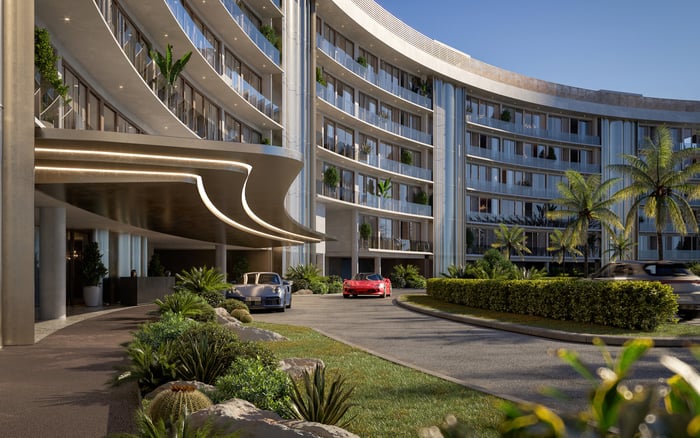
A discreet buyer’s guide to how private-island living at Vita at Grove Isle may shape access, guest arrivals, delivery routines, service coordination, and everyday convenience.
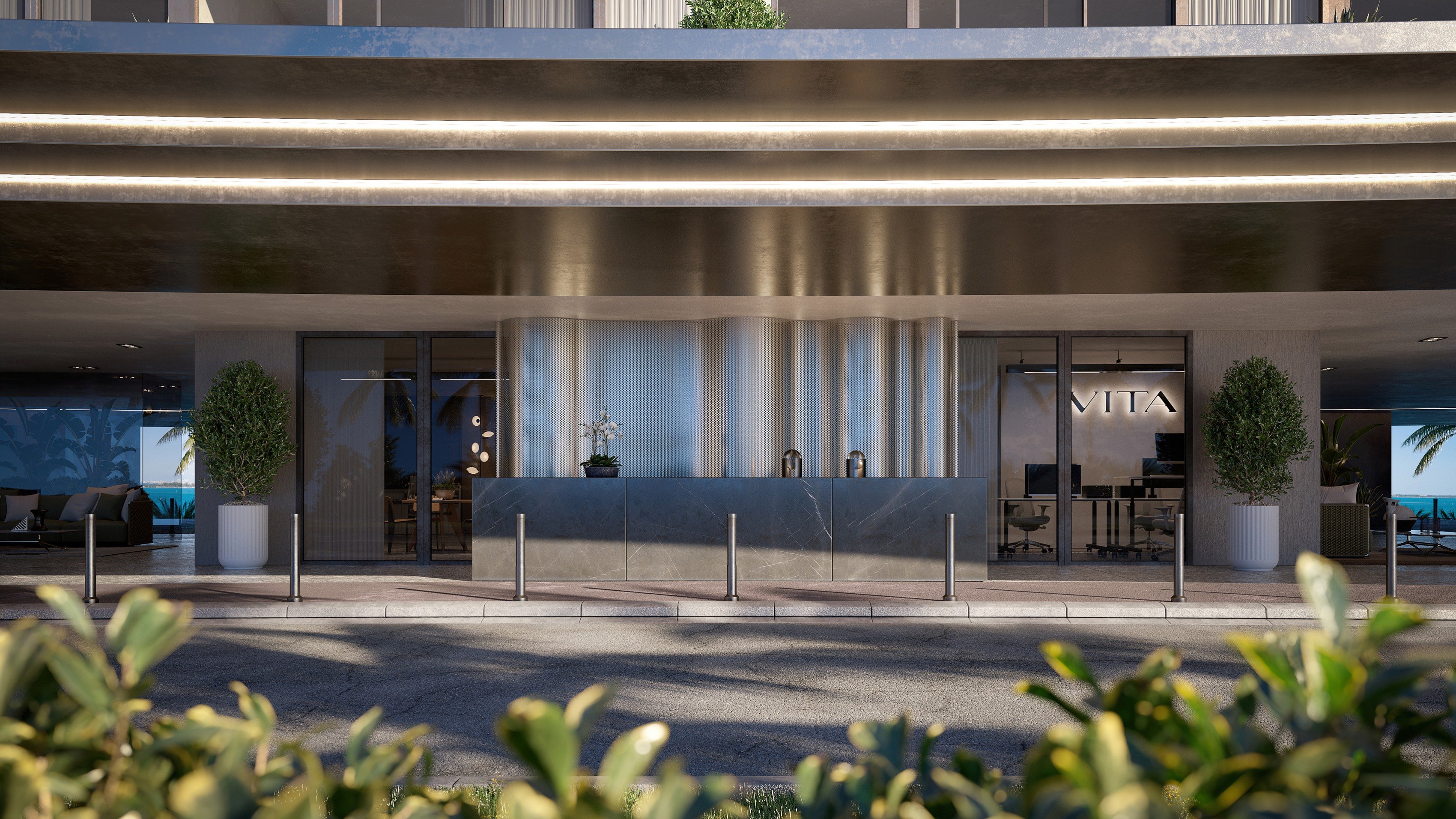
For buyers studying Vita at Grove Isle, the appeal begins with privacy, water, and a sense of separation from the everyday city. The deeper question is more practical: how does a private-island residential setting shape the ordinary movements of life, from a dinner guest arriving at dusk to a courier bringing a package, a trainer coming for a morning session, or a driver waiting for an airport run?
In South Florida’s ultra-premium market, privacy is rarely just visual. It is operational. The most coveted addresses manage arrival, access, staffing, deliveries, and security with a level of structure that feels almost invisible when executed well. That structure can be a clear benefit for residents who want calm and discretion, but it also requires buyers to understand the property’s rhythm before they buy.
The right way to evaluate Vita at Grove Isle is not to ask whether private-island living is convenient or inconvenient in the abstract. The better question is whether its managed nature fits your household. A buyer with frequent dinner parties, visiting family, rotating wellness providers, household staff, and regular deliveries will experience access differently than a seasonal owner who arrives for long weekends and values maximum quiet.
In a conventional urban tower, guests often move quickly from curb to lobby. In a private-island environment, the arrival sequence is more deliberate. That can heighten the sense of occasion, particularly for owners who entertain selectively and prefer an address that does not feel publicly exposed. For the host, however, guest flow deserves close attention.
Before purchasing, buyers should ask how visitors are announced, cleared, received, and directed. The details matter. Can recurring guests be pre-authorized? How are rideshare drivers handled? What happens when several guests arrive at once? Is there a preferred protocol for private drivers, valet, or event vendors? None of these questions diminishes the luxury of the setting. They clarify how the luxury functions.
For many owners, this is precisely the attraction. The home feels removed, and the building’s arrival culture can support that discretion. Similar buyer psychology appears across Coconut Grove, where low-density sensibility, tree-canopied streets, and waterfront adjacency remain central to the neighborhood’s luxury identity. Projects such as Four Seasons Residences Coconut Grove and Park Grove Coconut Grove speak to the same desire for residential refinement without the more public tempo of Miami’s densest corridors.
Luxury buyers increasingly expect residences to absorb the friction of daily life. Groceries, wardrobe deliveries, floral arrangements, wine shipments, medication, dry cleaning, pet supplies, design samples, and last-minute dinner ingredients all move through the modern household. A private-island setting can handle that movement elegantly when the building’s procedures are clear and the resident understands them.
The most important questions are straightforward. Where do packages go? How are perishable items handled? Are large deliveries scheduled through a service entrance or loading area? How are furniture installers, art handlers, and audiovisual technicians coordinated? Can staff receive deliveries on behalf of the owner, and what authorization is required?
For a primary residence, these systems are part of everyday comfort. For a second home, they become even more important because the owner may not be present when items arrive. In that case, the real luxury is not merely seclusion. It is the confidence that the residence can be prepared, stocked, serviced, and reset without constant intervention.
Buyers comparing Vita at Grove Isle with other amenity-rich Coconut Grove addresses should pay attention to how each building choreographs service. Mr. C Tigertail Coconut Grove, for example, represents a different expression of Grove living, with its own urban-residential rhythm. The Well Coconut Grove brings another wellness-oriented lens to the area. The common thread is that modern luxury is measured not only by architecture, but by how gracefully a property manages the practical needs of its residents.
Private-island living tends to make residents more intentional. Quick errands may still be simple, but the psychology changes. Owners are more likely to consolidate trips, rely on household staff, schedule services, and use delivery platforms for routine needs. For many buyers, this is not a compromise. It is part of the lifestyle they are seeking.
The most satisfied private-island residents usually have a clear pattern. They know when they prefer to drive themselves, when to use a driver, when to have items brought in, and when to let staff coordinate. A buyer who thrives on spontaneous street-level convenience may prefer a more urban address. A buyer who values quiet, control, and the feeling of coming home to a retreat may find the cadence natural.
This is where the term exclusive area becomes more than a marketing phrase. It suggests a relationship between privacy and planning. In the shorthand of South Florida property searches, Vita at Grove Isle sits within a Coconut Grove conversation that often overlaps with gated community, new construction, waterview, and second-home priorities. Those labels are not the lifestyle itself, but they help frame the buyer’s expectations.
The more valuable a residence, the more important its service ecosystem becomes. Housekeepers, chefs, drivers, trainers, tutors, dog walkers, maintenance technicians, florists, stylists, and private nurses may all need access at different times. A private-island address should be evaluated through that lens.
For buyers, the key is to map a normal week. Who comes to the residence? How often? At what hours? Are they recurring or one-off vendors? Do they carry equipment? Do they need parking, loading access, elevator reservations, or advance clearance? A property that feels serene to the owner can still be highly active behind the scenes. The best buildings make that activity feel composed.
This is especially relevant for families who move between multiple homes. When a South Florida residence is part of a broader portfolio, local staff may prepare the home before arrival, coordinate groceries, open the residence, test systems, and manage departures. In that context, private-island living rewards owners who prefer structure and are comfortable with protocols.
A polished sales presentation can communicate mood, materials, and views. The buyer’s due diligence should go further. Ask for the resident rules governing guests, vendors, deliveries, moving days, parking, service access, pets, and after-hours procedures. Ask how temporary authorizations are handled. Ask whether household employees can be registered. Ask what happens when a resident is traveling and an urgent delivery arrives.
None of these questions are adversarial. They are the vocabulary of serious ownership. In the ultra-luxury market, the difference between a beautiful residence and an effortless residence is often operational clarity.
For Vita at Grove Isle, the private-island premise should be understood as a promise of separation paired with a need for coordination. Buyers who appreciate that balance may find the lifestyle deeply compelling. Buyers who dislike any layer between themselves and the street should examine whether the tradeoff fits their habits.
At the highest end of South Florida real estate, convenience is no longer defined by immediacy alone. It is defined by control. A private-island residence can make the city feel close when needed and distant when desired. It can give guests a memorable arrival, keep deliveries organized, and allow daily errands to recede into the background, provided the systems align with the household.
That is the essential lens for Vita at Grove Isle. The value is not simply in being apart. It is in being apart without feeling cut off. When privacy, staffing, access, and service protocols work together, private-island living becomes less about logistics and more about atmosphere.
Is Vita at Grove Isle best suited for full-time residents or seasonal owners? It can appeal to either profile, but the best fit depends on how the household manages guests, staff, deliveries, and travel routines.
Does private-island living make guest access more complicated? It can be more structured, which many owners view as a privacy advantage. Buyers should review the exact visitor procedures before purchasing.
What should buyers ask about deliveries? Ask where packages are received, how perishables are handled, and how large or scheduled deliveries are coordinated.
Are private drivers and rideshare arrivals important to evaluate? Yes. Arrival, waiting, drop-off, and guest identification procedures can shape the daily experience of the residence.
How should owners think about household staff access? Recurring staff should be discussed early, including authorization, schedules, parking, service routes, and after-hours needs.
Is a private-island address less convenient for errands? It depends on the owner’s habits. Many buyers trade spontaneous street access for privacy, quiet, and more coordinated service.
What makes private-island living feel luxurious rather than restrictive? Clear systems, responsive staff, and predictable protocols allow privacy to feel effortless instead of burdensome.
Should buyers compare Vita at Grove Isle with other Coconut Grove projects? Yes. Comparing access, services, neighborhood rhythm, and ownership style can clarify which address best fits the household.
What is the biggest practical risk to overlook? Buyers often focus on views and finishes while underestimating the importance of guest, vendor, and delivery logistics.
What is the main lifestyle benefit of this setting? The principal benefit is controlled separation, with a residential atmosphere that can feel private, composed, and removed.
If you'd like a private walkthrough and a curated shortlist, connect with MILLION.
If branded residences are on your mind — as a home or as an allocation — we would be glad to share what we are seeing, privately.
Begin a quiet conversation