A refined buyer-focused comparison of Villa Miami and Casa Bella by B&B Italia, centered on design language, neighborhood rhythm, privacy expectations, and the social character of Miami’s luxury core.
The most useful way to read Villa Miami versus Casa Bella by B&B Italia is not as a rigid winner-take-all contest. For a sophisticated buyer, the sharper question is social mood: how the building feels at arrival, how public or private that transition becomes, and whether the surrounding neighborhood energy supports a more serene daily ritual or a more urban one.
That distinction matters in Miami’s luxury core. Two residences can be design-forward, vertical, and positioned for buyers who care deeply about architecture and interiors, yet still speak to different temperaments. One buyer may want the feeling of being slightly removed from the downtown pulse while staying connected to it. Another may prefer the immediacy of a Downtown address, with the city’s movement forming part of the appeal.
Within that frame, Villa Miami is clearly anchored to Edgewater, while Casa Bella by B&B Italia Downtown Miami belongs in the Downtown conversation. The shared vocabulary is new-construction, ultra-modern, and design-led. The difference is the emotional register each buyer may be seeking.
Edgewater has long appealed to buyers who want proximity without full immersion. It offers access to Miami’s urban center, while the residential mood can feel more measured than the densest parts of Downtown. For many high-net-worth buyers, that in-between quality is precisely the attraction: city convenience, bayfront sensibility, and a rhythm that can feel residential rather than relentlessly civic.
Villa Miami fits naturally into that lens because its identity is tied to Edgewater. A buyer considering it is likely evaluating more than a floor plan. The question becomes whether the building supports a lifestyle of quieter arrivals, more composed day-to-day pacing, and a sense of retreat after evenings in Brickell, Miami Beach, the Design District, or Downtown.
In that same Edgewater orbit, buyers may also be comparing the broader tone of projects such as Aria Reserve Miami, where the neighborhood itself helps define the residential proposition. The point is not that every Edgewater building offers the same experience. Rather, the area gives buyers a familiar framework: views, access, and a gentler separation from the core business and entertainment districts.
Casa Bella by B&B Italia, by contrast, is best understood through a Downtown lens. Even before specific residence-by-residence details enter the conversation, the name itself places design at the center of the buyer’s imagination. For clients who respond to Italian design language, curated interiors, and a more cosmopolitan sense of daily life, the project name establishes a clear tone.
Downtown living tends to attract a buyer who enjoys proximity to movement. That may include arts, dining, waterfront promenades, office access, event venues, and the layered intensity of the city. The appeal is not simply convenience. It is the sense that the city is part of the residence’s atmosphere.
This is where Casa Bella’s social mood can feel distinct from Villa Miami’s Edgewater reading. A Downtown buyer may be less focused on retreat as the primary narrative and more interested in immersion, connection, and an urbane sense of arrival. In the same geography of comparison, Waldorf Astoria Residences Downtown Miami and Aston Martin Residences Downtown Miami help illustrate how Downtown has become a stage for branded, highly visible residential statements.
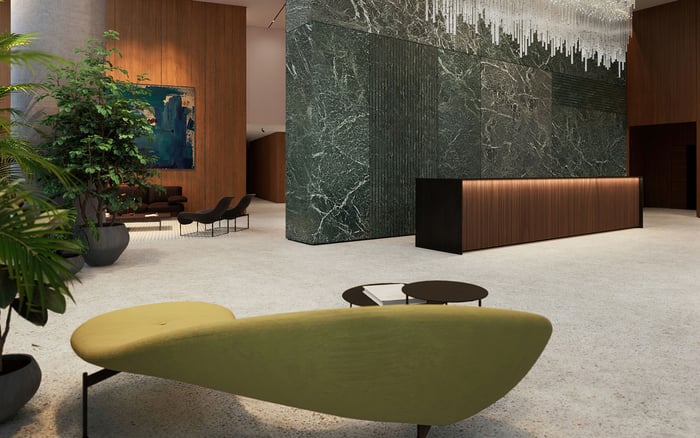
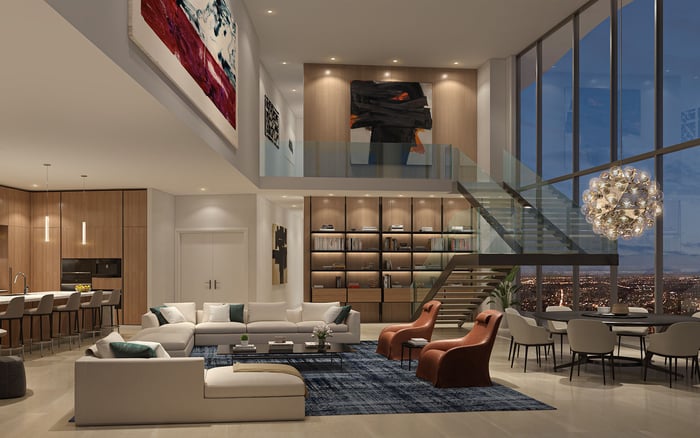
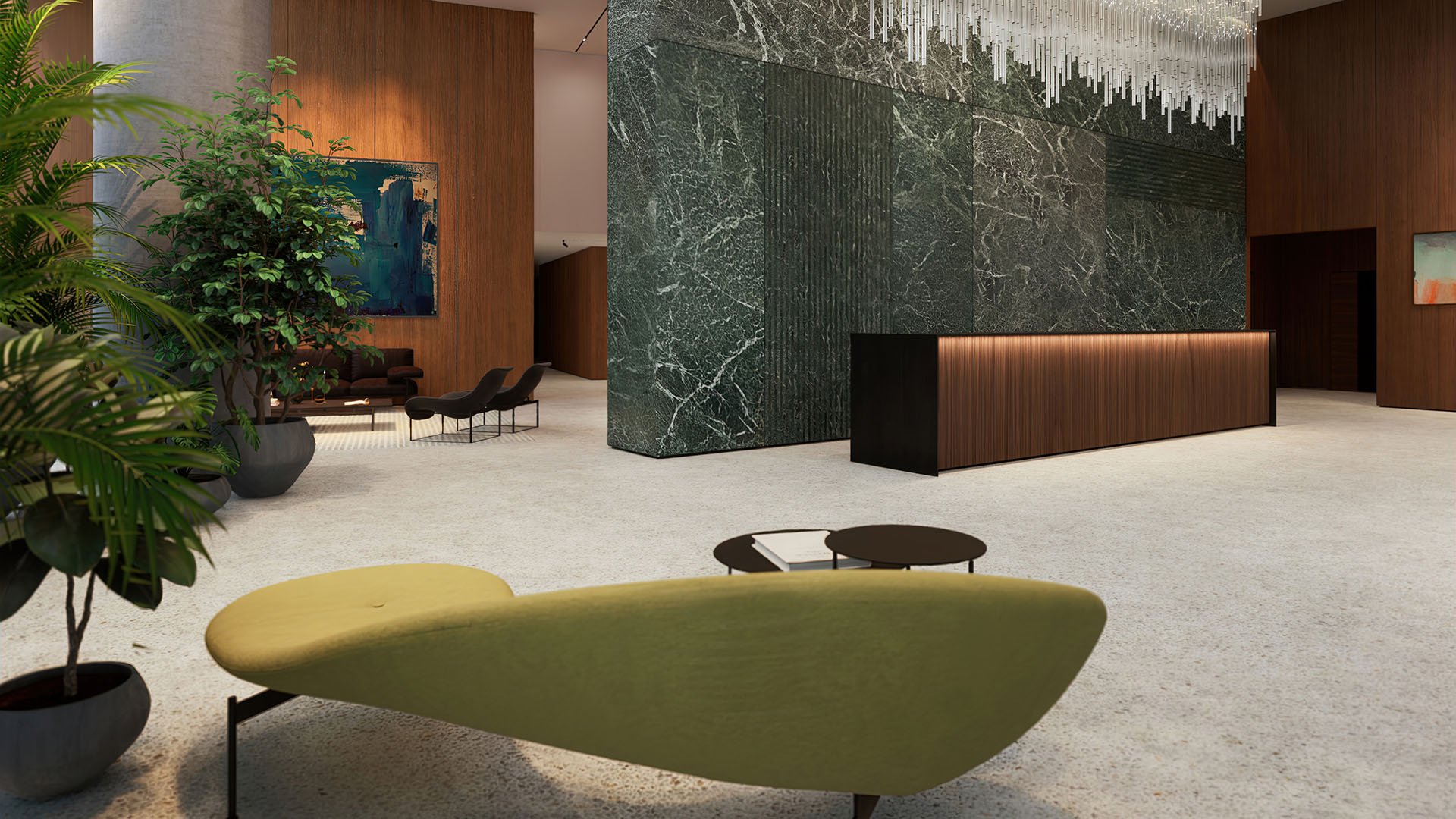
For design-forward buyers, the comparison should begin with lifestyle choreography. Consider the route from car to residence, the privacy of arrival, the scale of common spaces, the character of elevator lobbies, and the likely rhythm of residents. These details often determine whether a property feels like a private home in the sky or a social address with stronger urban theater.
The Villa Miami buyer may prioritize calm and adjacency. The Casa Bella buyer may lean toward city presence and the cultural confidence suggested by a design house affiliation. Neither mood is inherently superior. The better choice depends on how a buyer wants Miami to enter daily life.
This is especially important for second-home owners. A residence used seasonally must work immediately, with minimal friction. If the owner arrives for a long weekend, the building should either create instant decompression or deliver immediate access to the city, depending on the owner’s habits. Full-time residents may weigh the same choice differently, focusing on school routes, work patterns, private fitness routines, dining frequency, and the emotional experience of coming home every evening.
The most revealing buyer questions are often not the obvious ones. Instead of asking which project is more luxurious, ask which one will feel better on a Tuesday morning. Instead of asking which name is more recognizable, ask whether the building’s social environment aligns with the way you host, rest, work, and move through Miami.
For some, Villa Miami’s Edgewater identity will suggest a softer threshold between home and city. For others, Casa Bella by B&B Italia Downtown Miami will feel more aligned with a metropolitan routine, particularly for buyers who want the address to carry a stronger urban charge.
The smartest comparison also includes resale psychology. Design-led residences can be compelling, but the future buyer pool may value different aspects of the same property. Some will respond to the neighborhood. Some will respond to the brand association. Some will respond to the architecture of daily privacy. A disciplined purchase weighs all three.
This comparison is ultimately about fit. Villa Miami and Casa Bella by B&B Italia sit in related but not identical mental categories. One reads through Edgewater, the other through Downtown. One may appeal to a buyer seeking a calmer residential register; the other may suit a buyer who wants a more city-forward address with design at the center of the story.
For a serious buyer, the next step is not to chase a headline distinction. It is to walk the neighborhood, study the arrival experience, review the residence mix, and understand how each building’s social mood will feel over time. In Miami’s luxury market, the right home is rarely only the most dramatic one. It is the one whose atmosphere remains desirable after the novelty has faded.
Is Villa Miami in Edgewater? Yes. Villa Miami is presented as an Edgewater project, which shapes how buyers should read its neighborhood mood.
Is Casa Bella by B&B Italia a Downtown Miami project? Yes. Casa Bella by B&B Italia Downtown Miami is positioned within the Downtown Miami residential conversation.
Which is better for a quieter lifestyle? Buyers seeking a calmer residential rhythm may want to study Villa Miami’s Edgewater setting first.
Which is better for a more urban lifestyle? Buyers who prefer a more city-forward daily experience may find Casa Bella’s Downtown positioning more aligned.
Are these projects comparable? They are comparable as design-forward Miami residences, but the more useful comparison is lifestyle mood rather than ranking.
Should investors focus on brand or neighborhood? Both matter. A disciplined buyer should weigh design identity, neighborhood demand, privacy, and long-term audience depth.
Is Downtown different from Edgewater for luxury buyers? Yes. Downtown generally feels more urban and immediate, while Edgewater can offer a more residential sense of separation.
Do design-led residences always resell better? Not automatically. Resale depends on pricing, execution, views, condition, neighborhood demand, and the future buyer pool.
Should second-home buyers evaluate these differently? Yes. Seasonal owners should focus on frictionless arrival, ease of use, privacy, and how quickly the home delivers the desired Miami mood.
What is the best next step before choosing? Tour both settings at different times of day and compare how each building’s neighborhood rhythm matches your personal routine.
For a confidential assessment and a building-by-building shortlist, connect with MILLION.
If branded residences are on your mind — as a home or as an allocation — we would be glad to share what we are seeing, privately.
Begin a quiet conversation