A buyer-focused comparison of Rivage Bal Harbour and Oceana Bal Harbour, weighing contemporary waterfront prestige against established collectibility in one of South Florida’s most discreet oceanfront markets.
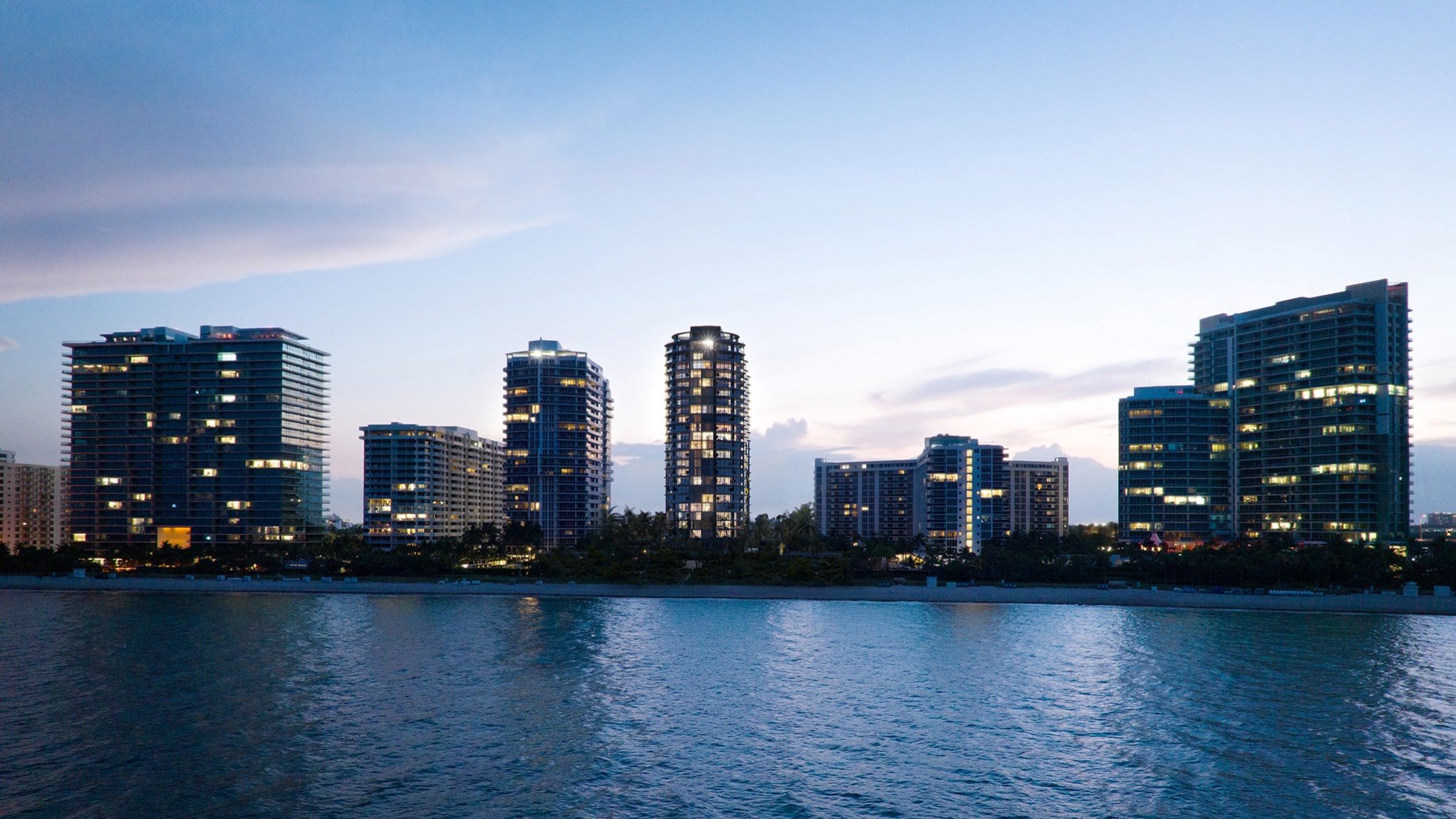
In Bal Harbour, prestige is rarely loud. It is measured in privacy, proportion, water, service, and the confidence that an address will remain legible to the next generation of luxury buyers. That is why the comparison between Rivage Bal Harbour and Oceana Bal Harbour is not simply a choice between two oceanfront condominiums. It is a question of temperament.
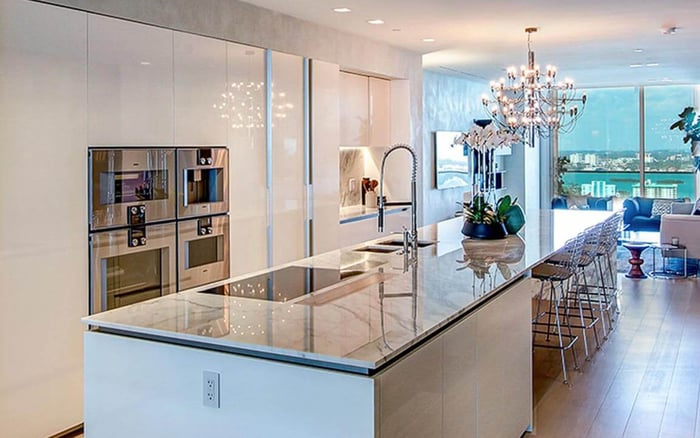
Rivage Bal Harbour represents the contemporary side of the equation: newer waterfront prestige shaped by current architecture, expansive glass, open layouts, large private terraces, and a more fluid relationship between interiors and the Atlantic. Oceana Bal Harbour represents the established counterpoint: a recognized luxury address with an existing resident base, operational maturity, and a market identity buyers can evaluate in the present rather than imagine in the future.
For the ultra-premium buyer, the distinction matters. Newness can deliver emotional immediacy and design relevance. Collectibility can provide confidence, precedent, and the assurance of an already-proven place.
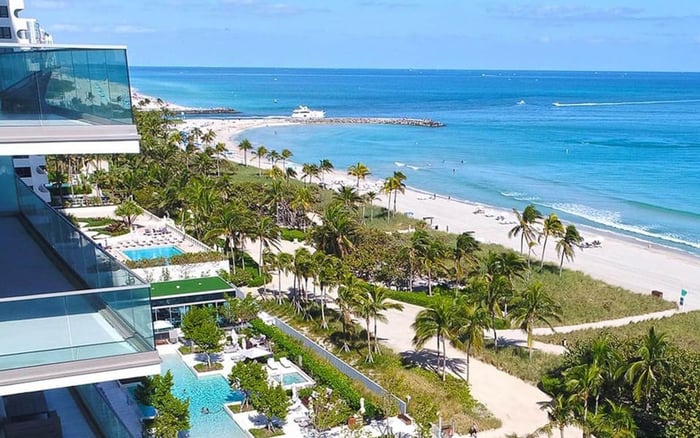
Rivage is best understood as a modern waterfront proposition for buyers who want architecture that feels current on arrival. Its design language is defined by clean lines, broad glass, open living spaces, and strong indoor-outdoor continuity. In a market where the ocean is the central luxury, organizing daily life around Atlantic views becomes more than a visual amenity. It becomes the residence’s guiding principle.
The Rivage thesis is also tied to the expectations that now define high-end new-construction living: wellness programming, contemporary fitness environments, concierge service, security, and smart-home-style technology. These features do not need to be theatrical to be valuable. For many buyers, the luxury lies in frictionless living: the sense that a home has been conceived for the way global owners move between work, privacy, travel, health, and entertaining.
There is also a narrative premium to consider. Buyers drawn to Rivage may want to enter an emerging prestige story early, before the building’s identity is fully settled by years of ownership history. That can be emotionally compelling for those who prefer to shape their own chapter rather than inherit an already-defined one.
Oceana’s advantage is different. It is not primarily about being new. It is about being known. In a market as selective as Bal Harbour, established recognition has its own gravity. A building with an existing resident base, functioning operations, and a history as a luxury oceanfront address gives buyers something concrete to examine.
That is why Oceana Bal Harbour often speaks to collectors of real estate rather than pure new-development enthusiasts. The buyer can assess how the building lives, how the ownership environment feels, and how the address is perceived by the market. Resale activity, where available to a buyer’s advisory team, can offer a different kind of comfort than projected positioning.
The appeal is not nostalgia. It is operational confidence. For some buyers, the most valuable luxury is not being first. It is entering a building whose rhythms, expectations, and reputation already exist.
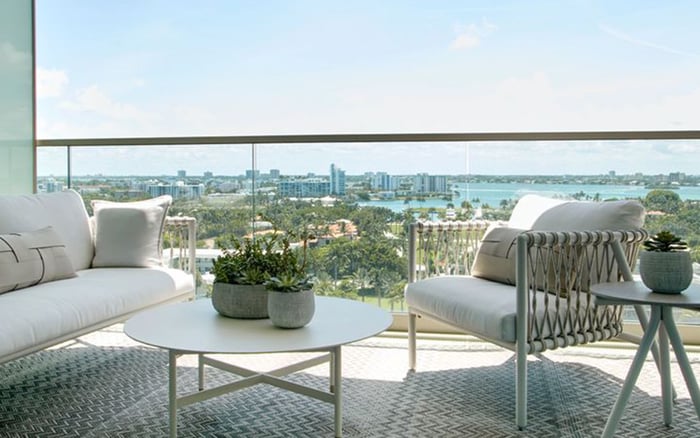
Bal Harbour buyers rarely purchase square footage alone. They purchase air, light, discretion, and the quality of transition between private interiors and the waterline. That is where Rivage’s emphasis on expansive glass, open plans, and large private terraces becomes central. The residence is positioned as a contemporary frame for the ocean, with layouts designed to maximize Atlantic sightlines.
Oceana’s design value is filtered through a different lens. Its draw is not a newly emerging design narrative, but the assurance of a recognized residential environment. For a buyer who wants to understand the daily experience before committing, established buildings provide a level of tangibility that early-stage prestige cannot always replicate.
This is also where personal architecture matters. A buyer who wants a crisp, modern spatial language may lean toward Rivage. A buyer who prioritizes a proven address, known residential culture, and collectible positioning may find Oceana the more comfortable fit.
Bal Harbour sits within a broader northern-beach luxury corridor where scarcity, ocean frontage, and brand-like residential identity drive buyer attention. Nearby conversations may include Surfside addresses such as Fendi Château Residences Surfside or The Surf Club Four Seasons Surfside, but the Bal Harbour decision has its own cadence. It is quieter, more residential, and often more focused on long-term ownership quality than seasonal spectacle.
Within that context, the Rivage versus Oceana decision becomes useful shorthand for two types of wealth behavior. One buyer wants the freshness of a contemporary canvas. Another wants the confidence of an established collectible. Neither approach is inherently superior. Each reflects a different way of managing risk, taste, and time.
For portfolio language, Bal Harbour, oceanfront, new construction, and resale are not merely search terms. They describe the core dimensions of this decision: location, water, modernity, and liquidity context.
Rivage may be the more natural fit for buyers who prioritize current architecture, technology, personalization, wellness-minded programming, and the emotional appeal of entering a newer prestige narrative. It suits owners who want the home to feel immediately contemporary and who view design relevance as part of the asset’s long-term appeal.
Oceana may be the better match for buyers who value brand equity, established reputation, operational maturity, and the reassurance of an already-functioning luxury condominium environment. It suits owners who prefer to see how a building has been received before they commit, especially if the purchase is part residence, part collection-grade asset.
The cleanest answer is often personal: choose Rivage if you want tomorrow’s Bal Harbour story; choose Oceana if you want an address whose luxury identity is already recognized.
Is Rivage Bal Harbour positioned as the newer option? Yes. Rivage Bal Harbour is framed as the contemporary waterfront prestige choice for buyers focused on current architecture, technology, and personalization.
Is Oceana Bal Harbour considered the established counterpoint? Yes. Oceana Bal Harbour is positioned around existing market identity, an established resident base, and recognized Bal Harbour luxury presence.
Which building is better for buyers who want modern design? Rivage is the more natural fit for buyers who prioritize clean lines, expansive glass, open layouts, and strong indoor-outdoor connections.
Which building is better for buyers who value proven reputation? Oceana is better aligned with buyers who prefer operational maturity, brand equity, and an already-functioning residential environment.
Does Rivage emphasize outdoor living? Yes. Rivage is presented with an emphasis on large private terraces and layouts designed to maximize Atlantic Ocean sightlines.
Why might a buyer choose Oceana over newer construction? A buyer may prefer Oceana for its established reputation and the ability to evaluate an existing luxury condominium environment.
Is this mainly a pricing comparison? No. The more useful comparison is between contemporary waterfront prestige at Rivage and established collectibility at Oceana.
Can both buildings appeal to long-term luxury owners? Yes. Rivage and Oceana can both appeal to long-term owners, but they express different priorities around newness, confidence, and market identity.
What role does resale play in the decision? Resale context can matter more at an established building like Oceana, where buyers may review actual market activity with their advisory team.
What is the simplest way to frame the choice? Rivage is for buyers seeking a contemporary Bal Harbour narrative, while Oceana is for buyers seeking established collectible luxury.
When you're ready to tour or underwrite the options, connect with MILLION.
If branded residences are on your mind — as a home or as an allocation — we would be glad to share what we are seeing, privately.
Begin a quiet conversation