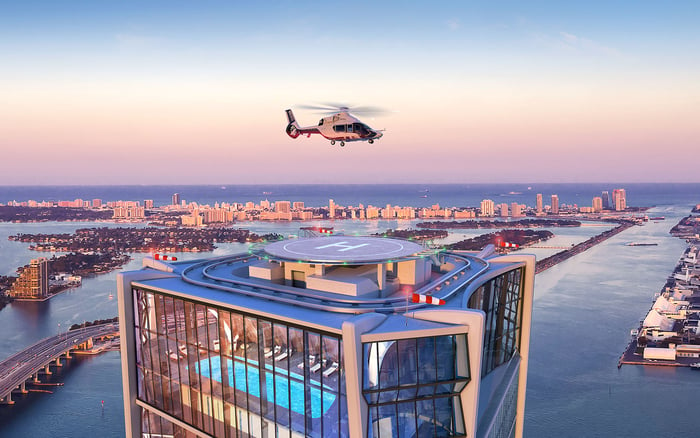
A buyer-focused guide to evaluating Downtown Miami waterfront condos through view quality, daily mobility, building character, and livability beyond the initial skyline impression.
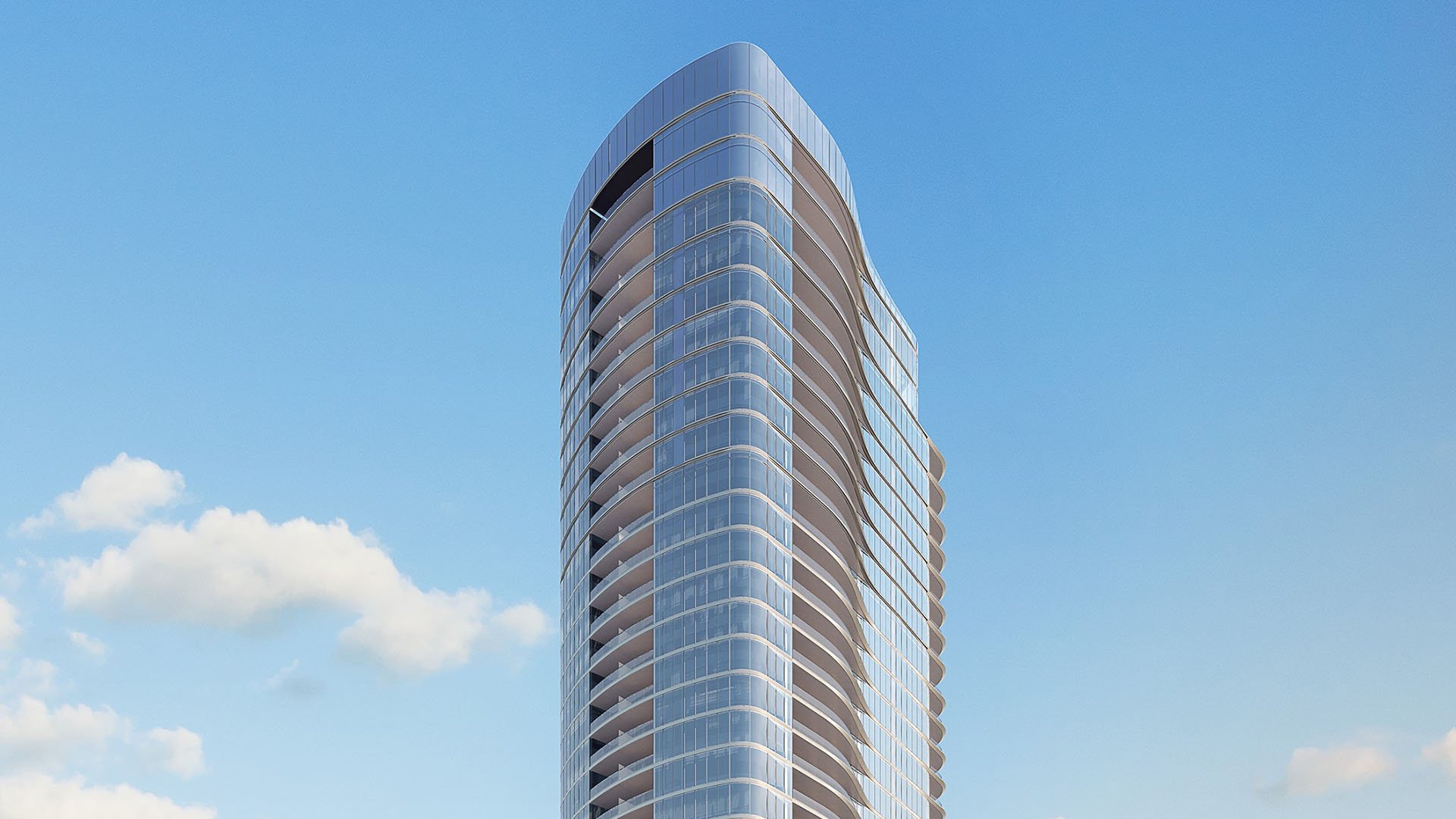
Downtown Miami waterfront condos are often introduced with the same vocabulary: skyline, bay, glass, height, arrival. For a serious buyer, those are only the opening notes. The more important question is whether a residence remains elegant once the first impression settles into routine. A view is valuable, but so is the ability to leave for dinner without ceremony, host comfortably, work privately, and feel at ease in the building every day.
The downtown waterfront buyer is rarely choosing a simple vacation perch. This is a lifestyle purchase that must balance spectacle with function. It may serve as a primary residence, a seasonal base, a lock-and-leave pied-a-terre, or a strategic long-term hold. In each case, the best decisions come from looking beyond postcard appeal and studying how a tower, floor plan, exposure, and neighborhood rhythm actually support daily life.
For discerning buyers, the waterfront is not a single market. It is a sequence of distinct micro-environments, from the downtown core to Brickell and north toward Edgewater. Each offers a different relationship to skyline, mobility, dining, culture, and quiet. The right choice depends less on which view photographs best and more on which setting feels sustainable.
A water view is not automatically superior simply because water is visible. The most compelling Downtown Miami residences tend to combine layers: bay, skyline, bridge lines, marina activity, sunsets, and night illumination. A high residence with a single broad exposure can feel cinematic, but a more nuanced corner plan may deliver changing light throughout the day and a stronger sense of place.
Buyers should study the view at different hours whenever possible. Morning glare, afternoon heat, evening reflection, and nighttime brightness can alter the mood of a room. The most livable waterfront homes often frame the city without making the interior feel exposed. Privacy, window height, balcony depth, and the distance to neighboring towers all matter.
In the downtown core, branded and architecturally assertive towers help define the skyline. Residences such as Aston Martin Residences Downtown Miami and Waldorf Astoria Residences Downtown Miami speak to buyers who want the city itself to be part of the residential experience. The appeal is not only height or address. It is the feeling of living inside the visual identity of modern Miami.
Transit should be evaluated as a lifestyle amplifier, not a substitute for luxury. The most successful urban waterfront purchases allow an owner to move through the city with fewer daily decisions. Walkability, valet flow, ride-share access, nearby transit options, and the ease of reaching dining, offices, cultural venues, and travel connections all shape the lived experience.
For some buyers, the priority is a car-light week. For others, it is the ability to keep a car while avoiding the sense of being trapped by traffic patterns. The strongest buildings make arrivals and departures feel calm. Porte cochere design, garage access, elevator efficiency, guest parking protocols, and lobby circulation are not glamorous details, but they are central to long-term satisfaction.
Downtown Miami also rewards buyers who think in time blocks rather than distances. A home that is close to the water but awkward to enter may feel less convenient than a residence slightly farther from the edge with better circulation. The premium is not only geographic. It is operational.
Brickell is the natural counterpoint to Downtown Miami. It offers a denser residential and financial rhythm, with an atmosphere that feels polished, vertical, and international. For buyers comparing Downtown waterfront condos, Brickell may provide a more established day-to-night cadence, particularly for those who want restaurants, wellness, work, and social life within close reach.
Projects such as Baccarat Residences Brickell and The Residences at 1428 Brickell are relevant not because every downtown buyer will choose Brickell, but because they sharpen the comparison. Brickell often appeals to owners who want urban refinement with a strong residential identity. Downtown may feel more cinematic and civic, while Brickell can feel more self-contained and socially active.
The distinction is personal. A buyer who values proximity to business energy may gravitate toward Brickell. A buyer who wants a broader skyline narrative and a different relationship to the bay may prefer Downtown. The best search process tests both before narrowing the field.
Edgewater expands the waterfront conversation northward. It can appeal to buyers who want Miami’s vertical energy with a slightly more residential tone. The skyline remains present, but the atmosphere may feel less compressed than the most intense portions of the urban core. For some, this balance is precisely the point.
A residence such as Aria Reserve Miami illustrates why Edgewater belongs in the same conversation as Downtown and Brickell. Buyers may find that the view composition, neighborhood pace, and sense of openness align better with their daily habits. This is especially relevant for owners who want a waterfront setting without feeling that every errand must pass through the city’s busiest corridors.
For search-minded buyers, the practical language remains clear: Downtown, Brickell, Edgewater, Waterview, High-floors, and New-construction each describe a different layer of the decision. The art is not choosing the most dramatic label. It is selecting the combination that fits how one actually lives.
Long-term livability is measured in quiet mornings, useful storage, intuitive rooms, resilient finishes, and a building culture aligned with the owner. A glamorous residence can disappoint if the primary suite lacks privacy, the kitchen is more theatrical than functional, or the outdoor space cannot be used comfortably.
Buyers should examine the floor plan before falling in love with the view. Does the residence have a graceful arrival sequence? Are bedrooms separated from entertaining areas? Is there space for remote work without sacrificing a guest room? Does the terrace connect naturally to the living area? Are service areas discreet? These questions reveal whether a condo is merely impressive or genuinely livable.
Amenity programs deserve the same scrutiny. Pools, lounges, wellness spaces, private dining, and hospitality services are valuable when they are well managed and suited to the building’s resident profile. More is not always better. The most elegant amenity environments feel calm, maintained, and proportionate to the number of people using them.
Downtown Miami waterfront condos should be approached with a decade-long lens, even when the intended hold period is shorter. The buyer should consider how the residence will age aesthetically, how adaptable the plan is, how intuitive the location feels to future users, and whether the building’s identity is likely to remain coherent.
The most durable choices tend to share a few qualities: strong natural light, credible views, efficient circulation, a respected location narrative, and a floor plan that does not rely on trend alone. Branded design can add emotional pull, but the fundamentals must still carry the purchase.
For the right buyer, Downtown Miami waterfront living offers something rare: a home that can feel both urban and elemental. Water softens the city. The skyline gives it theater. Transit and walkability reduce friction. The best residences bring these forces into balance, creating a life that is not simply seen from above, but lived well every day.
Are Downtown Miami waterfront condos better for primary living or second homes? They can serve either purpose. The best fit depends on building operations, privacy, floor plan utility, and how often the owner expects to use nearby urban amenities.
How important is the floor level when buying for skyline views? Floor level matters, but it is not the only factor. Orientation, neighboring towers, window lines, and terrace usability can be just as important.
Should buyers compare Downtown Miami with Brickell? Yes. Brickell offers a different urban rhythm, and comparing both areas can clarify whether the buyer prefers civic skyline energy or a denser residential-business environment.
Is Edgewater a serious alternative to Downtown waterfront living? For many buyers, yes. Edgewater can offer a softer residential pace while still keeping the skyline and bay central to the experience.
What makes a waterfront condo livable long term? Livability comes from practical layouts, privacy, storage, natural light, service quality, and amenities that support daily routines without feeling excessive.
Are branded residences always the best choice? Not always. Branding can enhance identity and service expectations, but buyers should still prioritize layout, view quality, fees, and building culture.
How should transit influence a luxury condo purchase? Transit should reduce friction. The goal is not only proximity, but easier daily movement between home, dining, work, culture, and travel connections.
What should buyers study during a private showing? Buyers should look at light, noise, elevator flow, arrival experience, storage, terrace depth, and how naturally each room supports daily use.
Is New-construction preferable to resale on the waterfront? New-construction may offer contemporary design and fresh amenities, while resale can offer established building patterns. The better choice depends on priorities.
What is the first step for a serious waterfront condo search? Define the lifestyle brief before touring: preferred neighborhood rhythm, view type, service expectations, parking needs, and intended use.
If you'd like a private walkthrough and a curated shortlist, connect with MILLION.
If branded residences are on your mind — as a home or as an allocation — we would be glad to share what we are seeing, privately.
Begin a quiet conversation