A discreet buyer’s guide to evaluating wellness amenities in Palm Beach luxury residences, from privacy and service standards to pools, fitness spaces, spa programming, and long-term livability.
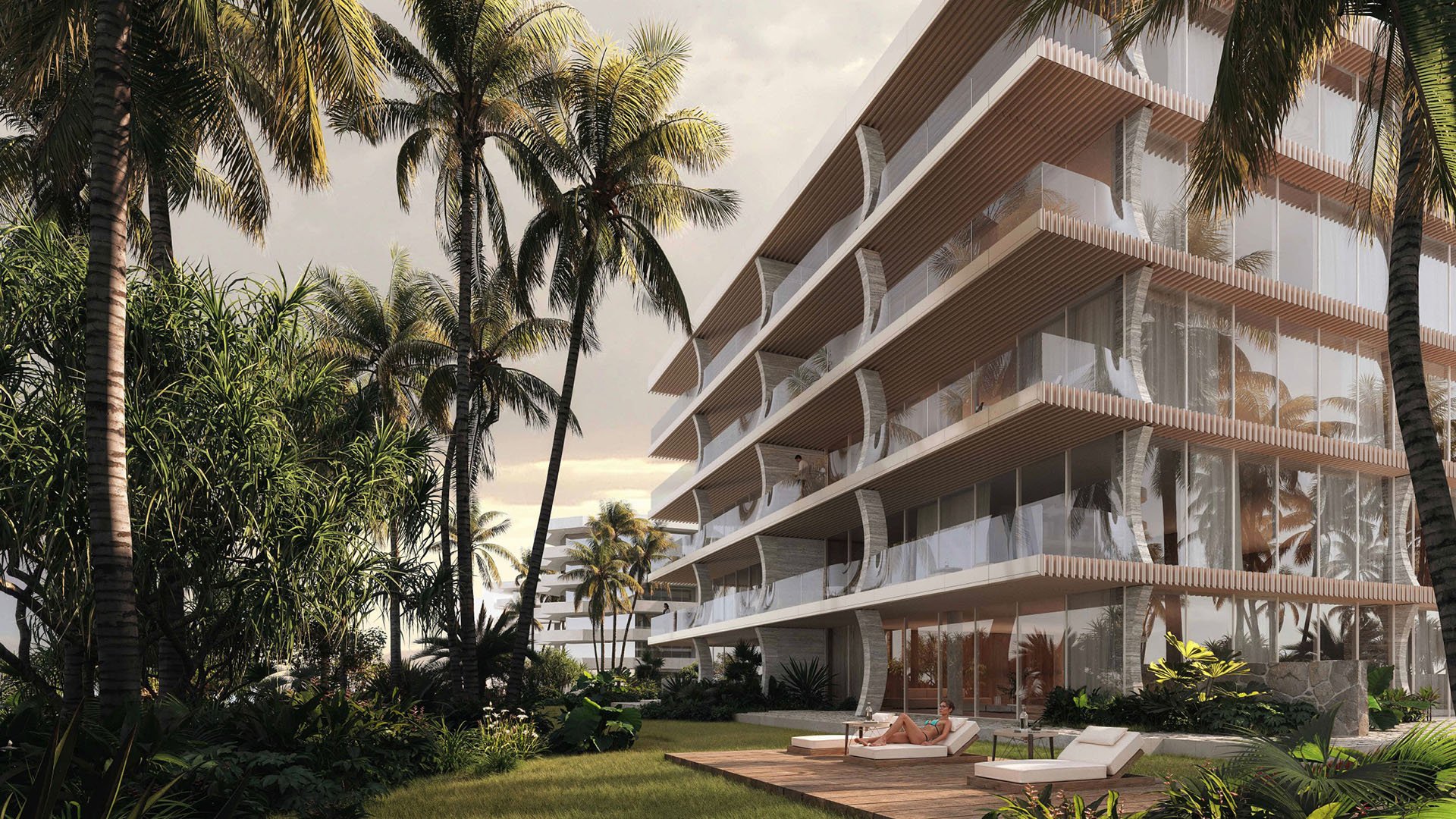
In Palm Beach luxury real estate, wellness has moved from lifestyle accessory to core component of the residence itself. The most discerning buyers are not simply asking whether a building has a gym, spa, or pool. They are asking whether those spaces are thoughtfully located, properly serviced, genuinely private, and useful precisely when they intend to use them.
That distinction matters. A beautifully rendered wellness deck can be persuasive in early marketing, but the long-term experience depends on operational discipline. How often is the fitness center crowded? Is the pool environment serene or social? Are treatment rooms designed for real appointments, or are they symbolic spaces that rarely function? Does the building support quiet recovery, daily movement, and a sense of retreat, or does it merely borrow the vocabulary of wellness?
For buyers considering Palm Beach and nearby luxury enclaves, the best approach is practical rather than trend driven. Wellness should make the residence easier to live in, not more complicated to manage. A residence that supports sleep, movement, privacy, sunlight, water views, and effortless service will often feel more valuable in daily use than one with a longer amenity brochure.
Before comparing buildings, buyers should define how they already live. A serious lap swimmer should evaluate a pool differently than a buyer who wants a quiet place to read by the water. A frequent traveler may value recovery spaces, steam, sauna, and massage access. A year-round resident may care more about circulation, storage, morning light, shaded outdoor areas, and ease of reaching the fitness room without crossing high-traffic common areas.
This is where the language of luxury can become imprecise. Palm Beach, West Palm Beach, and Boca Raton may all appear in a buyer’s search, yet they can represent different versions of convenience, privacy, and daily rhythm. Amenity terms such as pool, lap pool, and new construction can also mean very different things once a buyer studies layout, access, rules, and staffing.
A buyer evaluating Palm Beach Residences, for example, should focus less on the existence of wellness amenities and more on how the residence fits personal habits. Is the elevator experience discreet? Is there a clear separation between active and quiet spaces? Can guests and service providers move efficiently without disturbing the owner’s private routine?
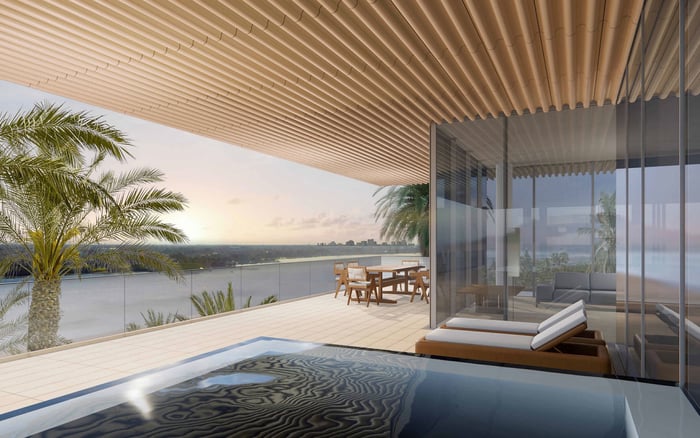
In South Florida, the pool is often the emotional center of a residential experience. Yet not all pool environments serve the same purpose. Some are designed as social landscapes; others as calm retreats. Some prioritize views and atmosphere, while others serve fitness, family, or recovery after training.
Buyers should consider sun exposure throughout the day, wind conditions, shade, towel service, lounge spacing, and the ease of moving from residence to pool without feeling overexposed. A pool that photographs beautifully may not be the right pool for someone who values quiet mornings, consistent swimming conditions, or privacy from neighboring buildings.
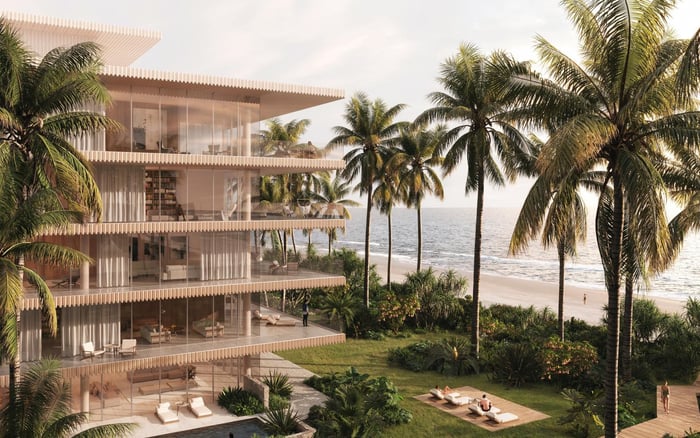
For waterfront and near-water residences, the pool should also be considered in relation to the broader outdoor experience. Is the pool the primary outdoor amenity, or part of a layered composition that includes gardens, terraces, lounge areas, and wellness rooms? The more complete the setting, the more likely it is to support different moods across the day.
A luxury fitness center should never feel like an afterthought. Buyers should assess ceiling heights, ventilation, flooring, natural light, equipment spacing, and whether the room supports different forms of training. Strength, cardio, stretching, Pilates, yoga, and recovery all require different spatial conditions.
Privacy is equally important. Some owners want a highly social fitness environment, while others prefer a quieter, almost club-like setting. The strongest residential fitness spaces allow both possibilities through thoughtful layout and scheduling. If personal training is part of the routine, buyers should ask whether there are rules, access requirements, or designated areas that make training practical.
When comparing a West Palm Beach offering such as Alba West Palm Beach with other residences in the region, the question is not simply which project has the most amenities. It is which one will make consistent, private, low-friction wellness feel natural day after day.
Spa-inspired amenities can be among the most appealing features in a luxury building, but buyers should look closely at how they are intended to function. A sauna, steam room, massage room, or relaxation lounge carries value when it is accessible, clean, properly maintained, and positioned away from noise.
The best wellness spaces have a sense of sequence. A resident should be able to move from exercise to recovery, from treatment to quiet, or from pool to shower without awkward transitions. Materials matter as well. Stone, wood, water, lighting, and acoustics all shape whether a wellness area feels restorative or merely decorative.
Buyers should also consider how much wellness they want inside the private residence itself. A generous primary bath, space for an in-home massage table, a terrace suited to morning stretching, or a den that can become a meditation room may be more meaningful than shared facilities. In the ultra-premium market, wellness increasingly begins behind the residence door.
Wellness amenities depend on service. A pool without attentive upkeep, a gym without consistent maintenance, or a spa room without clear booking rules can lose its appeal quickly. Buyers should evaluate the management philosophy of the building as carefully as the architectural design.
Important questions include how amenities are reserved, how guest access is handled, how frequently spaces are cleaned, and whether staffing levels match the building’s promises. Privacy protocols are also essential. A luxury residence should allow owners to use wellness areas without feeling observed, rushed, or inconvenienced.
This is especially relevant for branded and high-service residences, where buyers may expect a hospitality-level experience. At The Ritz-Carlton Residences® Palm Beach Gardens, as with any service-led residential environment, diligence should center on how the daily experience is organized, not merely on the prestige of the name.
Wellness is not confined to the amenity floor. In Palm Beach luxury living, location can support or complicate a healthy routine. A buyer may prioritize proximity to beaches, clubs, dining, cultural life, medical resources, marinas, or private schools. Others may want a quieter setting that encourages walking, water views, and an unhurried pace.
For many buyers, Boca Raton offers another version of the wellness conversation, often with a strong focus on polished residential living, privacy, and access to established lifestyle infrastructure. A residence such as Alina Residences Boca Raton can be part of that broader comparison for buyers weighing Palm Beach County options beyond a single address.
The right location should reduce friction. If a buyer’s wellness routine requires a long drive, complicated parking, or constant scheduling, the residence may not truly serve the lifestyle. Convenience is not a minor detail. In the luxury market, it is often the difference between an amenity that is admired and one that is actually used.
A disciplined buyer should tour wellness amenities at realistic times, not only during quiet presentations. Morning, late afternoon, and weekend visits can reveal how the building breathes. Listen for mechanical noise. Notice whether lounge chairs feel exposed. Study elevator paths, locker areas, and corridors. Ask whether outdoor spaces are comfortable in heat, rain, and wind.
Buyers should also evaluate carrying costs in relation to actual use. A building with extensive amenities may be worthwhile if those spaces replace outside memberships, private spa appointments, or daily travel. Conversely, a large amenity program may feel inefficient for an owner who uses only one or two facilities.
Finally, consider resale language. Wellness amenities can broaden appeal, but only when they are credible and well integrated. The most resilient residences tend to offer a balance of architecture, location, privacy, service, and usable wellness features rather than relying on a single signature amenity.
The most compelling Palm Beach wellness residences do not need to announce themselves loudly. They create calm through proportion, privacy, light, service, and ease. They make a morning swim feel simple, a workout feel available, a spa appointment feel discreet, and a quiet evening feel protected.
For ultra-premium buyers, that is the standard worth weighing. The question is not which residence has the most wellness features. The better question is which residence will make well-being feel seamless, personal, and enduring.
What wellness amenities matter most in a Palm Beach residence? The most valuable amenities are the ones a buyer will use consistently, such as a well-designed pool, fitness space, recovery area, and quiet outdoor setting.
Should buyers prioritize a spa or a fitness center? It depends on routine. Active residents may value fitness and recovery first, while others may prioritize treatment rooms, steam, sauna, and relaxation areas.
Is a larger amenity program always better? Not necessarily. A smaller, better-managed amenity program can feel more luxurious than a large collection of spaces with weak privacy or poor upkeep.
How important is privacy in wellness amenities? Privacy is essential for many luxury buyers. Layout, access control, lounge spacing, and staffing all influence whether amenities feel discreet.
What should buyers ask about pool areas? Buyers should ask about sun exposure, shade, service, crowding, hours, guest rules, and whether the pool supports swimming, relaxation, or social use.
Can in-residence features be part of wellness? Yes. Terraces, primary baths, quiet rooms, natural light, and flexible spaces can support wellness as much as shared amenities.
Why does service matter so much? Service determines whether wellness amenities remain clean, available, private, and easy to use over time.
Should buyers visit amenities at different times of day? Yes. Touring at realistic times can reveal crowding, noise, sunlight, shade, and the true atmosphere of the building.
How should buyers compare Palm Beach and Boca Raton options? Buyers should compare daily convenience, privacy, access to lifestyle needs, and whether the residence supports their preferred pace.
What is the best way to shortlist comparable options for touring? Start with location fit, delivery status, and daily lifestyle priorities, then compare stacks and elevations to validate views and privacy.
When you're ready to tour or underwrite the options, connect with MILLION.
If branded residences are on your mind — as a home or as an allocation — we would be glad to share what we are seeing, privately.
Begin a quiet conversation