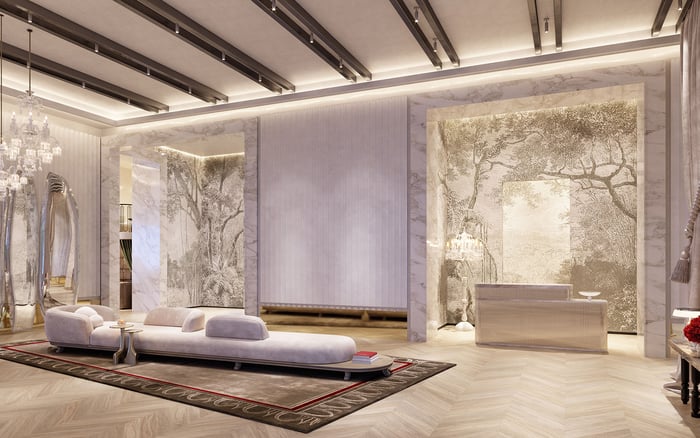
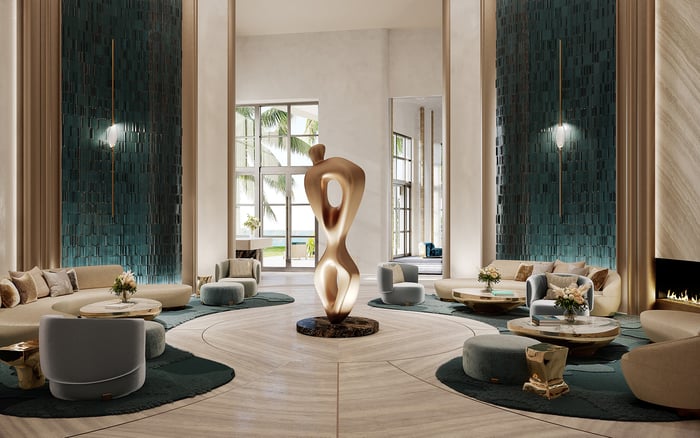
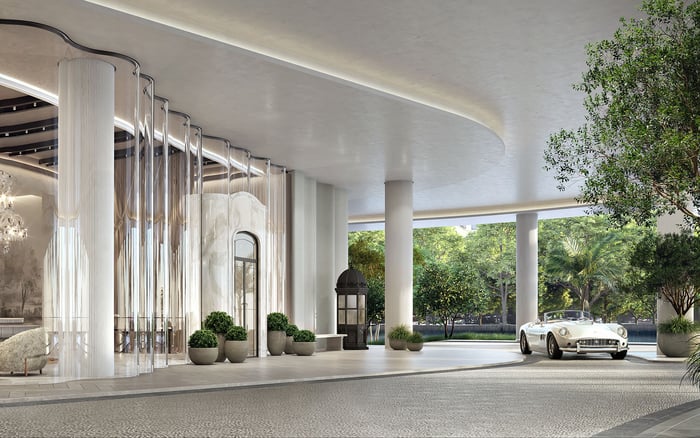
A discreet buyer’s guide to evaluating branded residences in Brickell, with attention to service culture, pricing discipline, operating costs, and long-term resale positioning.
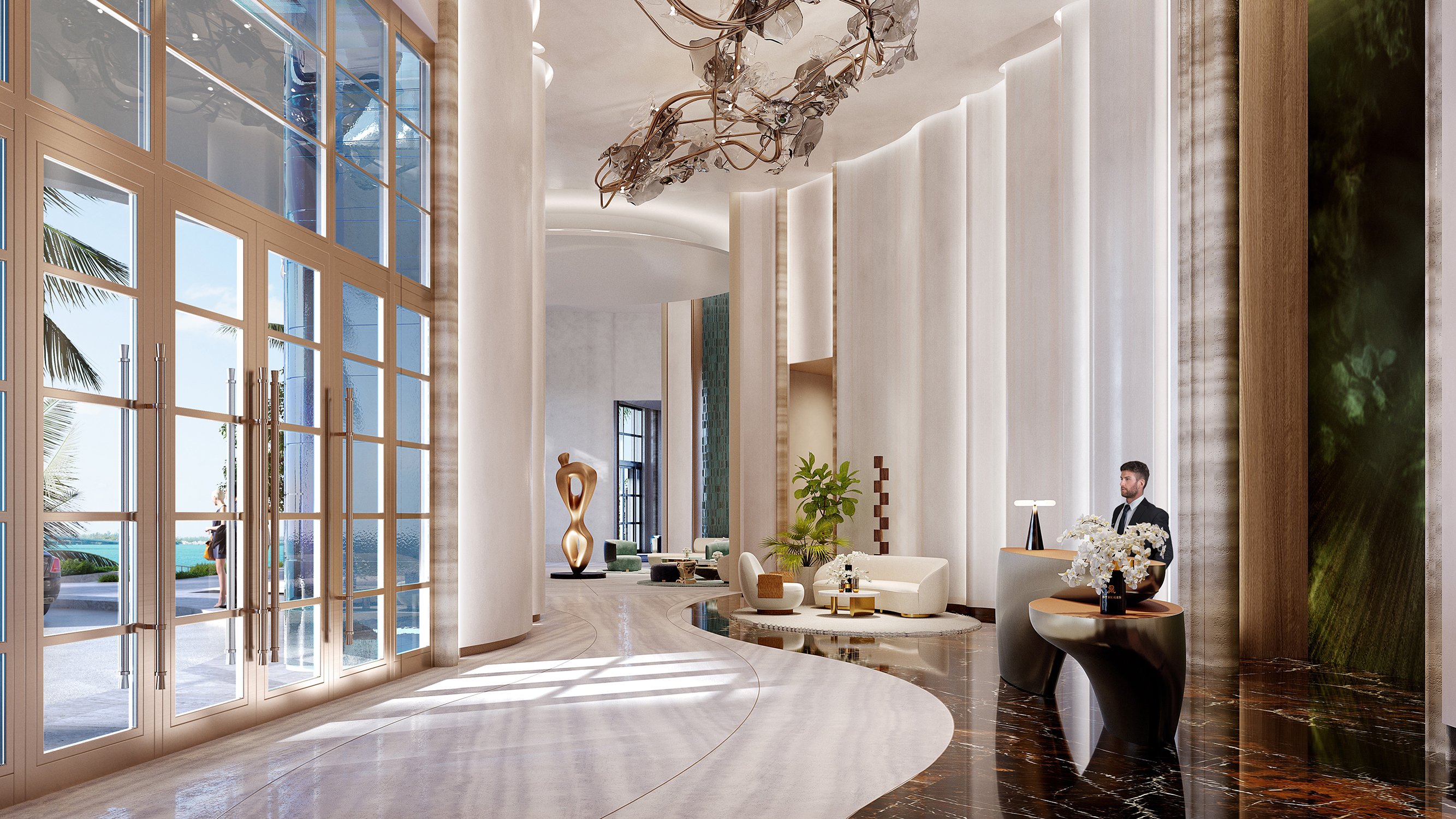
Brickell has matured into one of South Florida’s most closely watched vertical luxury markets, and the branded residence has become one of its most visible ownership formats. For the serious buyer, however, the brand is only the beginning. The more useful question is not whether a name is recognizable, but whether that name translates into a daily standard of living that remains durable long after the sales gallery closes.
In Brickell, a branded residence should be evaluated as a complete operating culture. Architecture, arrival sequence, staffing, privacy, food and beverage partnerships, wellness programming, maintenance response, and association governance all contribute to the real value proposition. A residence may be beautiful on day one; the strongest buildings preserve their rhythm, discretion, and condition across years of ownership.
That is why buyers comparing projects such as St. Regis® Residences Brickell, Baccarat Residences Brickell, and Cipriani Residences Brickell should look beyond visual identity. The brand may frame the lifestyle, but the building’s long-term performance depends on service execution and ownership discipline.
A luxury brand can create familiarity for global buyers, particularly those accustomed to hotel-level service. Still, residential service is different from hotel service. A private condominium must balance attentiveness with restraint, access with privacy, and convenience with the rights of individual owners.
The most persuasive service standards are specific. Buyers should understand what is included through association operations, what is available at additional cost, and what is simply aspirational language. A well-run branded residence should make everyday ownership easier: arrivals should feel controlled, packages should be handled intelligently, vendors should be managed with discretion, and maintenance requests should follow a clear chain of responsibility.
Staffing culture matters as much as the amenity list. A polished lobby has value, but consistent training, calm communication, and institutional memory are what distinguish a serious residential experience. In a market where many owners travel frequently or maintain multiple homes, the ability of a building team to anticipate needs can become a meaningful part of the ownership premium.
Premiums in branded residences are not automatically justified by the label. They are earned when the name contributes to design coherence, operational excellence, and buyer confidence. A thoughtful premium reflects a complete ecosystem, not merely a licensing arrangement.
For example, a hospitality-driven project may appeal to buyers who value a familiar service language, while a fashion or design-led residence may attract owners who prioritize atmosphere, materiality, and identity. 888 Brickell by Dolce & Gabbana invites a different type of analysis than a classic hotel-branded project, because the buyer is evaluating not only services, but also the depth and durability of a lifestyle aesthetic.
A disciplined buyer should ask whether the premium is visible in the parts of the property that age most conspicuously. Lobbies, corridors, elevators, amenity spaces, staffing, landscaping, and back-of-house operations all influence perception over time. A spectacular residence can lose part of its market authority if the shared experience does not match the promise of the brand.
Resale is where the branded concept is tested most clearly. A brand may help a listing stand out, but it does not eliminate the need for rational pricing, strong building condition, well-managed fees, and a credible ownership structure. The next buyer will still compare views, floor height, layout, finishes, carrying costs, and the competitive set.
In Brickell, resale considerations begin with scarcity. If a residence offers a distinctive floor plan, a protected outlook, a refined amenity environment, or a service model that remains difficult to replicate, it may be better positioned to hold buyer interest. If the perceived premium rests only on a name, the resale case becomes more fragile.
Buyers should also consider the brand’s relevance over time. Some names carry broad global recognition, while others resonate more deeply with a specific lifestyle audience. Neither is inherently superior. What matters is whether the brand’s identity aligns with the buyer pool most likely to purchase the residence in the future.
The economics of branded living deserve close review. Service-rich buildings can require meaningful operating budgets, and owners should be comfortable with the relationship between monthly carrying costs and the value received. Higher service expectations typically require appropriate staffing, training, maintenance, insurance, reserves, and management oversight.
Governance is equally important. Buyers should review how the brand relationship is structured, what obligations continue over time, how standards are maintained, and how decisions are made by the association. A refined residential experience depends on more than a launch campaign; it requires a governance framework that supports the property after closings.
Restrictions also matter. Rental policies, pet rules, guest access, amenity use, and owner approval processes can all affect both lifestyle and future marketability. A buyer seeking a quiet second home may welcome restrictions that preserve privacy, while an investor-minded purchaser may value flexibility. The right choice depends on use case, not fashion.
Not every compelling Brickell residence fits neatly into a hospitality-branded category. Some buyers may compare branded projects with design-forward or wellness-oriented alternatives, especially when evaluating floor plans, outdoor space, views, and building scale. The Residences at 1428 Brickell can enter that conversation as a point of comparison for buyers who want a different expression of new-construction luxury in Brickell.
This comparison is useful because it forces clarity on what the buyer actually values. If the priority is formal service culture, a branded residence may feel most natural. If the priority is architectural identity, privacy, or a particular residence configuration, a nontraditional option may compete strongly. A sophisticated search should begin with lifestyle requirements, then test each building against those requirements.
Before entering contract, buyers should slow the conversation down. Ask what the brand controls, what the developer controls, and what the association will control after turnover. Review the budget, reserve assumptions, service descriptions, rules, and any limitations on owner use. Confirm what amenities are residential, what may be shared, and what requires additional fees.
A private showing should include more than the residence itself. Study the arrival experience, elevator strategy, parking or drop-off sequence, staff posture, amenity circulation, and privacy between public and private areas. In branded luxury, the transitions matter. They reveal whether the building has been planned as a true residence or merely presented as one.
For high-net-worth buyers, the right Brickell branded residence should feel composed, not theatrical. It should offer service without intrusion, identity without trend dependency, and a resale story that can be explained clearly to the next discerning owner.
What is a branded residence in Brickell? It is a condominium associated with a hospitality, design, fashion, or lifestyle brand, where the brand may influence service, identity, or resident experience.
Does a branded residence always command a premium? Not always. A premium is strongest when the brand supports real service quality, design coherence, governance, and long-term buyer confidence.
How should I evaluate service standards? Review what services are included, what costs extra, how staff are trained, and how the building manages privacy, access, and maintenance.
Are branded residences better for resale? They can be, but only when the residence also has strong fundamentals such as layout, views, condition, fees, and a credible ownership structure.
Why is Brickell attractive for branded residences? Brickell offers an urban luxury setting with strong appeal for buyers who want a vertical, service-oriented lifestyle close to Miami’s financial and social core.
What should I compare between Baccarat Residences Brickell and Cipriani Residences Brickell? Compare lifestyle tone, service expectations, residence layouts, amenity programming, carrying costs, and how each brand may appeal to future buyers.
Is St. Regis® Residences Brickell mainly about hotel-style service? Buyers often associate the name with hospitality culture, but the key is how that standard is implemented within a private residential setting.
Can a fashion-branded building hold long-term value? It can if the design identity remains desirable and the building’s operations, condition, and buyer base remain strong over time.
What documents should I review before buying? Review association documents, budgets, rules, service descriptions, rental policies, brand-related obligations, and any shared-use arrangements.
Should investors approach branded residences differently from end users? Yes. Investors should focus on rental rules, carrying costs, buyer depth, and resale liquidity, while end users may prioritize service and daily livability.
For a tailored shortlist and next-step guidance, connect with MILLION.
If branded residences are on your mind — as a home or as an allocation — we would be glad to share what we are seeing, privately.
Begin a quiet conversation