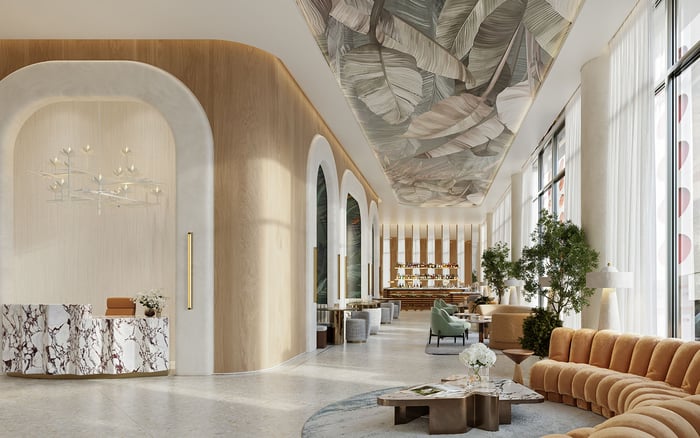
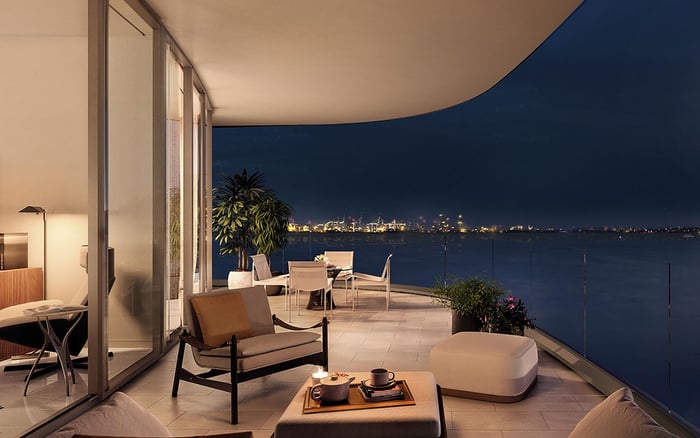
A discreet buyer’s guide to evaluating Viceroy Brickell through the lens of hospitality branding, flexible use, rental questions, and branded-residence due diligence in Miami’s urban luxury market.
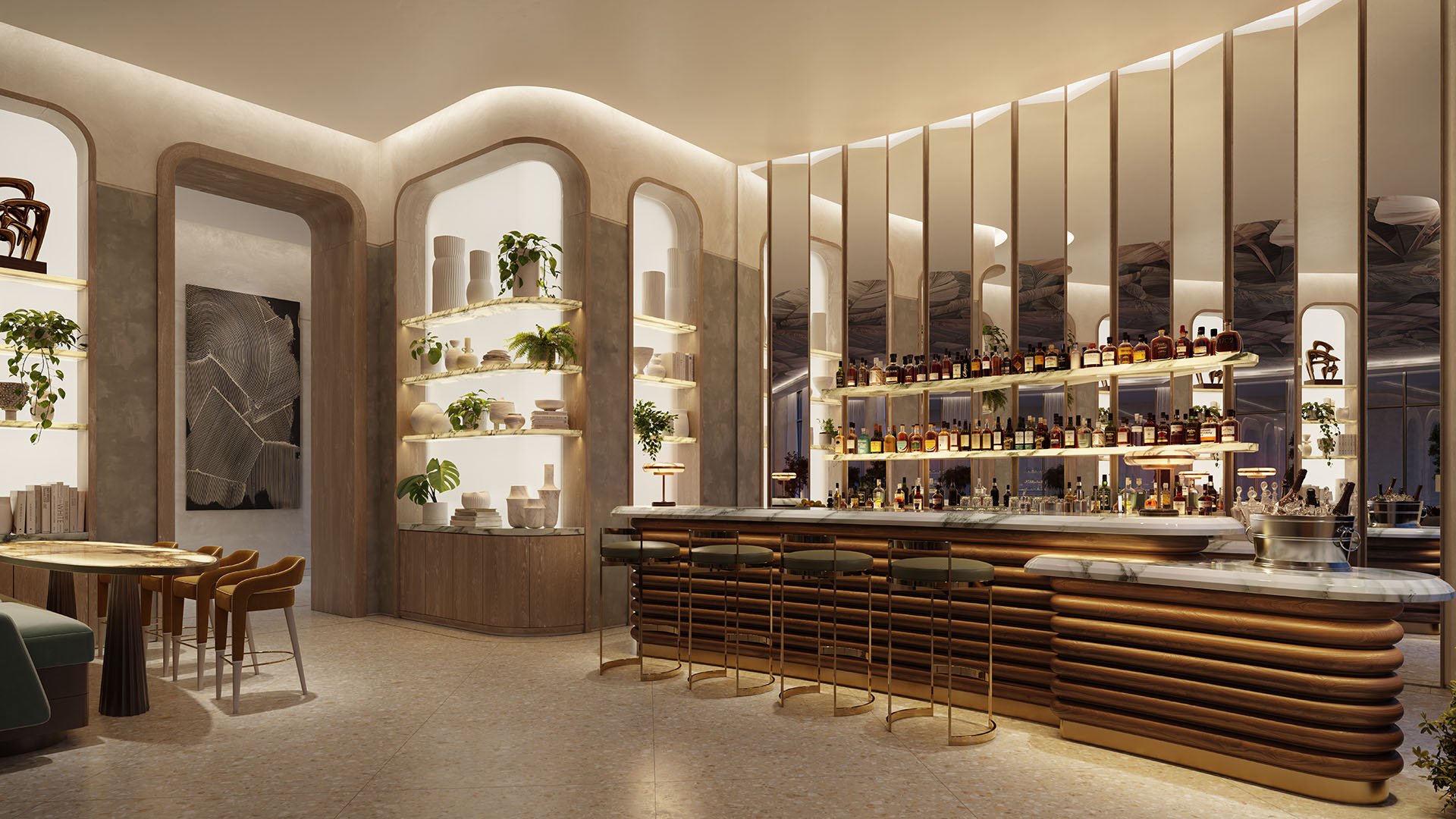
For buyers considering Viceroy Brickell, the most useful starting point is not a lifestyle promise. It is fit. Hospitality branding can be compelling because it suggests a particular ownership experience: curated, service-minded, and potentially easier to occupy intermittently. Yet the value of that branding depends on the legal structure, the rules, the operator’s role, and how a buyer expects to use the residence.
In Brickell, that distinction matters. The neighborhood attracts local executives, international owners, seasonal users, and investors seeking optionality. The practical vocabulary is familiar: Brickell, Condo-hotel, Short-term-rentals, Long-term-rentals, Investment, and Second-home. Those terms should never be treated as interchangeable. Each carries different implications for daily use, financing, insurance, taxes, association governance, and eventual resale.
Hospitality branding is best understood as a framework, not a shortcut. It can help a buyer ask sharper questions about service culture, arrival sequence, staff training, reservation systems, owner privileges, rental permissions, and the separation between private residential life and guest-facing operations. The brand may set the tone, but the documents set the boundaries.
Flexibility is one of the most overused words in luxury real estate. For one buyer, it may mean occupying the residence during Miami’s winter season and leaving it professionally cared for the rest of the year. For another, it may mean leasing the residence when not in use. For a third, it may simply mean having a pied-à-terre that is easier to manage than a single-family home.
A hospitality-branded property can appear to answer these needs, but buyers should separate aspiration from entitlement. The key questions are practical. Are rentals permitted, and if so, under what conditions? Are there minimum-stay rules? Is participation in any rental program optional, mandatory, or unavailable? Who controls pricing, housekeeping, maintenance access, guest screening, and owner blackout periods? How are revenues, fees, and costs handled?
These are not minor administrative details. They determine whether a residence functions as a private home, a flexible urban base, a rental-friendly asset, or something in between. A buyer who wants total privacy may evaluate the same branded concept very differently from a buyer who values operational support above all else.
Viceroy Brickell can be considered within a broader market pattern: the rise of name-recognizable, service-oriented residential offerings in Miami’s urban core. Brickell buyers have become increasingly fluent in brand language, from hotel and restaurant affiliations to fashion, design, and wellness identities. The question is not whether a name is impressive. The question is whether the operating model matches the owner’s real life.
That is why comparisons should be made carefully. Cipriani Residences Brickell may appeal to buyers drawn to a hospitality and culinary association, while ORA by Casa Tua Brickell enters the conversation through a lifestyle and dining lens. Baccarat Residences Brickell brings another form of brand recognition, and 619 Residences by Foster + Partners + Nobu Hospitality signals the continued blending of architecture, hospitality, and private ownership.
Those references do not make the projects equivalent. They show how broad the branded-residence category has become. A buyer comparing them should look beyond the name on the porte cochère and into the structure behind the ownership experience.
The most important diligence begins with documents. Buyers should review the declaration, association rules, rental policies, management agreements, budget assumptions, reserve planning, insurance obligations, and any brand-related agreements that affect costs or services. If a buyer expects rental flexibility, the language should be clear rather than inferred from marketing tone.
Fees deserve close attention. Hospitality-minded residences can involve service layers that differ from conventional condominiums. That does not make them better or worse. It simply means buyers should understand what is included, what is optional, what can change, and who has authority over future decisions. The same applies to housekeeping, valet, food and beverage access, owner storage, package handling, and maintenance protocols.
Resale should also be considered early. A residence with flexible use may attract a wider audience if its rules are clear and its operations are well understood. Conversely, ambiguity can narrow the buyer pool. Sophisticated purchasers tend to reward transparency, especially in buildings where lifestyle and investment logic overlap.
The strongest fit may be the buyer who wants Miami access without full-time management responsibilities. This could be someone who spends part of the year in South Florida, travels often, or prefers a lock-and-leave residence in a dense, walkable business district. It may also appeal to buyers who value brand standards and a hospitality mindset, provided they are comfortable with the building’s actual rules.
It may be less ideal for buyers who want complete autonomy, very traditional condominium governance, or a purely private residential environment with no guest-facing energy. In any branded setting, the buyer should ask how the building will feel at peak season, on weekends, during major events, and in quieter months.
The right conclusion is personal. Viceroy Brickell may belong on the shortlist for buyers who want to explore hospitality branding in Brickell, but the decision should rest on verified terms, not assumptions about the name.
A disciplined buyer can evaluate the category through five lenses. First, use: how often will the residence be occupied by the owner, family, guests, or renters? Second, control: who governs access, rentals, services, and standards? Third, cost: what recurring expenses support the experience, and how predictable are they? Fourth, privacy: does the building’s energy match the owner’s lifestyle? Fifth, exit: will future buyers understand the offering quickly and confidently?
When those questions are answered, hospitality branding becomes less abstract. It either supports the ownership plan or it does not. In Brickell, where branded and lifestyle-led residences continue to shape buyer expectations, that clarity is the real luxury.
Is Viceroy Brickell best understood as a traditional condominium? Buyers should not assume the ownership model from the name alone. The controlling documents and disclosed rules should define how the residence can be used.
Does hospitality branding automatically mean rental flexibility? No. Rental rights, minimum stays, program participation, and owner restrictions must be confirmed in the project documents.
Why are branded residences popular with second-home buyers? Many Second-home buyers appreciate the idea of service, consistency, and easier lock-and-leave living. The actual benefit depends on operations and rules.
Can a hospitality-branded residence work as an investment property? It may, but Investment logic should be tested through permitted rental use, fees, carrying costs, and realistic ownership assumptions.
What should buyers compare across Brickell branded projects? Compare ownership structure, rental policy, service obligations, association costs, privacy, and long-term resale positioning.
Are short-term rentals always allowed in flexible buildings? No. Short-term-rentals require explicit permission under the building rules and applicable legal framework.
Are long-term rentals usually simpler to evaluate? Long-term-rentals can be more straightforward, but buyers still need to verify lease minimums, approval rights, and association procedures.
What does Condo-hotel mean for a buyer? Condo-hotel can describe a structure with hotel-like operations, but the specific legal and financial implications vary by project.
How important is the brand itself? The brand can shape expectations, but documents, management quality, costs, and day-to-day usability matter more.
What is the best way to shortlist comparable options for touring? Start with location fit, delivery status, and daily lifestyle priorities, then compare stacks and elevations to validate views and privacy.
To compare the best-fit options with clarity, connect with MILLION.
If branded residences are on your mind — as a home or as an allocation — we would be glad to share what we are seeing, privately.
Begin a quiet conversation