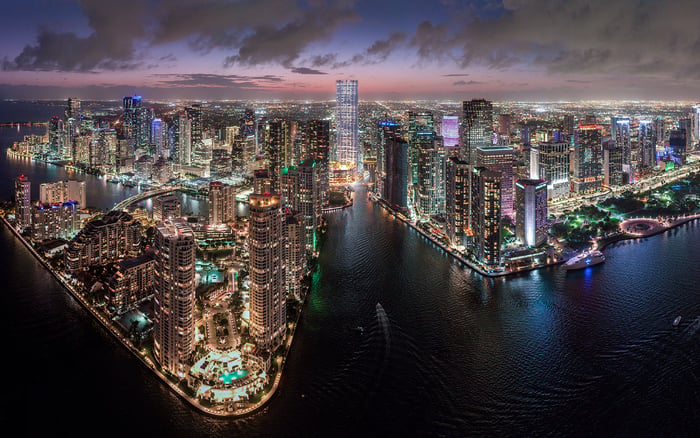
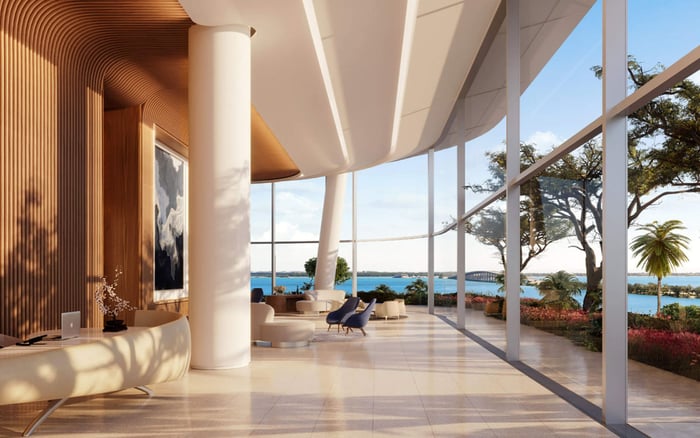
Buying a Miami luxury condo in pre-construction is a bet on the developer’s ability to finance, build, and stand behind the promise. From lender strength and contractor caliber to design fidelity and warranty behavior, the right due diligence protects both lifestyle and capital. This guide outlines the non-negotiables: how to evaluate a developer’s track record, identify financing and timeline risks, test construction quality, and spot the red flags that sophisticated buyers should never ignore.
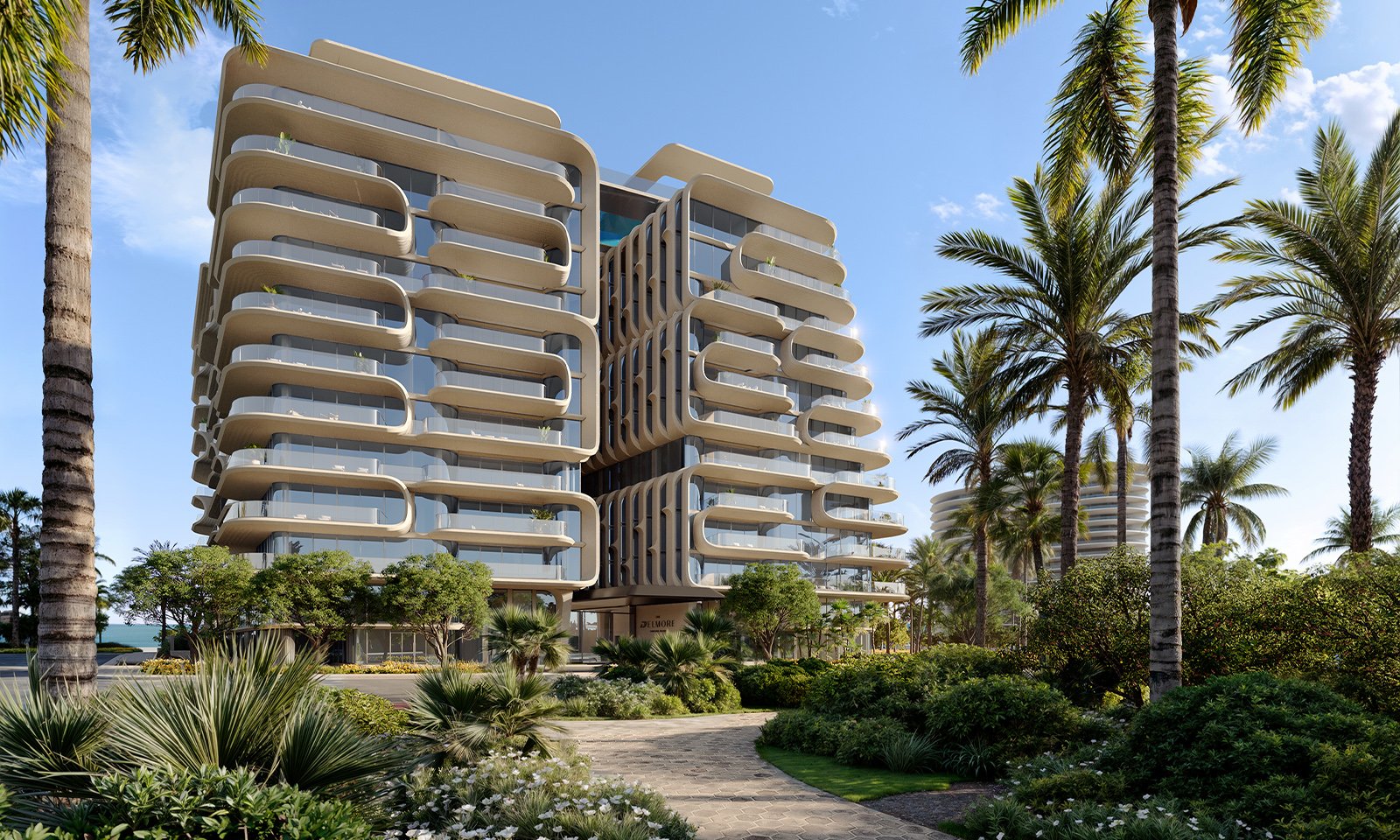
In Miami’s luxury condominium market, New-construction and ground-up redevelopment are constant companions. The developer is the product’s invisible architecture. When you buy in Pre-construction, you are committing to a team’s judgment: how they structure the land deal, who they hire to build, how they finance the work, and how they respond when conditions change. At the top end, branding and celebrated design talent can be present, but the practical question remains: will the building open as promised, with the materials, services, and livability that were marketed? A discerning buyer understands that a floor plan is not a residence until it is executed.
Miami’s pace makes this diligence non-negotiable. Many towers are offered years before completion, and deposits can be meaningful. During that span, variables shift: interest rates, construction costs, supply chains, insurance markets, and regulatory requirements. A developer with deep local experience can navigate those variables without compromising quality. A developer without that experience may resort to substitutions, delayed schedules, or strained communication. The difference is not cosmetic. It affects day-to-day comfort and long-term value.
For discerning buyers, vetting is also about reputation. In a market where privacy and discretion matter, the quiet consistency of execution is often the best luxury signal. The goal is not to find perfection. It is to select a developer with repeatable systems for delivering what was promised, and the balance sheet to stand behind it.
Start with the developer’s completed portfolio in South Florida. A glossy website is not a substitute for finished buildings that you can walk. Identify comparable projects in scale and complexity: waterfront high-rises, boutique buildings, mixed-use towers, or branded residences. Then test three questions across those prior deliveries: schedule reliability, design fidelity, and operational maturity.
Schedule reliability is not simply whether a building opened late. Some delays are common in coastal construction. What matters is the reason and the pattern. Look for a history of projects that reached groundbreaking, topped out, and closed with reasonable variance from their stated targets. A consistent record suggests repeatable procurement, contractor relationships, and permitting fluency.
Design fidelity is where many projects quietly diverge from their early narratives. Compare original marketing material to the finished product. Were ceiling heights, window systems, kitchen packages, lobby materials, and amenity programs delivered as positioned? The most telling details are the ones you touch: door hardware, millwork alignment, stone matching, terrace thresholds, and corridor acoustics.
Operational maturity shows up at handover. Well-run developers plan the transition to the association, budget realistically for early years, and deliver a building that can be maintained without constant corrective work. Ask for evidence of thoughtful commissioning: building systems tuned, elevators calibrated, life-safety tested, and common areas finished to a standard that holds up under daily use.
If the developer is new, or operating under a fresh entity, research the principals. Many projects are developed through single-purpose entities, which is normal. Your focus should be on the individuals’ experience delivering comparable assets and the institutional backing behind them.
Luxury construction requires more than ambition. It requires capital structure discipline. A strong developer can articulate, in plain terms, how the project is financed and what milestones trigger funding. Your goal is to confirm that the project has credible sources of equity and a realistic path to construction lending.
Look for clear signals of readiness: land acquisition secured, permits progressing, a reputable general contractor engaged, and a lender profile consistent with the project’s scale. When a construction loan is announced, treat it as a meaningful datapoint, not a marketing headline. Verify the timeline and ask how contingencies are managed if costs increase.
Be wary when answers become vague. If the sales program is active but the developer cannot speak concretely about financing, or if the project’s progress appears dependent on perpetual pre-sales momentum, the risk profile changes. Financial strain often shows up first as schedule slippage and second as specification downgrades.
Also assess portfolio concentration. Developers with multiple simultaneous starts can deliver brilliantly, but only when their capital base and internal project management are sized for it. Overextension is rarely advertised. It reveals itself in stretched staff, shifting completion dates, and fragmented communication.
Quality is not a mood. It is a process. The simplest way to evaluate a developer’s process is to visit completed projects and focus on repeatable building components. Walk the arrival sequence, ride the elevators multiple times, listen for mechanical noise, and look at how spaces age. In coastal buildings, water management details matter: glazing, waterproofing transitions, balcony drains, and exterior sealants.
Inside residences, assess whether the specification reads like a coherent design system or a collage of brand names. Premium appliances matter, but installation quality matters more. Check cabinetry alignment, stone seams, ventilation performance, and how doors and sliders operate. Acoustic separation is a luxury feature that is often overlooked until after closing. If possible, ask residents about sound transmission and early warranty issues.
Ask whether the developer uses consistent contractors and consultants across projects. Continuity can be a strong sign of standards and accountability. It can also signal that the developer knows which trade partners can deliver hurricane-hardened detailing, high-performance window systems, and the tolerances expected in luxury interiors.
Read the fine print of specifications. Many materials are described as “or comparable.” That language is common, but the developer’s behavior determines whether substitutions are truly comparable. A strong developer will explain the substitution process, who approves changes, and how buyers are notified.
Real estate development is complex, and disputes happen. Your job is to distinguish isolated noise from repeated patterns. Search for lawsuits involving prior projects, especially claims tied to building envelope issues, water intrusion, life-safety systems, or unpaid contractors. One dispute in a long history may not be meaningful. Several disputes with similar themes can indicate systemic weaknesses.
Pay attention to how issues were resolved. Did the developer engage quickly, fund repairs, and honor warranties, or did matters escalate into prolonged conflict? Reputation among building managers, brokers, and service vendors can be a useful proxy for this behavior. Ask discreetly, and listen for consistent language across independent sources.
Also consider corporate structure. Many projects are delivered through separate entities. That does not automatically signal risk, but it does mean that long-term accountability is tied to the developer’s brand and willingness to protect it. Developers who plan to remain active in South Florida typically understand that post-closing performance affects future launches.
In Miami, elite architecture and design teams are common, but the key question is execution discipline. The general contractor is often the strongest indicator of whether the project is staffed for quality. A contractor with deep local high-rise experience will understand coastal code requirements, logistics constraints, and the sequencing needed to protect finishes.
Branded residences can add another layer of oversight. Brands may impose design and service standards, and they often care about consistency. That said, buyers should still review the brand relationship carefully. Branding is not the same as guaranteeing performance, and license terms can change. Use brand association as a positive signal, not a substitute for diligence.
If you want a concrete example of a branded, hospitality-forward offering in an urban core, explore Baccarat Residences Brickell as a reference point for how marketing, service narratives, and team composition are typically presented in the Miami market. The exercise is not to compare buildings directly, but to train your eye for what is specific and verifiable versus what is purely atmospheric.
Before you sign, read the contract as a risk document. Focus on the stated completion target, the outside date, and the extension provisions. Understand what events allow the developer to extend delivery and what rights you retain if the building is materially delayed.
Clarify the deposit schedule and escrow structure. Ask when deposits are released, under what conditions, and who holds them. In Pre-construction, confidence is built when the documentation matches the sales narrative.
Request clarity on material changes. What qualifies as a material change? How are buyers notified? What remedies exist if the final product differs meaningfully from the plan? These answers matter more than showroom finishes.
Finally, set expectations for the closing process and the first year of ownership. Ask how punchlists are handled, how the warranty program is staffed, and how the developer supports the association transition. Luxury is often defined by what happens after the photography.
Certain signals should prompt heightened caution. A developer with no meaningful local delivery history, unclear financing, or a pattern of substantial delays deserves deeper scrutiny. So does a project that relies on overly aggressive promises about appreciation or exclusivity. In a sophisticated market, quality rarely needs exaggeration.
Watch for defensiveness when you ask practical questions. A professional team welcomes diligence and provides documents, timelines, and credible answers. Resistance, evasiveness, or pressure tactics are not compatible with a calm high-end transaction.
Also pay attention to inconsistency. If the sales story shifts, if key team members change repeatedly, or if specifications become less precise over time, treat that drift as information.
Vetting a Miami luxury developer is ultimately an exercise in protecting the life you intend to live in the residence. Track record, capital strength, execution partners, and accountability determine whether the finished building feels effortless or compromised. The most confident purchase is rarely the one with the loudest launch. It is the one supported by verifiable delivery history, transparent financing, and a team that treats the post-closing relationship as part of the product.
For tailored guidance on evaluating a specific offering, connect with MILLION Luxury.
What should I ask a developer before buying in Pre-construction?
Ask about completed comparable projects, construction lender status, the general contractor, the expected completion timeline and outside date, and how material changes are handled.
How can I verify a developer’s track record in Miami-beach and Brickell?
Tour finished buildings, speak with building management and residents when possible, and compare marketing specifications to delivered finishes and amenity operations.
Which red flags matter most for Oceanfront or Marina-adjacent projects?
Focus on waterproofing history, window and balcony detailing, maintenance planning, and whether prior projects had repeated water-intrusion claims or early major repairs.
Do branded residences guarantee quality?
Branding can add oversight, but it is not a guarantee. Review the developer’s delivery history, the contractor, and the brand license terms, and treat the brand as one input among many.
When should I involve a real estate attorney and inspector?
Bring counsel in before signing to review contract risk, disclosures, and governance documents. For new or recently delivered buildings, a specialized inspector can help you evaluate build quality and systems.
If branded residences are on your mind — as a home or as an allocation — we would be glad to share what we are seeing, privately.
Begin a quiet conversation