For global buyers targeting $5M+ new construction in Miami, the real purchase is a blend of residence design, building operations, and contract structure. This guide compares Brickell, Downtown, and Edgewater dynamics, highlights three standout projects, and walks through deposits, remote closings, ownership structuring, and due diligence priorities so international buyers can move with clarity and discretion.
Miami’s prime new-development corridors have matured into a sophisticated, internationally legible marketplace: coastal climate, airport access, strong dining and culture, and a condominium product that increasingly feels like a private club. For overseas buyers in the $5M+ range, the appeal is often a blend of lifestyle optionality and capital clarity. New construction offers predictable specifications, contemporary building systems, and curated amenities that reduce the friction of owning at a distance.
For an international buyer, the most important mental model is simple: you are not only purchasing square footage, you are purchasing governance and operations. In luxury condominiums, the building’s budget, reserve philosophy, staffing plan, and brand standards can influence the ownership experience as much as the view. Before you fall in love with a rendering, treat the building as an operating business. Who manages it, what services are included versus a la carte, and how does the team protect privacy for residents and guests?
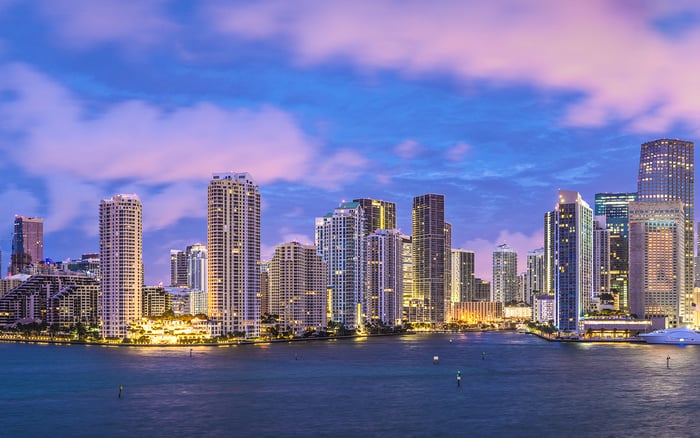
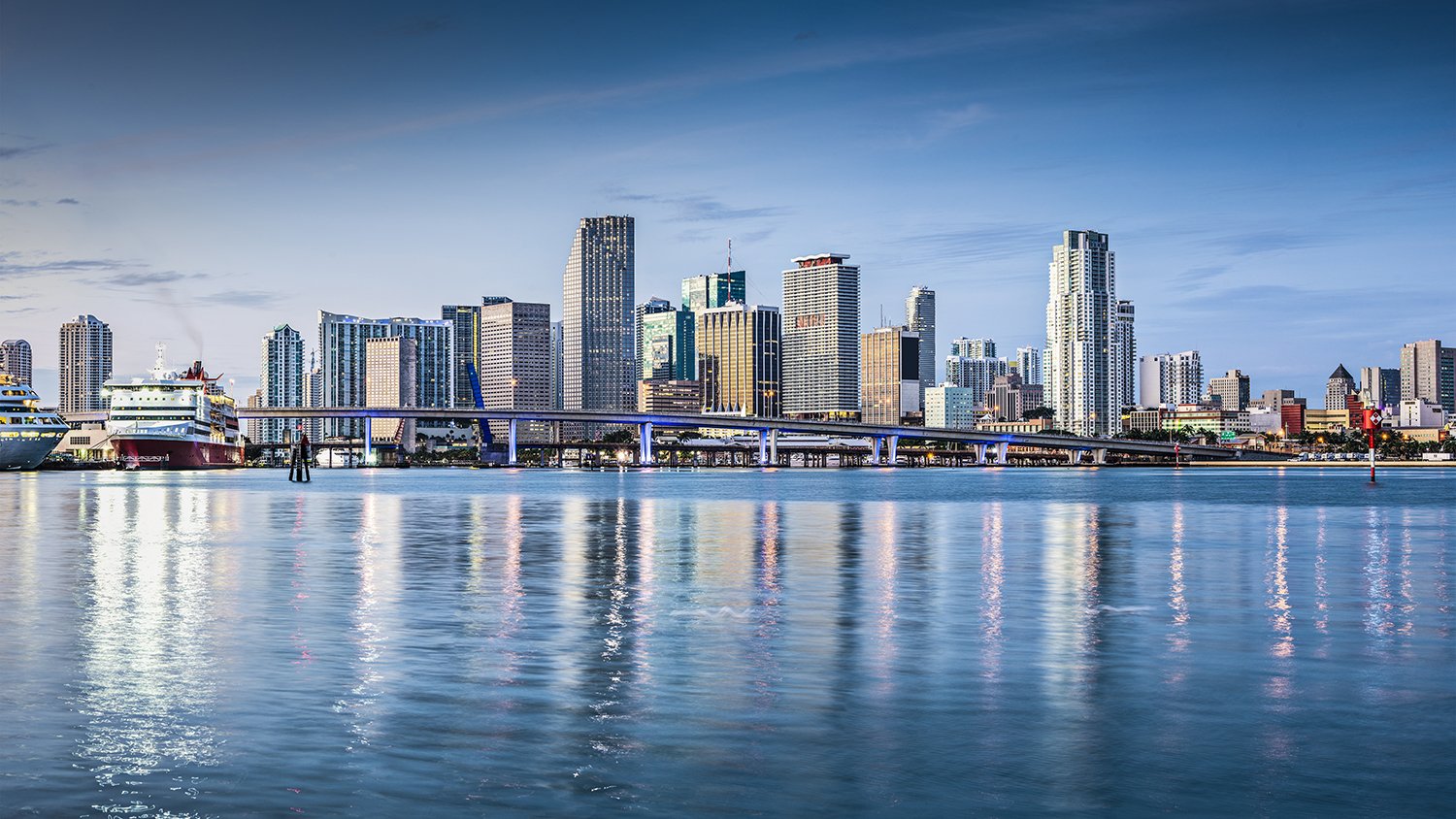
Neighborhood choice matters as well, because it defines how the home functions. Brickell is urban and walkable, with an established ecosystem of fine dining, shopping, and professional services. Downtown offers landmark architecture and proximity to major cultural venues, with a skyline that continues to evolve. Edgewater is prized for Biscayne Bay frontage and a slightly quieter residential rhythm while remaining close to the Design District and downtown. In this guide we focus on Miami proper and the expectations of the $5M+ buyer: privacy, reliability, and a service standard that feels effortless.
A helpful way to read ultra-luxury towers is to separate three layers: the home, the building, and the neighborhood. The home is plan efficiency, light, and finish quality. The building is staff, policies, and maintenance standards. The neighborhood is daily convenience and long-term liquidity. International buyers often evaluate the first layer carefully and assume the others will follow. In practice, the second layer is where ownership either becomes effortless or quietly demanding. Ask how packages are handled, whether after-hours requests are covered, and how the building manages guest access when you are not in Miami.
When comparing luxury branding, distinguish between “branded residences” that operate alongside a hotel and “brand-inspired” residences that borrow a service philosophy without a hotel component. Both can be compelling. The difference is operational: hotel-adjacent buildings may offer expanded staffing and food-and-beverage options, while purely residential buildings may feel calmer and more private. Neither is universally better. It is about how you intend to live, entertain, and travel.
In the ultra-luxury tier, the differences are rarely about whether a building is “nice.” They are about how it is nice, and whether that niceness matches your life. The following three projects illustrate the spectrum, from a design-forward private club atmosphere, to a service-centric hospitality model, to a riverfront address that feels ceremonial in its arrival sequence.
The Residences at 1428 Brickell sits in Brickell with a concept that is equal parts engineering statement and private sanctuary. The project is presented as a limited collection of 189 homes within a 70-story tower and a very large amenity commitment dedicated to residents. Its positioning is for buyers who prioritize privacy, a quieter tone, and a building that reads as a self-contained membership rather than a hotel extension. Residences are described as flow-through layouts with generous ceiling heights, extensive glazing, and terraces designed to support indoor-outdoor living. The amenity program is intentionally layered: guest suites for visiting family, a family-focused resort deck, and elevated top-of-tower clubs devoted to wellness, dining, and social life.
If your Miami life is split between full weeks in residence and long stretches abroad, towers like this can be especially attractive because the building attempts to make ownership seamless: concierge functionality, private elevators, and amenities that reduce the need to leave the property for daily rituals. The key diligence item is to confirm what is truly included versus offered as an additional service, and whether staffing depth matches the promise.
Cipriani Residences Brickell is for the buyer who values a classic service culture. The proposition is lifestyle consistency: a trained staff, signature dining, and a hospitality ethos delivered at home. The building is described as an elegant tower with a large number of residences and a program that includes resident-only dining services, in-home catering, reservable private dining, and a resort deck with multiple pools and cabanas. For overseas owners, a service-centric tower can simplify the rhythm of arrivals and departures, and it can also be a meaningful advantage for entertaining because the building can support events without you managing vendors.
The best questions to ask here are operational rather than aesthetic. How does the building handle privacy at the lobby level? Is there a clear separation between resident access and guest access? What is the service menu at different hours, and how are charges billed? A refined service culture matters most when you are not present to coordinate the details.
Baccarat Residences Brickell offers a waterfront narrative where the Miami River meets Biscayne Bay. The project materials emphasize a private marina, a landscaped promenade, and amenities curated with a hospitality lens. For a buyer who entertains frequently, the appeal is the mix of social spaces, dining settings, and a sense of arrival that feels theatrical without being loud. From a process standpoint, buildings with extensive food-and-beverage components require additional diligence: understand whether those operations are separate from the condominium association, how they affect staffing, and whether they influence assessments.
Across Brickell, Downtown, and Edgewater, you will see a common evolution in the $5M+ market: fewer compromises in ceiling heights and glazing, more insistence on private elevator lobbies or controlled-access floors, and amenity decks that behave like private clubs. Your role is to match the building’s operating personality to your own. Some buyers want high-energy social programming; others want serene, low-interruption service. Both can be excellent, but they are not interchangeable.
In Miami new development, the purchase contract is typically developer drafted and designed to protect the construction timeline and the capital stack. Your leverage is greatest before you sign. After execution, your main job is compliance: meeting deposit deadlines, delivering required documents, and staying ready for closing.
Start with the deposit schedule. Many Miami pre-construction contracts require staged deposits that can total a meaningful portion of the purchase price before delivery. These deposits are usually time-based or milestone-based, and missing a payment can carry severe penalties. Your planning should include not only the purchase price but also liquidity timing, foreign exchange friction, and wire-transfer logistics. Sophisticated buyers coordinate banking early to avoid last-minute transfer delays.
Next, understand the building’s governance documents. Condominium declarations, budgets, and rules shape your lived experience: rental policies, pet rules, renovation constraints, and the association’s reserve strategy. A building that feels perfect on a site visit can become less appealing if rental restrictions conflict with your intended use, or if the budget relies on optimistic assumptions. Have counsel review the documents with an eye toward liabilities that can surprise buyers, such as future capital projects or rules that limit how you host.
Ownership structure is another early decision with long-term implications. Many international buyers consider purchasing through an entity for privacy, liability management, and estate planning. The right structure depends on your country of residence, your U.S. tax posture, and your goals for usage and succession. The important point is sequencing: if you intend to buy through an entity, set it up before contract signing so the purchaser name, signature authority, and compliance paperwork align cleanly.
Remote closings are common. If you will not be present in Florida, you will typically rely on a combination of attorney coordination, notarization planning, and secure document delivery. The practical detail that surprises many overseas buyers is time: even when everything is “ready,” international identification, notary requirements, and bank transfer clearance can create avoidable delays if not planned weeks in advance. Treat closing as a project with a checklist, not a single event.
Budgeting should also reflect U.S. carrying costs. Condominium ownership includes monthly assessments, potential reserves, and insurance considerations. When evaluating a tower, ask for an operational view: staffing levels, security coverage, valet structure, and what services are included. In many luxury buildings, the difference between a seamless experience and a frustrating one is the depth of the on-site team and the clarity of the service menu.
Finally, plan your eventual exit. U.S. tax rules and withholding requirements can apply when a foreign owner sells U.S. real property. The specifics depend on your circumstances, but the takeaway is simple: selling as a foreign person can involve withholding mechanics that affect cash flow at closing. Your advisor team should discuss this early so your ownership structure and recordkeeping are aligned with a future resale.
Use this checklist as a disciplined way to compare projects, especially when you are evaluating from abroad.
When you apply this framework, the decision becomes less emotional and more precise. The right building is the one that matches your lifestyle and reduces ownership friction. For a global buyer, frictionless usually means dependable staffing, a clear service culture, and governance documents that align with your intended use.
What is the most important step before signing a Miami new construction contract?
Engage local counsel to review the developer’s contract, deposit schedule, and condominium documents so your obligations, timelines, and risk points are clear before you commit.
How much should an international buyer budget beyond the purchase price?
Plan for deposits during construction, closing costs, ongoing condominium assessments, and a prudent reserve for potential insurance or assessment changes over time.
Should I buy in my personal name or through an entity?
It depends on privacy, liability, estate planning, and tax considerations. Decide early and structure properly before contract signing so the purchase and closing process stays clean.
How do I handle a closing if I cannot travel to Miami?
Remote closing is common, but it requires advance coordination for notarization, identity verification, and wire timing. A Miami-based attorney and title team can manage the process.
What makes Brickell different from Downtown or Edgewater for a $5M+ buyer?
Brickell emphasizes walkability and a financial-district lifestyle, Downtown leans toward landmark architecture and cultural proximity, and Edgewater often offers a calmer bayfront residential feel with quick access to the Design District.
To explore curated opportunities in Brickell, Downtown, and Edgewater with discretion, connect with MILLION Luxury.
If branded residences are on your mind — as a home or as an allocation — we would be glad to share what we are seeing, privately.
Begin a quiet conversation