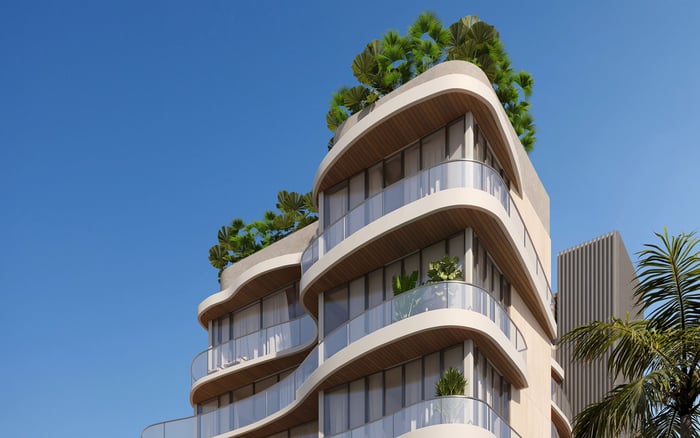
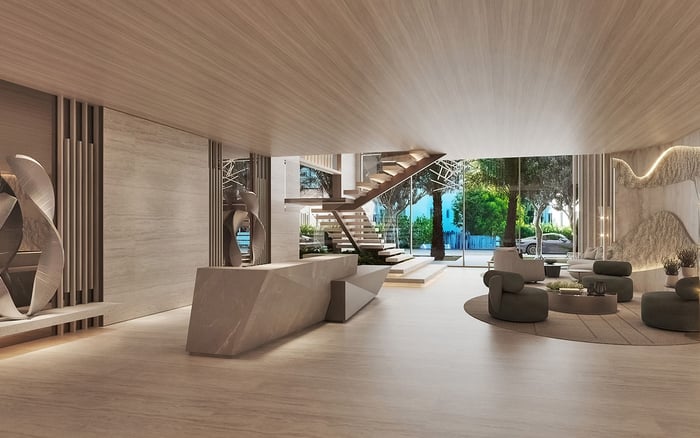
A practical buyer’s guide to comparing Tula Residences North Bay Village and Mila Bay Harbor Islands through the lens of construction documentation, façade care, and reserve visibility rather than unsupported claims of superiority.
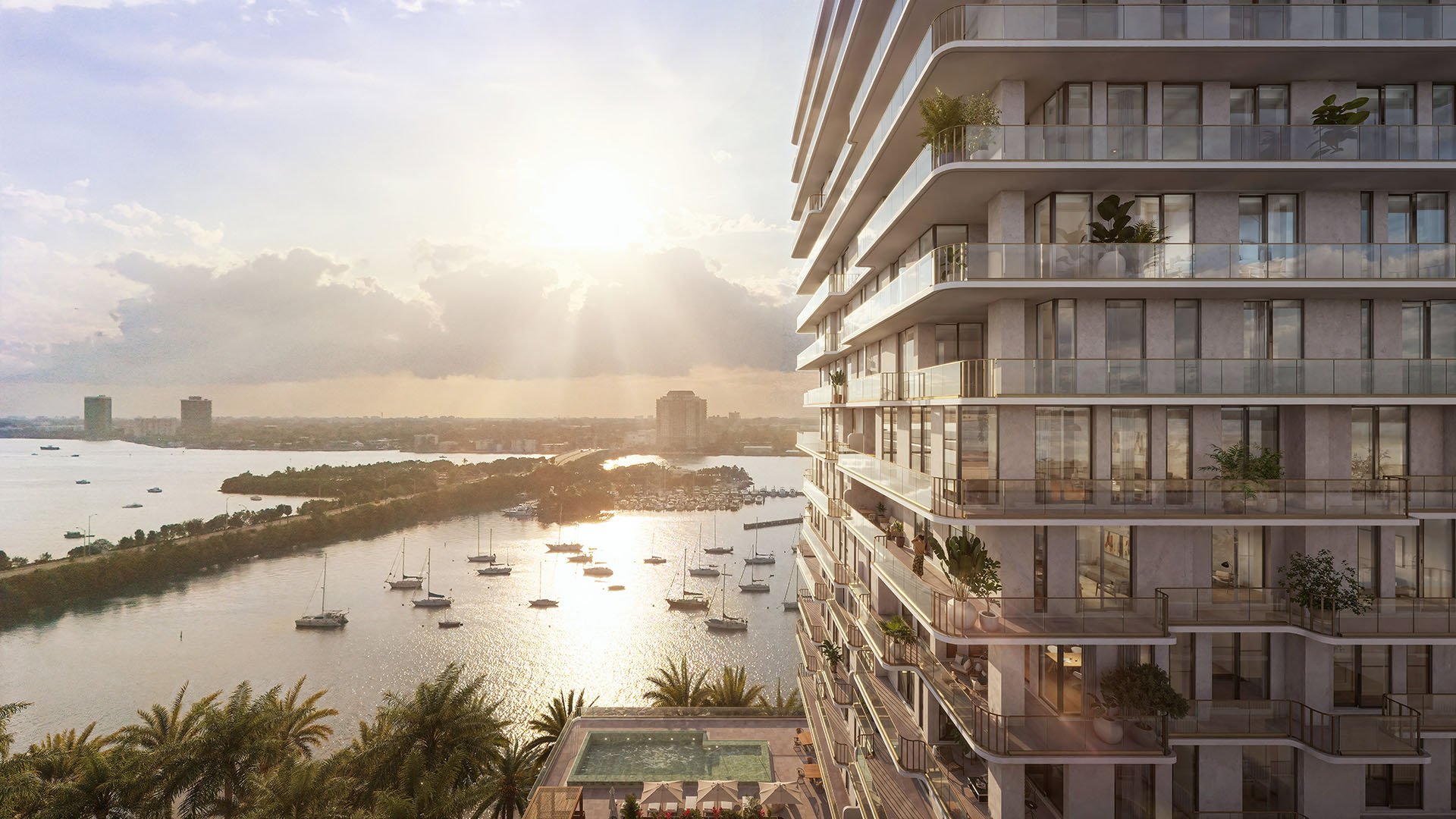
For a South Florida luxury buyer, the question of Tula Residences North Bay Village versus Mila Bay Harbor Islands should not begin with finishes, amenity renderings, or even the elegance of a façade. Those details matter, but they sit above a more consequential layer: what each project can document about construction quality, long-term exterior maintenance, and the financial planning behind future replacement costs.
That lens is especially important in bayfront condominium markets, where salt air, wind exposure, sun, humidity, and insurance scrutiny can turn technical details into long-term ownership economics. The more polished the sales presentation, the more disciplined the buyer should be about separating what is visually persuasive from what is formally documented.
The prudent posture is to avoid assuming specific project attributes without direct documentation. That does not make the comparison less useful. It makes it more practical. The right question is not which building sounds better. It is which sales team can answer hard questions with drawings, specifications, inspection records, budgets, and condominium documents.
The strongest project-specific point that can be treated as established here is straightforward: the comparison is framed around Tula Residences North Bay Village and Mila Bay Harbor Islands. Beyond that, the most material items should be handled as due-diligence questions rather than declared differences.
That distinction matters. Construction quality is not a brand adjective. It is a body of evidence. Buyers should resist broad claims about superior concrete, better waterproofing, stronger façade systems, or more conservative reserve planning unless those claims are supported by technical documents. The same applies to developer affiliations, engineering teams, reserve funding percentages, and maintenance intervals. Without documentation, those topics are not conclusions. They are questions for the contract file.
For buyers searching across Bay Harbor Islands and North Bay Village, the vocabulary of new-construction and pre-construction can create a sense of freshness. Yet newness alone does not answer the deeper ownership question. A boutique, waterview residence may feel intimate and rare, but its long-term value still depends on how well the building envelope is designed, maintained, funded, and governed.
In a luxury condominium purchase, construction quality should be translated into specific requests. Buyers should ask for structural drawings, relevant permit materials, waterproofing specifications, balcony and railing assemblies, window and door performance data, and documentation of inspection protocols. Where available, third-party inspection summaries can be especially useful.
The goal is not to turn every buyer into an engineer. It is to ensure the buyer’s engineer, attorney, and advisor have something meaningful to review. A sales gallery can convey the intended lifestyle. It cannot, by itself, demonstrate how rebar protection is addressed, how waterproofing transitions are detailed, or how exterior penetrations are managed in a coastal environment.
For Tula and Mila, the fair approach is symmetrical. Ask both teams the same questions. Request comparable documents. Note which answers arrive quickly, which are deferred, and which are too general to rely upon. A beautiful building can still be a strong candidate, but in South Florida’s luxury market, confidence should be earned through transparency.
Façade maintenance is often invisible at purchase and unavoidable during ownership. Glass, stucco, concrete, metal railings, sealants, waterproofing membranes, and balcony components all live in a demanding coastal climate. A buyer comparing North Bay Village with Bay Harbor Islands should think beyond the first impression and ask how exterior upkeep is planned, accessed, scheduled, and funded.
The most useful questions are practical. Is there a façade access plan? How will window washing and exterior inspections be conducted? What are the expected maintenance intervals for sealants and exposed exterior systems? Are balconies, terraces, and waterfront-facing elevations treated differently because of exposure? What assumptions are embedded in the association budget?
No buyer should infer a project difference on façade maintenance without documentation. Instead, the buyer should look for clarity. A well-prepared team should be able to explain not only what the exterior is intended to look like at completion, but how it is expected to age and how the association will maintain it over time.
Replacement reserves are sometimes treated as administrative, but they are central to the luxury ownership experience. They influence assessments, resale confidence, lender comfort, and the association’s ability to act decisively when major components require repair or replacement.
For a buyer considering Tula or Mila, the key is visibility. Ask for the proposed association budget, reserve study line items if available, and any assumptions related to roofs, mechanical systems, elevators, façade components, waterproofing, life-safety systems, pool decks, docks if applicable, and common-area interiors. Avoid relying on unsupported percentages or casual comparisons. The issue is not whether a number sounds large or small. The issue is what the number is designed to cover.
A sophisticated buyer should also ask how reserves are expected to evolve after turnover. Early budgets can appear elegant because the building is new. The more important question is whether the budget anticipates the lifecycle of expensive systems. In bayfront settings, replacement planning should be read with the same care as a floor plan.
A practical document request can make the Tula versus Mila decision much clearer. Start with structural drawings and waterproofing specifications. Add window and door performance information, façade access planning, balcony assembly details, milestone-inspection status where relevant, reserve line items, proposed budgets, insurance assumptions, and draft condominium documents.
Then evaluate the answers qualitatively. Are the documents complete? Are they current? Are they specific to the project? Do they answer the question asked, or simply repeat marketing language? Has the team identified who can address technical follow-up questions? A buyer does not need every answer on day one, but the path to answers should be organized.
This is where luxury and discipline meet. The best buyer posture is calm, direct, and document-driven. If a project is strong, serious questions should not weaken its appeal. They should clarify why it deserves consideration.
Tula Residences North Bay Village and Mila Bay Harbor Islands belong in a broader conversation about island and bayfront living, where views, privacy, walkability, building scale, and maintenance culture all affect daily life. But the practical buyer question behind this comparison is less about declaring a winner and more about understanding risk.
If one team can provide clearer construction documentation, more specific façade-maintenance planning, and more transparent reserve assumptions, that may influence buyer confidence. If both teams provide strong documentation, the decision can return to lifestyle, floor plan, exposure, timing, and pricing. If neither team can answer the key questions with specificity, the buyer should slow down.
In the ultra-premium market, restraint is a form of leverage. The buyer who asks better questions often discovers the better fit.
Is Mila a Bay Harbor Islands project? The comparison frames Mila as a Bay Harbor Islands project. Buyers should still verify all project-specific details through the sales team and contract documents.
Can buyers conclude that Tula has better construction quality than Mila? Not without technical documentation. Construction quality should be evaluated through drawings, specifications, inspections, and disclosures.
Can buyers conclude that Mila has better construction quality than Tula? Not from the project framing alone. A fair comparison requires equivalent documentation from both sales teams.
What should a buyer ask first about construction quality? Ask for structural drawings, waterproofing specifications, window and door performance information, and inspection-related materials.
Why does façade maintenance matter in South Florida? Coastal exposure can affect exterior systems over time. Buyers should understand how access, inspections, cleaning, and sealant maintenance are planned.
Should reserve-funding percentages drive the decision? Not if the percentages are unsupported. Buyers should focus on reserve-study line items, budget assumptions, and what future replacements are included.
Are developer or construction-team names enough to evaluate risk? No. Reputation can be relevant, but buyers need project-specific documents before relying on construction or maintenance claims.
What documents help clarify replacement-reserve visibility? Proposed budgets, reserve schedules, condominium documents, and lifecycle assumptions for major building systems are useful starting points.
How should buyers compare two projects when details are incomplete? Ask identical questions of both teams and compare the specificity, timing, and quality of the responses.
What is the most practical takeaway for a luxury buyer? Treat the decision as a documentation exercise first and a lifestyle decision second, then proceed only when the ownership picture is clear.
To compare the best-fit options with clarity, connect with MILLION.
If branded residences are on your mind — as a home or as an allocation — we would be glad to share what we are seeing, privately.
Begin a quiet conversation