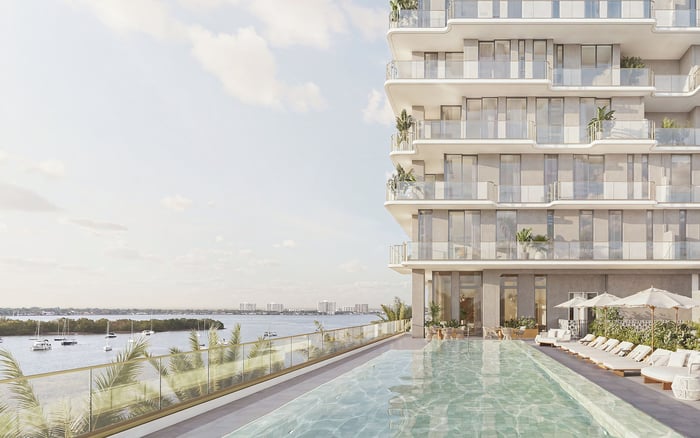
In North-bay-village, two distinct luxury residential propositions are taking shape. Tula Residences North Bay Village leans into boutique scale, privacy, and wellness-oriented calm, while Continuum Club & Residences North Bay Village advances a more social, hospitality-driven model with a larger amenity ecosystem. For buyers weighing lifestyle fit as carefully as architecture and pricing, the decision is less about which project is objectively better and more about which rhythm of living feels more natural day to day.
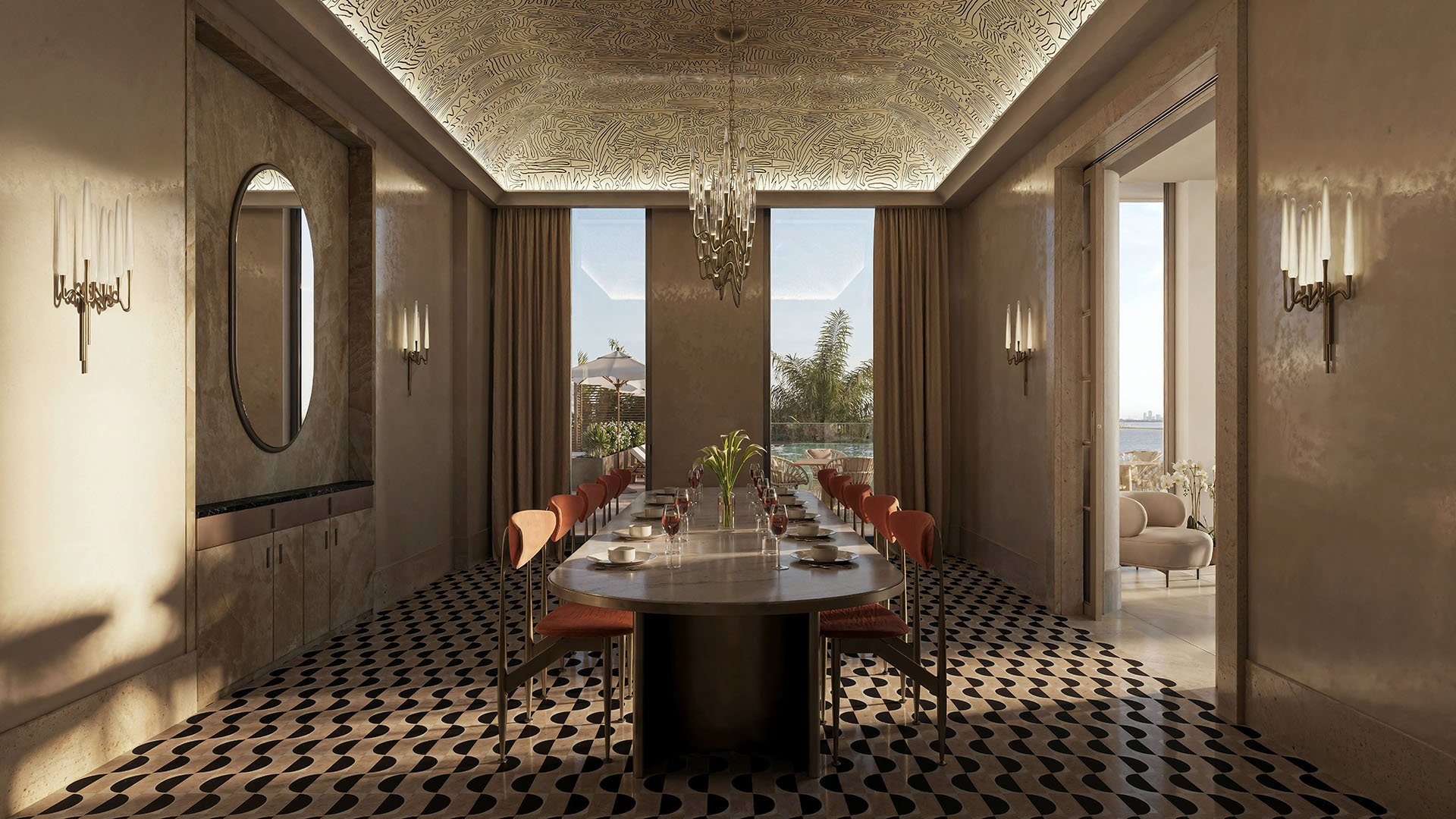
In North-bay-village, the more compelling luxury residential comparison is not simply about finishes, frontage, or even headline pricing. It is about the kind of life a building creates once the novelty of move-in has passed. Tula Residences North Bay Village and Continuum Club & Residences North Bay Village represent two persuasive but distinctly different answers.
Tula is positioned as a boutique, wellness-oriented address with a strong emphasis on privacy, curated living, and a quieter pace. Continuum arrives with a larger social footprint, a club identity, and an amenity program that reads closer to hospitality than a conventional condominium. Both benefit from North Bay Village’s island setting between mainland Miami and Miami Beach, and both belong to the same broader luxury conversation. Yet for the buyer deciding where capital and lifestyle should meet, they appeal to different instincts.
That is what gives the comparison real substance. One project treats scarcity and calm as luxury. The other treats activation and service as luxury.
Tula’s appeal begins with scale. With about 60 residences as publicly described, it offers a notably lower-density environment than many newer waterfront towers competing for the same buyer. That matters in practical ways. Arrival feels less trafficked. Shared spaces tend to be quieter. Elevator waits, competition for amenities, and the building’s ambient tempo all shift downward.
The project’s identity is also distinctly wellness-led. Instead of pursuing an oversized club model, Tula centers its amenity concept on spaces for spa, fitness, meditation, and more private outdoor use. For a buyer who sees home as refuge rather than venue, that distinction is not cosmetic. It shapes the entire residential experience.
Architecturally, Tula is presented through a restrained, modern, minimalist lens, with floor-to-ceiling glass, private terraces, and a strong orientation toward Biscayne Bay views. The aesthetic will likely appeal to those who value clean lines and emotional quiet over spectacle. In the context of South Florida’s increasingly expressive branded and hospitality-inflected market, that composure can feel especially deliberate.
The buyer profile is fairly clear. Tula suits privacy-seeking households, empty nesters, second-home owners who do not want a crowded social calendar built into the building, and purchasers for whom exclusivity means limited sharing rather than maximum programming. In that sense, it belongs in a boutique conversation alongside projects that elevate restraint and intimacy, such as The Well Bay Harbor Islands and Ocean House Surfside, where a more curated residential atmosphere is part of the value proposition.
Continuum approaches luxury from an entirely different angle. Designed by Herzog & de Meuron, the project carries a strong architecture-led identity before one even reaches the lifestyle proposition. That pedigree alone places it in a more globally legible design conversation, appealing to buyers who want a residence that participates visibly in the region’s architectural evolution.
Its larger scale is just as important. With roughly 140-plus residences in the mix, Continuum is materially denser than Tula, but that density is not accidental. It supports a different operating idea: a community-activated residential environment with meaningful common-space energy.
More than 70,000 square feet of club and amenity space signals the real point. Continuum is not simply offering a gym, a pool deck, and a lounge. It is integrating a members-club concept with dining, wellness, fitness, concierge, and event programming. The promise is a residence that behaves more like a private lifestyle platform.
That framework will resonate with buyers who value frictionless service, on-site social options, and regular activation without needing to leave the property. For some, this is modern luxury at its best. The residence becomes part home, part private club, part hospitality address. In South Florida terms, it is closer in spirit to amenity-driven ecosystems such as The Ritz-Carlton Residences® North Bay Village or even the broader service-rich expectations seen in branded towers across the region.
For sophisticated buyers, density is not only a design issue. It is a value framework.
Tula’s lower residence count creates an immediate scarcity narrative. A smaller owner base can translate into a quieter building culture and a more exclusive feel, even before one considers interiors or views. In a market where many ultra-luxury buyers are effectively purchasing emotional ease, that matters. Pricing places Tula roughly in the $3 million to $8 million-plus range, positioning it in a narrower ultra-luxury band consistent with its boutique identity.
Continuum’s pricing, around $2.5 million to $12 million-plus, suggests a wider spread of unit types and buyer entry points. That can be attractive in its own right. It gives the project a broader catchment while still allowing for significant upside at the top end. The key is that value here is tied less to seclusion and more to the depth of lifestyle infrastructure.
Neither logic is inherently superior. The question is what the buyer believes should be shared and what should remain private. If your definition of luxury begins with fewer neighbors and more personal space, Tula has a persuasive edge. If your definition begins with service density, social options, and architectural statement, Continuum becomes compelling.
A useful way to parse the choice is to imagine two different weekends.
At Tula, the ideal Saturday begins slowly. Coffee on a private terrace. A quiet workout. Time in a wellness space. Bay views with minimal interruption. Perhaps dinner elsewhere, but not because the building demands external stimulation. The residence itself is the retreat.
At Continuum, the ideal Saturday is more kinetic. A workout, then dining or club use, perhaps a wellness appointment, perhaps interaction with fellow residents, perhaps an event or concierge-assisted plan later in the day. The project is designed to generate momentum rather than simply shelter from it.
This is why the comparison matters beyond surface-level branding. It captures a broader split in luxury residential demand across South Florida. One lane favors intimate, highly edited living. Another favors a fully serviced ecosystem with more visible communal life. Both have traction, and both can perform well with the right buyer base.
For those surveying the emerging residential identity of North-bay-village, the contrast is also instructive. Alongside nearby projects such as Pagani North Bay Village and other waterfront additions, the area is no longer telling a single-story luxury narrative. It is becoming a district where buyers can choose among boutique calm, design-driven statement, and hospitality-centered living without leaving the island context.
If discretion, privacy, and wellness-oriented living are your primary purchase drivers, Tula feels more resolved. Its lower-density profile is not a secondary feature. It is the essence of the offering.
If you want architecture with a globally recognized design signature and a residence organized around club life, service, and programming, Continuum offers greater momentum. Its larger amenity ecosystem is not merely generous. It is central to the proposition.
In other words, this is not really a contest between quiet luxury and active luxury. It is a choice between two valid definitions of what home should feel like in North-bay-village. Buyers who know their own cadence will recognize the answer quickly.
Is Tula Residences North Bay Village more private than Continuum Club & Residences North Bay Village? Yes. Tula is positioned as a boutique, lower-density project with about 60 residences, which supports a calmer, more private atmosphere.
Does Continuum Club & Residences North Bay Village have more amenities? Yes. Continuum is centered on a club concept with more than 70,000 square feet of amenity and social space.
Which project is better for wellness-focused buyers? Tula is the more natural fit for buyers who prioritize spa, fitness, meditation, and a quieter, wellness-oriented environment.
Which project is better for buyers who enjoy social programming? Continuum is better aligned with residents who want dining, concierge support, and more active on-site programming.
Are both developments in North-bay-village? Yes. Both benefit from the island setting between mainland Miami and Miami Beach.
Is Continuum denser than Tula? Yes. Continuum has roughly 140-plus residences, compared with Tula’s approximately 60.
Does Tula have a more minimalist design language? Yes. Tula is presented with a modern, restrained aesthetic that emphasizes glass, terraces, and bay views.
Does Continuum have strong architectural pedigree? Yes. The project was designed by Herzog & de Meuron, giving it a distinctive architecture-led identity.
Are pricing ranges similar between the two? Broadly, both sit in the luxury to ultra-luxury space, but Continuum’s pricing range appears wider than Tula’s.
What is the simplest way to choose between them? Choose Tula for lower-density calm and choose Continuum for amenity-rich momentum.
For a discreet conversation and a curated building-by-building shortlist, connect with MILLION.
If branded residences are on your mind — as a home or as an allocation — we would be glad to share what we are seeing, privately.
Begin a quiet conversation