A buyer-focused analysis of how boutique-building culture and branded hotel-residence identity can shape governance expectations, prestige, and resale logic in South Florida luxury real estate.
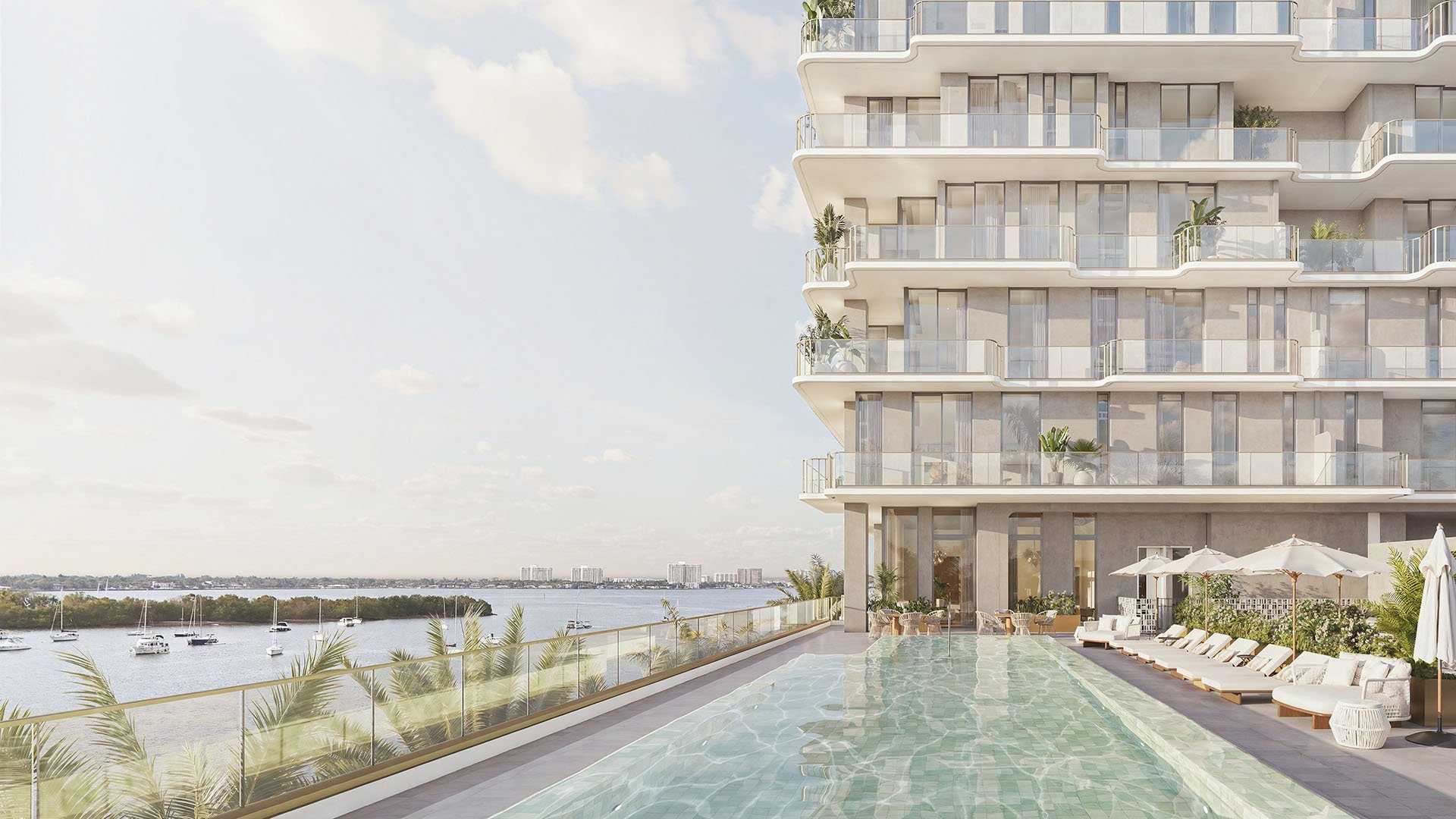
In South Florida’s highest-end residential market, the question is no longer simply which building offers the most seductive rendering, the most recognizable designer, or the most cinematic arrival sequence. Sophisticated buyers are asking a quieter, more durable question: what kind of building culture will I be buying into?
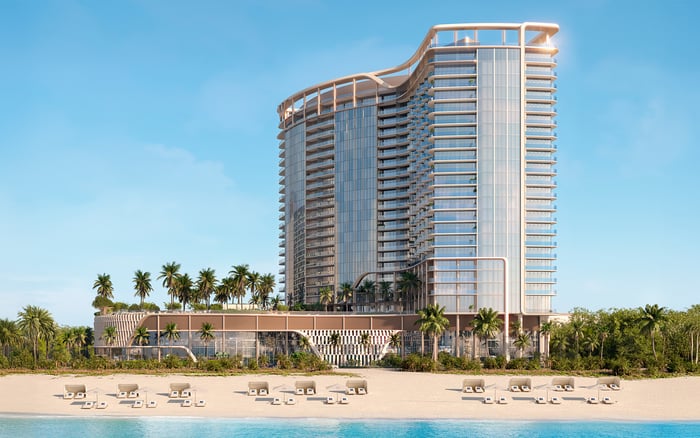
That question sits at the center of the comparison between Tula Residences North Bay Village and W Pompano Beach Hotel & Residences. One name invites a conversation about a North Bay Village residential proposition and the intimacy often associated with boutique condominium life. The other is explicitly positioned as a combined hotel-and-residences product in Pompano Beach, carrying the W identity into Broward’s coastal luxury-residential context.
Those are not interchangeable ownership experiences. A branded hospitality residence and a boutique residential building can both be luxurious, but they organize expectations differently. One may emphasize service theater, global lifestyle recognition, and a hospitality cadence. The other may place greater weight on residential privacy, neighborly consistency, and the quieter psychology of a smaller ownership community. The useful lenses are boutique culture, condo-hotel discipline, new-construction risk control, investment fit, resale clarity, and Broward positioning.
W Pompano Beach Hotel & Residences is relevant because the W name carries immediate lifestyle associations. For many buyers, a hospitality brand does more than decorate a sales gallery. It suggests a service vocabulary, a point of view on design, and an implied standard for arrival, staff interaction, and common-area energy.
That can be powerful in resale conversations because buyers often understand a global hospitality identity before they understand the nuances of a local condominium board. Brand recognition can shorten the explanation. It can help a property feel legible to second-home buyers, international purchasers, and owners who value a hotel-informed sense of ease.
But prestige is not the same as proven resale premium. A branded name may support perception, but perception still has to meet market evidence, carrying costs, use rules, condition, views, inventory competition, and the broader tone of the submarket when a residence returns to market. For W Pompano Beach Hotel & Residences, the secure conclusion is that the hotel-and-residences format changes buyer logic. It does not, on its own, prove future appreciation or superior liquidity.
That distinction matters for affluent buyers who are comfortable paying for experience, yet disciplined enough to separate experience from underwriting. A brand can create emotional confidence. Governance and economics determine whether that confidence holds over time.
A hotel-and-residences product asks owners to think beyond the conventional condominium checklist. Because W Pompano Beach Hotel & Residences is framed as Hotel & Residences, buyers should examine how residential ownership interacts with hotel-style operations, service standards, shared spaces, management expectations, and any rules that may shape private use.
The key is not to assume that hospitality branding automatically makes life simpler. Sometimes it does, especially when service delivery is well-defined and professionally managed. Sometimes it introduces additional complexity because hotel operations, residential privacy, cost allocation, rental expectations, and owner access must coexist inside one ecosystem.
The practical questions are direct. Who controls the service culture? How are standards maintained as the building matures? Which costs are fixed, which are variable, and which are tied to brand or operational requirements? How do rules protect residents who want discretion while preserving the atmosphere that gives a branded building its identity?
These are not negative questions. They are luxury questions. At this level, governance is not a bureaucratic afterthought. It is part of the asset.
Tula Residences North Bay Village enters the discussion differently. Without relying on unverified project specifics, the buyer lens should remain focused on what a North Bay Village residential building must prove in practice: clarity of identity, coherence of resident culture, and a governance framework that protects the experience promised at purchase.
In a boutique-style setting, prestige is often less about a global logo and more about selectivity, proportion, and the social chemistry of ownership. Buyers may be drawn to a more residential atmosphere, a calmer daily rhythm, and a sense that the building is not trying to behave like a hotel. That can be deeply appealing for primary residents and second-home owners who want privacy before performance.
The tradeoff is that a boutique building has to create its own prestige rather than borrow it from a hospitality name. That prestige may come from architecture, location, finish quality, service restraint, resident composition, or simply the rarity of a well-run smaller building. But it has to be legible at resale. If the buyer pool cannot quickly understand what makes the building special, the resale conversation becomes more dependent on individual unit attributes and market timing.
For Tula Residences North Bay Village, the wise buyer does not fill in blanks with assumptions. The wise buyer asks for the documents, studies the operating concept, evaluates the surrounding competitive set, and decides whether the building culture is likely to remain attractive once the novelty of launch has passed.
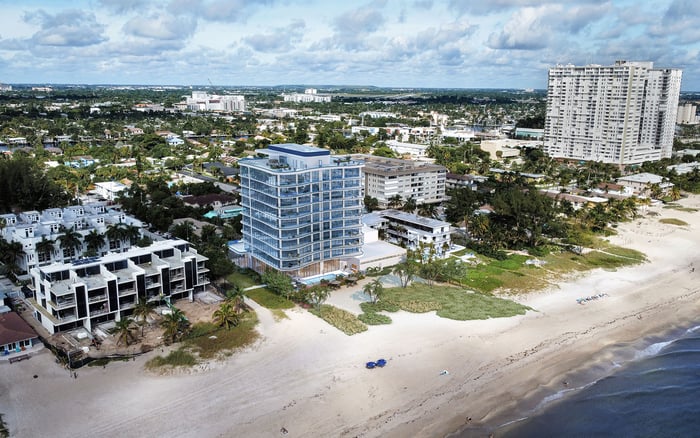
The geography matters. W Pompano Beach Hotel & Residences sits in Pompano Beach, placing it within Broward County’s coastal luxury-residential context rather than Miami-Dade’s bay-island environment. That gives it a different competitive narrative from North Bay Village, where buyers often evaluate proximity to Miami’s urban and bayfront lifestyle through a more island-oriented lens.
Broward coastal luxury can appeal to buyers who want a beach-market identity outside the center of Miami’s intensity. Pompano Beach has its own rhythm, and a hospitality-branded residence there may speak to owners who prefer a branded coastal base with hotel-inflected energy.
North Bay Village, by contrast, often draws attention from buyers considering the relationship between bay access, Miami connectivity, and evolving residential character. For a project such as Tula, the resale argument may depend less on global brand recognition and more on whether the building delivers a refined, durable residential proposition within that local context.
Neither geography is inherently superior. They answer different lifestyle questions. The mistake is to compare them only by price per square foot, amenity vocabulary, or launch presentation. The more revealing comparison is whether the building’s culture fits the owner’s intended use.
Resale strength often depends on how easily the next buyer can understand the asset. In a branded hotel-residence, the first layer of explanation is often immediate. The W name tells the buyer to expect a lifestyle-hospitality environment. That clarity can be an advantage, provided the delivered experience aligns with the promise.
In a boutique residential building, the explanation may be subtler. The future buyer must understand why the building feels special, why its governance has protected quality, and why its resident culture is worth paying for. That can produce excellent outcomes when the building is tightly run and aesthetically coherent. It can also require more careful storytelling at resale.
For both Tula Residences North Bay Village and W Pompano Beach Hotel & Residences, the resale question should be framed around transferability. Can the building’s appeal be transferred from the original buyer to a future buyer without excessive explanation? Are the rules, costs, and services easy to understand? Does the culture feel intentional rather than accidental?
Luxury buyers often focus on the residence they are buying. Resale-minded buyers also focus on the buyer who will eventually buy from them.
Before choosing between a hospitality-branded residence and a boutique residential proposition, buyers should pressure-test the ownership experience. Review governing documents, service obligations, use restrictions, maintenance responsibilities, and any brand-related standards that may affect costs or daily life. Do not treat a name as a substitute for diligence.
For W Pompano Beach Hotel & Residences, the central issue is how the hotel-and-residences structure will function for an owner who wants both luxury and control. For Tula Residences North Bay Village, the central issue is whether the building’s identity, governance, and resident culture can create prestige without needing a global hospitality badge.
The best choice is not the louder brand or the quieter building. It is the one whose operating reality matches the way the owner intends to live, host, hold, and eventually resell.
Is W Pompano Beach Hotel & Residences a branded residence? It is positioned as a combined hotel-and-residences product carrying the W identity, making brand culture central to the buyer analysis.
Does the W name guarantee a resale premium? No. The brand may influence perception, but resale depends on market conditions, governance, costs, unit attributes, and buyer demand at the time of sale.
How should buyers evaluate Tula Residences North Bay Village? Buyers should focus on its building culture, governance documents, operating expectations, and how clearly its residential identity can be understood over time.
Why does governance matter so much in luxury condominiums? Governance determines how services, costs, rules, and standards are maintained after the initial marketing period has passed.
Is a hotel-and-residences product the same as a conventional condominium? Not necessarily. A hospitality component can change expectations around service, operations, shared spaces, and ownership rules.
What is the main appeal of a boutique building? Boutique appeal often comes from privacy, selectivity, resident consistency, and a quieter sense of prestige rather than broad brand recognition.
What should investment-minded buyers study first? They should study use rules, operating costs, governance discipline, competitive inventory, and how easily the asset can be explained to a future buyer.
Why is Pompano Beach different from North Bay Village? Pompano Beach belongs to Broward’s coastal luxury context, while North Bay Village is evaluated through a Miami-Dade bay-island lens.
Can brand prestige and residential privacy coexist? Yes, but only if operations are carefully structured so hospitality energy does not overwhelm the owner’s private residential experience.
What is the best way to shortlist comparable options for touring? Start with location fit, delivery status, and daily lifestyle priorities, then compare stacks and elevations to validate views and privacy.
If you'd like a private walkthrough and a curated shortlist, connect with MILLION.
If branded residences are on your mind — as a home or as an allocation — we would be glad to share what we are seeing, privately.
Begin a quiet conversation