A practical luxury buyer guide to evaluating privacy, sightlines, tower adjacency, terraces, glazing, floor height, amenities and long-term discretion before purchasing in North Bay Village.
For luxury buyers in North Bay Village, privacy deserves the same disciplined review as view, floor height, finish quality and building amenities. A residence may feel serene during a polished presentation, yet live very differently once a neighboring tower, amenity deck, parking podium or future building envelope is considered from every room.
The most refined buyers are no longer asking only whether a home has a water view. They are asking who can see into the residence, from where, at what distance and during which parts of the day. That line of questioning matters in any vertical market, but it becomes especially important where waterfront living, dense residential design and evolving skylines converge.
North Bay Village due diligence should therefore begin before the contract stage. Privacy is not a single feature. It is a layered condition shaped by the residence’s orientation, terrace depth, neighboring glazing angles, amenity-level relationships, likely window-treatment strategy and the long-term planning context around the site.
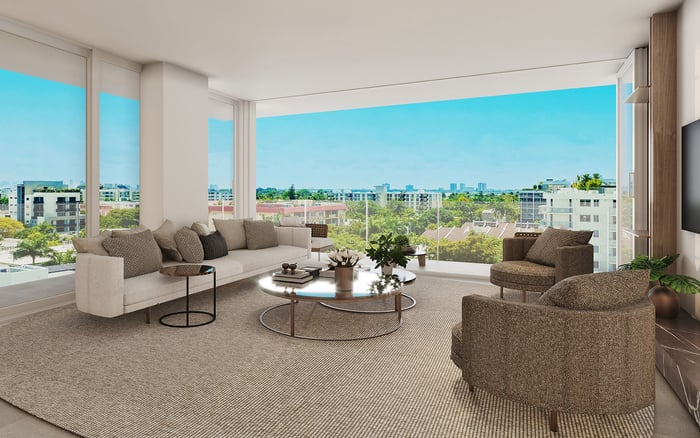
A large residence is not automatically a private one. The first review should focus on direct sightlines from the rooms where privacy matters most: the primary suite, bath, living room, kitchen, terrace and any work-from-home space. Stand where life actually happens. Sit at the dining table. Walk from the shower to the closet. Open the terrace doors. Then ask where the eye naturally travels.
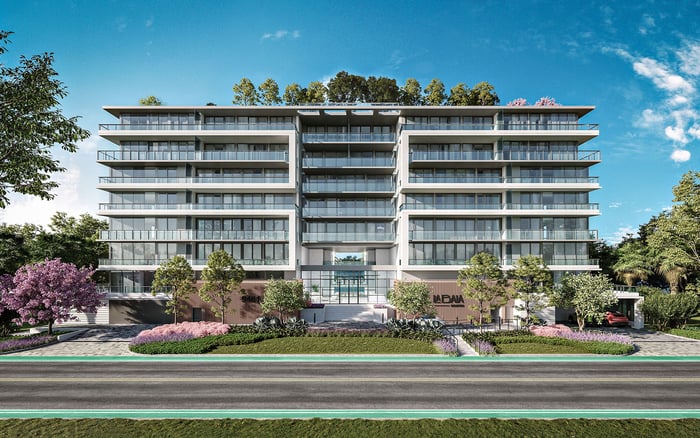
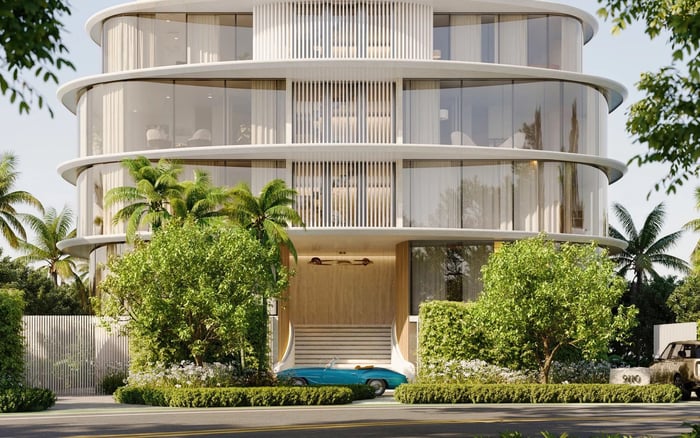
The strongest privacy review is done from inside the specific line and elevation under consideration, not only from a model residence or sales gallery. If the home is pre-construction, the same principle applies through careful study of plans, renderings, stacking diagrams and orientation. Buyers comparing Continuum Club & Residences North Bay Village, **Shoma Bay North Bay Village Pagani North Bay Village should look beyond the headline view and examine the geometry of each exposure.
A residence can have an impressive outlook and still be compromised by a close oblique angle from a neighboring tower. Conversely, a unit with a less dramatic panorama may offer better day-to-day discretion because its principal rooms face open water, sky or a less intrusive building edge.
View privacy and living privacy are related, but they are not the same. View privacy asks whether the outward vista feels open and uninterrupted. Living privacy asks whether the buyer can cook, read, entertain, exercise, sleep and use the terrace without feeling observed.
A buyer may accept a framed city outlook if the interior feels protected. Another may reject a spectacular exposure if the terrace aligns too directly with another building’s balconies. This distinction is especially important for end users who host often, maintain a high public profile or use the residence as a quiet second home.
In practical terms, evaluate privacy in three zones. The first is the interior zone, where the concern is direct visibility through glass. The second is the terrace zone, where railing height, terrace depth and neighboring balcony angles matter. The third is the amenity zone, where pools, lounges, fitness areas and outdoor decks can create unexpected visual overlap between buildings.
Privacy changes with light. During the day, reflective glass may provide a sense of separation. At night, illuminated interiors can become more visible unless window treatments, lighting plans and room layouts are designed with discretion in mind.
Buyers should visit in the morning, afternoon and evening when possible. Notice whether sun exposure encourages shades to remain closed. Observe how neighboring windows behave after dark. Consider whether the residence will depend on constant window coverings to feel comfortable. If privacy requires every shade to be drawn at sunset, the buyer is not purchasing the same lifestyle suggested by the daytime view.
Interior lighting is part of the equation. Cove lighting, dimmable scenes and layered lamps can help preserve atmosphere without turning glass walls into a stage. For waterfront residences, the goal is not to live behind fabric. It is to create a setting where openness and discretion can coexist.
Higher floors often provide greater separation, but height alone is not a complete answer. A higher residence can still align with another tower’s upper levels. A lower residence can feel private if it is buffered by orientation, landscaping, water, setbacks or a nonresidential edge. The question is not simply, “How high is it?” The better question is, “What does this elevation face now, and what could it face later?”
The most desirable line may not always be the highest-priced one on paper. In some buildings, a corner stack with a slightly angled exposure can offer stronger privacy than a more central line with a broader but more directly shared view corridor. Buyers should request a careful line-by-line comparison rather than treating all exposures in a tower as equivalent.
This is where an experienced advisor adds value. A privacy-forward review considers adjacency, window-to-window relationships, outdoor living spaces and resale perception. The market often rewards homes that feel effortless to live in, not only homes that photograph well.
Privacy should be evaluated against both the current environment and the reasonable possibility of change nearby. A neighboring parcel, surface lot, low-rise structure or underutilized site may not remain visually benign over the long term. Buyers do not need to speculate recklessly, but they should understand what surrounds the building and ask direct questions about future development context.
For pre-construction purchases, review the tower’s orientation and setbacks in relation to adjacent sites. Ask how the developer has addressed privacy through building placement, glass treatment, terrace design and amenity positioning. For completed buildings, walk the surrounding blocks and study the relationship between neighboring elevations from street level as well as from the unit.
A thoughtful purchase process does not assume that today’s open side view is permanent. It assigns value to views and privacy in a way that reflects uncertainty. That approach can make the difference between a satisfying long-term hold and a residence that feels exposed as the neighborhood matures.
Some layouts protect privacy inherently. Private elevator foyers, offset entry sequences, split bedrooms, deeper terraces, recessed living areas and well-placed service spaces can reduce the sense of exposure. Other plans place the most personal rooms directly against the glass, leaving the owner dependent on shades for comfort.
Look carefully at the primary suite. Does the bed face another tower? Is the bath glassy in a way that requires constant screening? Can the closet and dressing areas function privately? In the living room, ask whether seating arrangements naturally turn toward the best view or toward a neighboring facade.
Terrace depth is also important. A deeper terrace can create a transitional layer between interior life and the outside world. It may allow furniture, planters and architectural elements to soften exposure. A shallow terrace with direct sightlines can feel less private even when the view is technically attractive.
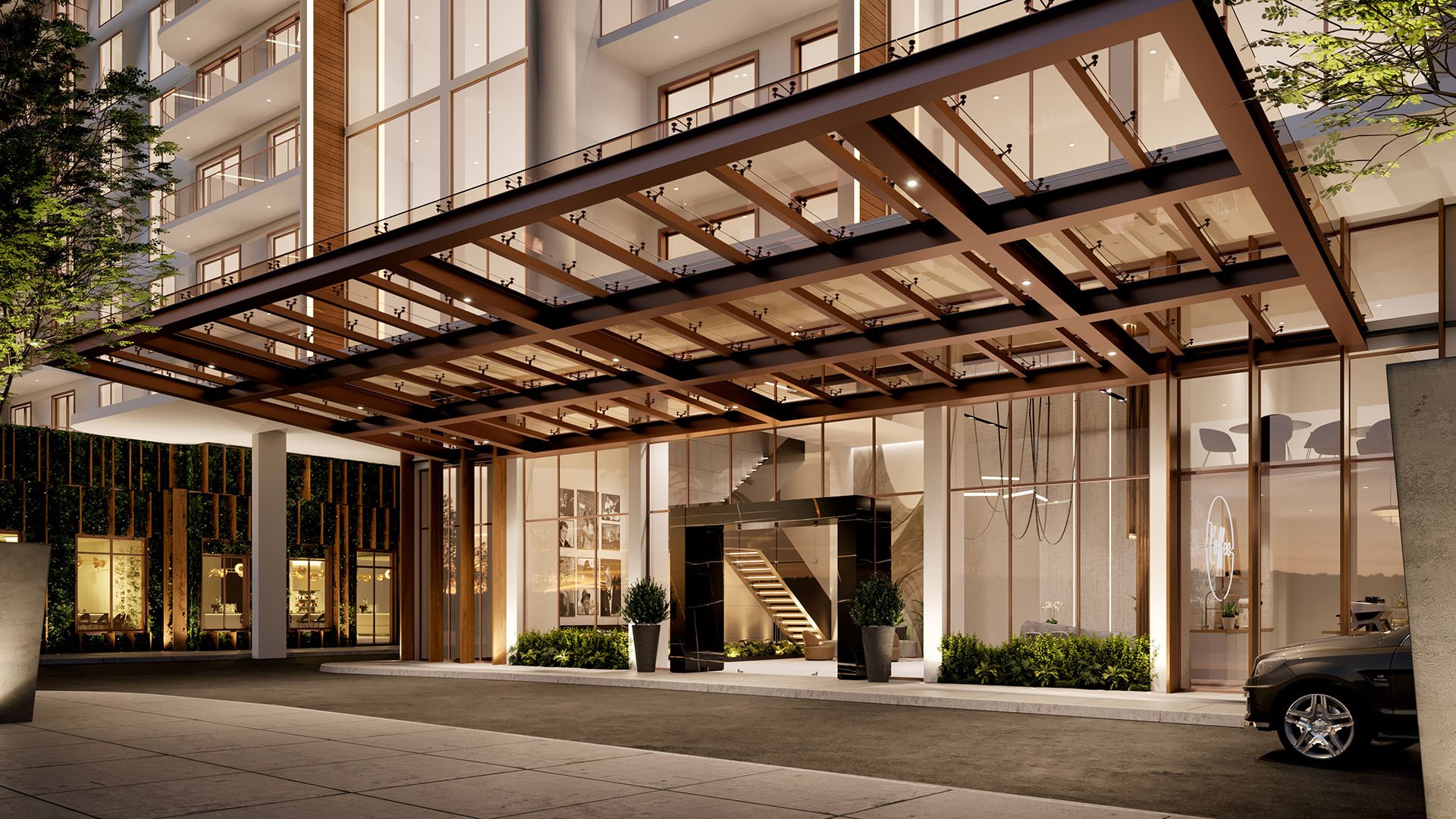
Buyers often focus on what they can see from the residence, but they should also ask what common areas can see into it. Pool decks, restaurants, lounges, coworking areas, fitness rooms and rooftop spaces may sit at elevations that align with private interiors or terraces.
The issue is not whether amenities are desirable. In the luxury market, they often define the daily rhythm of a building. The issue is whether the amenity design respects residential privacy. If a primary bedroom, terrace or living room faces a heavily used amenity deck, the owner may experience more visual activity than expected.
When touring a project, ask where residents and guests will gather, how outdoor areas are lit in the evening and whether any social spaces overlook specific residential lines. Privacy is strongest when the building’s public energy and private residences are composed as separate experiences.
Before purchasing in North Bay Village, a buyer should be able to answer several practical questions with confidence. Which neighboring buildings or parcels face the residence? Are the most private rooms protected by orientation or exposed through direct glass? Does the terrace feel usable without discomfort? Will nighttime living require full window treatments? Are amenity decks positioned away from the unit’s primary sightlines?
The answers do not need to be perfect. Urban waterfront living always involves some degree of proximity. The goal is informed selection. Privacy should be priced, negotiated and compared as a core attribute, just like ceiling height, parking, service level, design pedigree and maintenance profile.
The strongest purchases tend to feel composed from the inside out. They allow light, water and skyline to enter the home while preserving the owner’s sense of retreat. That is the quiet luxury buyers should insist on.
What is the first privacy issue to evaluate in North Bay Village? Begin with direct sightlines into the primary rooms and terrace. If daily living feels exposed, the view premium may not translate into comfort.
Is a higher floor always more private? Not always. Height can help, but tower alignment, neighboring elevations and angles often matter just as much.
Should buyers visit at night before purchasing? Yes, when possible. Evening light can reveal how visible interiors become after dark and whether shades will be constantly required.
How important is terrace depth? Very important. A deeper terrace can create a buffer between interior spaces and neighboring sightlines.
Can window treatments solve privacy concerns? They can help, but they should not be the only solution. A truly strong residence feels discreet even before shades are drawn.
Do amenities affect privacy? Yes. Pool decks, lounges and fitness spaces may create visual overlap with certain residential lines.
What should pre-construction buyers request? Buyers should review plans, orientation, stacking diagrams and the relationship to adjacent parcels before selecting a line.
Is view more important than privacy for resale? Both matter. A spectacular view can lose appeal if the residence feels difficult to live in comfortably.
Which rooms deserve the closest review? Focus on the primary suite, bath, living room, kitchen, terrace and any office or guest suite used frequently.
How should buyers compare two similar residences? Choose the home with the better balance of exposure, usability, light and discretion rather than relying on view alone.
When you're ready to tour or underwrite the options, connect with MILLION.
If branded residences are on your mind — as a home or as an allocation — we would be glad to share what we are seeing, privately.
Begin a quiet conversation