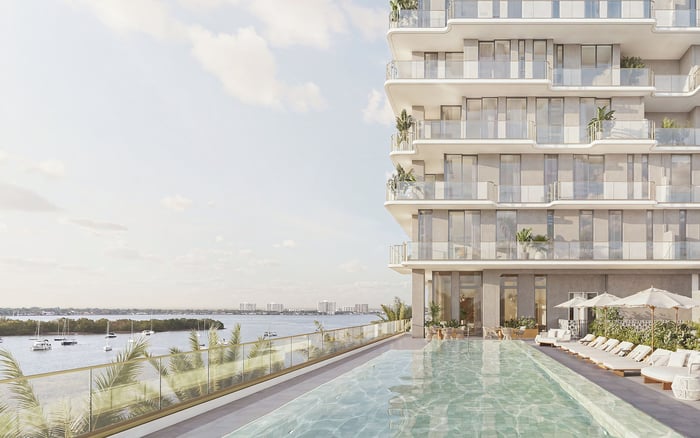
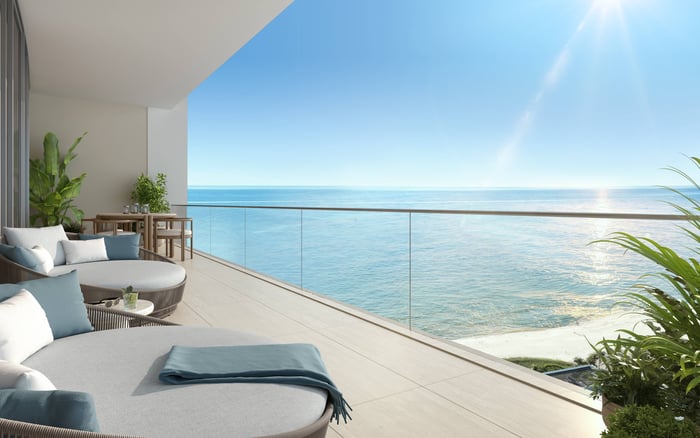
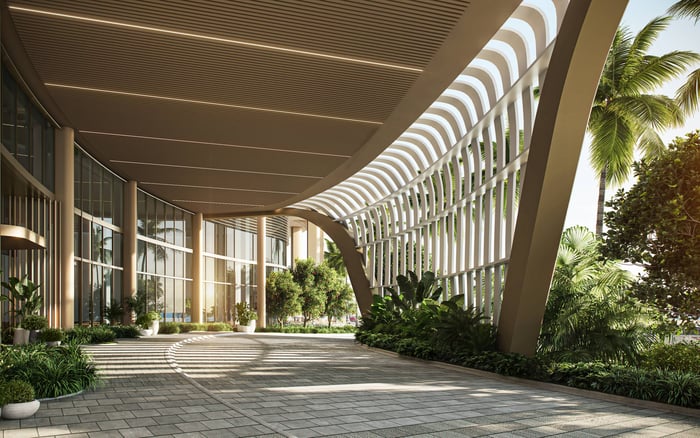
A buyer-focused editorial on how Brightline proximity may influence ownership strategy at W Pompano Beach Hotel & Residences, with emphasis on use, liquidity, and disciplined expectations.
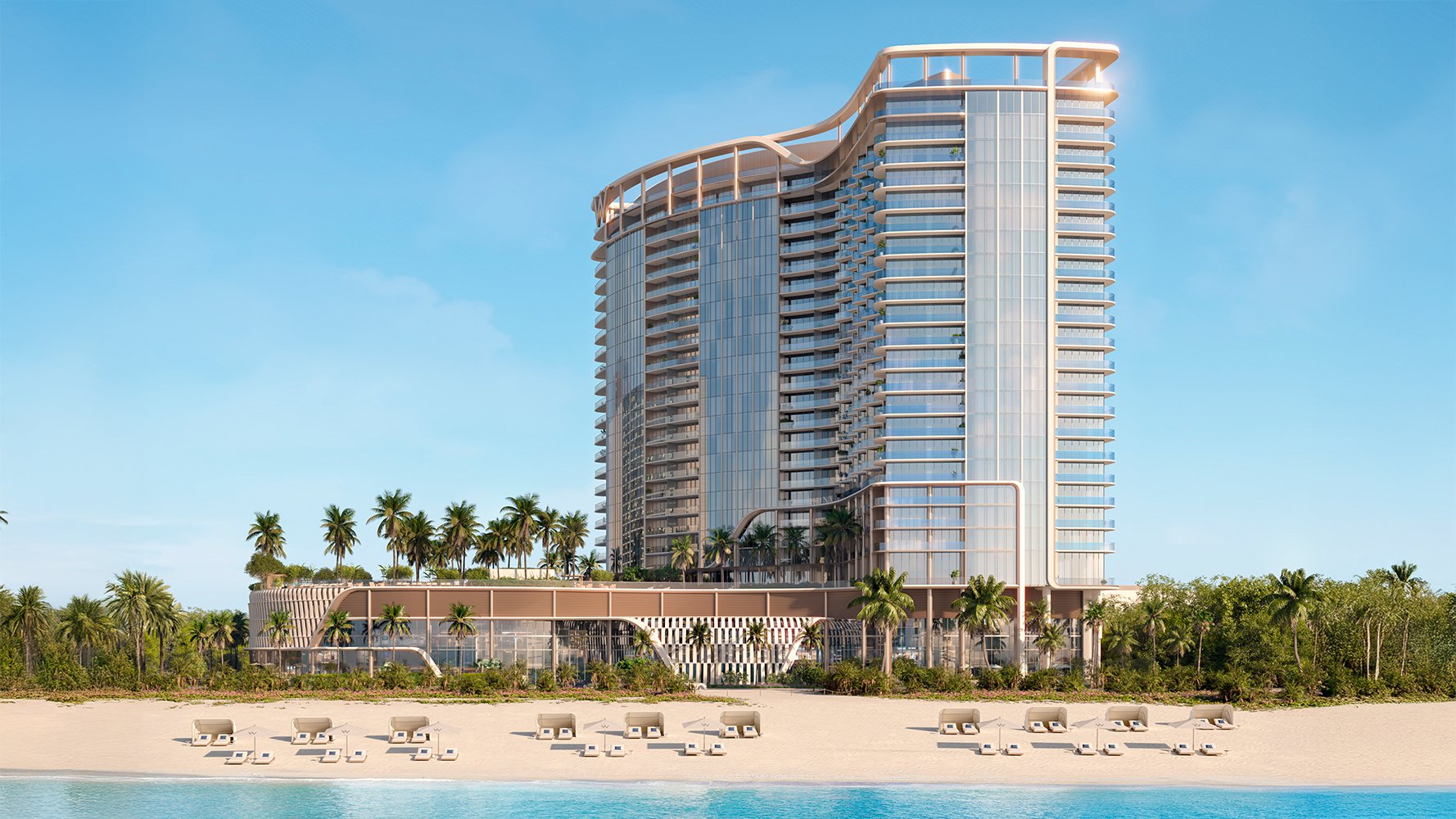
For buyers considering W Pompano Beach Hotel & Residences, the central question is not simply whether Brightline proximity is convenient. It is whether that access changes the ownership thesis in a meaningful way. In South Florida’s luxury market, connectivity has become a quieter form of amenity: less visible than a pool deck, less theatrical than a lobby, and often more consequential over a full ownership cycle.
A residence connected to the broader region can serve different purposes for different buyers. For one household, it may function as a primary coastal base with efficient access to other urban centers. For another, it may be a seasonal address that reduces friction around arrivals, weekends, and business travel. For an investor-minded buyer, it may become part of a broader discussion about demand, ease of use, and long-term relevance.
That is where the ownership question becomes more nuanced. Brightline proximity can make a property more practical, but practicality alone does not create a complete acquisition case. The stronger approach is to ask how often that access will be used, who will value it most, and whether it complements the residence’s underlying lifestyle proposition.
In premium real estate, buyers often give too much weight to proximity and too little to behavior. Being near mobility infrastructure matters only if it changes the way an owner, guest, or future buyer experiences the property. A nearby station can reduce the mental distance between destinations, but the real test is whether that reduction creates daily, weekly, or seasonal utility.
For W Pompano Beach Hotel & Residences, the conversation should begin with use patterns. Will the owner travel frequently within South Florida? Will guests arrive from another part of the region? Will the residence be used as a weekend base, a winter retreat, or a flexible foothold between markets? The answer matters because the same feature can carry different weight depending on the buyer profile.
This is why transit proximity should not be treated as a stand-alone premium. It belongs in a broader matrix that includes view orientation, building services, privacy, beach access, parking, management structure, and the feel of the surrounding neighborhood. Brightline access may enhance the ownership experience, but it does not replace the fundamentals.
The W Pompano Beach Hotel & Residences name signals a hospitality-adjacent mindset, which can be compelling for buyers who value service, design coherence, and a more turnkey rhythm. Yet hotel residence ownership also requires careful reading. Buyers should separate the emotional appeal of a branded environment from the legal, operational, and financial structure of the purchase.
If rental participation, owner-use rules, or shared-service arrangements are part of the offering, those details should be reviewed with care before any decision is made. The right question is not simply whether income is possible. It is whether the operating model aligns with the owner’s intended use. A buyer who wants frequent personal access will evaluate restrictions differently from a buyer focused primarily on occasional use and income potential.
In this sense, Brightline proximity can support a hotel residence thesis, but it should not overwhelm it. Convenience may broaden appeal, particularly among guests and owners who move between South Florida nodes, but the lasting value of the residence will still depend on execution, governance, condition, and the everyday quality of the experience.
Pompano Beach has increasingly entered conversations that once centered almost exclusively on Miami, Fort Lauderdale, Boca Raton, and Palm Beach. Its appeal lies in a coastal position that can feel less saturated than more established luxury enclaves while still sitting within the broader rhythm of South Florida. For buyers, that balance can be attractive: regional connection paired with a residential identity that may feel more relaxed.
The language buyers use is direct: Pompano Beach location, Broward access, new-project optionality, pre-construction timing, condo-hotel structure, and investment discipline. Each phrase reflects a different lens. The location lens asks whether the address fits the owner’s life. The timing lens asks whether buying before delivery suits the buyer’s risk tolerance. The structure lens asks whether the residence functions more like a personal home, a hospitality product, or something in between.
That is why a Pompano Beach acquisition should not be judged by comparison alone. It should be judged by fit. A buyer coming from Miami may care most about relative calm and space. A buyer coming from Palm Beach County may care about access southward. A Northeastern buyer may care about ease, brand familiarity, and the ability to simplify seasonal living. Brightline proximity may matter to all three, but for different reasons.
The cleanest ownership thesis begins with personal utility. If a buyer would enjoy the residence even without a rental component or a transit premium, the foundation is stronger. From there, Brightline proximity can be evaluated as an enhancer. It may improve convenience, support guest usage, and make the address easier to explain to future buyers who think regionally rather than locally.
The second layer is liquidity. A residence tied to a recognizable hospitality brand and a connected coastal location may be easier for some future buyers to understand. Still, liquidity is never guaranteed. It depends on pricing, building performance, competing inventory, financing conditions, association costs, and the reputation of the ownership experience over time.
The third layer is optionality. Some owners want a residence that can evolve with them: part-time use today, longer stays tomorrow, potential rental participation if permitted, and eventual resale if life changes. Proximity to regional rail can support that optionality because it makes the property less isolated in practical terms. But optionality has value only when the documents, rules, and costs support it.
The best-aligned buyer is not necessarily the one seeking the highest projected return. It is the buyer who values time and wants a South Florida base that feels serviced, connected, and coastal. This buyer may travel between business meetings, family visits, dining, airports, cultural events, and other residences. For that buyer, access is a lifestyle feature, not merely a resale talking point.
There is also a second-home buyer who may find the proposition persuasive. A residence that can be reached and used with less friction tends to be used more often. That frequency can change the emotional value of ownership. The best luxury properties are not just admired; they are integrated into life.
For the investor-minded buyer, the message is more restrained. Brightline proximity may help with demand perception, but it should not be treated as a substitute for conservative assumptions. Operating costs, rental rules, seasonality, and competition should be evaluated before any yield expectation becomes part of the purchase rationale.
W Pompano Beach Hotel & Residences sits at the intersection of three buyer conversations: branded living, coastal ownership, and regional mobility. Brightline proximity gives that intersection more depth, but it does not simplify the decision. If anything, it makes due diligence more important because the residence may appeal to multiple buyer types at once.
The most sophisticated approach is to resist the easy headline. Proximity is useful. Branding is meaningful. A coastal setting is desirable. Yet the purchase should still be measured against personal use, document clarity, cost discipline, and the durability of the property’s appeal. For the right buyer, the ownership question is not whether Brightline is nearby. It is whether that access makes the residence more usable, more resilient, and more aligned with how South Florida is actually lived.
Is Brightline proximity enough reason to buy at W Pompano Beach Hotel & Residences? No. It can strengthen the ownership case, but it should be evaluated alongside use, cost, structure, and long-term fit.
Who is the strongest buyer profile for this type of residence? A buyer who values serviced coastal living and regional mobility is likely to understand the advantage most clearly.
Should buyers treat the property as an investment first? Only if the numbers, rules, and personal risk tolerance support that view. Lifestyle utility should remain central.
Does a condo-hotel structure change the diligence process? Yes. Buyers should review owner-use rights, rental terms if offered, costs, and management obligations carefully.
Why does Broward matter in this conversation? Broward offers a central South Florida position between Miami-Dade and Palm Beach County, which can support regional living patterns.
Is pre-construction timing a benefit or a risk? It can be both. Buyers may gain early selection, but they must be comfortable with timing, contracts, and execution risk.
How should a new project be compared with resale inventory? Compare design, services, carrying costs, delivery risk, and the maturity of surrounding inventory rather than price alone.
Can transit access improve resale appeal? It may help future buyers understand convenience, but resale strength still depends on pricing, quality, and market conditions.
Is Pompano Beach becoming more relevant to luxury buyers? It is increasingly part of the broader coastal conversation, especially for buyers seeking connectivity and a less saturated setting.
What should buyers ask before committing? They should ask how they will use the residence, what the documents allow, and whether the full cost profile supports the plan.
For a discreet conversation and a curated building-by-building shortlist, connect with MILLION.
If branded residences are on your mind — as a home or as an allocation — we would be glad to share what we are seeing, privately.
Begin a quiet conversation