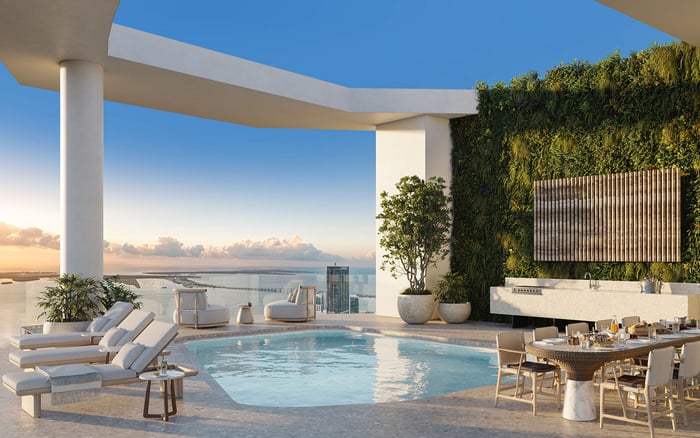
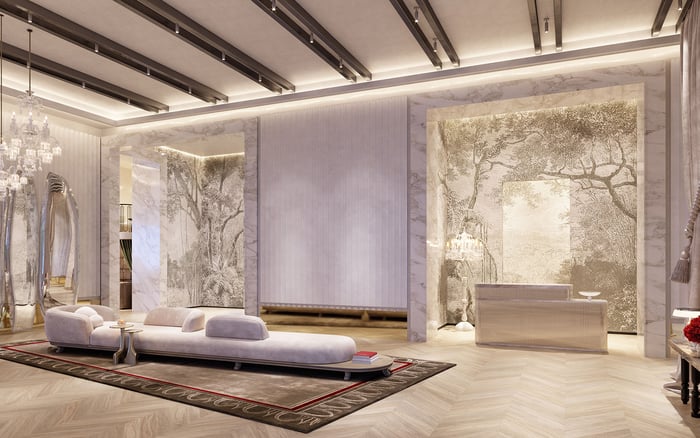
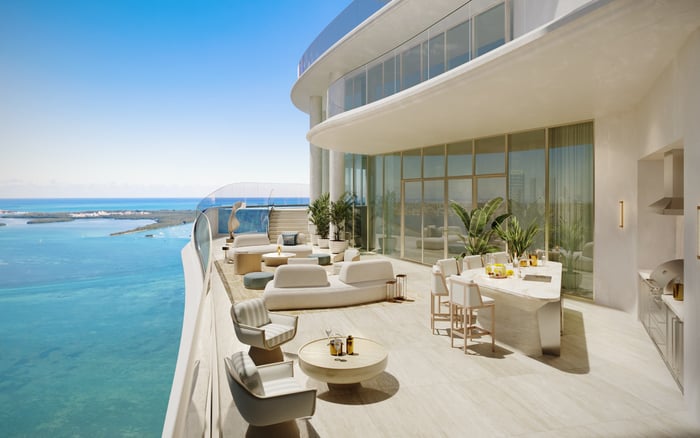
A buyer-focused editorial on whether The Residences at 1428 Brickell can deliver durable lock-and-leave ownership through architecture, service discipline, governance, and operational value rather than a hotel or fashion-house brand.
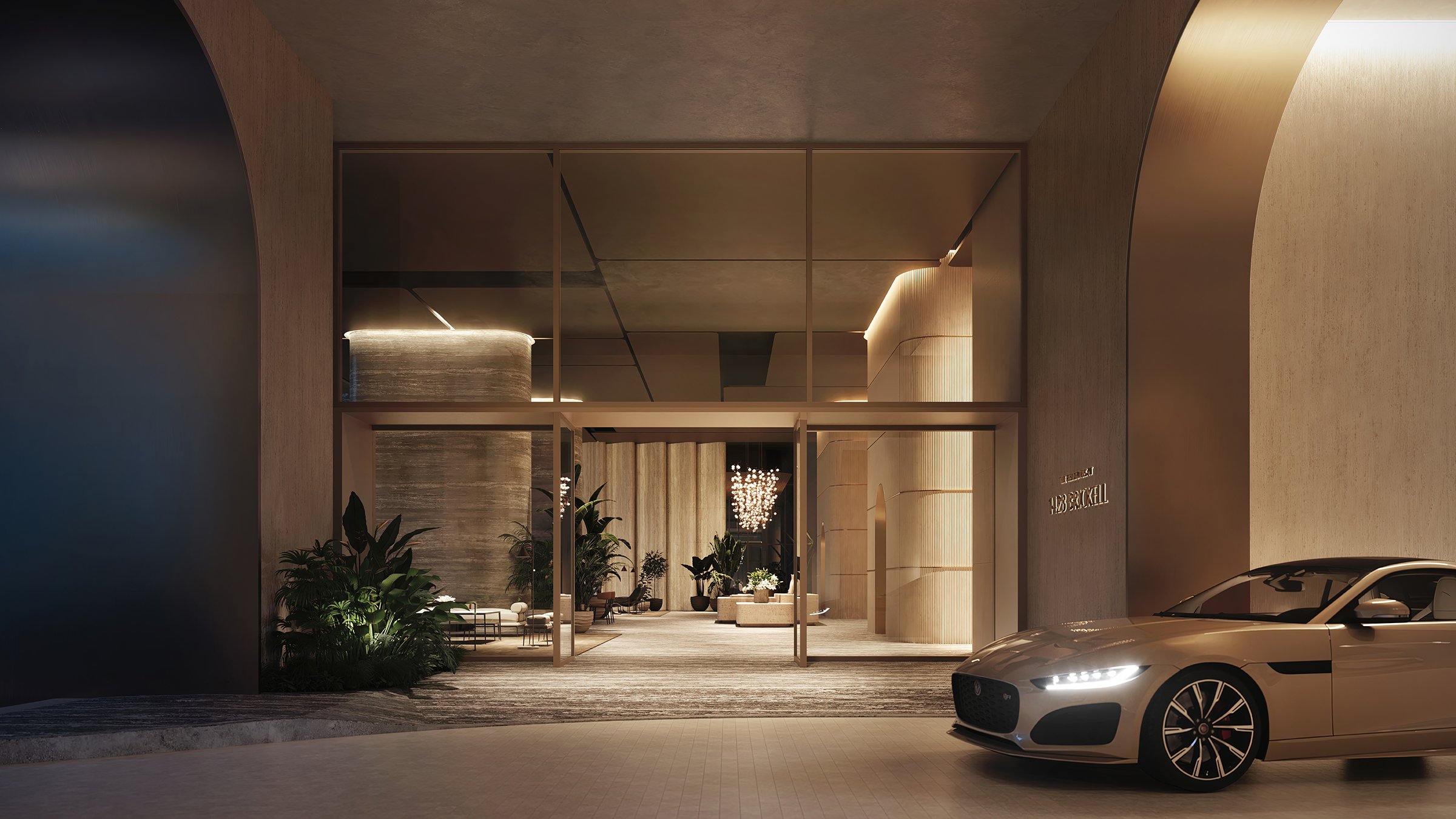
For the global buyer, the most luxurious feature in a Brickell residence may not be the view, the lobby, or the name on the porte cochère. It may be the ability to leave.
The Residences at 1428 Brickell enters Miami’s most scrutinized vertical market as an ultra-luxury residential tower in Brickell, a neighborhood that operates as both financial district and lifestyle address. That dual identity matters. Owners here may arrive for an intense week of meetings, dinners, family time, or tax-season logistics, then close the door and disappear to another city, another coast, or another continent.
That is the lock-and-leave question. Can a residence preserve convenience, security, condition, and capital confidence while the owner is away? Branding alone does not answer it. The answer is produced by staffing, maintenance culture, building governance, residential privacy, and the invisible systems that either simplify ownership or quietly erode it.
The Residences at 1428 Brickell is positioned as a non-hotel-branded alternative in a Brickell landscape increasingly shaped by hospitality and lifestyle names. Its argument is not that brands are irrelevant. It raises a sharper question for sophisticated buyers: over a long-term hold, how much of a premium comes from recognition at purchase, and how much endures because the building works beautifully after closing?
This is where The Residences at 1428 Brickell becomes more than a single project. It is a test case for how design, operations, governance, and brand strategy influence long-term condo value. A fashion-house or hotel affiliation can create instant market language. Architectural distinction, when supported by disciplined operations, can create a quieter form of durability.
That distinction matters in Brickell. The neighborhood rewards convenience, but it also punishes friction. A second-home owner does not want to return to deferred maintenance, unclear procedures, inconsistent service, or an association culture that feels reactive. The promise of a pure residential environment is that the building’s energy is organized around owners, not transient guests.
Brickell’s branded-residence conversation often includes St. Regis® Residences Brickell, Baccarat Residences Brickell, and Cipriani Residences Brickell. These names carry immediate associations: service, design language, hospitality memory, and global recognition. For many buyers, that familiarity has value. It can reduce uncertainty, sharpen marketing, and give a residence a recognizable identity in a crowded skyline.
But the lock-and-leave buyer should separate two kinds of value. The first is marketing-driven brand value, which helps a buyer understand the product quickly. The second is operational value, which is what an owner experiences after the contract, after the closing, and after the first season of ownership.
Operational value is less theatrical. It lives in how the building handles access, inspections, vendor coordination, package control, climate-sensitive maintenance, staff continuity, and communication while the owner is away. It also lives in governance: rules, reserves, decision-making culture, and the willingness of an association to protect the building’s residential character over time.
A brand may help frame expectations. It cannot, by itself, guarantee execution for decades.
A true lock-and-leave residence begins with security, but it cannot end there. Security without maintenance is incomplete. Maintenance without governance can become inconsistent. Governance without service culture can become bureaucratic.
The buyer profile for The Residences at 1428 Brickell is often the high-net-worth owner who may use the home intensively for short periods, then leave it closed for extended stretches. That owner is not merely buying square footage. They are buying confidence during absence.
The key questions are practical. Who notices when something is off? How easy is it to coordinate approved vendors? How clear are the building’s access controls? How consistently are staff trained? How well does management communicate? How does the building protect privacy while still enabling necessary oversight?
These questions may sound less glamorous than finishes or skyline views, but they are central to capital preservation. An ultra-luxury condominium can command attention at launch. It earns long-term confidence through repetition, season after season, with very little drama.
The Residences at 1428 Brickell is framed as a pure residential environment rather than a transient hotel-residence model. That positioning is meaningful for buyers who want the sophistication of a premier Brickell address without the rhythm of hotel guests, short stays, or a hospitality program that may not align with private residential living.
Pure residential does not automatically mean better. It means the operating model must stand on its own. The building has to deliver the convenience many buyers associate with hospitality while protecting the privacy and continuity they expect from a private home.
This is the central tension. Hotel-linked projects can offer an established service vocabulary. Non-hotel-branded towers must prove that their staffing, management, design, and governance can create an equally polished experience. If they do, the result can feel more tailored, more discreet, and potentially more durable for owners who do not want their home to feel like part of a rotating guest ecosystem.
Sustainability messaging also belongs in this durability conversation. For luxury buyers, sustainability is not only a moral or aesthetic statement. It can be part of long-term resilience, operating discipline, and future relevance in a market where expectations continue to evolve.
Investment in this context should not be reduced to near-term appreciation. For Brickell luxury buyers, the more refined question is whether the residence will remain desirable across ownership cycles.
The branded-residence premium is powerful when a market is expanding and buyers are choosing among new launches. The harder test comes later, when several towers are complete, interiors begin to age, association decisions accumulate, and resale buyers compare lived-in performance rather than renderings.
That is where The Residences at 1428 Brickell makes its argument. If architectural distinction is paired with strong service execution, disciplined building management, and a residential culture that protects privacy, a non-hotel-branded tower can compete with branded peers on substance rather than label alone.
For an investment-minded owner, this shifts diligence from the sales gallery to the operating thesis. The buyer should ask how the building will feel as ownership cycles mature. Will the identity still feel specific? Will maintenance remain proactive? Will governance protect standards? Will the experience of returning home remain seamless?
In Brickell, durability is not simply the ability to look impressive. It is the ability to stay easy to own.
The most useful comparison is not brand versus no brand in the abstract. It is promise versus performance.
St. Regis® Residences Brickell, Baccarat Residences Brickell, and Cipriani Residences Brickell each occupy a different corner of the branded universe. Their names carry established associations, and for some buyers those associations will be decisive. The Residences at 1428 Brickell asks a different question: can architectural identity, pure residential positioning, and operational seriousness create a premium that is less dependent on external brand memory?
For many ultra-luxury owners, the answer will depend on lifestyle. A buyer who values hospitality symbolism may prefer a branded address. A buyer who prizes privacy, discretion, and a less transient residential atmosphere may find the non-hotel-branded model more compelling.
The smartest Brickell acquisition strategy is to evaluate both. Brand can open the conversation. Operations decide whether the ownership experience remains elegant when nobody is watching.
The Residences at 1428 Brickell should be understood as part of a broader evolution in Miami luxury real estate. The next generation of buyers is not only asking what a residence signals. They are asking how it behaves.
For the lock-and-leave owner, behavior is everything. The home must be ready when the owner arrives, secure when the owner leaves, and protected by a culture that treats absence as a core use case rather than an inconvenience. In that sense, The Residences at 1428 Brickell is not merely competing for attention. It is competing for trust.
That may be the more durable premium.
Is The Residences at 1428 Brickell a branded residence? It is positioned as a non-hotel-branded ultra-luxury residential tower in Brickell, with emphasis on architectural distinction and private residential ownership.
Why does lock-and-leave ownership matter in Brickell? Many Brickell buyers maintain multiple homes and may use a residence intensively, then leave it vacant for extended periods.
What defines a strong lock-and-leave building? Staffing, security, maintenance, governance, communication, and ease of vendor coordination all shape the ownership experience during absence.
How does 1428 Brickell compare with branded peers? It presents a non-hotel-branded alternative to projects associated with names such as St. Regis, Baccarat, and Cipriani.
Does a brand guarantee better resale value? Not necessarily. Brand recognition can support demand, but long-term resale strength also depends on operations, condition, governance, and buyer confidence.
What should buyers examine beyond amenities? They should study how the building manages privacy, access, maintenance requests, staff consistency, and association decision-making.
Why is pure residential positioning important? It can appeal to owners who want a private home environment rather than the rhythm of a hotel-residence model.
Is sustainability relevant to luxury condo value? Yes. Sustainability messaging can support the perception of long-term relevance, resilience, and operating discipline.
Who is the ideal buyer for The Residences at 1428 Brickell? The most natural fit is a buyer seeking a Brickell base that is easy to secure, leave, and return to.
What is the best way to shortlist comparable options for touring? Start with location fit, delivery status, and daily lifestyle priorities, then compare stacks and elevations to validate views and privacy.
For a discreet conversation and a curated building-by-building shortlist, connect with MILLION.
If branded residences are on your mind — as a home or as an allocation — we would be glad to share what we are seeing, privately.
Begin a quiet conversation