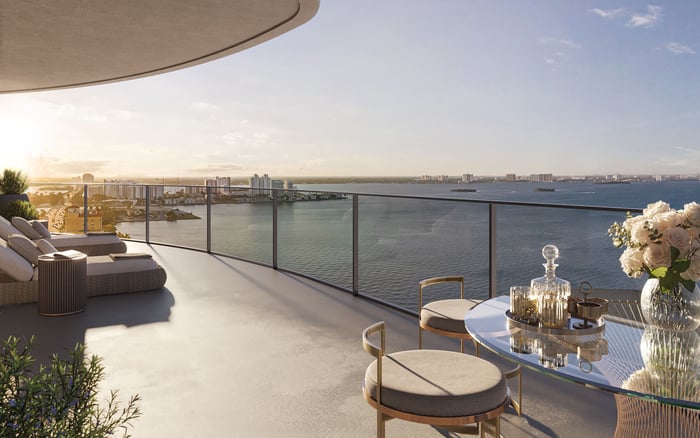
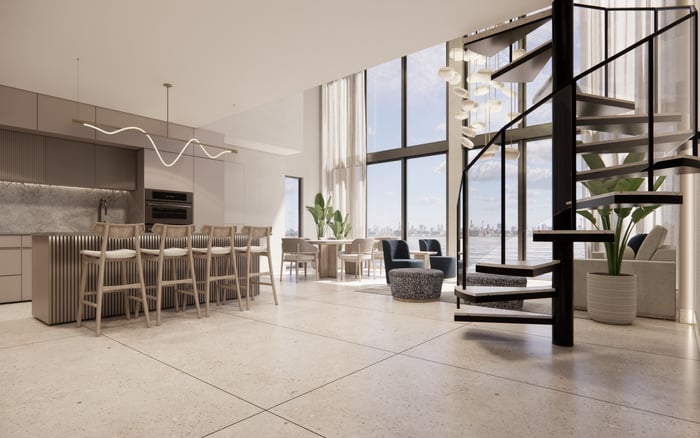
A practical buyer guide to evaluating spa-floor crowding risk at Tula Residences North Bay Village, focused on daily usability, peak-hour pressure, reservation rules, privacy, and full-time ownership priorities.
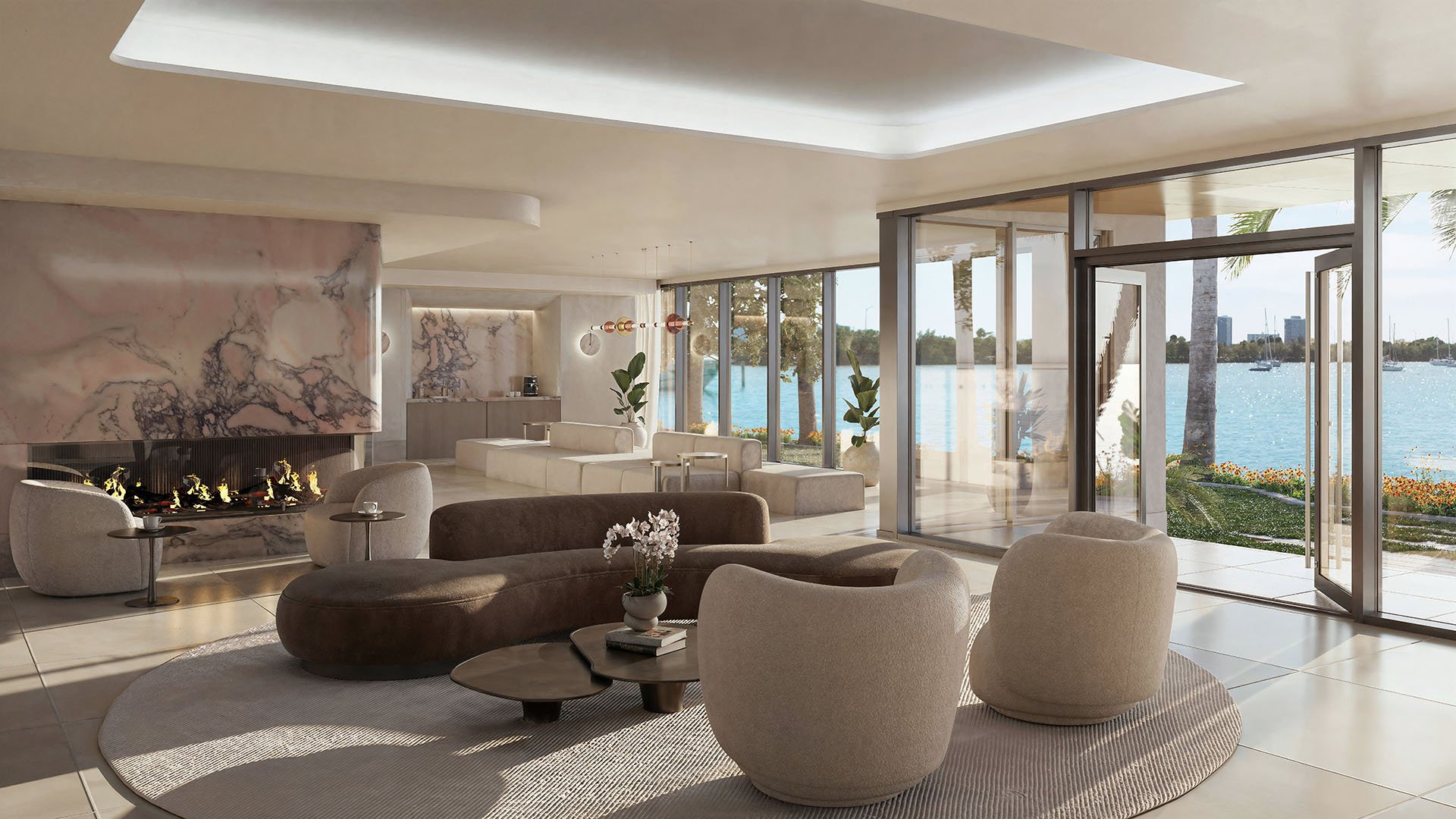
For a full-time owner, the most important luxury amenity is not always the rarest one. It is the one that remains usable on an ordinary Tuesday, after a long flight, before a morning meeting, or during a quiet weekend at home. That is why spa-floor crowding deserves close scrutiny at Tula Residences North Bay Village. A wellness level can read beautifully in renderings and sales conversations, but its real value depends on how it performs under daily residential use.
The issue is not whether a building offers a desirable wellness concept. The sharper question is whether the experience can remain composed when residents want the same services at the same times. Steam rooms, saunas, treatment rooms, fitness areas, lounges, locker areas, and relaxation spaces all carry different capacity limits. A spa floor can feel serene at one hour and strained at another.
For buyers considering a primary residence, this is not a minor detail. It affects routine, privacy, resale appeal, and the emotional texture of living in the building. A residence can have exceptional views and finishes, but if the amenity floor becomes a scheduling exercise, the ownership experience changes.
Second-home buyers often evaluate amenities through the lens of occasional use. They may care most about arrival impact, guest appeal, and the pleasure of a long weekend. Full-time owners usually apply a stricter standard. They want the spa floor to function as an extension of the home, not as a special-occasion space.
That distinction matters in North Bay Village, where waterfront living often attracts a mix of primary residents, seasonal owners, and buyers comparing multiple Miami-area lifestyles. In a North Bay Village search, the practical buyer should ask how many residents are likely to use wellness amenities regularly, when demand is expected to concentrate, and whether access protocols favor those who live there year-round.
A spa floor suited to full-time ownership should feel predictable. The owner should not need to plan every visit far in advance, avoid common hours, or compromise privacy because the building’s program is popular. The best amenity experiences are not only beautiful; they are calm, governed, and operationally disciplined.
Crowding is rarely caused by one factor. It is usually the product of several small frictions. Peak-hour fitness demand can overlap with post-work sauna use. Weekend guests can change the tone of a quiet wellness space. Treatment-room scheduling can create bottlenecks in locker areas. A relaxation lounge may be elegant yet feel exposed if circulation routes pass through it.
Buyers should look beyond square footage and ask how the space is intended to function. Is the spa floor primarily a quiet retreat, a social wellness club, or a hybrid? Are guests permitted without the resident present? Are trainers, therapists, or outside providers allowed? Are time limits enforced for high-demand areas? These policies often shape the real experience more than the architecture alone.
There is also a behavioral dimension. If a building’s residents include many people who value health, recovery, and wellness routines, the amenity floor may be heavily used even when the building itself feels quiet. Conversely, a visually ambitious spa level may remain comfortable if the community’s daily habits are dispersed across private terraces, pools, waterfront spaces, and off-site clubs.
Before committing, buyers should request the governing documents, amenity rules, and any available operational policies. The goal is not to find a perfect answer, but to understand how the building will manage competing uses. Reservation systems, guest limits, operating hours, staffing plans, cleaning intervals, and cancellation policies all reveal how carefully the residential experience is being protected.
A buyer should also ask whether the spa floor will have separate rules for residents, guests, service providers, and private events. Even occasional event use can change the character of a wellness level if access is not tightly controlled. For full-time owners, the priority is consistency. A space designed for restoration should not feel unpredictable.
In the new-construction segment, many buyers focus on finish packages, views, and deposit structures. Those factors are important, but amenity governance deserves the same level of attention. A beautifully designed wellness floor can still disappoint if its access model is vague. Conversely, a more modest amenity plan can feel highly luxurious when rules are clear and residents understand how the space is protected.
Tula Residences North Bay Village will be considered by many buyers within a broader island and bayfront context. Some will also have names such as Continuum Club & Residences North Bay Village, Shoma Bay North Bay Village, and Pagani North Bay Village in their mental comparison set. The point is not to treat these buildings as interchangeable. It is to compare the questions each project forces a buyer to ask about daily life.
For wellness-focused owners, the comparison should go beyond headline amenities. How does each building separate high-energy spaces from quiet spaces? How does the arrival sequence affect privacy? Are wellness areas designed as destinations, pass-through zones, or club-like social environments? Does the building seem oriented toward full-time occupancy, seasonal use, or a blended resident profile?
These questions are especially relevant for a second-home buyer who may later become a full-time resident. A building that works well for occasional stays may feel different when used every day. The reverse can also be true: a disciplined, residentially minded amenity program may be less theatrical at first glance but more rewarding over time.
Crowding is not only about the number of people in a room. It is also about whether the owner can maintain a sense of privacy. A spa floor can feel crowded if circulation is poorly organized, if guests congregate near treatment areas, or if residents must pass through active social zones to reach quiet amenities.
The privacy test is simple: imagine using the spa floor when you do not want to be seen, entertained, or interrupted. Can you move from elevator to locker area to wellness space without feeling exposed? Are there natural pauses and separations? Does the layout support quiet use, or does it encourage mingling?
For ultra-premium buyers, these subtleties are central. Luxury is not only access; it is access without friction. If the spa floor is intended to be part of everyday life, it should support discretion as much as indulgence.
The most useful approach is to divide the spa-floor review into three categories: physical capacity, operational control, and resident culture. Physical capacity includes layout, the number of distinct areas, circulation, locker planning, and the separation of quiet and active uses. Operational control includes rules, reservations, guest access, staffing, cleaning, and enforcement. Resident culture includes who is likely to use the spaces, how often, and at what times.
No buyer can predict every future condition. Still, careful questioning can reveal whether a building has been planned for real residential life or simply presented as a polished amenity story. The strongest wellness floors tend to combine beauty with structure. They make access feel effortless because the operational choices have already been made.
For Tula Residences North Bay Village, the prudent buyer should treat spa-floor usability as part of the due diligence package, not as a decorative benefit. If the amenity is important to your daily rhythm, ask specific questions before the emotional momentum of a purchase takes over.
Why does spa-floor crowding matter for full-time owners? Full-time owners rely on amenities as part of daily life, so inconsistent access can affect comfort, routine, and perceived value.
Can a large amenity floor still feel crowded? Yes. Layout, guest policies, peak hours, staffing, and reservation systems can matter as much as the apparent scale of the space.
What should buyers ask before purchasing? Ask about operating hours, guest access, reservation rules, staffing, cleaning schedules, private events, and enforcement.
Is crowding only a weekend issue? Not necessarily. Morning fitness periods, post-work recovery routines, holidays, and seasonal occupancy can all create pressure.
Should full-time residents view guest access differently? Yes. Generous guest privileges can be attractive, but they may reduce privacy if not managed with clear limits.
Are reservation systems always a good sign? They can be helpful, but only if they are fair, transparent, and enforced consistently for residents and guests.
How can a buyer assess privacy on a spa floor? Study the circulation, locker access, sightlines, and whether quiet areas are separated from social or high-traffic zones.
Does new construction reduce crowding risk? Not by itself. New design can help, but governance and operations determine how the amenity performs after residents move in.
Should second-home buyers care about this issue? Yes. Occasional owners may use amenities during peak leisure periods, and their needs may change if they later live there full-time.
What is the best overall test for spa-floor usability? Ask whether the amenity would feel effortless during your normal routine, not only impressive during a sales presentation.
To compare the best-fit options with clarity, connect with MILLION.
If branded residences are on your mind — as a home or as an allocation — we would be glad to share what we are seeing, privately.
Begin a quiet conversation