Branded living in North Bay Village is changing how luxury buyers weigh trust, service, design discipline, and long-term ownership confidence.
In luxury real estate, a brand is never just a name on a porte cochere. At its best, it is a promise that the building will feel coherent from the first arrival to the most ordinary weekday morning. In North Bay Village, where buyers often arrive with a precise idea of South Florida living, branded residences shift the conversation from simple acquisition to daily assurance.
The traditional buyer equation begins with location, floor plan, view, finish level, and price. Branded living adds another layer: confidence. It asks whether the residence will be managed with consistency, whether service will feel intuitive rather than improvised, and whether the design language will retain its appeal beyond the first impression. For buyers accustomed to high standards, that layer can be decisive.
This is why projects such as Continuum Club & Residences North Bay Village matter in the local conversation. The appeal is not merely that a recognizable name enters the market. It is that a recognizable name gives buyers a framework for evaluating how the residence may function, age, and feel over time.
Sophisticated buyers rarely purchase a residence because of a logo alone. They purchase because the logo suggests a system. That system may include hospitality instincts, architectural restraint, amenity programming, interior cohesion, or a particular standard of privacy. The brand becomes shorthand for what should happen when the elevator opens, when guests arrive, when maintenance is needed, and when the building is judged years later by the next buyer.
In this sense, branded living can reduce ambiguity. A conventional condominium may require the buyer to interpret the developer, architect, operator, and management plan separately. A branded residence, by contrast, invites the buyer to assess whether the entire experience is aligned. The question becomes less, “Is this beautiful today?” and more, “Will this remain disciplined, legible, and desirable?”
That distinction is especially relevant in a market where buyers compare multiple versions of luxury. A residence linked to design, hospitality, or performance culture carries an implicit narrative. Pagani North Bay Village, for example, enters the buyer’s imagination differently from a purely anonymous tower. The brand becomes part of the emotional architecture, shaping expectations before the first private tour.
Luxury buyers are accustomed to paying for rarity, but branded living reframes what rarity means. It is not only a larger terrace, a higher floor, or a more dramatic arrival sequence. It is the feeling that the residence belongs to an intentional world. That world still needs to be tested, but it can make the purchase feel more complete.
The premium, when a buyer perceives one, is often psychological. It rests on trust, clarity, and reduced friction. A branded building may help a second-home buyer feel that the property can be enjoyed with less uncertainty. It may help a primary resident feel that daily life will be supported by a service culture rather than left to chance. It may help an investor-minded owner believe that the residence will be easier to explain when the time comes to resell.
None of this replaces due diligence. Buyers should still examine association structure, operating costs, delivery standards, rules, design selections, and long-term maintenance philosophy. But the brand can give those questions a sharper frame. It defines what should be true, then invites verification.
The most effective comparison begins with lifestyle, not spectacle. Does the buyer want hotel-style energy or residential quiet? Is the priority privacy, social programming, wellness, marina proximity, design identity, or lock-and-leave convenience? Branded residences are not interchangeable, and the wrong brand fit can feel as limiting as the wrong floor plan.
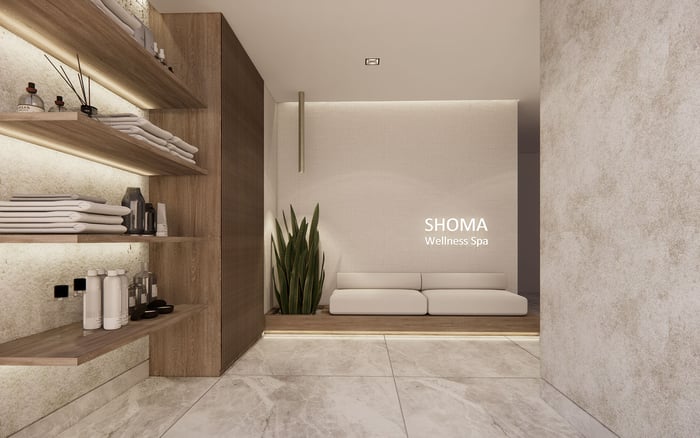
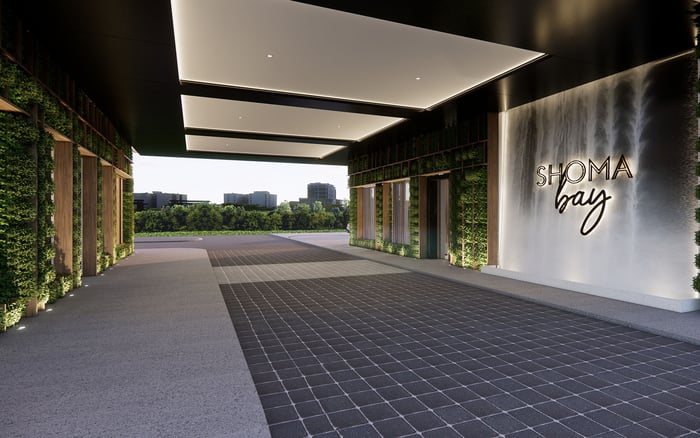
A buyer looking at Shoma Bay North Bay Village may be weighing a different set of preferences than a buyer focused on The Ritz-Carlton Residences® North Bay Village. The names alone create different expectations. The proper task is to translate those expectations into daily questions: How formal is the arrival? How private does the amenity experience feel? How resilient is the design language? How will guests understand the building before they ever enter the residence?
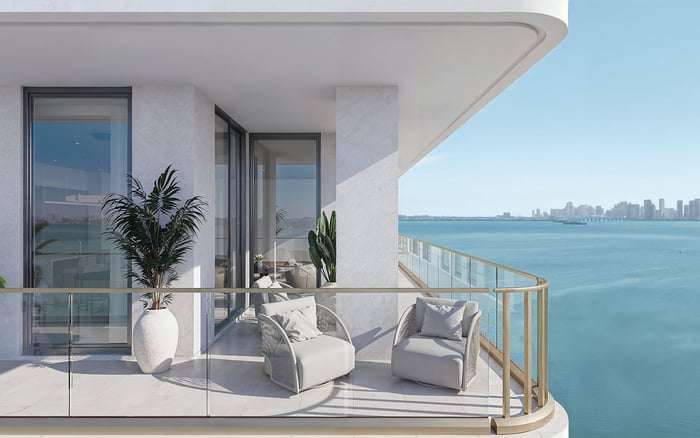
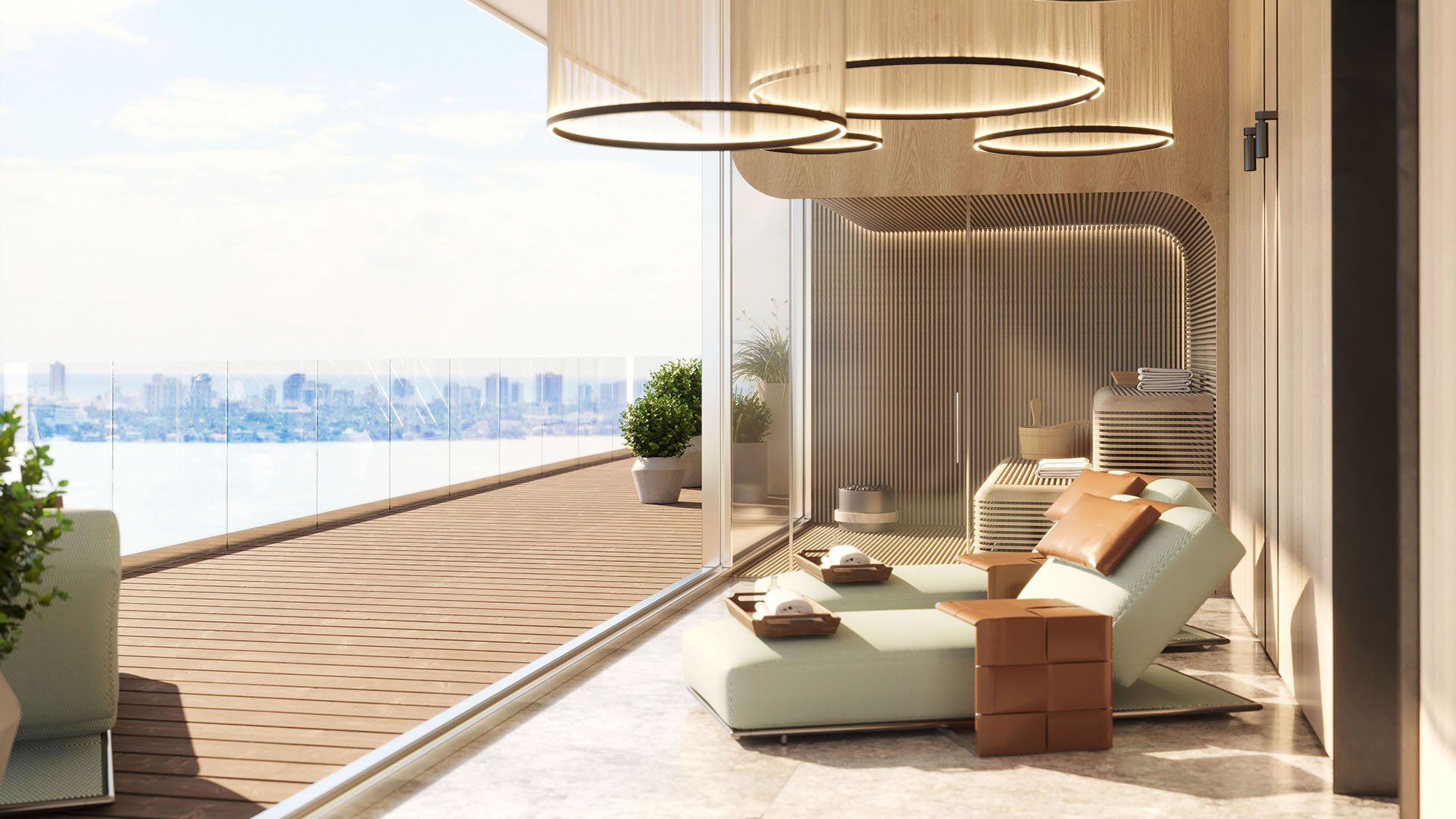
Waterview expectations should also be evaluated with discipline. A buyer should consider orientation, sight lines, privacy, glare, noise, and how the residence feels at different times of day. A view is not simply scenery. It is part of the interior atmosphere, part of the resale story, and part of the reason a branded residence may feel more complete.
Branded residences can make a property easier to describe. That may sound simple, but in luxury resale, clarity has value. A buyer deciding between similar residences often responds to a story that is concise, credible, and emotionally specific. A recognized brand can serve as that story’s opening line.
This does not guarantee performance, nor should it be treated as a substitute for fundamentals. A branded residence still depends on execution, governance, maintenance, neighborhood perception, and the quality of the individual home. Yet brand identity can help preserve attention in a crowded field. It gives brokers, owners, and future buyers a language for the asset.
A North Bay Village search often understates the nuance of this local decision. Buyers are not only choosing a point on the map. They are choosing a version of South Florida life, with its own rhythm, level of discretion, and relationship to the water.
The most important test of branded living is not the launch event. It is the fifth year of ownership. Does the lobby still feel fresh? Does the staff culture remain consistent? Do the common areas feel calm and maintained? Do owners feel that the building’s identity has deepened rather than faded?
This is where a buyer must look past renderings and into operating philosophy. The right branded residence should feel inevitable, as though the brand and the building belong together. When that happens, the residence becomes more than a fashionable address. It becomes a durable private environment.
For North Bay Village buyers, the opportunity is to be selective. Branded living can sharpen the purchase decision, but only if the buyer understands what the brand is meant to solve. The best choice is not necessarily the most famous name. It is the building whose promise matches the owner’s daily life.
Does branded living automatically make a residence better? No. A brand can add clarity and confidence, but the residence still depends on execution, management, design quality, and fit.
Why is North Bay Village attracting branded-residence attention? Buyers increasingly view North Bay Village as a setting where service, privacy, and water-oriented living can be evaluated together.
How should I compare two branded residences? Start with lifestyle requirements, then compare management approach, amenity culture, residence layout, view quality, and long-term costs.
Is a hospitality brand different from a design brand? Yes. Hospitality brands often emphasize service and experience, while design brands may place more weight on aesthetics and identity.
Should the brand influence resale expectations? It can help a residence tell a clearer story, but resale still depends on market conditions, building quality, and the individual home.
What does waterview mean in practical buyer terms? It should be tested from inside the residence, considering sight lines, light, privacy, and how the view supports daily living.
How should a buyer compare new-construction choices? Review the developer’s delivery standards, projected operating costs, finish specifications, governance, and the credibility of the overall plan.
Is North Bay Village a useful search focus for buyers? It can be useful online, but serious buyers should evaluate the specific building, exposure, residence line, and ownership experience.
Can branded living suit a primary residence buyer? Yes. The right brand can support daily convenience, privacy, and consistency, not only seasonal or second-home use.
What is the most important due-diligence question? Ask whether the brand promise is supported by the building’s actual operations, physical design, and long-term ownership structure.
When you're ready to tour or underwrite the options, connect with MILLION.
If branded residences are on your mind — as a home or as an allocation — we would be glad to share what we are seeing, privately.
Begin a quiet conversation