Seven South Florida buildings where orientation, glazing, and floorplate decisions prioritize daylight and manage heat, privacy, and views for luxury buyers.
In South Florida, “natural light” isn’t a generic amenity-it’s a calibrated design variable that must perform in a high-sun, high-reflectance environment where water, sand, and glass can amplify brightness, glare, and heat at once. The most sophisticated new developments treat exposure as a form of customization, shaping the building, floorplate, and window walls so daylight reads as intentional from morning through late afternoon.
For buyers, custom exposure angles are also about lifestyle. East-facing light can feel crisp and restorative; west-facing light can be cinematic but demands stronger glare management; north light is often the most even for art; and south exposure can stay luminous all day when the façade remains disciplined. The best projects don’t simply chase views. They choreograph them-and then protect interiors with the right geometry: rotated towers, tapered edges, corner glazing, and terraces that function as light shelves.
The difference between a bright residence and a beautifully daylit one is usually geometry. Developers and architects rely on a limited but powerful set of moves to tune daylight quality.
First is massing and rotation. A tower that subtly pivots can distribute premium exposures across more residences, giving more living rooms direct water or skyline light while reducing the harshest sun angles. Second is the floorplate: slimmer, more elongated plans allow windows on multiple sides, increasing cross-light and making interiors feel naturally legible.
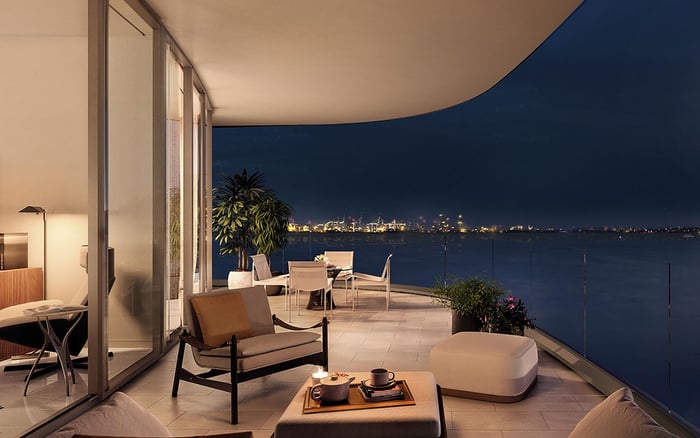
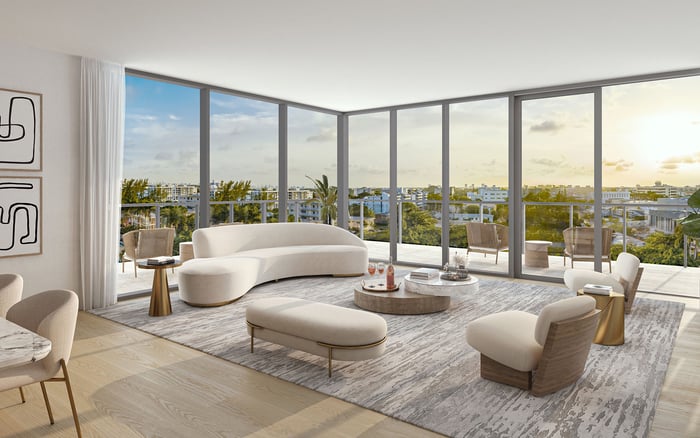
Third is fenestration strategy-larger spans of glass, corner conditions, and consistent sill heights that keep the horizon present even when seated. Finally, terrace and balcony depths aren’t only for outdoor living. When designed properly, they become environmental devices that shade the glass and soften midday intensity.
This is where a buyer’s priorities become practical. If you collect art, host dinners, or work from home, the most valuable “upgrade” may be a predictable light pattern throughout the day-not the brightest possible room at noon.
1. Brickell waterfront tower - angled skyline and bay capture
Rotated massing and refined glazing strategies are increasingly used in Brickell to maximize both bay light and city sparkle-without turning living rooms into afternoon glare boxes. The best executions feel calm, with daylight that stays flattering as the sun moves.
For buyers who want strong daylight while remaining close to Brickell’s core, the category is exemplified by projects like Una Residences Brickell, where orientation and façade decisions sit at the center of the lifestyle proposition.
2. Miami Beach oceanfront silhouette - sunrise-first living
On Miami Beach, optimizing light often means privileging the morning. East exposure delivers a clean, early-day glow and tends to keep interiors cooler later-an important consideration when residences are designed around floor-to-ceiling glass.
A Miami Beach approach is to treat ocean light as a primary interior material: soft, directional, and always changing. In that context, oceanfront addresses such as 57 Ocean Miami Beach reflect the broader intent-bring in sunrise light while maintaining a composed, private interior mood.
3. Surfside’s refined profile - even light for art-forward interiors
Surfside has become a destination for buyers who want discretion and a gallery-like quality of daylight. North and northeast exposures can be especially appealing here, producing consistent brightness that flatters finishes and artwork without the same level of glare management required by full west exposure.
In this neighborhood, the most compelling buildings tend to treat façades and terrace lines as tools to modulate light-not simply provide outdoor space. That sensibility aligns with the positioning of The Perigon Miami Beach, where coastal light and restraint are part of the appeal.
4. Hallandale Beach’s ocean orientation - calibrated brightness with privacy
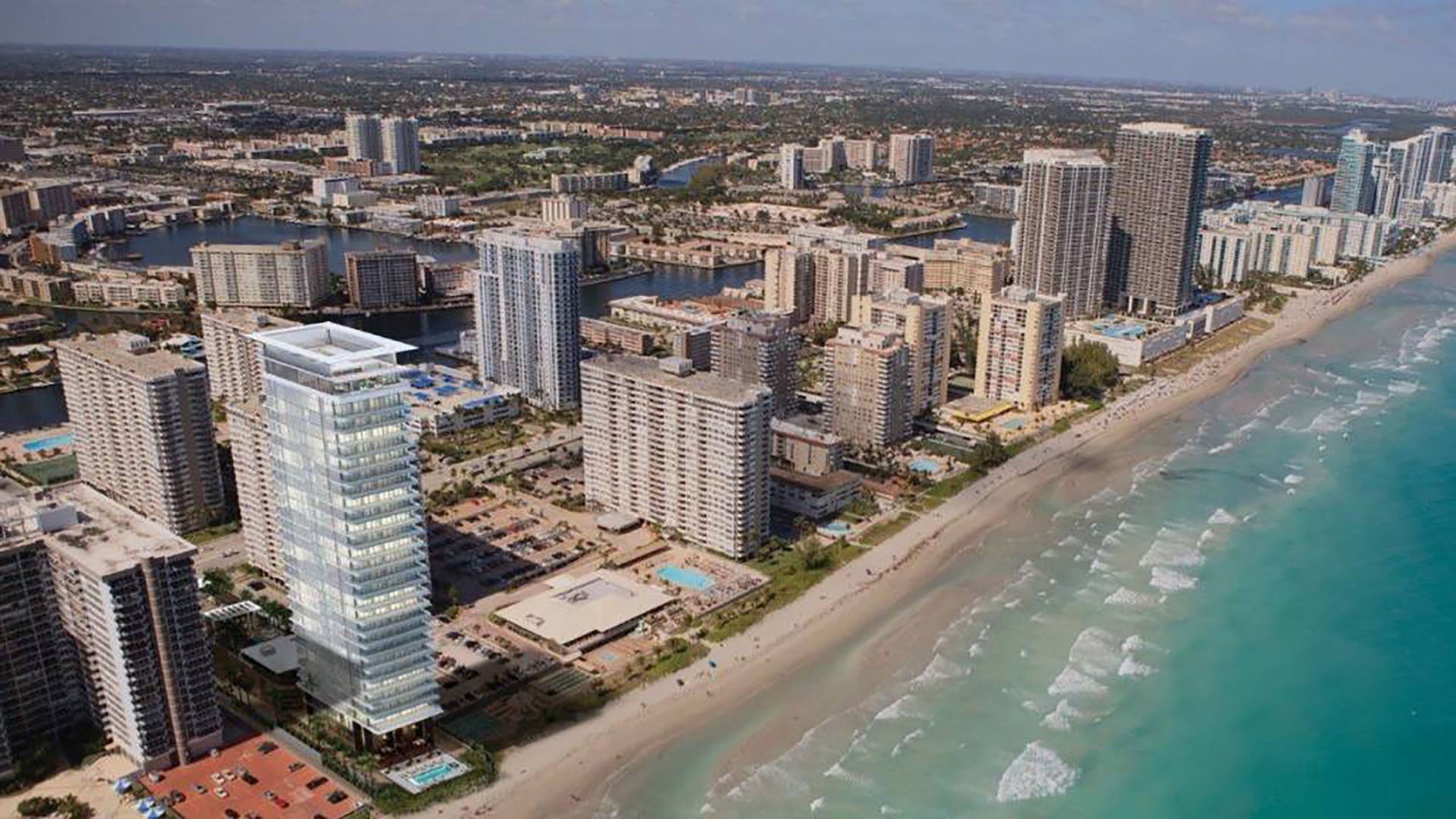
Further north, the daylight conversation shifts to balancing panoramic water light with privacy and thermal comfort. Oceanfront towers can produce exceptionally bright interiors, but the best residences feel serene-not overexposed.
A strong example of this coastal calibration is 2000 Ocean Hallandale Beach, where the promise is not only view corridors, but also a more controlled relationship between glass, terraces, and the shifting angle of sun off the Atlantic.
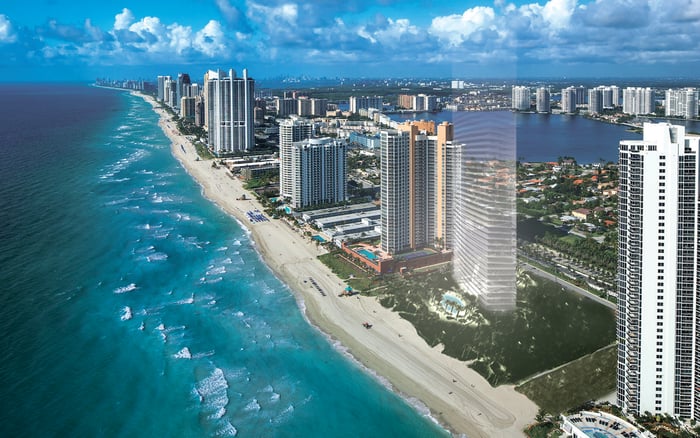
5. Sunny Isles’ vertical view strategy - corner light and long horizons
Sunny Isles is inherently about horizon, and custom exposure often shows up through corner conditions and long, glassy spans designed to keep the ocean present across the full width of the living room. More refined strategies also anticipate how late-day sun can bounce off neighboring towers and water.
In this market, the most livable “bright” homes are typically those that deliver multi-directional light and a sense of separation between interior seating zones and the hottest direct angles.
6. Bay Harbor Islands’ boutique daylight - softer glare, higher everyday usability
Bay Harbor Islands appeals to buyers who want waterfront proximity with a quieter, more residential rhythm. Here, optimizing light is less about spectacle and more about daily usability: morning light in bedrooms, even ambient light in kitchens, and shaded outdoor rooms that function year-round.
Boutique-scale residences such as Onda Bay Harbor capture that intent well: light designed to support routine, not just impress on arrival.
7. West Palm Beach’s urban waterfront - daylight with a tailored skyline frame
In West Palm Beach, exposure angles often aim to pair water brightness with a more urban sense of framing. Buyers who are sensitive to glare may prefer buildings that shape terraces and window walls to keep interiors luminous while protecting the most-used seating and dining areas.
For those tracking the city’s most design-forward inventory, Alba West Palm Beach sits within a wave of projects that position daylight as a central component of luxury-especially where the waterfront and skyline intersect.
Start with the simplest question: what time of day will you actually be home? Morning people experience their residence very differently than buyers who return after late meetings or spend afternoons at home.
When touring, stand in the living room and face the primary glazing. Note whether the brightest zone lands where you would naturally place seating. If the most intense light hits the natural “TV wall” or the dining table, you’ll rely more heavily on shades and artificial lighting, which changes the experience.
Ask to see the residence with shades fully open and lights off. Pay attention to color temperature: does the room feel cool and clear, or warm and dramatic? Neither is objectively better-but one will align more naturally with your taste and art collection.
Finally, evaluate the terrace as part of the daylight system. A well-proportioned balcony can make interiors feel calmer by reducing direct solar gain and controlling reflections, while still allowing the room to read as bright and expansive.
Brickell’s towers often prioritize a mix of bay and skyline. Depending on the angle, you may get brilliant water light without the full brunt of late-day sun. If you value sunset drama, be realistic about glare management and heat control, especially in all-glass living rooms.
Miami-beach tends to reward early light and oceanfront openness. Sunrise exposure can feel quietly luxurious because it produces a bright morning without necessarily overheating the space later. The best residences feel uplifting at breakfast and still composed at cocktail hour.
Surfside skews toward restraint and even illumination, which many buyers find more “finished.” If you’re furnishing with light woods, stone, and art-forward pieces, this kind of daylight can make a home feel consistently curated.
Look for corner living rooms that do more than add glass. The strongest corners are configured so the room still has solid walls for art and furniture placement, with glazing that frames the view rather than overwhelming it. Deep terraces, subtle façade steps, and intentional ceiling heights matter, too, because they shape how light travels.
Pay attention to plan depth. If bedrooms and living areas are pushed against exterior walls with limited internal corridors, daylight will read as purposeful and the home will feel larger. Conversely, deep interior zones can require artificial light even at midday, which diminishes the value of a view-heavy façade.
If you’re shopping for a primary residence, consider how light affects work-from-home routines. North or northeast exposure often delivers stable, flattering light for video calls and long desk sessions, while west exposure can be visually stunning but more variable.
What does “custom exposure angles” mean in a condo tower? It refers to how a building’s shape, rotation, and façade geometry aim residences toward specific light and view corridors.
Is east-facing always best for natural light in South Florida? East exposure offers strong morning light and can be calmer later in the day, but the ideal choice depends on your schedule.
Why do some bright units still feel uncomfortable? Excessive glare, reflections off water, and poorly shaded glass can make a space feel harsh even when it is visually bright.
Does a bigger window wall automatically mean better daylight? Not necessarily; comfort depends on orientation, terrace shading, and how light lands on the room’s primary living zones.
How can I tell if a terrace improves interior light? A well-sized terrace softens midday sun and reduces glare while still allowing the room to read as naturally luminous.
What exposure is best for displaying art? Many collectors prefer north or northeast light because it is more even and predictable across the day.
Are corner units always brighter than mid-stack residences? Corners often gain a second exposure, but brightness and usability still depend on sun angle, glazing, and plan layout.
How should I tour for daylight if the unit is staged with lights on? Ask to turn off artificial lighting and open shades fully so you can judge the true color and intensity of daylight.
Does water frontage change how light behaves indoors? Yes; water can reflect and amplify brightness, so the best buildings pair views with shading and glare control.
What is the simplest way to choose an exposure as a buyer? Match the home’s brightest hours to your daily routine, then confirm comfort by standing in the living room with shades open.
If you'd like a private walkthrough and a curated shortlist, connect with MILLION Luxury.
If branded residences are on your mind — as a home or as an allocation — we would be glad to share what we are seeing, privately.
Begin a quiet conversation