From Vizcaya to Whitehall, Florida’s most storied estates reveal how architecture, provenance, and scarcity translate into modern luxury pricing power, especially in South Florida.
South Florida buyers rarely shop for square footage alone. At the ultra-prime end, the real decision is permanence: architecture that feels inevitable, land that cannot be replicated, and a story strong enough to outlast trend cycles. Florida’s best-known legacy estates, whether preserved as museums, operated as institutions, or reimagined through modern hospitality and branded residential models, remain the blueprint for how prestige is built and defended.
These properties also make a central truth easier to see. In ultra-prime real estate, “value” is not always a spreadsheet exercise. When an asset is truly one-of-one, appraisal becomes interpretation. Fame, irreplaceable waterfront frontage, and cultural weight can change the outcome as much as finishes and floor plans. In the background, preservation rules, institutional stewardship, and operating economics often decide what survives, what gets restored, and what gets replaced.
For the South Florida market, the takeaway is direct: history functions as an asset class. It can support premiums, reinforce demand through cycles, and create a legible “why here” story that new construction often has to manufacture. Even when a buyer never intends to live in a museum-scale residence, the legacy estate ecosystem shapes pricing psychology across Miami Beach, Palm Beach, and the coastal corridors where scarcity is structural.
Below are eight legacy properties and districts that continue to influence how Florida, and especially Miami Beach and Palm Beach, define prestige.
1. Vizcaya Museum & Gardens - Deering’s 54-room waterfront estate Commissioned by industrial heir James Deering, Vizcaya is widely described as a 54-room Italian Renaissance inspired estate on Biscayne Bay, built primarily between 1914 and 1922. The often-cited 45,000+ square feet is not just trivia. It signals that South Florida’s appetite for trophy-scale residential ambition predates today’s towers, and it explains why the waterfront estate archetype still carries authority in Miami.
Vizcaya is also a clear study in labor and ambition. Construction is reported at roughly $15 million in early 20th-century dollars and involved a large workforce often cited at around 1,000 workers, with accounts noting many workers were Black immigrants from the Bahamas. The estate’s current life as a public institution matters for the market because it demonstrates a workable stewardship model: legacy can be maintained when the mission expands beyond private use, and when operational structure supports long-term care.
2. Whitehall (Henry Morrison Flagler Museum) - Palm Beach’s 75-room Gilded Age statement Built by Henry Flagler, Whitehall is cited as a 75-room mansion that now functions as the Flagler Museum. As a market signal, it distills the Palm Beach proposition into one property: old-world formality, designed arrival, and a lifestyle shaped by social architecture as much as domestic architecture. In South Florida, that “arrival sequence” mentality is still visible in how trophy estates and boutique condominium lobbies are staged.
Whitehall also reveals the revenue logic of preservation. As a preserved institution, it uses paid admission and curated experiences such as the Flagler Kenan Pavilion with Railcar No. 91. For luxury real estate observers, the lesson is not about ticketing. It is that preservation requires a business model. When a property’s identity is maintained and monetized responsibly, the long-term result is durable cultural relevance, which becomes a compounding advantage for the surrounding market.
3. Mar-a-Lago - The 126-room “Sea-to-Lake” icon Mar-a-Lago is described as a 126-room estate built for Marjorie Merriweather Post, with a name inspired by its “Sea-to-Lake” setting. Its modern relevance is not only cultural visibility, but the way it demonstrates the challenge of pricing a one-of-one property. When a home operates partly as real estate and partly as an institution with broad recognition, the normal comparison set falls apart.
In legal and financial contexts, Mar-a-Lago has been used as an example of how valuations can be highly subjective when comparables are scarce and the asset is part real estate, part brand, part institution. That dynamic should feel familiar in South Florida, where buyers routinely assign value to narrative, membership access, and status adjacency. The market takeaway is simple: the fewer true substitutes an asset has, the more valuation becomes a function of interpretation and intent.
4. Ca’ d’Zan (The Ringling, Sarasota) - A mid-1920s Venetian Gothic landmark Built for John and Mable Ringling in the mid-1920s, Ca’ d’Zan is preserved as part of The Ringling cultural campus. It is commonly reported to have cost about $1.65 million to build, a reminder that headline numbers and prestige construction budgets are not new to Florida. Even outside the Miami corridor, the property illustrates the statewide roots of the design expectations that later concentrated in South Florida.
Its enduring influence is architectural. The estate normalized the idea that Florida could host European-scale design with theatrical waterfront presence. That mindset continues to underpin today’s statement properties, especially in markets like Miami Beach where waterfront frontage is limited and the buyer pool is global. Ca’ d’Zan reinforces the throughline: aspiration travels, and once a region proves it can carry a certain scale of design, the market keeps pricing for it.
5. Bonnet House Museum & Gardens - Fort Lauderdale’s rare artist home/studio Bonnet House was created as a home and studio for artist Frederic Clay Bartlett and is positioned as one of the few artist homes/studios open to the public in South Florida. It represents a different kind of luxury artifact. The prestige is not based on size. It is based on intimacy, curation, and a lived-in cultural point of view that feels difficult to reproduce.
Its admissions model, including listed adult self-guided and guided tour pricing, shows how historic properties convert relevance into upkeep, staffing, and garden stewardship. For the South Florida buyer, it is a reminder that lifestyle value can come from more than oceanfront scale. In a region dominated by new product, places like Bonnet House prove that distinctive character can become its own scarcity driver.
6. The Casements (Ormond Beach) - Rockefeller-linked legacy with civic access The Casements is strongly associated with John D. Rockefeller, Sr., who purchased it in 1918. Promoted as a Rockefeller-linked historic site, it is often noted in tourism materials as free to visit. While Ormond Beach sits outside the Miami and Palm Beach core, the preservation logic is relevant statewide and instructive for South Florida.
For luxury real estate observers, the point is structural. Municipal or civic involvement can be the decisive factor that keeps a legacy property intact when redevelopment pressure would otherwise be relentless. This is the quiet counterweight to land value. In South Florida, where zoning, neighborhood advocacy, and civic priorities shape what can be built, understanding the role of public stewardship helps explain why some character remains while other sites are rapidly transformed.
7. Miami Beach Art Deco Historic District - Preservation as a pricing differentiator Miami Beach’s Art Deco Historic District is frequently discussed as a market advantage, where historic character functions as a differentiator that supports premium pricing. For buyers who want the “why here” story to be visible from the curb, protected design language can translate into sustained desirability. In a market that moves quickly, that kind of visual certainty matters.
This is also where policy intersects with aesthetics. The Federal Historic Preservation Tax Incentives framework is commonly summarized as a 20% tax credit for certified rehabilitation of qualifying income-producing historic properties, helping explain why some legacy buildings are upgraded instead of erased. The district illustrates a broader Miami reality: preservation does not freeze a neighborhood in time, but it can protect the ingredients that make demand more resilient.
8. Rosewood Residences at The Raleigh - Heritage restoration plus 44 new residences Rosewood Residences at The Raleigh is presented as a major “historic-meets-new” redevelopment: restoration of iconic structures paired with a new tower concept with 44 private residences. The site has been described at about 3.04 acres with roughly 200 linear feet of oceanfront, a level of physical scarcity that cannot be replicated.
Marketing coverage has included reports of ultra-high asking numbers, including a cited $150 million penthouse ask. Regardless of where the market ultimately clears, the underlying lesson is clear. “Heritage plus brand plus beachfront” can push valuation conversations into nine figures because each component reduces substitution. In Miami Beach, where oceanfront land is finite and historic identity carries global recognition, projects that combine restoration with luxury positioning tend to command disproportionate attention.
Three dynamics show up across the list, and each applies directly to today’s South Florida purchase decisions.
First, scarcity is not only acreage or room count. It is narrative scarcity. A 54-room waterfront estate like Vizcaya or a 126-room icon like Mar-a-Lago cannot be comped the way a typical residence can. That is why one-of-one properties can trigger widely divergent valuations depending on the purpose of the appraisal, the assumed use, and the buyer’s personal utility. In practice, the buyer is not just purchasing a home. They are purchasing a position in a cultural hierarchy, and that position can be priced differently by different stakeholders.
Second, preservation has economics. Museums and historic sites survive because they have a structure: admissions, memberships, events, donors, and often public support. The implication for private buyers is subtle but important. When you buy into a neighborhood with protected character or a strong cultural halo, you are effectively buying into a system that defends differentiation. Distinct neighborhoods can maintain demand through cycles because the experience remains legible and difficult to duplicate.
Third, Florida’s luxury DNA is intentionally imported, then refined locally. Palm Beach’s Mediterranean Revival legacy, often associated with architect Addison Mizner, helped normalize old-world references as a local language. Preservation research also highlights the historic practice of incorporating authentic European architectural elements into Florida estates, an early form of provenance signaling that still resonates with global buyers. In Miami, that same logic is visible in the premium assigned to design pedigree, curated materials, and settings that feel “collected” rather than merely built.
Taken together, the estates clarify how South Florida luxury pricing is formed. Land scarcity sets the floor. Design and narrative set the ceiling. Policy and stewardship determine whether character becomes an enduring advantage or a temporary phase.
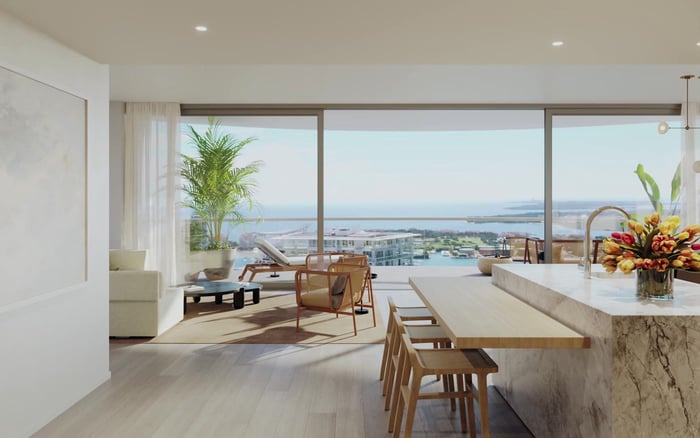
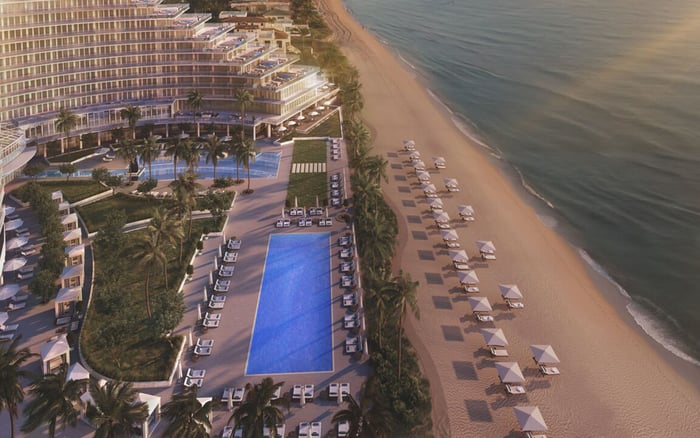
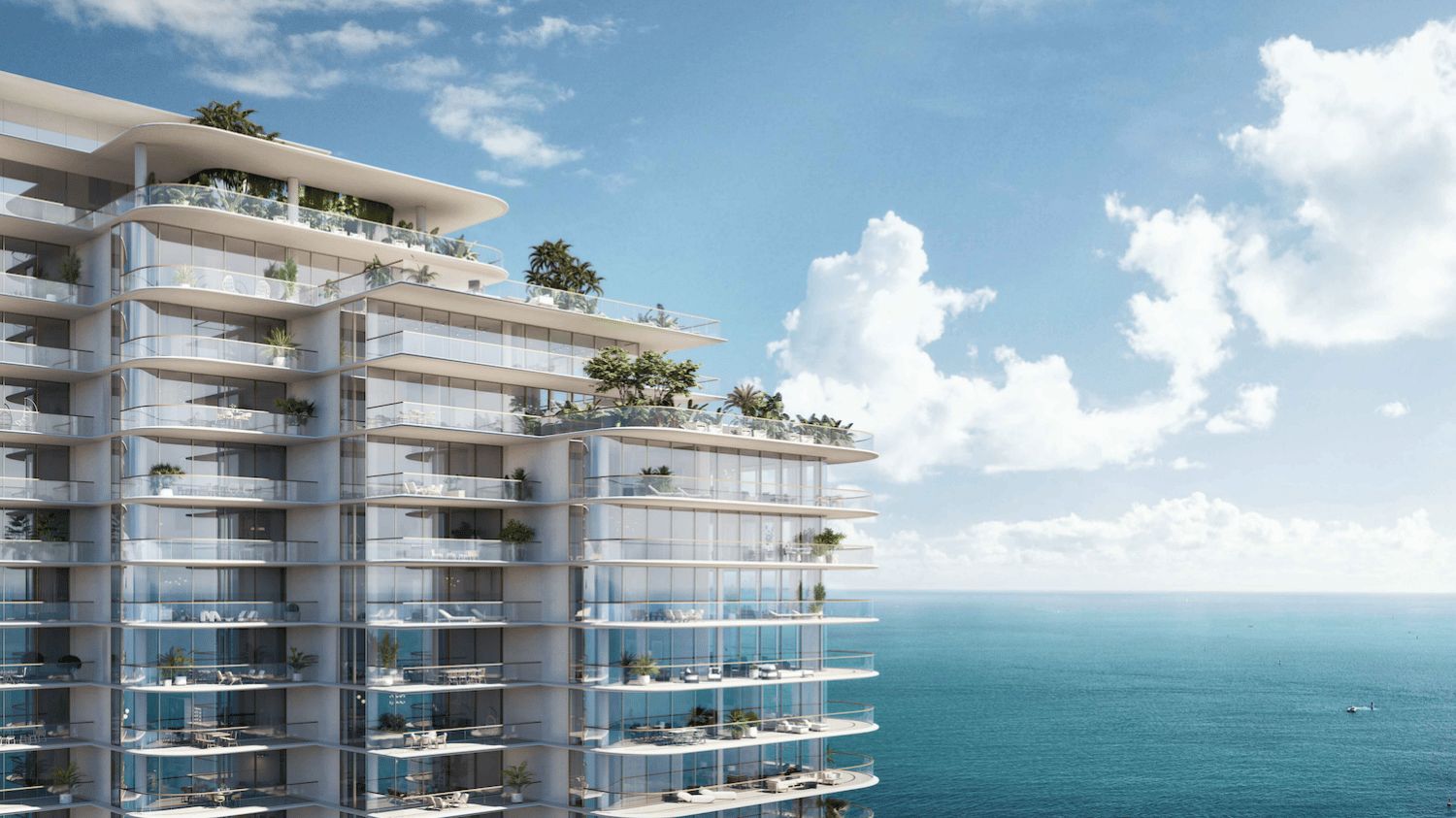
Miami-beach is where legacy and liquidity most visibly converge. Historic districts and iconic hotels create a cultural baseline, while new branded residences monetize that baseline through privacy, service, and design. The market is effectively blending two buyer desires: the status of history and the efficiency of modern operations.
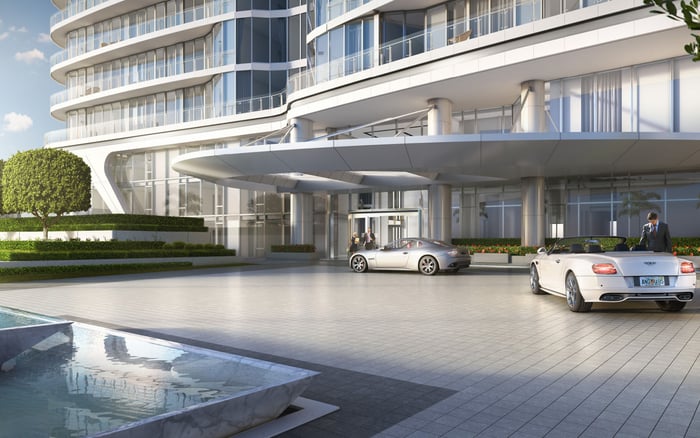
For buyers who want a contemporary expression of heritage and beachfront positioning, consider how projects such as Shore Club Private Collections Miami Beach and The Ritz-Carlton Residences® Miami Beach translate “institutional quality” into residential experience. The product is not simply oceanfront views. It is the promise that arrival, staffing, and finishes feel curated rather than transactional, and that daily living is supported by a service framework buyers already understand.
A parallel lane is Miami’s ultra-design-forward, art-led lifestyle positioning. Faena House Miami Beach and Setai Residences Miami Beach show how service and brand narrative can function as modern provenance, especially for buyers who split time across global capitals and want predictability without sameness. In this context, “legacy” is not only about age. It is about repeatable excellence and a story the market recognizes.
What connects these projects back to the legacy estates is the same value equation: scarcity plus narrative plus execution. Miami Beach cannot manufacture more coastline. It can, however, decide how to frame and steward what exists, and that framing is where price resilience often lives.
Legacy does not always win. Miami coverage of Al Capone’s Palm Island estate, and its planned demolition and redevelopment, underscores the opposite force: in certain corridors, land value and redevelopment potential can outweigh a property’s infamous narrative. Even when a site has name recognition, the market can still choose newness if the policy environment and highest-and-best-use math support it.
For the South Florida market, this matters in two ways. First, it demonstrates that “historic” is not automatically “protected.” Second, it clarifies why protected districts and formal preservation frameworks can act as a moat for character. When policy is absent, the definition of highest and best use can change abruptly, and the market will often default to what can be built rather than what once happened there.
This counter-signal is also a practical guide for buyers who care about long-term neighborhood identity. The question is not whether a property has a story. The question is whether there is a mechanism that keeps that story visible and durable across ownership changes.
Palm-beach’s legacy properties, exemplified by Whitehall, reflect a long-running equation: formal architecture plus cultural stewardship equals enduring status. That culture attracts buyers who value continuity, and it supports a service economy built around discretion. In South Florida, where luxury is often delivered through experience as much as real estate, that service ecosystem is part of the value proposition.
Fort-lauderdale’s example, through Bonnet House, is different but equally instructive. It shows how a city’s identity can include preserved, visitable estates that anchor neighborhood meaning beyond new construction. For private buyers, that translates into a form of lifestyle infrastructure: places that make a community feel authored, not accidental. The more a market can protect and maintain those anchors, the more it can defend its premium against the inevitable influx of new inventory.
Across Miami Beach, Palm Beach, and Fort Lauderdale, the common thread is that preservation is not nostalgia. It is a market tool. It protects visual identity, reinforces neighborhood narrative, and creates a scarcity premium that cannot be replicated by amenities alone.
Are these properties for sale today? Most are museums, institutions, or historic sites rather than typical private listings. Their importance is as a market signal: what Florida preserves, it continues to value.
Why do one-of-one estates create valuation controversy? Comparable sales are limited, and the property’s value can depend on assumed use, brand effect, and scarcity factors, making appraisals inherently interpretive.
How does preservation policy affect luxury pricing? Protected districts and rehabilitation incentives can keep character intact, which can support premium pricing by maintaining differentiation over time.
What should a buyer look for if they want legacy without a museum-scale home? Prioritize irreplaceable attributes: true oceanfront positioning, enduring architecture, and a neighborhood with protected identity or strong cultural anchors.
Explore more South Florida intelligence with MILLION Luxury.
If branded residences are on your mind — as a home or as an allocation — we would be glad to share what we are seeing, privately.
Begin a quiet conversation