A discreet, buyer-oriented guide to backup power in South Florida, covering whole-home standby generators, battery storage, condo constraints, permitting, and resilience planning for coastal living.
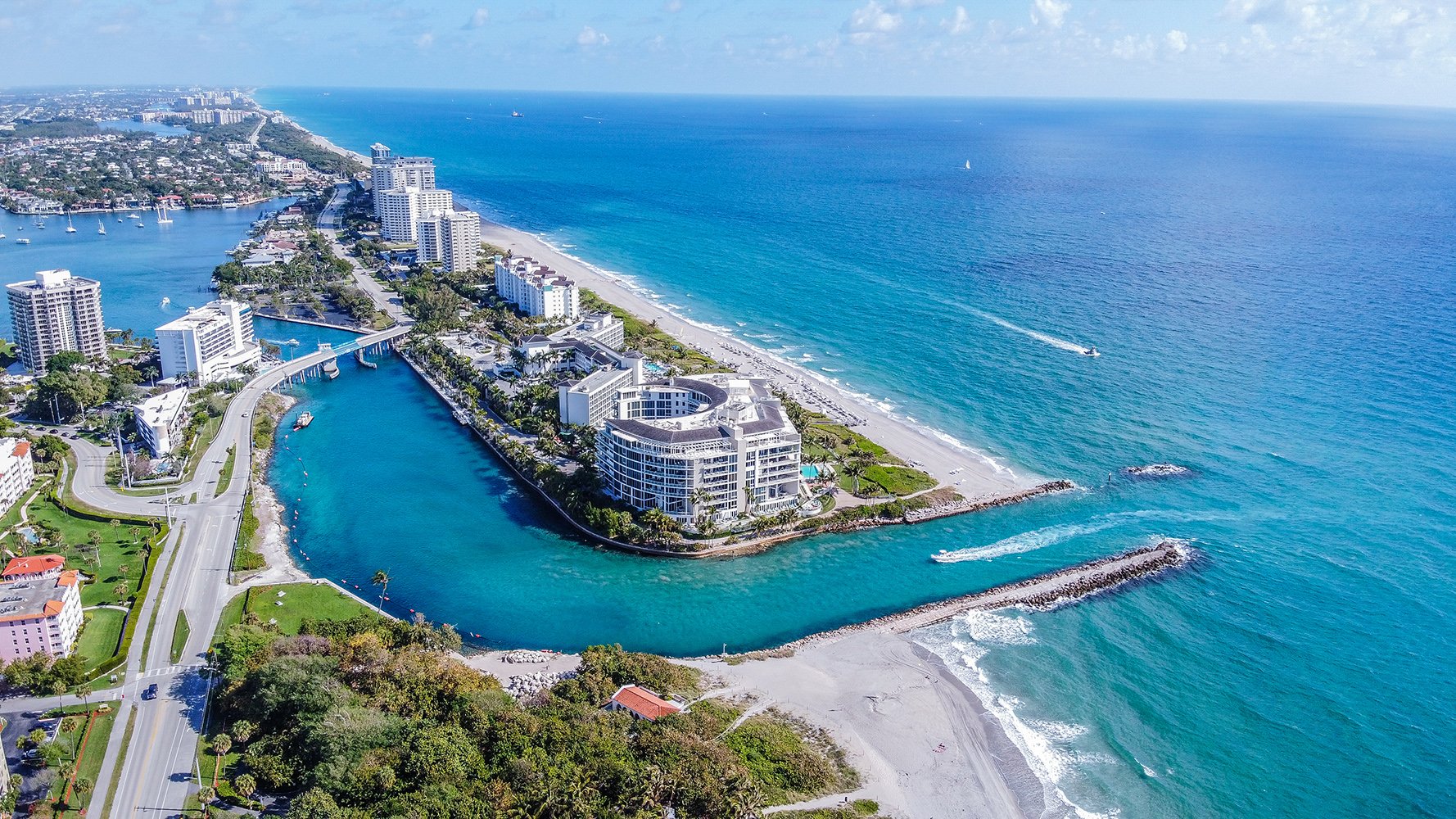
In South Florida, resilience is no longer an afterthought reserved for storm season. It is a quality-of-life decision that touches everything from climate control and security systems to wine storage, elevator access, and the quiet continuity of daily routines.
Nationally, electricity customers averaged about 11 hours of interruptions in 2024, with major events accounting for a large share of outage hours. Locally, reliability is tracked carefully, but even strong year-over-year performance does not erase the realities of lightning, vegetation, equipment issues, animals, and coastal salt spray. Those momentary “flickers” can be merely annoying, or they can be consequential for sensitive electronics and automated home systems.
For an ultra-premium buyer, the question is less “Will the power go out?” and more “What must remain seamless when it does?”
Backup power feels elegant when it is properly scoped. Start with three lists:
Always-on loads: refrigeration, basic lighting, Wi‑Fi, security, garage gate, medical devices.
Comfort loads: partial air conditioning, one or two zones, ceiling fans, hot water, laundry.
Luxury continuity: full-home HVAC, elevator, pool systems, motorized shades, AV racks, wine room, home office, and a kitchen that can truly function.
This hierarchy determines whether you are designing for a few essential circuits, a curated “priority panel,” or a true whole-home solution. It also clarifies the acceptable switchover experience. Batteries can be near-instantaneous. Generators typically start automatically, but there is still a brief transition.
A standby generator is permanently installed and designed to start automatically during an outage via an automatic transfer switch. In luxury single-family homes, this is often the cleanest way to preserve a familiar lifestyle - especially when air conditioning is treated as essential rather than optional.
A common whole-home class in the residential standby market is around 22 kW. That number is not a rule; it is a useful reference point that often aligns with broader coverage in a typical home when paired with correct load management and thoughtful electrical design. Fuel planning matters as much as wattage. Multi-day events become an exercise in consumption, resupply, and the realities of how hard you are asking the generator to work.
Cost is inherently site-specific, but a typical whole-house standby generator project is often cited in the approximate range of $11,500 to $33,500, depending on scope, labor, permitting, and conditions. The spectrum is wide by design: service upgrades, trenching, placement constraints, sound considerations, and aesthetic screening all change the outcome.
For buyers evaluating properties, a professionally installed standby system can read like a hidden amenity - particularly when it is integrated into landscaping and acoustics rather than treated as an after-market add-on.
Portable generators remain popular because they can be acquired quickly and deployed as needed, but they typically require manual operation, refueling, and hands-on management during the outage. Inverter generators can deliver “cleaner” power suitable for sensitive electronics, but they are still portable by nature and still depend on manual fuel handling.
For a luxury homeowner, the limitation is not capability - it is friction. If the goal is seamlessness, a solution that requires extension cords, manual setup, and ongoing refueling rarely matches how the home is meant to be used.
That said, for certain properties, a portable strategy can serve as a pragmatic bridge while a permanent system is being designed, permitted, and installed.
Battery storage systems are compelling because they can provide near-instant backup power and can reduce generator runtime in hybrid setups, but they usually cost more upfront than a generator alone. Installed battery pricing is commonly discussed on a dollars-per-kilowatt-hour basis, and typical Florida-installed systems are often priced in the mid - four figures.
For luxury living, batteries offer three primary advantages:
The constraint is duration. Batteries excel at short-to-moderate outages when loads are carefully prioritized. If you want full-home HVAC for days, you are usually back to a generator, a hybrid strategy, or meaningful load shedding.
The most refined solution is often a hybrid: batteries handle the immediate transition and sensitive loads, while a standby generator covers extended duration. This pairing can also allow a smaller generator to perform better by avoiding inefficient low-load operation, depending on the design.
In South Florida, the hybrid conversation is particularly relevant for seasonal residents and frequent travelers. Remote monitoring features available on some standby systems can provide status and alerts, which is valuable when the home is unoccupied and you still want visibility into whether systems are protected.
A well-designed hybrid setup is not about redundancy for its own sake. It is about choosing the right tool for each phase of an outage: seconds, hours, and days.
Condo owners face a different reality: fuel-burning generators are commonly limited or prohibited in units due to carbon monoxide and fire risk, and building rules vary. The most workable unit-level option for many residents is portable battery power.
Portable power stations, often marketed as indoor-safe battery “generators,” are designed for small and essential loads like phones, routers, and certain appliances. In a luxury condo, the most valuable outcome is not running the entire unit; it is preserving communications, maintaining minimal refrigeration, and keeping key devices and access systems functional.
For buyers considering premium Miami Beach towers, it is worth asking one discreet question during due diligence: what is the building’s resilience posture, and what is realistically allowed at the unit level? Properties with strong operational planning tend to feel calmer when weather turns.
This is one reason some buyers gravitate to service-forward oceanfront living, including residences associated with established hospitality standards, such as Setai Residences Miami Beach, where operational rigor is part of the broader expectation.
Backup power is not only a product decision; it is also a compliance and design decision.
In Miami-Dade County, a building permit is required to place and keep a generator permanently in an outside location, and the county provides a permitting checklist outlining typical submittal requirements such as site plans and documentation.
Statewide, the Florida Building Code (8th Edition, 2023) includes provisions for permanently installed residential standby generators that address wind-load design, exhaust clearances, carbon monoxide alarm considerations, and flood elevation requirements.
Three luxury-grade siting priorities follow from these requirements:
If you want resilience that reads as effortless, these are the decisions that make it real.
Miami-beach living rewards proximity to the ocean, but it also brings unique stressors, including salt spray that can contribute to power disturbances. That reality can shape how owners think about whole-home resilience, particularly in single-family settings where the owner controls the full system design.
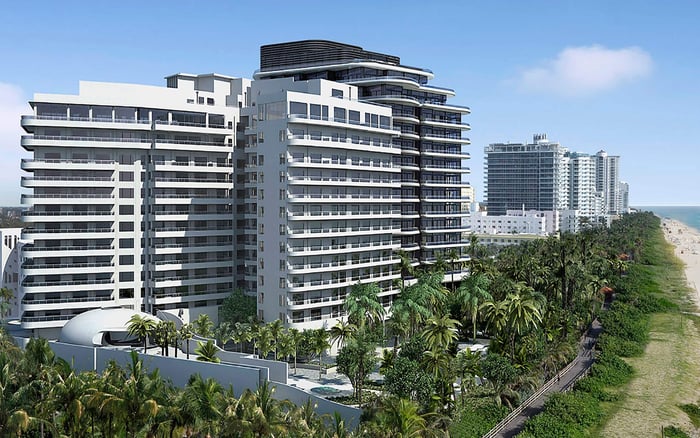
For a buyer drawn to artful beachfront living, Faena House Miami Beach is a reminder that the most sought-after properties pair spectacle with behind-the-scenes competence. The mechanical backbone is rarely the selling headline, yet it quietly supports the experience.
Similarly, ultra-luxury buyers assessing newer collections like Shore Club Private Collections Miami Beach often evaluate not just finishes and views, but also the building’s ability to maintain operations gracefully when the grid is imperfect.
When touring a home or evaluating a condo, the best questions are simple and specific:
For oceanfront condo buyers who value privacy and low-density living, boutique buildings such as 57 Ocean Miami Beach naturally invite a sharper focus on operations and building-level planning, because the experience is designed to feel personal. Resilience is part of that personal feeling.
Condominium associations in Florida are required to obtain and maintain adequate property insurance, with replacement-cost appraisal updates at least every 36 months. While insurance is not the same as resilience, it signals that buildings are obligated to plan, document, and maintain.
For buyers, governance matters. A well-run building is more likely to execute on generator maintenance, life-safety priorities, and clear operational protocols during disruptions. In practice, the best luxury experience is created as much by management competence as by marble selection.
Backup power becomes a lifestyle feature when it is sized to your real priorities, installed with code-aware rigor, and maintained with the same seriousness as any other essential system. In South Florida, the most sophisticated homes and buildings treat resilience as part of the architecture of comfort.
How long do outages typically last? Many customers experience interruptions over the year, and major events can drive a large share of outage hours.
What is the difference between a standby generator and a portable generator? Standby systems are permanently installed and start automatically; portable units are typically manual and refueled by hand.
Are inverter generators better for sensitive electronics? Inverter generators are designed to produce cleaner power, but they still require manual operation and fuel handling.
What does a whole-home standby generator installation typically cost? Typical projects are often cited around $11,500 to $33,500 depending on scope, labor, permitting, and site conditions.
Do I need a permit for a permanently installed generator in Miami-Dade? Yes, a building permit is required to place and keep a generator permanently in an outside location.
What code issues matter most for coastal generator installations? Wind-load design, exhaust clearances, carbon monoxide alarms, and flood elevation requirements are key considerations.
Can I run a fuel-burning generator inside a condo unit? Condo rules vary, but fuel-burning generators are commonly limited or prohibited due to carbon monoxide and fire risk.
What is the best condo-friendly backup option? Portable battery power stations are often the most workable choice for indoor-safe backup of essential small loads.
Are batteries enough to power a luxury home through a long outage? Batteries can provide near-instant backup, but extended full-home coverage often requires load management or a generator.
Is a hybrid battery-plus-generator system worth it? It can smooth the switchover and reduce generator runtime, delivering a quieter and more controlled outage experience.
For a confidential assessment and a building-by-building shortlist, connect with MILLION Luxury.
If branded residences are on your mind — as a home or as an allocation — we would be glad to share what we are seeing, privately.
Begin a quiet conversation