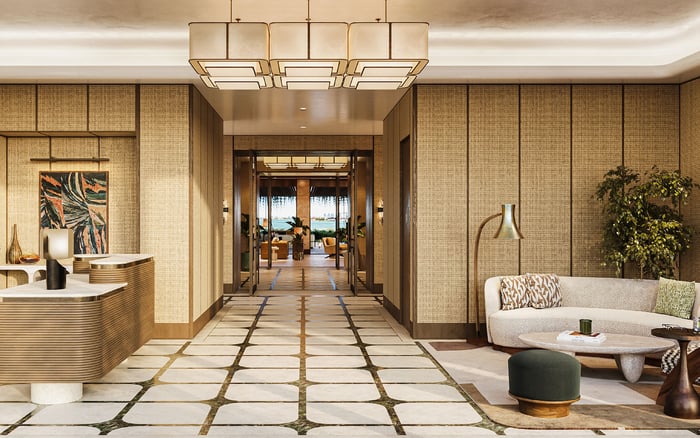
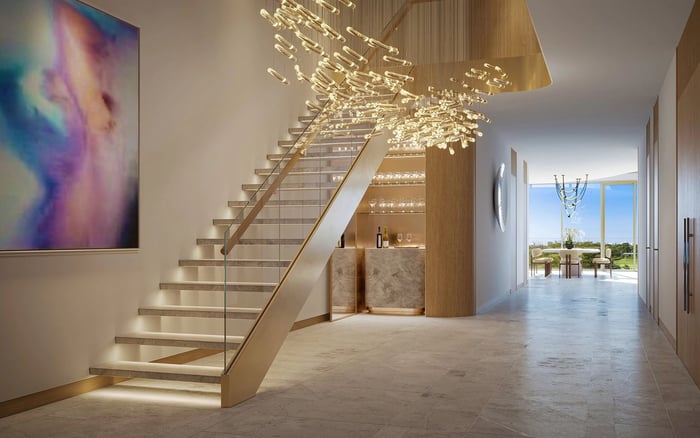
A buyer-focused look at the amenities that matter most in boutique South Florida condominiums, where service depth is defined less by spectacle and more by staffing logic, privacy, circulation, and daily ease.
In South Florida’s boutique condominium market, amenities are often framed in the language of abundance: more rooms, more lounges, more wellness, more arrival drama. Yet experienced buyers understand that an amenity is only as valuable as the service structure behind it. A private dining room without thoughtful reservation control can feel ornamental. A fitness studio without disciplined maintenance loses its edge. A beautiful lobby without trained discretion becomes a waiting room.
The better question is not which building has the longest amenity menu. It is which amenities create genuine service depth in a smaller residential environment. Boutique buildings face a particular challenge: they must feel intimate without feeling understaffed, personal without feeling informal, and quiet without feeling passive. That balance depends on amenities that make staff more effective, protect resident privacy, and reduce friction in daily life.
South Florida buyers may compare the same service promise across Brickell, Miami Beach, Surfside, Coconut Grove, and West Palm Beach, but the boutique test remains constant: does the building make elevated living easier, or does it simply photograph well?
1. Private arrival and controlled access - first-contact precision
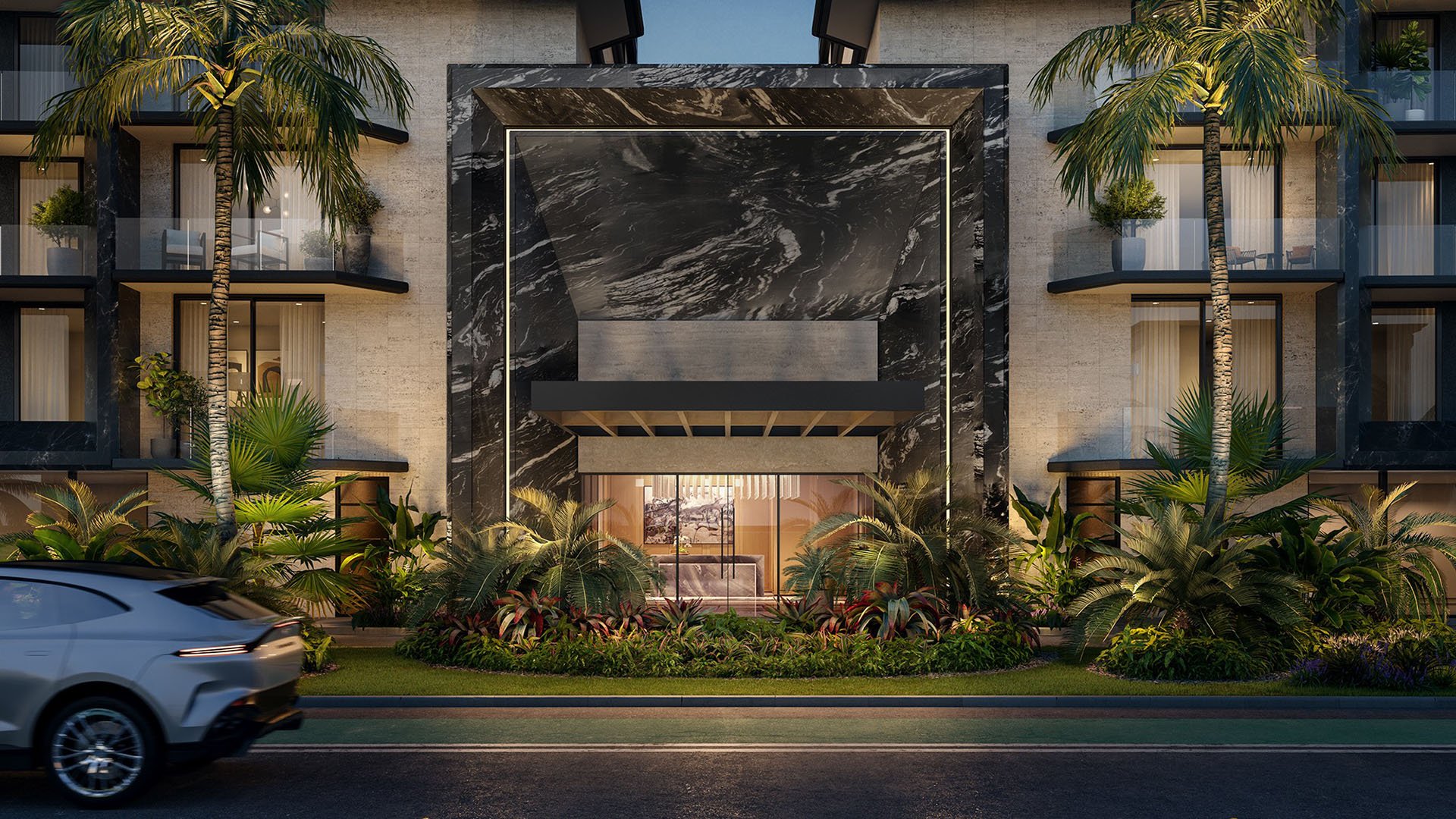
A boutique building’s service standard begins before a resident reaches the front desk. Private arrival, porte-cochere planning, secure entry sequencing, and clear guest flow allow staff to manage arrivals without visible congestion. In a smaller building, this is especially important because each arrival feels more personal, and any breakdown feels more exposed.
The most useful version of this amenity is not theatrical. It is calm, legible, and operationally efficient. Residents should sense that vehicles, guests, deliveries, and household staff have been considered separately, allowing the lobby to remain composed and residential rather than transactional.
2. A properly empowered concierge desk - decision-making capacity
A concierge desk is not automatically a service amenity. It becomes one when the team has the tools, authority, and building knowledge to resolve issues without repeatedly escalating routine requests. In boutique residences, this matters because residents expect familiarity, but they also expect boundaries and discretion.
The strongest concierge environments support package management, guest coordination, reservations, vendor communication, and resident preferences in a way that feels seamless. The difference is subtle: a weak desk receives requests, while a strong desk anticipates patterns and protects the resident’s time.
3. Wellness spaces scaled for actual use - quiet consistency
Wellness is often overbuilt visually and underbuilt operationally. In a boutique building, the more valuable approach is a fitness, spa, or recovery environment that can be kept pristine, scheduled sensibly, and supported without crowding. A compact, well-maintained wellness suite may serve residents better than a larger facility that strains staffing and upkeep.
Service depth here is measured by readiness. Equipment should be orderly, treatment rooms should feel prepared, and the space should retain privacy at peak moments. The amenity should support a resident’s routine, not require constant adjustment around other residents.
4. Valet, parking, and delivery logistics - invisible daily relief
Parking and delivery management rarely receive the same attention as pools or lounges, but they shape the resident experience every day. In South Florida, where driving, guests, beach gear, luggage, and household deliveries often intersect, the service design behind these movements can define the building’s quality.
For boutique properties, the goal is not merely to offer valet or secure parking. The goal is to make movement predictable. Residents should not need to manage the choreography themselves. When staff can handle vehicles, vendors, groceries, flowers, luggage, and returns without pulling the resident into the process, the building feels genuinely serviced.
5. Flexible owner service spaces - support beyond the residence
The best boutique amenities extend the functional life of the private residence without making the building feel like a club. A boardroom for a private call, a small salon for a visiting stylist, a residents’ lounge that can host a quiet meeting, or a dining room that can support an intimate dinner may all be valuable if they are governed with care.
These spaces matter because they absorb needs that would otherwise intrude on the residence itself. The key is flexibility with restraint. A boutique building should not feel constantly activated. It should feel capable, available, and discreetly prepared when an owner needs more room, more privacy, or more support.
Large towers can sometimes rely on scale. Boutique buildings cannot. Their advantage is intimacy, but intimacy raises expectations. Residents notice whether staff remember preferences, whether common spaces are restored quickly, whether guests are received gracefully, and whether service feels consistent at different hours.
That is why amenity selection should be judged by operational fit. A building may have a beautiful pool, but if towel service, furniture management, guest policies, and maintenance are not handled with discipline, the experience will feel thin. A lobby may be architecturally impressive, but if it cannot manage privacy, deliveries, and resident arrivals simultaneously, it will not support a luxury lifestyle.
This is where South Florida’s most refined buyers are becoming more selective. They are not rejecting amenities. They are rejecting amenities that create obligations without delivering ease. The better boutique building feels less like a resort brochure and more like a private household with professional systems.
A polished sales presentation can make almost any amenity feel convincing. A more revealing exercise is to imagine ordinary use. Where does a guest wait? How does a delivery arrive? Who handles a dog walker, a driver, or a visiting chef? Can a resident leave for the airport without personally managing every detail? Does the wellness area feel serene, or merely styled?
Buyers should also watch the transitions between spaces. Service depth often appears at thresholds: valet to lobby, lobby to elevator, elevator to residence, residence to amenity level. In a strong boutique building, those moments feel coherent. In a weaker one, they feel improvised.
The essential question is whether the amenity makes the staff more capable. If it does, it adds value. If it simply adds surface area to be maintained, it may dilute the building’s service promise.
South Florida living has its own rhythm. Owners may move between primary residences, seasonal stays, private clubs, marinas, airports, restaurants, family visits, and wellness routines. A boutique condominium that understands this rhythm will prioritize arrival, privacy, and daily logistics as much as design.
In Brickell, the challenge may be urban flow and vertical efficiency. In Miami Beach, privacy and arrival control can feel especially important. In Surfside, calm and discretion may matter more than visible spectacle. In Coconut Grove, residents may value a more residential tempo. In West Palm Beach, the service expectation often blends town convenience with estate-like ease.
Across these settings, the strongest amenity programs are not identical, but they share one principle: they reduce the owner’s need to supervise the building experience.
What does service depth mean in a boutique condo? It means the building has the staff, systems, and amenity design to deliver consistent help without visible friction.
Are more amenities always better for resale value? Not necessarily. Buyers often respond better to amenities that are usable, well-kept, and properly supported.
Why is private arrival so important? It shapes privacy, guest flow, and the first impression of how professionally the building operates.
Is a concierge desk enough to create luxury service? No. The desk must be empowered, informed, and supported by clear building systems.
Which wellness amenities matter most? The most valuable wellness spaces are those that remain clean, calm, private, and easy to use.
Should boutique buildings offer large social spaces? They can, but scale and governance matter. The best spaces feel available without making the building feel busy.
How can a buyer evaluate valet and parking quality? Look for predictability, separation of flows, and whether staff can manage vehicles and deliveries without confusion.
Do boutique buildings need resort-style amenities? Not always. Many perform better when they focus on privacy, readiness, and personalized daily support.
What is the biggest red flag in an amenity program? A space that looks impressive but creates maintenance, staffing, or access problems for residents.
What is the best way to shortlist comparable options for touring? Start with location fit, delivery status, and daily lifestyle priorities, then compare stacks and elevations to validate views and privacy.
To compare the best-fit options with clarity, connect with MILLION.
If branded residences are on your mind — as a home or as an allocation — we would be glad to share what we are seeing, privately.
Begin a quiet conversation