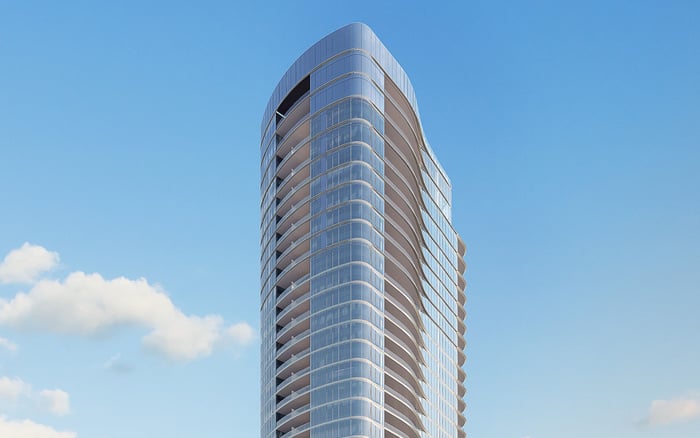
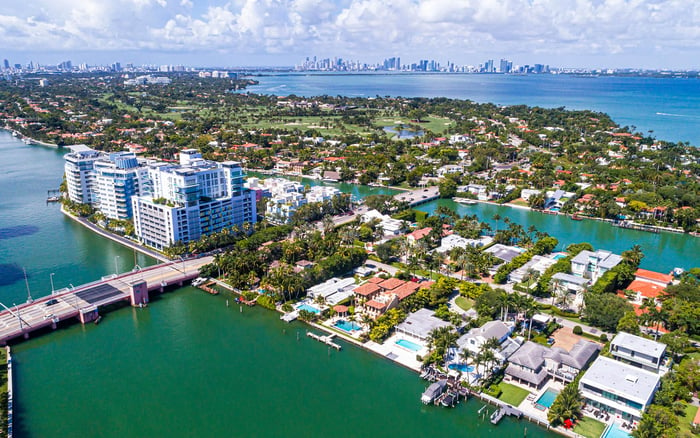
For bi-coastal luxury buyers, the decisive service question in South Florida is not simply whether a residence feels like a resort, but whether its hospitality model supports privacy, continuity, and effortless arrivals.
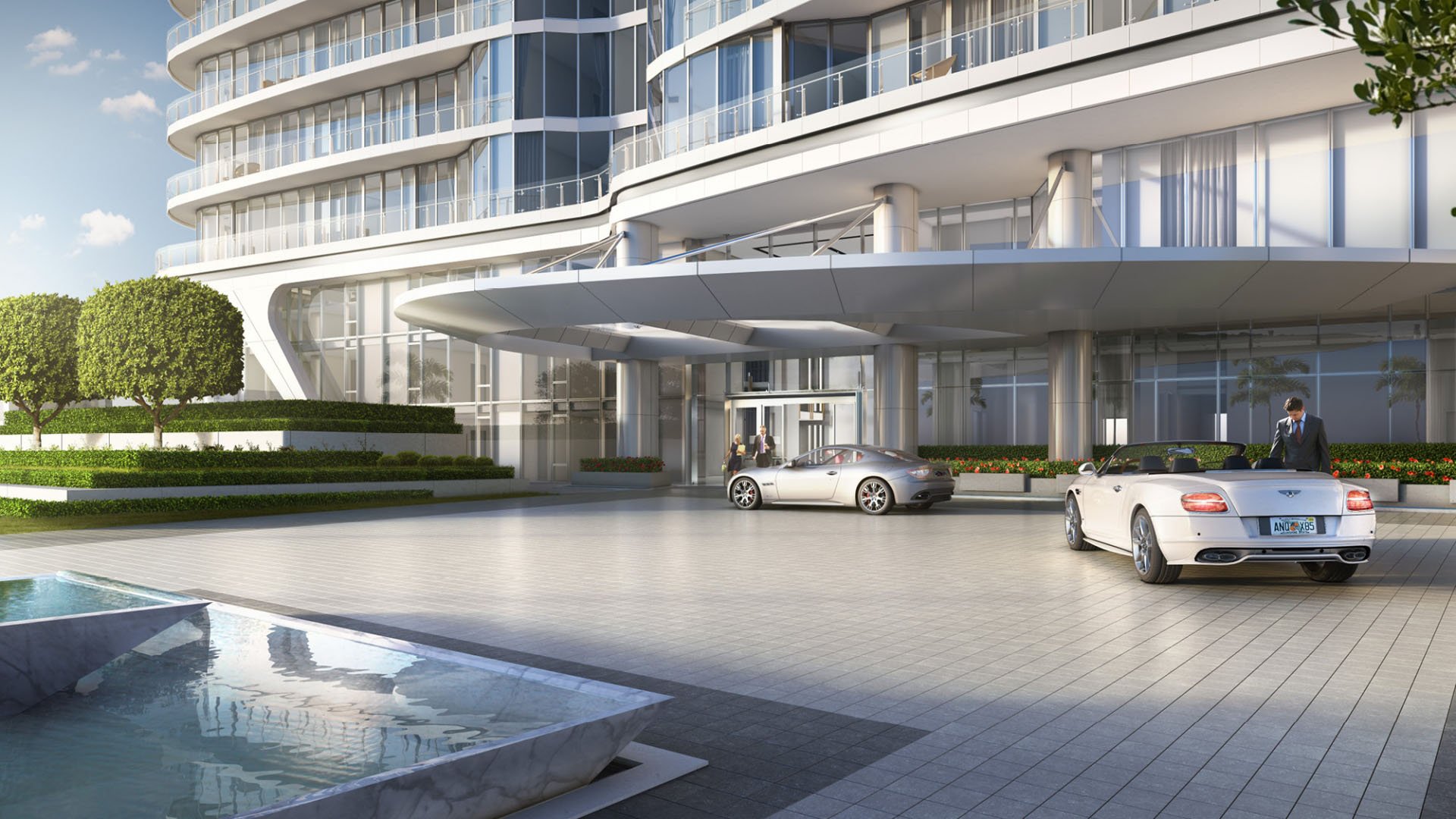
For buyers splitting time between California and Florida, a South Florida residence has to perform with precision. It is neither a hotel room nor a symbolic pied-à-terre. It is the place that must feel fully prepared after a cross-country flight, support family routines within minutes, receive guests without friction, and then fall quiet again when the owner leaves.
That is why the choice between formal hospitality and quiet residential service matters. Formal hospitality is visible, choreographed, and often brand-led. It is the polished arrival sequence: valet recognition, lobby presence, concierge fluency, dining access, spa programming, and a clear channel for every request. Quiet residential service is less theatrical. It prioritizes discretion, continuity, home readiness, privacy, trusted building staff, controlled access, and the sense that no one is over-managing the owner’s day.
For the California buyer, the instinct may be to ask which is more luxurious. The sharper question is which service style will make the home easier to use repeatedly. South Florida offers both, and the right answer shifts by neighborhood, family structure, and frequency of occupancy.
Formal hospitality is most valuable when the South Florida residence supports a social, guest-driven lifestyle. If the owner expects frequent visitors, extended family, business entertaining, wellness appointments, dining coordination, or a lively amenity circuit, a hospitality-forward building can reduce planning fatigue.
This is where branded residences often enter the conversation. Their appeal is not only a name on the façade; it is the promise of a recognizable service language. In Brickell, a buyer considering 888 Brickell by Dolce & Gabbana is likely responding to a more formal idea of arrival, design identity, and urban polish. The building becomes an extension of the owner’s hosted life, particularly when business, dining, and city energy are part of the Florida rhythm.
Formal hospitality also matters when the Florida home is used in concentrated bursts. A buyer arriving for a long weekend does not want to rebuild the household from scratch. If the residence requires reservations, transportation, guest access, spa time, package coordination, and housekeeping alignment within a compressed window, a hospitality-rich environment can be the difference between merely arriving and genuinely settling in.
The risk is over-prescription. Buyers who prize control may find too much formality intrusive. If every movement feels observed, service has crossed from luxury into performance.
Quiet residential service is the more understated luxury. It is ideal for buyers who want their Florida residence to behave like a private home, not a destination they have to re-enter ceremonially each time.
This tends to matter in second-home ownership, where the pattern is frequent and personal rather than occasional and performative. The buyer may keep clothes, art, sports equipment, wine, documents, children’s belongings, and pet routines in place. The building staff understands the owner’s preferences, but does not turn recognition into display. The most valued amenity is not always the most photogenic one; it may be a calm service elevator, an intuitive front desk, a trusted receiving protocol, or a maintenance team that resolves issues before the owner lands.
In Miami Beach, where the emotional promise is often light, water, and decompression, quiet service can be especially powerful. A residence such as Shore Club Private Collections Miami Beach speaks to buyers who may want beachside refinement without sacrificing the feeling of being privately at home. The point is not the absence of service. It is service that reads the room.
For families splitting time between California and Florida, this distinction becomes practical. Children adapt faster when the home feels familiar. Partners work better when the day is not constantly interrupted. Guests feel more comfortable when the residence does not operate like a stage.
South Florida is not one service culture. Brickell, Miami Beach, Palm Beach, Coconut Grove, Surfside, Sunny Isles, Fort Lauderdale, and Boca Raton all frame hospitality differently.
Brickell generally suits buyers who want energy, vertical convenience, dining proximity, and a more formal urban cadence. Hospitality can feel appropriate there because the neighborhood already has a metropolitan rhythm. Miami Beach requires more nuance. Some buyers want hotel-like amenity access and a high-touch arrival, while others want a serene residential retreat steps from the sand.
Palm Beach often rewards restraint. Buyers considering The Ritz-Carlton Residences® West Palm Beach may value a recognizable hospitality standard, yet the most successful experience still depends on whether the service feels composed rather than conspicuous. In that market, refinement often means fewer gestures, executed better.
Coconut Grove offers another lens. Its appeal is frequently tied to landscape, village texture, and a softer residential pace. At Four Seasons Residences Coconut Grove, the decision is not simply brand versus privacy; it is whether the service platform supports a home-like rhythm in a setting where buyers often prize calm, shade, and neighborhood continuity.
The right answer begins with calendar honesty. If the Florida residence will be used for entertaining, seasonal social life, wellness programming, and guest turnover, formal hospitality deserves a premium. If the home will be used as a private family base, quiet residential service may matter more than a dramatic lobby or a long menu of amenities.
Buyers should also consider staff integration. Some California and Florida owners travel with assistants, private chefs, nannies, security, trainers, or household managers. A building with too much front-facing formality may complicate those flows. Conversely, a lightly staffed boutique residence may not offer enough support for a household that expects hotel-level responsiveness.
Privacy is the final filter. The most sophisticated buyers are not always looking for anonymity, but they are looking for control. They want to decide when to be seen, when to host, when to delegate, and when to disappear. The winning residence is the one whose service culture supports that choice without requiring the owner to negotiate it daily.
Lifestyle is therefore not a brochure category. It is the lived result of architecture, staffing, rules, access, neighborhood, and social tone. For a buyer moving between California and Florida, the most elegant service is not necessarily the most formal one. It is the one that preserves momentum, protects privacy, and allows the home to feel ready before the owner asks.
Should California buyers prioritize formal hospitality in South Florida? They should prioritize it when entertaining, concierge support, and amenity programming are central to how the residence will be used.
When is quiet residential service the better choice? It is often better for buyers who value privacy, routine, family comfort, and a home that feels settled rather than staged.
Are branded residences always more service-oriented? They often emphasize a defined service culture, but buyers should still evaluate whether that culture feels natural for daily living.
Does Brickell favor formal hospitality? Brickell often suits buyers who appreciate an urban, high-touch environment, especially when business and dining are part of the lifestyle.
Is Miami Beach better for quiet service or formal service? It can support either, so the better fit depends on whether the buyer wants resort energy or a more private coastal routine.
Why does Palm Beach require a different lens? Palm Beach buyers often respond to restraint, continuity, and service that feels polished without becoming overly visible.
How should families evaluate service models? Families should focus on arrival ease, guest access, storage, staff coordination, pets, children’s routines, and privacy.
Can a residence offer both formal hospitality and quiet service? Yes, the best buildings often provide high-touch support while allowing owners to experience it discreetly.
What is the biggest mistake bi-coastal buyers make? They choose the most impressive amenity package without testing whether the service rhythm fits their actual pattern of use.
What should buyers ask before deciding? They should ask how the building handles arrivals, guests, packages, staff access, maintenance, reservations, and privacy preferences.
To compare the best-fit options with clarity, connect with MILLION.
If branded residences are on your mind — as a home or as an allocation — we would be glad to share what we are seeing, privately.
Begin a quiet conversation