Walkability is a quiet form of luxury in South Florida: the ability to step out for coffee, culture, and waterfront air without planning a drive. Still, “walkable” can mean very different things across Miami-Dade, Broward, and Palm Beach. This ranked guide highlights five neighborhoods that frequently fit a walk-first lifestyle for high-end buyers, then shows how to verify it block by block before you buy. Use it to compare day-to-day convenience, noise, privacy, and resale appeal with the same disciplined lens.
In South Florida, the headlines are familiar: square footage, skyline views, and amenities that feel closer to a five-star hotel than a residence. For many ultra-premium buyers, though, the real differentiator is what happens in the in-between moments. Walkability is not a planning slogan. In a region where driving is often the default, the ability to live well on foot is a quiet marker of privilege: fewer decisions, less friction, and more of the day spent in a lifestyle rhythm that feels effortless.
A walk-first routine shows up most clearly where daily needs overlap in a way that feels elevated. The core is not just having restaurants nearby, but having places you genuinely want to return to, plus everyday services that do not feel purely utilitarian. The built environment matters, too. If the public realm invites you to linger, the neighborhood stops feeling like a set of destinations and starts feeling like a place.
Luxury buyers also notice the details that change how walking feels over time. Shade and heat management shape how far you will go in summer. Sidewalk continuity, lighting, curb cuts, and crossings determine whether the stroll feels relaxed or vigilant. Even the social mix is a factor. An area can be energetic and still feel refined, or it can feel crowded and transactional. That distinction is often what separates “walkable” from “walkable luxury.”
South Florida is not a single urban model, so walkability is not a single experience. Some buyers want a high-convenience core where the city is essentially outside the lobby. Others want a village pattern: boutiques, parks, and water nearby, paired with a calmer residential fabric. And walkability can be seasonal. The same sidewalk can feel serene on a weekday morning and compressed on a holiday weekend.
This guide is designed to help you compare neighborhoods the way a strategic buyer evaluates a home: by lived patterns, not labels. The ranking below prioritizes where a walk-first lifestyle is most realistic to sustain for a luxury audience, while keeping discretion, comfort, and resale considerations in view.
A walkable neighborhood is not automatically a walkable home. The most reliable approach is to evaluate walkability the way you would evaluate a view corridor: from the specific address outward, and at the times you will actually be living there.
Use the criteria below as a consistent filter across neighborhoods.
The repeatable loop test The goal is not the one scenic walk you will take once. It is the loop you will repeat without negotiation: morning coffee, a light workout class, a grocery or pharmacy run, a dinner reservation, a quick errand, a waterfront stroll. If you cannot picture a comfortable loop without telling yourself “I’ll just drive this time,” the walk-first promise will fade quickly after move-in.
The comfort layer Luxury walkability is comfort walkability. Look for sidewalks that are continuous and wide enough for side-by-side walking. Notice shade, crosswalk frequency, and whether the streetscape feels calm or exposed. A beautiful destination loses value if the route feels stressful, sun-blasted, or awkward.
The noise and privacy trade The most walkable areas are often the most active. Decide what kind of activity you want under your day-to-day life. Some buyers value being in the center of the social scene. Others want proximity without nightlife energy. The right fit is the neighborhood where you can step into the action, then step out of it, without feeling like you are negotiating your own front door.
The destination quality Walkability is only as luxurious as the destinations. “Close to dining” is not the point. The point is whether you can rely on the neighborhood for places that match your taste, and whether there is enough variety that you do not feel locked into a single circuit.
The micro-location rule Within any neighborhood, two blocks can feel like different cities. Prioritize corners, waterfront edges, and quieter side streets where walking feels natural. Treat major arterials as boundaries unless you have personally proven otherwise.
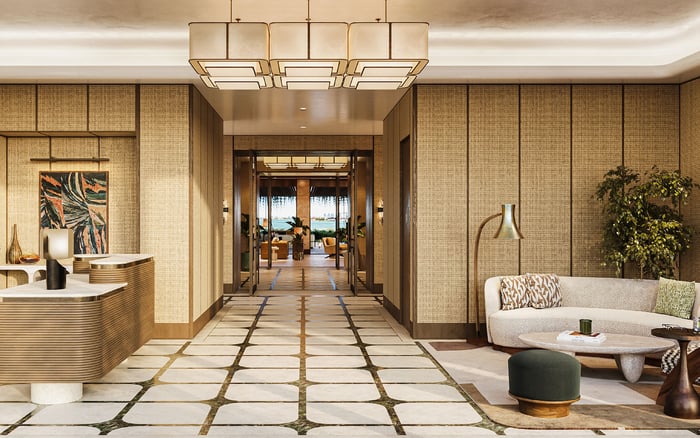
The building-to-street experience In high-end markets, the transition matters. You want a lobby that feels like a private arrival, a sidewalk that feels safe and inviting, and a direct path to the destinations you will use most. A building can be exceptional and still be poorly positioned for a walk-first routine.
For a neutral reference point while you compare addresses, explore Una Residences Brickell.
For a walk-first buyer, Brickell’s strength is the ability to keep your calendar local. Morning routines can stay close. Midday meetings can be reached on foot. Evenings can be improvised, not scheduled. The trade-off is that convenience can arrive with noise, traffic friction, and a more public tone. In Brickell, the distance between “electric” and “exhausting” is often your exact block.
How to verify Brickell before you buy: do a midweek walk during morning rush, then repeat the same routes after dark. Count how many crossings you need to reach your true core destinations. Notice whether you naturally drift to calmer parallel streets or feel forced onto louder corridors. Finally, test your “dress-code walk,” meaning the route you would take in refined attire in summer heat. If it works then, it will work most days.
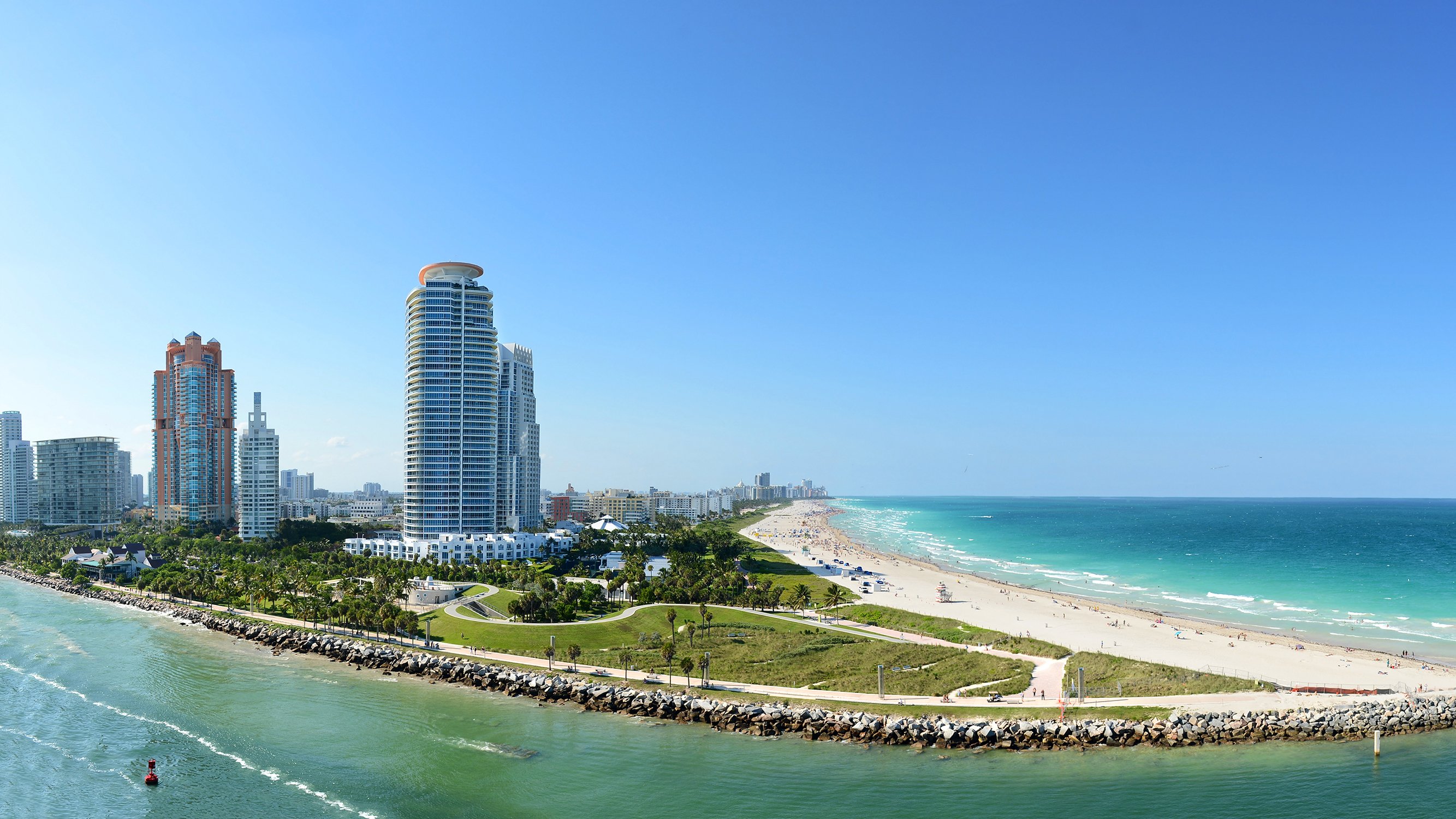
The walk-first advantage comes from how hospitality, dining, and lifestyle services can fold into everyday life instead of existing only for special occasions. The caution is that Miami-beach can be intensely seasonal, and certain pockets can swing from serene to busy depending on events and weekends. That variability is not automatically negative. It simply has to match your temperament and how you want to use the neighborhood.
How to verify Miami-beach before you buy: walk the same route on two different days, ideally a quiet weekday and a high-activity period. Pay attention to how easy it is to cross major roads to reach the water, and whether your preferred paths remain comfortable when sidewalks are crowded. Also evaluate how discreet the area feels, including how close pedestrian traffic comes to residential entrances and where the flow concentrates.
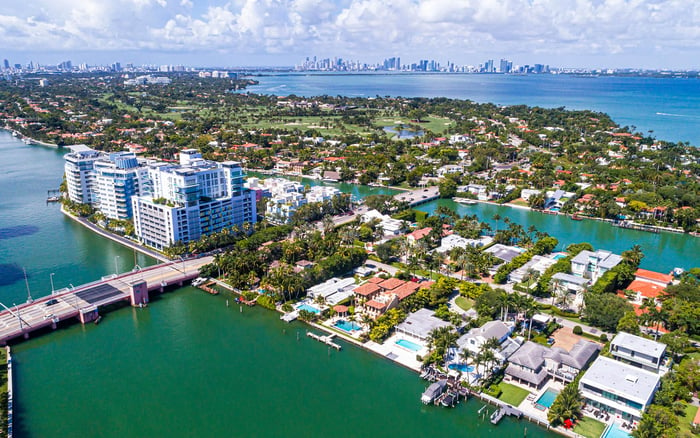
Luxury walkability here often means you control the pace. There is typically less of the high-rise canyon effect and more of a neighborhood cadence. For many buyers, that is exactly the point. For others, it can feel quieter than a true urban core, which only becomes a negative if you want constant options directly outside your door.
How to verify Coconut-grove before you buy: walk it in mid-afternoon heat to see whether shade and comfort hold up when conditions are least forgiving. Identify the places you would actually return to weekly, not just the ones you would visit once. Then test an evening loop. A walkable luxury neighborhood should feel comfortable after dark in the areas you would use, not only on the most scenic streets.
For ultra-premium buyers, the value is moving through your day without the sensation of chaos. You may be able to walk to select shopping, a meal, and the shoreline while maintaining a more private tone. The trade-off is that the walk-first lifestyle can be more destination-specific. If your personal routine depends on constant variety, you will want to confirm that your daily loop has enough depth to feel satisfying over time.
How to verify Bal-harbour before you buy: map your “minimum viable week,” meaning the essential destinations you would want to reach on foot without compromise. Then test the routes at different times to see how the mood shifts. Pay attention to how you feel at crossings and curb lines, and whether walking remains comfortable when traffic is heavier.
Many buyers are drawn to the balance: enough activity to feel alive, with the potential for quieter residential pockets nearby. The key is micro-location. In any downtown environment, a few blocks can separate a tranquil walk from a congested one, and the experience changes quickly at the edges.
How to verify West-palm-beach before you buy: do a morning walk that includes errands, then repeat an evening walk focused on social destinations. Note whether the area feels coherent on foot or whether you have to “hop” between zones to make the day work. Finally, watch the streetscape for small signals like where people naturally linger. In truly walkable neighborhoods, the public realm invites that behavior and supports it.
Rankings are useful, but your best neighborhood is the one that supports your habits with the least resistance. Before you commit, translate walkability into three elements that define luxury living in practice: time, comfort, and control.
Time: Most weeks are built on repeatable patterns. A walkable neighborhood should reduce the number of decisions required to live well. When the route is obvious and the destinations are reliable, you stop planning and start moving. If walking becomes a chore, you will default to driving, even if the neighborhood is technically “walkable.”
Comfort: Heat, rain, and humidity are not afterthoughts in South Florida. A truly walk-first lifestyle requires routes that remain comfortable enough that you will keep using them. Sidewalk shade, safe crossings, and a sense of ease at street level matter as much as distance. Spend time outdoors in the seasons you will actually inhabit the home, not only during ideal weather.
Control: Luxury buyers value the ability to participate or retreat. The most satisfying walkable neighborhoods provide a clear on-off switch. You can step into dining and social energy when you choose, then return to a calmer residential tone without feeling like you are sacrificing convenience.
Practical due diligence steps that work across all five neighborhoods:
What is the biggest mistake buyers make when shopping for a walkable lifestyle? Choosing the neighborhood name instead of the address. Walkability often changes block by block, especially near major roads, bridges, and commercial clusters. Treat the tour like a lifestyle audit: walk the routes you will repeat, in the clothes you will actually wear, at the times you will actually go.
How can I balance walkability with privacy and quiet? Look for pockets where social energy is close, but not directly beneath you. The ideal setup is a short walk to dining and waterfront, paired with a more residential street character at home. In a condo, ask how the building meets the street and how public-facing the entry feels.
Does walkability matter for resale in South Florida luxury real estate? It can, especially as more buyers prioritize convenience and daily quality of life. A home that supports a walk-first routine often photographs well in lifestyle terms, not only in square footage. The strongest resale position typically comes from micro-location: the specific pocket that feels effortless to live in.
What should I test during a second visit before making an offer? Do a no-car day. Start with coffee, include an errand, add a workout or wellness stop, and finish with dinner. Note the friction points: crossings, heat exposure, and how the neighborhood feels when it gets busy. For discreet guidance tailored to your routines, work with MILLION Luxury.
If branded residences are on your mind — as a home or as an allocation — we would be glad to share what we are seeing, privately.
Begin a quiet conversation