In South Florida, true luxury increasingly looks like optionality: the ability to leave the car behind without giving up privacy, design, or service. Walkability is not a gimmick metric; it is a lived experience shaped by density, shade, waterfront access, and a critical mass of daily needs close to home. For buyers and sellers at the top of the market, walk-first neighborhoods can command a different kind of premium: time. The time saved when errands become a short stroll, when dinner is a five-minute walk, when a morning run begins at the front door. Below, MILLION Luxury ranks five enclaves where that lifestyle is most convincingly delivered, then translates what “walkable” really means when you are shopping in the ultra-premium tier.
In a region built around movement, the rarest convenience is not horsepower. It is proximity. South Florida’s most sophisticated buyers are increasingly drawn to neighborhoods where a day can unfold with minimal friction: coffee, fitness, meetings, dinner, and a sunset walk, without the logistics of parking or the reliance on rides. That is why “walkable” has shifted from a nice-to-have to a defining attribute of modern luxury. It compresses the map of daily life. It can also reshape how a home feels: more spontaneous, more connected, and, paradoxically, more private, because the best walkable pockets let you move in and out of the world on your own terms. Walkability can be reduced to familiar metrics, but the lived version is more tactile. It is the continuity of sidewalks, the comfort of the route, the concentration of destinations, and the ease of building routines that do not require planning.
1. Brickell (Miami, FL) Dense, mixed-use, car-free friendly core
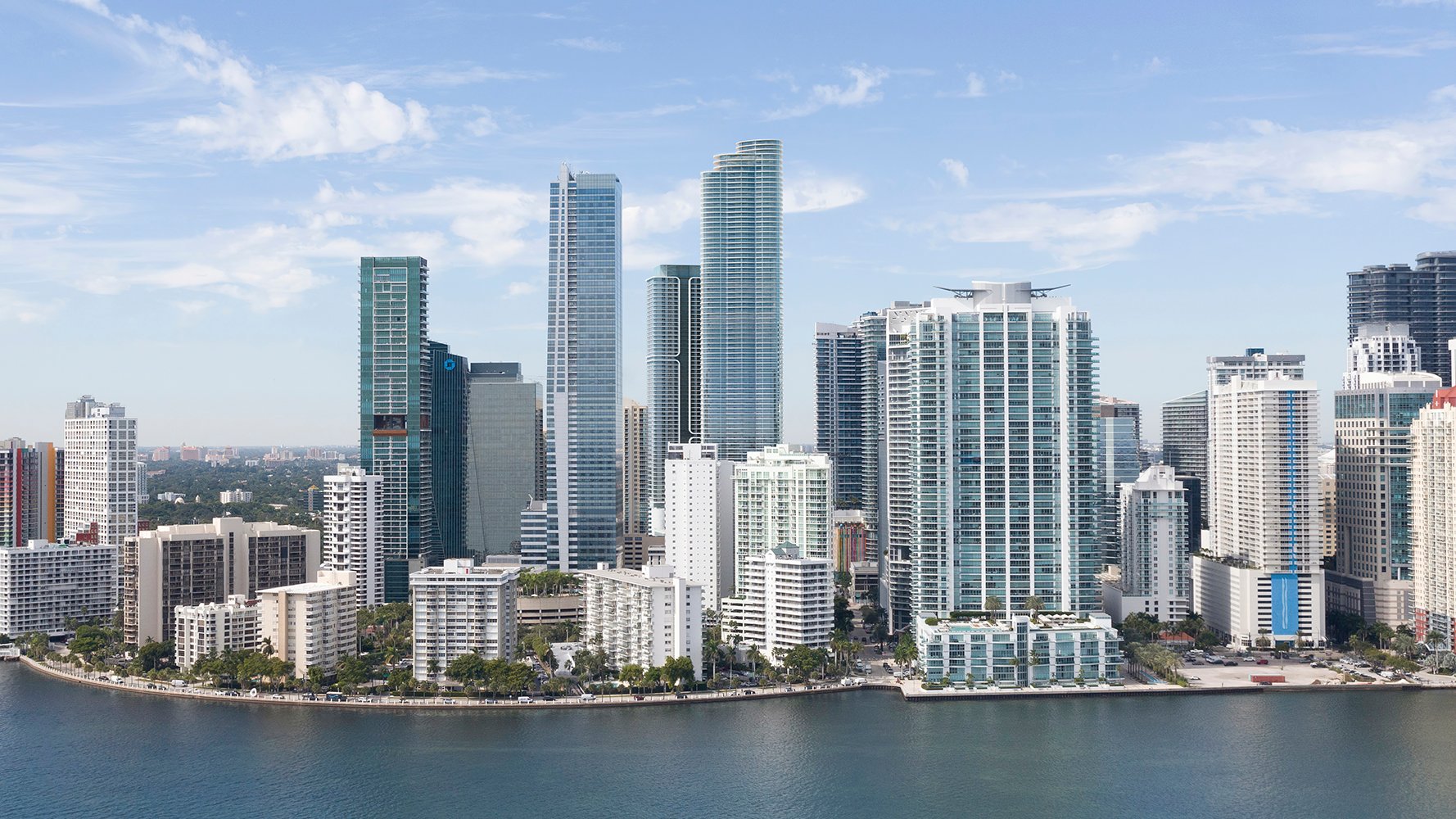
Brickell is widely regarded as one of Miami’s most walkable, car-free friendly neighborhoods, largely because of its intense mix of condominium living, offices, dining, and services in close proximity. For the luxury buyer, that density reads as optionality: the ability to live in a full-service building while keeping an entire city’s worth of daily life just beyond the lobby. Brickell also supports the most complete on-foot routine in this ranking, spanning workday and weekend needs. If you want an urban, international tempo with the ease of stepping outside and being immediately in it, Brickell sets the standard.
2. South of Fifth (Miami Beach, FL 33139) Compact, high-end pocket near South Pointe Park
South of Fifth, often called SoFi, is a compact, high-end enclave at the southern tip of South Beach. Its walkability is defined by how quickly life meets the water: the beach, the marina energy, and the gravitational pull of South Pointe Park as a daily anchor. SoFi’s luxury appeal is its scale. It is walkable not because it is busy, but because it is concentrated. You can step out for a morning loop, an ocean breeze, or an early dinner without navigating a sprawling grid.
3. Coconut Grove (Miami, FL) Village feel centered around Cocowalk
Coconut Grove’s resurgence has tracked lifestyle demand for a village-like rhythm and the sense that the neighborhood can be lived on foot. The core routine is supported by a central dining and retail destination at Cocowalk, which helps turn “walkable” into something repeatable: the same short routes, familiar corners, and a cadence that feels more European than suburban. For buyers who want luxury without the intensity of a high-rise district, Coconut Grove offers a softer walkability: greenery, a slower pace, and the ability to step into a curated mix of dining and shops with minimal distance.
4. Bal Harbour (Bal Harbour, FL 33154) Walkable luxury centered on Bal Harbour Shops
Bal Harbour’s walkable appeal is tightly focused around one of the region’s most concentrated luxury retail and dining environments: Bal Harbour Shops. In practice, this is a different kind of walkability, less about miles logged and more about keeping high-end conveniences within a small radius. For a second-home buyer, this can be ideal. You can step out for shopping, dinner, and quiet waterfront strolls without committing to a car-centric day. Luxury here feels quiet, polished, and efficient.
5. Las Olas / Downtown Fort Lauderdale (Fort Lauderdale, FL) Dining, culture, and coastal adjacency
Las Olas Boulevard and Downtown Fort Lauderdale offer a different expression of walkability: a cultural and dining corridor with strong daytime and evening energy. For luxury buyers, the appeal is the ability to build routines around restaurants, galleries, and waterfront access with less reliance on driving. This area can feel more “city” than other coastal pockets north of Miami, yet still retains an outdoor, coastal cadence. It is a compelling option for buyers who want a lively lifestyle center without sacrificing access to beaches and boating.
Distance is only the first filter. In the ultra-premium tier, the difference between walkable and truly walk-first is comfort.
Route quality: shade, sidewalks, crossings, and the ease of walking in summer heat.
Destination density: not just restaurants, but services you actually use week to week.
Time-of-day usability: a neighborhood that works in the morning and feels confident at night.
Building-to-street relationship: lobbies, drop-offs, and ground-level design that make leaving home feel effortless.
This is why certain micro-markets can feel more walkable than their map suggests. A short route that is pleasant and safe beats a longer one that feels exposed or interrupted.
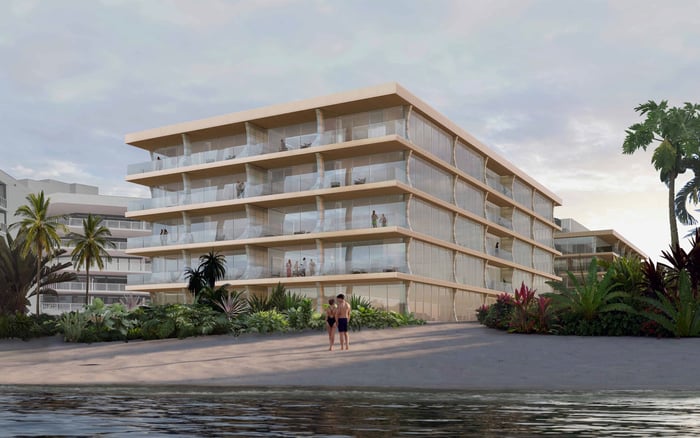
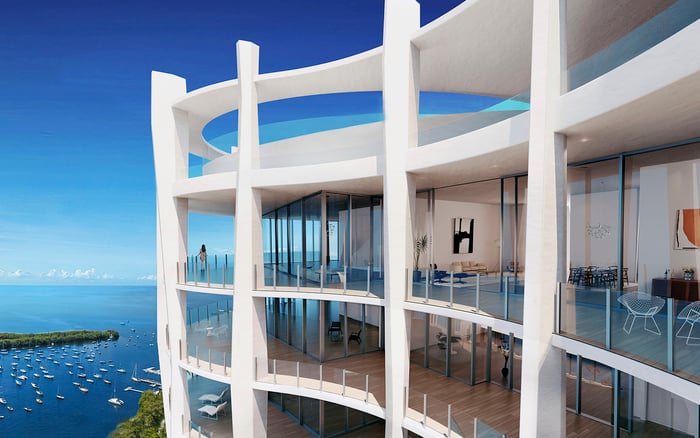
Your neighborhood matters, but so does the building’s relationship to it. A full-service tower with a strong arrival sequence and easy access to street life can make car-free living feel natural. In Brickell, residential options like St. Regis® Residences Brickell and Mercedes-Benz Places Miami illustrate how branded and design-forward projects are leaning into walkability as part of the lifestyle story. In South of Fifth, boutique and established luxury buildings can deliver an even tighter walk-first routine because the neighborhood’s grid is compact. In Coconut Grove, the appeal is more village-like: you can be near Cocowalk and still feel tucked away.
In other words, the best “walkable luxury” is a pairing: a neighborhood with destinations, and a building that makes going out feel frictionless.
Treat walkability as a performance test, not a marketing line.
Walk the routine you want: morning coffee, gym, dinner, and a late-night return.
Check the friction points: street crossings, construction zones, and long blank blocks.
Pay attention to the first five minutes outside the building: it shapes everything.
Consider your personal non-negotiables: beach access, parks, dining, or services.
If the neighborhood supports your routine on foot, you will use it more. And that is the real luxury: a life that feels easier.
What is the most walkable luxury neighborhood in Miami right now? Brickell is widely considered among Miami’s most walkable, car-free friendly areas due to its dense mix of uses.
Why does walkability matter in luxury real estate? It reduces daily friction and can add a time premium, especially for buyers who value effortless routines.
Is South of Fifth walkable year-round? Yes, its compact layout and proximity to the beach and South Pointe Park support on-foot living in every season.
Does Coconut Grove feel urban or residential for walking? It reads as more residential, with a village-style core that makes daily dining and errands feel natural on foot.
What makes Bal Harbour walkable compared to other beach areas? Walkable luxury concentrates around Bal Harbour Shops, keeping high-end conveniences within a small radius.
Is Fort Lauderdale’s Las Olas area truly walkable? Yes, especially around Las Olas Boulevard and Downtown, where dining, culture, and waterfront access cluster.
Do walkable neighborhoods always mean higher prices? Not always, but walkability can support stronger demand and resale liquidity in certain markets.
Do walkable neighborhoods always mean more noise? Not necessarily. Some walkable enclaves are compact and refined, prioritizing comfort over constant activity.
How can the right condo building improve walkability? Full-service operations, strong lobby access, and nearby daily needs can make car-free living far easier.
What is the best way to test walkability before purchasing? Spend a day on foot doing your real routine, including a return walk after dinner. Explore walk-first luxury living across South Florida with MILLION Luxury
If branded residences are on your mind — as a home or as an allocation — we would be glad to share what we are seeing, privately.
Begin a quiet conversation