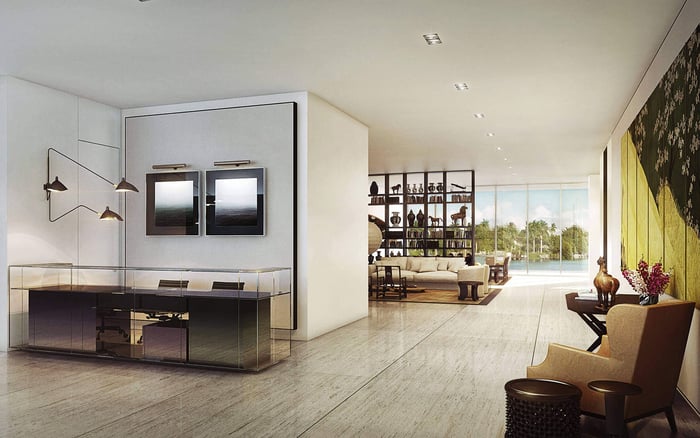
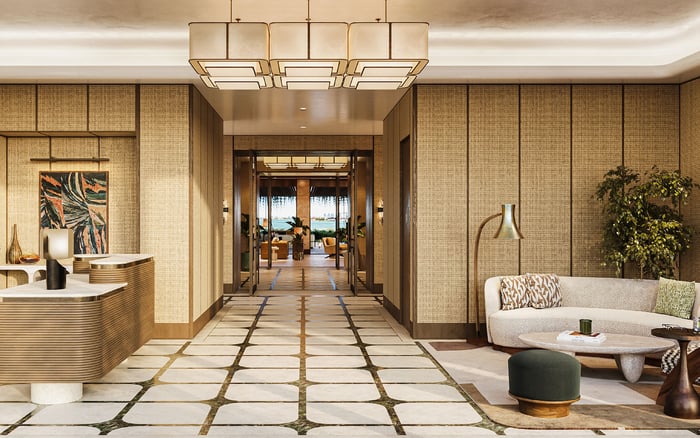
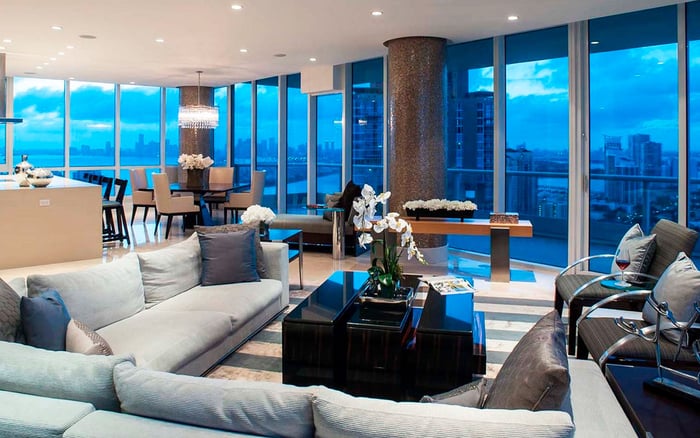
In South Florida’s most coveted towers, the modern status symbol is not just a view, it is access. Resident-only programming is quietly replacing the traditional country club by delivering curated connections, culture, wellness, and dining moments without a drive or a dues card. For buyers weighing lifestyle as much as layout, the building’s social calendar can influence daily rhythm, privacy, and long-term satisfaction. Here is how these calendars work, what to look for in Miami-Dade, Broward, and Palm Beach, and the questions that protect discretion and value.
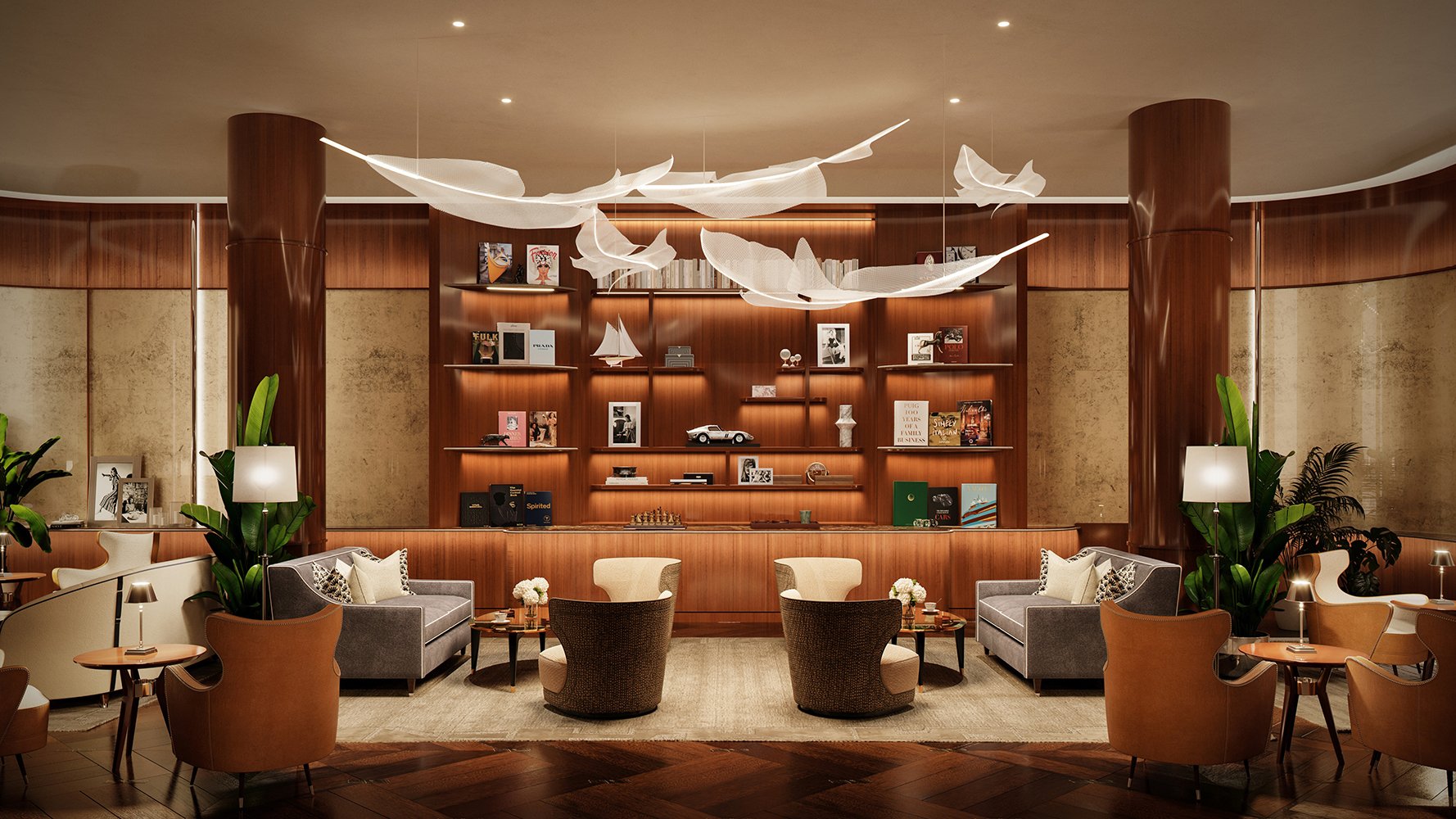
For much of the last century, the country club solved a clear luxury problem: it provided a dependable social orbit. Golf and tennis were the visible layer, but the real asset was belonging. It was a reliable calendar, familiar faces encountered often enough to build trust, and rooms designed for conversation that never felt transactional.
In South Florida’s condo market today, many buyers want that same ease, with far less friction. They are not necessarily looking for a long drive, formal dress codes, or committee culture. They want to step downstairs, remain within the perimeter of their own security, and still enjoy a life that feels curated and socially fluent. In that context, the modern country club is increasingly the building itself.
This is more than a marketing line. It reflects a broader redefinition of high-end living across Miami-Dade, Broward, and Palm Beach. A luxury residence is no longer judged only by architecture, finishes, or a skyline. It is judged by the quality of the everyday experience: who you can meet without effort, how easily you can host without turning your home into an event venue, and how your routine becomes richer without becoming louder.
For many prospective owners, the most telling “amenity” is not a room. It is a schedule. A resident-only social calendar signals how a building thinks about privacy, service, and community. It can also reveal operational realities, including staffing depth, budget priorities, and the line the building draws between residents and the public.
“Resident-only” sounds definitive, but in practice it is a spectrum. The phrase can describe everything from intimate gatherings limited to owners and their guests, to a broader program hosted on site where certain elements may be open to the public. That nuance matters, because it directly affects tone, discretion, and comfort.
In the ultra-premium segment, buyers tend to favor experiences that feel protected. Protection is not only about access control at the door. It is also about predictability. Residents want to know that the people around them were invited with intention, that the environment will feel consistent, and that the building is not operating in constant promotion mode.
When you tour, listen carefully to how staff describes the boundary. Do they emphasize member-like access, RSVP protocols, and guest policies? Or do they emphasize “activation” and “buzz”? Neither approach is automatically wrong, but they suit different lifestyles. A building can be socially active while still being discreet, but it must be designed that way.
Also note that resident-only does not have to mean socially intense. Many of the best buildings take a light-touch approach: optional events that create opportunity without pressure. The strongest programs feel like an editor’s selection, not a packed cruise itinerary.
A social calendar earns its place as an amenity because it solves three recurring friction points in luxury living.
First, it reduces the planning burden. Busy households do not want to chase reservations, vet venues, coordinate logistics, and repeat the cycle every week. When a building can deliver a steady rotation of well-produced moments, residents buy back time.
Second, it creates a low-risk social setting. Meeting people in Miami can be easy. Meeting the right people in a discreet, non-performative environment is harder. Resident programming can create natural interaction that does not require a formal introduction, public posturing, or loud venues.
Third, it expands lifestyle beyond square footage. Well-managed shared spaces become an extension of the residence when there is a reason to use them. This is especially valuable for second-home buyers, recent relocations, and residents who strongly prefer to keep their private residence private.
A calendar is only as strong as its execution. A schedule that looks impressive on paper can feel hollow if events are thinly attended, overly branded, or inconsistent. Conversely, a smaller calendar can feel ideal if each gathering is thoughtfully curated and aligned with the resident profile.
Traditional clubs rely heavily on committees. Luxury buildings increasingly rely on professional programming. In South Florida, that can show up as a strong concierge culture, a lifestyle director role, or partnerships with external curators.
For buyers, the operating model matters because it determines continuity. A program that depends on one charismatic individual can change quickly if that person leaves. A program supported by systems, vendor relationships, and clear resident feedback loops is typically more resilient.
As you evaluate a building, consider what it appears to optimize for.
One model optimizes for consistency. These calendars lean on recurring gatherings that become part of residents’ routines, creating familiarity through repetition.
A second model optimizes for prestige. These buildings focus on occasional headline moments that feel special, elevated, and photo-ready.
A third model optimizes for wellness and rhythm. The calendar is built around mornings and early evenings, complementing a disciplined lifestyle.
In a market as varied as Brickell, Miami-beach, Bal-harbour, and Coconut-grove, these models can match different buyer psychographics. Financial leaders and entrepreneurs may prefer efficient, high-quality networking opportunities. Creative and design-forward residents may prioritize cultural programming. Multi-generational households may value family-friendly events that feel refined rather than juvenile.
Because this article is not limited to one specific building, it is more useful to focus on formats that translate across South Florida’s luxury condo landscape, while still guiding due diligence.
Private dining experiences are the clearest example. They might range from chef-led tastings to seasonal menus hosted in a resident space. The difference between “nice” and “exceptional” is rarely the menu description. It is the operational detail: pacing, sound management, staffing, and whether residents feel comfortable inviting guests.
Wellness programming is often the most habit-forming. Many residents want a reason to show up at a consistent time in a space that feels clean, quiet, and controlled, with instruction that reads as credible. The best programs feel closer to a private club class than a public studio.
Cultural salons and speaker moments can function as social glue. When done well, they are intimate and high-signal, with conversation designed into the format rather than left to chance. Buyers who value discretion should look for programming that avoids performative crowds and favors curated lists.
Philanthropic gatherings can be surprisingly effective for community building, especially for new residents who want a values-aligned way to meet neighbors. These events tend to be less about spectacle and more about shared purpose.
Seasonal celebrations are common, but tone varies. Some buildings lean into high-energy parties. Others deliver low-key, design-forward experiences that feel restrained and elegant. The question is not what the building hosts, but whether its approach matches your definition of luxury.
Finally, small-group experiences are often where the lifestyle feels most real. These may be tastings, classes, or off-site outings coordinated for residents. The concept matters, but curation and guardrails matter more.
South Florida is particularly suited to this “vertical club” evolution because the lifestyle is already calendar-driven. Residents live by seasons, travel patterns, and a constant flow of cultural and sporting moments. A strong building program helps a household plug in quickly without feeling like it is starting from zero.
In Brickell, where many owners balance intense work schedules with a desire for spontaneity, the ideal calendar tends to be efficient. Residents want options that fit into a compressed window and still feel high quality.
In Miami-beach, the equation often includes visibility versus privacy. A resident may want access to culture and dining energy, but not public exposure. A well-designed resident-only program can offer the best version of the Beach while limiting the noise.
In Bal-harbour, the tone is often quieter, with high expectations for service and discretion. Buyers frequently value programs that feel established, consistent, and insulated.
In Coconut-grove, lifestyle can lean toward an anchored neighborhood rhythm. Residents may prioritize community, walkability, and experiences that feel connected to nature and design rather than nightlife.
Across these areas, the underlying question is consistent: will this building make life easier, richer, and more private at the same time?
Luxury buyers have become more precise about what “community” should mean. A building that forces interaction can feel intrusive. A building with no social infrastructure can feel isolating, especially for new residents, recent relocations, and second-home owners who want their time in South Florida to feel instantly livable.
A well-run social calendar creates conditions where relationships form naturally. It lets residents become familiar with neighbors in a controlled, respectful way. It can also reduce the need to overshare in public settings, because the social environment already has built-in context and shared standards.
That has real lifestyle value, and it can have resale value as well, even if it is difficult to quantify. When a building becomes known as a place where residents truly live well, not simply park capital, buyer demand can deepen. That demand can be sticky because it is tied to experience, not a passing trend.
The caveat is alignment. Programming supports value only when it matches the resident base. If the calendar chases the wrong audience, it can create friction. The most successful buildings treat lifestyle programming like hospitality, with clear boundaries.
Policies and practices vary building to building, and they can change over time. A smart buyer process focuses on verification and fit, not assumptions.
Ask how events are funded. Some buildings include lifestyle programming within operating budgets. Others treat certain experiences as ticketed add-ons. Neither structure is inherently better, but you should understand what is included, what is optional, and what level of participation is realistic.
Ask who controls the guest list. The essential issue is whether residents feel ownership of the experience. Clarify whether non-residents can attend, under what circumstances, and how guest access is managed.
Ask about frequency and predictability. You are not looking for constant activity. You are looking for a pattern that matches your life. Confirm how far in advance the calendar is published, how RSVPs work, and what happens when events reach capacity.
Ask how privacy is protected. This includes photography policies, vendor access protocols, and how the building communicates about events. Discretion is part of luxury, and it should be treated as such operationally.
Ask what happens in the off-season. South Florida’s social energy shifts through the year. A thoughtful building adapts to that cadence without going dormant.
Ask how resident feedback is collected and used. The best programs feel responsive. If the building has no clear mechanism for input, the calendar can drift away from what residents actually want.
Finally, observe the culture in real time. If possible, visit when residents are actually using shared spaces. Look for calm competence rather than performance.
A social calendar can elevate daily life, but it also introduces tradeoffs.
If you are highly privacy-driven, you may prefer buildings that curate fewer, higher-quality events with clear boundaries. More activity can mean more foot traffic and more operational complexity, even if the intent is positive.
If you travel frequently, you may value programs that are easy to join without long-term commitment. A calendar that requires constant RSVP discipline can start to feel like another obligation.
If you entertain often, prioritize the building’s ability to support hosting without compromising your home. In many cases, residents rely on shared spaces to keep their private residence reserved for close friends and family.
If you are a full-time resident, consider whether the program supports daytime living, not only evening events. Daily rhythm is where luxury becomes tangible.
If you are exploring the “new country club” concept in an urban core, it can help to review a project positioned in Brickell and consider how its lifestyle promise aligns with your preferences, while confirming current policies directly with management.
For reference, explore Cipriani Residences Brickell as a starting point for evaluating how buyers compare service expectations, shared-space culture, and resident experience in a premier South Florida neighborhood.
Use that reference to clarify your non-negotiables. Do you want quiet intimacy, or a calendar that keeps you out most evenings? Do you want wellness-led mornings? Do you want culture and conversation? Your ideal “club” is personal, and the right building makes that personal standard easy to maintain.
On a tour, it is easy to be impressed by a glossy list of upcoming events. A more sophisticated approach is to ask what the calendar reveals about the building’s identity.
Look for cohesion. Strong programming has a point of view. It does not chase every trend. It selects experiences that reinforce the building’s tone.
Look for repeatability. One-off events can be excellent, but they do not create a lifestyle on their own. Recurring moments suggest a stable operational foundation.
Look for resident mix. The calendar often signals who the building is designed for. A program that is too narrow can exclude. A program that is too broad can feel generic.
Look for boundaries. The absence of boundaries is where luxury often erodes. Clear RSVP rules, guest protocols, and communication etiquette are signals of respect.
Look for service realism. If the building promises an endless program but appears lightly staffed, calibrate expectations. Quality is more persuasive than quantity.
The quiet genius of a great resident-only calendar is optionality. It gives you a social life on demand without requiring you to manufacture it. You can attend when you want to engage, and you can step back when you want privacy.
In South Florida, where the pace can swing from tranquil to intense, that optionality is a form of control. It allows you to keep your personal brand and personal life separate. It supports relationships without public exposure. It can also create a healthier cadence, because the building becomes a stabilizing home base rather than a staging area.
Ultimately, the new country club is not about replacing tradition. It is about updating it for modern luxury priorities: privacy, time, and a curated sense of belonging.
What should I ask to confirm an event is truly resident-only? Ask for the RSVP and guest policy in writing, including whether non-residents can attend and how invitations are issued. Confirm how access is enforced at the door and whether vendors, partners, or outside guests are ever included.
How can I gauge whether a building’s social calendar is active year-round? Request to see prior months of programming, not only the current schedule. Ask what changes in the off-season and whether staffing or budget shifts affect frequency and quality.
Do resident events typically affect privacy, noise, or shared-space access? They can, depending on how the building sets boundaries. Ask where events are held, what hours are typical, and how the building manages sound, capacity, and resident access to amenities during programming.
What documents or rules should I review about guests and photography? Review house rules, amenity policies, and any event guidelines that address guest limits, photography, and social media. A discreet building should be able to explain how it protects resident privacy while still hosting events.
For tailored guidance on buildings where lifestyle programming matches your preferences across Brickell, Miami-beach, Bal-harbour, and Coconut-grove, speak with MILLION Luxury.
If branded residences are on your mind — as a home or as an allocation — we would be glad to share what we are seeing, privately.
Begin a quiet conversation