A discreet guide to the five boutique residence profiles that best serve Miami buyers who value privacy, staff attentiveness, daily ease, and hospitality-level care.
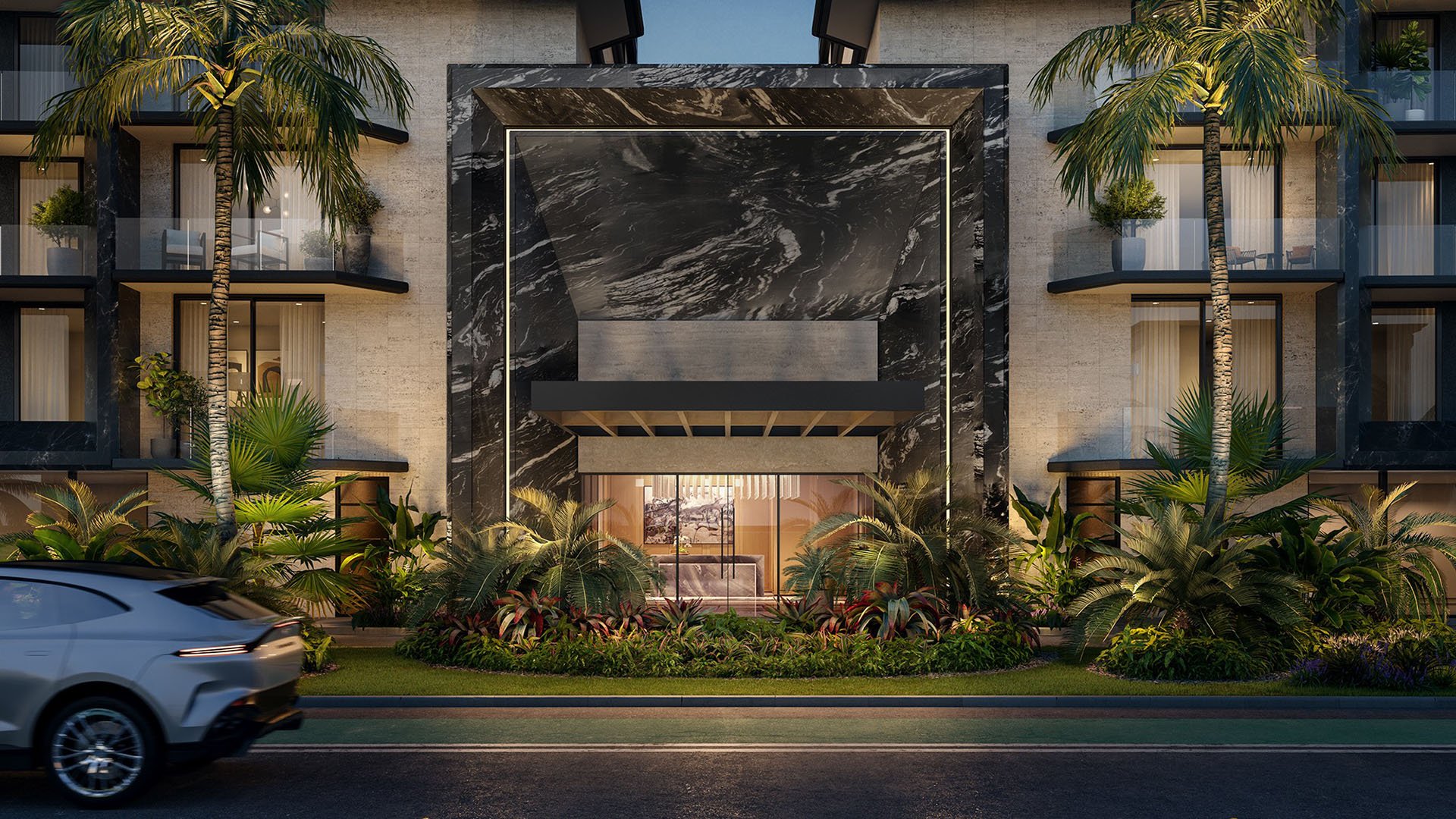
For the Miami buyer who has already seen the grand towers, the more revealing question is not height, spectacle, or scale. It is service depth. In a boutique building, luxury is measured by how consistently the residence supports the owner’s day: the arrival, the handoff, the quiet coordination, the ability to host without friction, and the sense that staff understand preferences without overperforming them.
That distinction matters in South Florida, where a residence may serve as a primary home, seasonal base, family gathering place, or discreet pied-à-terre. The best boutique experience is not simply smaller. It is more legible, more personal, and more controlled. For many buyers, the practical comparison is not merely boutique versus large-format living; it is Brickell, Miami Beach, Surfside, Bal Harbour, or Coconut Grove viewed through the lens of daily service.
Service depth is not a checklist of amenities. It is the coordination behind them. A building can have a handsome lobby, a fitness room, a pool, and a concierge desk, yet still feel thin if service depends on improvisation. A deeper service culture reveals itself in small moments: staff who manage arrivals smoothly, a front desk that understands discretion, wellness spaces that are easy to use, and common areas that feel cared for rather than merely designed.
In a boutique setting, density is part of the value proposition. Fewer residences can allow for a more composed rhythm, but only when staffing, protocols, and resident expectations are aligned. Buyers should look beyond renderings and ask how life will actually work at 7 a.m., after a long flight, during family visits, or while hosting guests for a weekend.
1. Private-residence hospitality - staff-to-resident attention
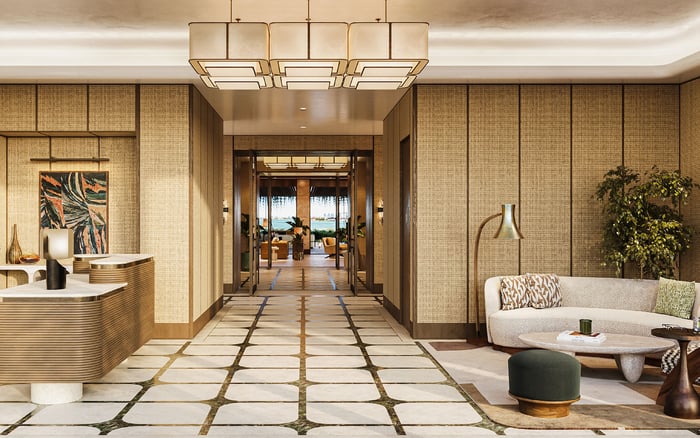
This is the purest service-depth profile: a building where the resident experience feels closer to a private club than a conventional condominium. The buyer is seeking continuity, not spectacle. A calm arrival, a composed reception sequence, and staff who understand household patterns are the central luxuries.
The right fit is especially compelling for owners who travel frequently or use the residence seasonally. When a home is not occupied every day, service becomes the connective tissue that keeps the property feeling ready, secure, and personal.
2. Wellness-led boutique living - daily recovery as amenity
For some buyers, service depth begins with the body. They want wellness spaces that are not afterthoughts, with the privacy and ease to use them regularly. In a boutique building, wellness is strongest when it is close, calm, and uncrowded.
This profile favors residents who value routine: training, recovery, pool time, quiet mornings, and restorative evenings. The service question is whether the building supports those rituals without turning them into appointments, queues, or compromises.
3. Waterfront quiet-service residence - privacy at arrival
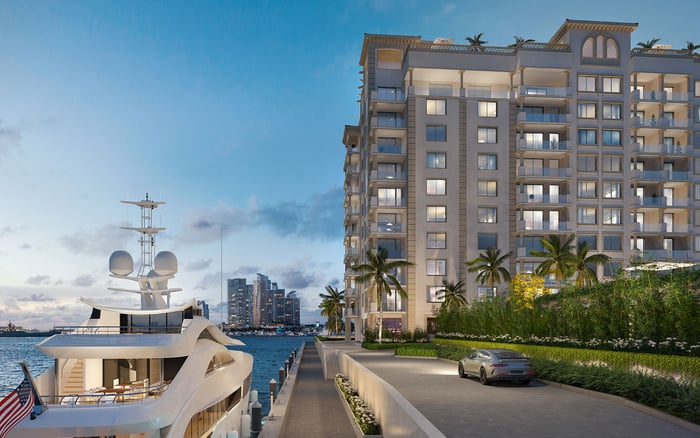
Waterfront living can be highly expressive, but the boutique version is often about restraint. The most valuable service element may be the protected transition from car to residence, from outdoor life to interior calm, and from social Miami to private home.
This profile suits buyers who want views and water proximity without the feeling of a resort crowd. Staff discretion, guest handling, package flow, and the building’s ability to preserve quiet are all central to the experience.
4. Urban boutique address - concierge precision
In a city-facing setting, the best boutique residence must manage velocity. The owner may be moving between meetings, dining, travel, and home life in a single day. Here, service depth is less about seclusion and more about precision.
The ideal urban boutique building reduces decision fatigue. It handles the basics elegantly, maintains a polished arrival, and allows the resident to move through the day without unnecessary friction. For a Brickell buyer, that can be the defining luxury.
5. Design-forward low-density residence - personalization over scale
Some buyers are drawn first to architecture and interiors, but in a boutique building the service model must match the design ambition. A beautiful property can feel incomplete if operations do not support the same level of refinement.
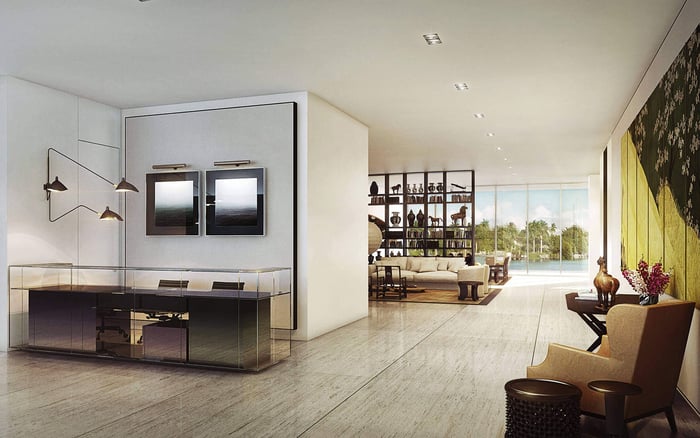
This profile works for collectors, design-minded owners, and those who entertain selectively. The priority is not abundance. It is coherence: spaces, staff, privacy, and resident culture all moving in the same direction.
Different Miami settings call for different service priorities. In Miami Beach, the buyer may focus on beach access, guest flow, and the division between public energy and private retreat. In Surfside and Bal Harbour, discretion and residential calm often matter more than urban pace. In Coconut Grove, the boutique conversation may lean toward greenery, privacy, and a slower daily rhythm. In Brickell, speed, access, and polished coordination tend to carry more weight.
The point is not that one neighborhood is inherently more luxurious than another. The point is that service depth should match the way the owner actually lives. A seasonal beach residence, a weekday city base, and a family-oriented Grove home each require a different operating personality.
A sophisticated buyer should ask direct, practical questions. How does the building handle arrivals during busy periods? What is the resident-to-staff experience likely to feel like in daily use? Are service areas and resident areas thoughtfully separated? Is the lobby designed for privacy or performance? How are guests received? How are deliveries managed? How does the building preserve quiet when it is fully occupied?
The answers reveal more than brochure language. They show whether the building has the operational depth to support its architectural promise. For high-end buyers, that is often where long-term satisfaction is won.
What defines service depth in a boutique building? Service depth is the consistent delivery of privacy, coordination, readiness, and ease across everyday resident life.
Is a boutique building always more private than a large tower? Not automatically. Privacy depends on design, staffing, resident culture, access control, and how common areas are managed.
Why do service-oriented buyers often prefer fewer residences? Lower density can make the experience feel calmer and more personal when the building’s operations are well structured.
Which Miami area is best for boutique service? The best area depends on lifestyle: Brickell favors precision, while coastal and garden settings may favor quiet and discretion.
Should amenities or staffing matter more? Amenities create the promise, but staffing and operations determine whether that promise is delivered every day.
What should seasonal owners prioritize? Seasonal owners should focus on readiness, security, maintenance coordination, and a staff culture that supports absences.
Can a boutique residence still feel resort-like? Yes, but the strongest boutique examples deliver hospitality without sacrificing residential privacy or calm.
How important is the arrival experience? It is critical because arrival sets the tone for privacy, security, guest handling, and the overall sense of control.
What is the biggest mistake buyers make? They sometimes evaluate finishes before understanding how the building will function during ordinary, busy, or high-guest moments.
How should a buyer compare two similar boutique buildings? Compare the service model, circulation, staffing philosophy, resident culture, and how each property supports your routines.
For a tailored shortlist and next-step guidance, connect with MILLION.
If branded residences are on your mind — as a home or as an allocation — we would be glad to share what we are seeing, privately.
Begin a quiet conversation