A discreet 2026 decision guide for Seattle buyers weighing whether a Miami Design District address should function as a second home, a future base, or a true primary residence.
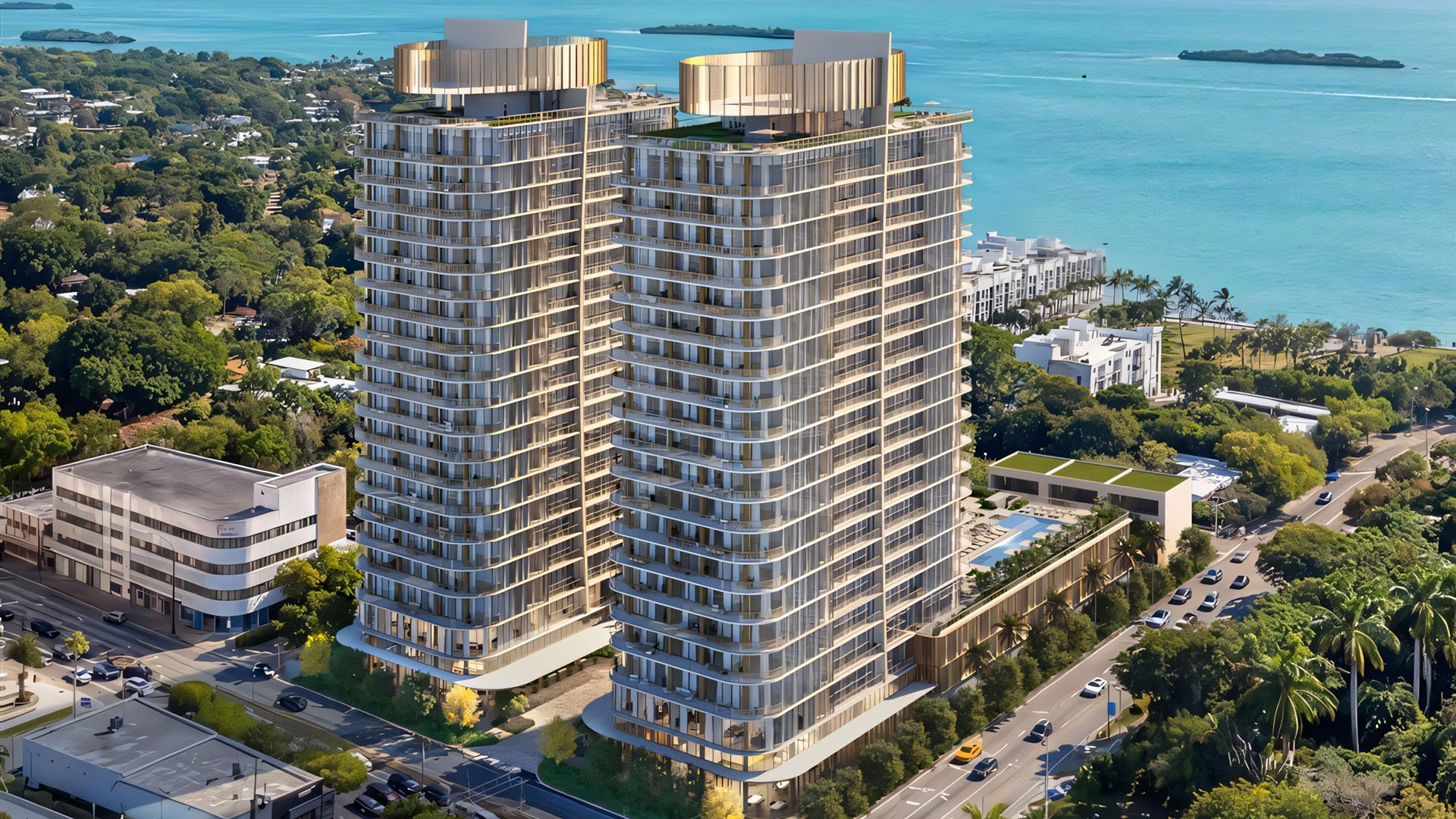
For Seattle buyers considering the Miami Design District, the question is not simply whether to buy. It is whether the residence should function as a curated second home, a seasonal foothold, or the beginning of a true primary residence strategy. Those are distinct decisions, even when the apartment, view, building staff, and neighborhood rhythm appear identical on paper.
A second home is usually about access. It provides a refined Miami base without requiring a full reorganization of business, family, estate planning, medical care, daily routines, or governance documents. A primary residence is more consequential. It asks whether Miami will become the center of gravity, not merely the place where one spends preferred weeks.
For a Seattle buyer, the Design District has a particular appeal because it can feel urban without requiring a traditional downtown posture. The strongest purchase here is not driven by spectacle. It is driven by control, convenience, privacy, and the ability to move between culture, dining, wellness, work, and waterfront districts with minimal friction.
Seattle buyers often arrive with a sophisticated sense of architecture, privacy, and neighborhood texture. They are not always seeking the most obvious beachfront trophy. Many want a Miami residence that feels intentional, design-conscious, and connected to the city’s creative and commercial life.
That is where the Design District becomes a serious consideration. It supports a highly edited lifestyle: morning meetings, afternoon appointments, dinner nearby, and easy movement to adjacent Miami neighborhoods. For buyers who do not want the formality of an island estate or the intensity of a tower in the financial core, the area can provide a more flexible Miami identity.
This is also why the second-home question deserves careful framing. A part-time residence can be ideal if the buyer wants Miami as a recurring chapter rather than a permanent rewrite. A primary residence strategy becomes stronger when the buyer is prepared to build real routines around the city, not just visit during favorable weeks.
A second home in the Design District is best for buyers who want immediate lifestyle access without prematurely committing to full relocation. It allows a household to test Miami’s cadence across different seasons, social calendars, and work patterns. It also gives family members time to decide whether Miami feels restorative, productive, or simply enjoyable.
For this buyer, the building matters as much as the floor plan. Lock-and-leave simplicity, strong service culture, secure access, and a residence that remains elegant when unoccupied are essential. The goal is not to maintain another complicated property. The goal is to arrive smoothly, live well, and depart without operational drag.
In this category, a buyer may compare Design District proximity with nearby waterfront and urban alternatives. Kempinski Residences Miami Design District may enter the conversation for those who want the neighborhood itself to anchor the lifestyle, while The Residences at Mandarin Oriental, Miami may appeal to buyers evaluating a more resort-inflected Miami base. The right answer depends less on brand preference and more on how the owner intends to live between visits.
A primary residence decision requires a more exacting standard. It is not enough for the residence to be beautiful. It must support ordinary life at a high level: where one works, receives guests, manages health care, entertains quietly, stores belongings, keeps vehicles, travels, and maintains personal administration.
For Seattle buyers, this step should be deliberate. Primary residence status is a legal and financial matter, not a feeling. Buyers should coordinate with counsel and tax advisors before assuming that time spent in Miami automatically creates the intended result. Documentation, consistency, and actual daily conduct matter.
The practical test is simple: could this residence become the address around which the year is organized? If the answer is yes, the buyer should prioritize storage, service, parking, privacy, building governance, maintenance standards, and the long-term livability of the plan. If the answer is not yet clear, a second-home strategy may be the more elegant first move.
The most successful Design District purchase begins with a candid lifestyle audit. How often will the owner be in Miami? Will the residence host family or remain primarily for the principal owners? Is the goal quiet recovery, business presence, cultural access, or long-term relocation? Each answer changes the right building profile.
A buyer planning a second home can often accept a more expressive residence if building operations are excellent. A buyer planning a primary residence should be more disciplined. Primary living magnifies details that feel minor during a three-night stay: acoustic separation, morning light, elevator experience, package handling, guest arrival, closet depth, and the emotional quality of the return home.
This is where new construction can be attractive, especially for buyers who value contemporary systems, fresh common areas, and a modern service framework. Yet resale can also be compelling when a buyer wants to understand the established rhythm of a building before committing. Neither category is inherently superior. The better fit is the one that matches how the owner will actually live.
Design District should not be evaluated in isolation. It sits within a broader Miami decision map. Brickell may suit buyers who want a more vertical, finance-oriented urban base. Miami Beach may suit those prioritizing ocean proximity and a resort-like daily mood. Coconut Grove may appeal to buyers seeking a softer, more residential atmosphere.
A Seattle buyer who wants urban energy may naturally compare Design District with Baccarat Residences Brickell or other Brickell offerings. A buyer prioritizing coastal atmosphere may look toward The Perigon Miami Beach. Those seeking a calmer residential texture may study The Well Coconut Grove as part of the broader lifestyle comparison.
The point is not to choose the most famous address. It is to choose the address that minimizes compromise. For some buyers, Design District will be the cleanest expression of Miami as a cultural and design-led city. For others, it will be one coordinate in a wider search.
Investment should be considered, but not romanticized. The best luxury purchases are usually those that remain desirable because they are livable, well located, well serviced, and rationally chosen. A residence bought only for narrative can become difficult to hold if the owner never truly uses it.
For a second home, the investment lens should include carrying costs, visit frequency, management burden, and the depth of future buyer demand for that building type. For a primary residence, the analysis should focus more on durability of personal fit. If a home improves the owner’s life every week, short-term market noise becomes less central.
This is why the strongest buyer’s guides favor decision clarity over broad prediction. A disciplined buyer should know what the property must accomplish before discussing negotiation posture. In Miami, the wrong purchase is often not the wrong building. It is the right building for a different life.
Choose the second-home path if Miami is important but not yet central. This is the right lane for buyers who want optionality, recurring presence, and a refined escape from Seattle without reorganizing their entire personal structure.
Choose the primary residence path if Miami is already becoming the operational base for work, family, personal wellness, or long-term planning. This path requires a more formal process, including advisory coordination, calendar discipline, and a residence that can handle ordinary life beautifully.
If uncertain, do not force the answer. Buy for flexibility, service, and liquidity of use. Spend real time in the residence before making broader declarations. The strongest 2026 decision may be to purchase a Miami home that can begin as a second home and later evolve into a primary residence if the life proves itself.
Is Miami Design District better as a second home or primary residence? It depends on whether Miami is an occasional lifestyle base or the place around which your year will be organized.
Should Seattle buyers decide residency status before choosing a building? They should define intent early, because a primary residence requires more scrutiny than a second home.
What matters most in a Design District second home? Service, security, ease of arrival, low maintenance, and a floor plan that works immediately matter most.
What changes if the home becomes a primary residence? Daily livability becomes more important, including storage, acoustics, privacy, parking, and building operations.
Can a second home later become a primary residence? Yes, if the residence supports everyday life and the owner coordinates legal and tax planning properly.
Should buyers compare Design District with Brickell? Yes, especially if the buyer is weighing cultural proximity against a more traditional urban high-rise setting.
Should buyers compare Design District with Miami Beach? Yes, particularly if ocean proximity is a central part of the desired Miami lifestyle.
Is new construction always the better choice? Not always. It can offer modern design and systems, while resale may provide a more established building rhythm.
How should investment fit into the decision? It should support the lifestyle thesis, not replace it, because unused luxury rarely feels like a successful purchase.
What is the best first step for a Seattle buyer? Define how the home will be used in a normal month, then compare only residences that support that pattern.
For a confidential assessment and a building-by-building shortlist, connect with MILLION.
If branded residences are on your mind — as a home or as an allocation — we would be glad to share what we are seeing, privately.
Begin a quiet conversation